
Planting
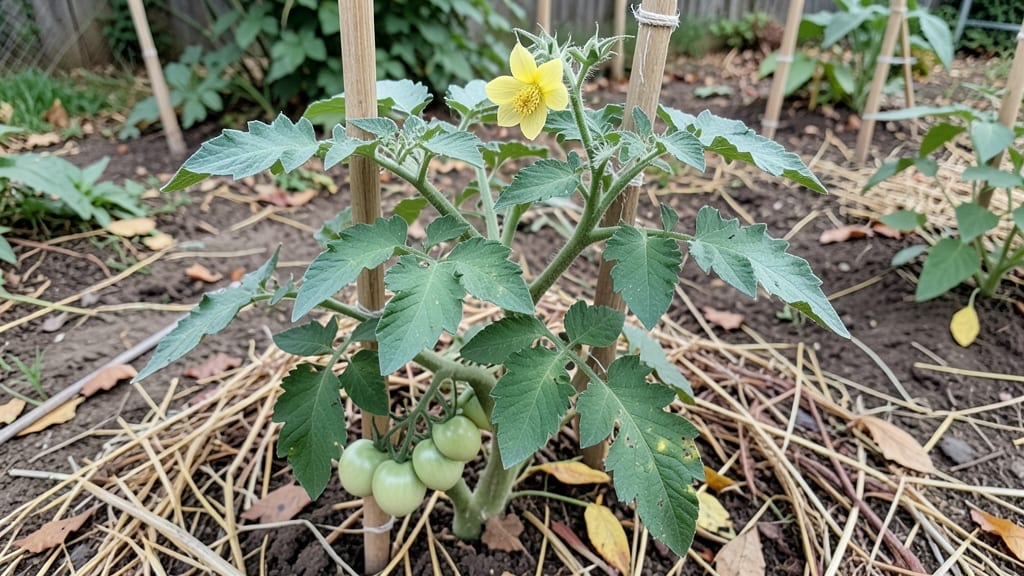
A 2x4 raised bed can comfortably fit 4 to 6 tomato plants, depending on variety—determinate types (bush) allow closer spacing (18-24 inches apart), while indeterminate varieties (vining) need 24-36 inches for optimal growth and airflow. Pruning and trellising can help maximize space efficiency.
A 2x4 raised bed gives you about 32 square feet of growing space, but tomato plants need more than just surface area—they compete for nutrients and sunlight. 🌱 Determinate tomatoes (like Roma or Celebrity) grow in compact bushes, so you can fit 5-6 plants with proper spacing.
Indeterminate types (like Cherry or Beefsteak) sprawl, so 3-4 plants work best to prevent overcrowding. The key is balancing plant size with airflow to avoid fungal diseases like blight.
For example, I’ve seen gardeners squeeze in extra plants by using vertical trellises, but this only works if you prune regularly. Without proper support, vining plants will shade each other, reducing fruit production.
If you’re growing both types, place determinate varieties along the edges and indeterminate ones in the center for better light distribution.
💡 In This Article
- Tomato Plant Spacing Science: Why Proper Distance Matters
- Maximizing Tomato Yield in Small Raised Beds: Techniques and Layouts
Tomato plant spacing science: why proper distance matters
Proper spacing isn't just about fitting more plants—it's about creating an ecosystem where each tomato thrives.
Roots compete fiercely for water and nutrients, and when plants are too close, they'll steal from each other, leading to stunted growth and smaller fruit. 🌱 The root zone of a mature tomato plant can spread 2-3 feet wide, so crowding forces roots to overlap, reducing their efficiency by up to 40% in nutrient uptake.
Sunlight exposure is another critical factor. Tomato leaves have a photosynthetic efficiency that peaks when they receive direct sunlight for at least 6-8 hours daily. When plants are too close, lower leaves get shaded, reducing energy production.
This shading effect isn't just about light intensity—it also increases humidity around the foliage, creating the perfect conditions for fungal diseases like early blight. The 18-36 inch spacing recommended for tomatoes creates airflow that keeps leaves dry and reduces disease pressure.
Variety type plays a huge role in spacing needs because of their growth habits. Determinate tomatoes (like 'Better Boy' or 'Patio') grow to a fixed height and produce fruit all at once, so their compact structure allows closer spacing.
Indeterminate varieties (like 'Sungold' or 'Brandywine') keep growing and producing fruit until frost, requiring more space to support their vines. Overcrowding indeterminate plants leads to 20-30% fewer fruits because the plant diverts energy to support weak stems rather than fruit production.
Here's what happens when you ignore spacing: plants develop yellowing leaves from nutrient deficiency, blossom end rot from calcium imbalance, and reduced fruit set because the plant can't support all the flowers. I've seen gardens where overcrowded tomatoes produced half the yield of properly spaced plants, even with identical care.
The key is matching plant spacing to their mature size—bush varieties need 18-24 inches, while vining types need 24-36 inches to prevent these issues.
Airflow isn't just about disease prevention—it's also about temperature regulation. When plants are crowded, the microclimate between them stays 5-10°F warmer than the surrounding air, which accelerates fungal growth. Proper spacing creates a natural convection current that keeps leaves from sitting in stagnant, humid air.
This is why commercial tomato growers use wide spacing even when space is limited—they prioritize plant health over quantity.
Consider this real-world example: In a 2x4 raised bed, placing 4 indeterminate plants at 30-inch centers gives each plant 9 square feet of growing space, while 6 determinate plants at 20-inch centers gives each 5.3 square feet.
The difference in yield can be dramatic—properly spaced indeterminate plants often produce 2-3 times more fruit per plant than crowded ones.