
Size
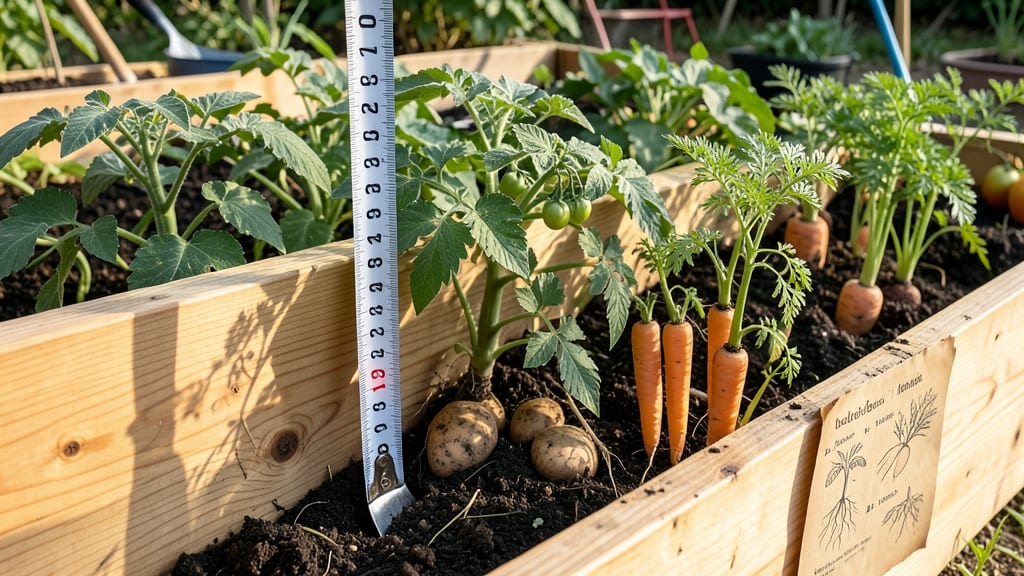
To determine how tall a raised garden bed needs to be, start with a minimum of 6 to 12 inches for most vegetables, while deeper beds (12 to 18 inches) support root crops like carrots and potatoes. Taller beds (18+ inches) improve drainage and reduce bending for taller plants like tomatoes or peppers.
Raised bed height directly impacts plant health by providing the right soil volume for roots to spread and access nutrients. 6-inch beds work for shallow-rooted plants like lettuce or radishes, but deeper beds prevent root competition in crowded gardens. 🌱 I’ve found that 12-inch beds strike the best balance for most home gardens—they accommodate a wider variety of plants while keeping costs manageable.
For heavy soils or clay, taller beds help roots avoid compaction and improve aeration.
Material choice also plays a role—wooden beds with 18+ inches of depth are ideal for tomatoes or peppers, but they require more lumber or composite panels. If you’re gardening with mobility challenges, taller beds reduce bending, making maintenance easier.
Just remember: the deeper the bed, the more critical it is to fill it with a mix of native soil and compost to prevent nutrient depletion over time.
💡 In This Article
- Root Depth Requirements for Different Plants
- Choosing the Right Raised Bed Height for Your Garden
Root depth requirements for different plants
The height of your raised bed directly influences how well your plants can access nutrients and water. Shallow-rooted plants like lettuce, radishes, and herbs thrive in beds just 6 inches deep, as their roots rarely extend beyond 12 inches into the soil.
These plants focus their energy on leafy growth above ground, so they don’t need the extra space. You’ll notice their bright green leaves and quick maturity in beds of this height, making them perfect for succession planting or container-style gardening.
For root vegetables like carrots, beets, and potatoes, you’ll need 12 to 18 inches of depth. These crops develop long, tapered roots that require room to grow without curving or becoming stunted.
In a 12-inch bed, carrots might still develop forked roots if the soil is too dense, but in 18 inches, they can grow straight and full-sized. The extra depth also prevents the roots from hitting the bottom of the bed and turning woody or bitter. 🌱
Taller plants like tomatoes, peppers, and corn benefit from beds that are 18 to 24 inches deep. These plants have extensive root systems that spread wide and deep, especially as they mature.
A taller bed reduces the risk of root binding in heavy or clay soils, where compaction can restrict growth. You’ll also find that taller beds improve drainage, which is critical for preventing root rot in moisture-loving plants like basil or Swiss chard.
What many gardeners overlook is how soil type affects root growth. In sandy soils, roots spread quickly but may not penetrate deeply, while clay soils can suffocate roots if the bed isn’t tall enough.
Adding a layer of compost or organic matter to the bottom of deeper beds helps loosen the soil and encourages roots to explore downward. This is particularly important for perennials like asparagus, which can take years to establish a strong root system.
If you’re growing a mix of plants, consider a 12-inch bed as a versatile middle ground. It accommodates shallow-rooted herbs, leafy greens, and even some smaller root crops like radishes.
For a dedicated root vegetable patch, however, 18 inches is ideal—it gives you the flexibility to grow both shallow and deep-rooted plants without compromising yield or quality.
One final tip: if you’re using raised beds in a climate with heavy rainfall, taller beds (especially those with 24 inches of depth) help prevent waterlogging.
The extra soil volume absorbs excess moisture while still allowing roots to breathe, which is a game-changer for plants prone to fungal diseases like blight.