
Tools
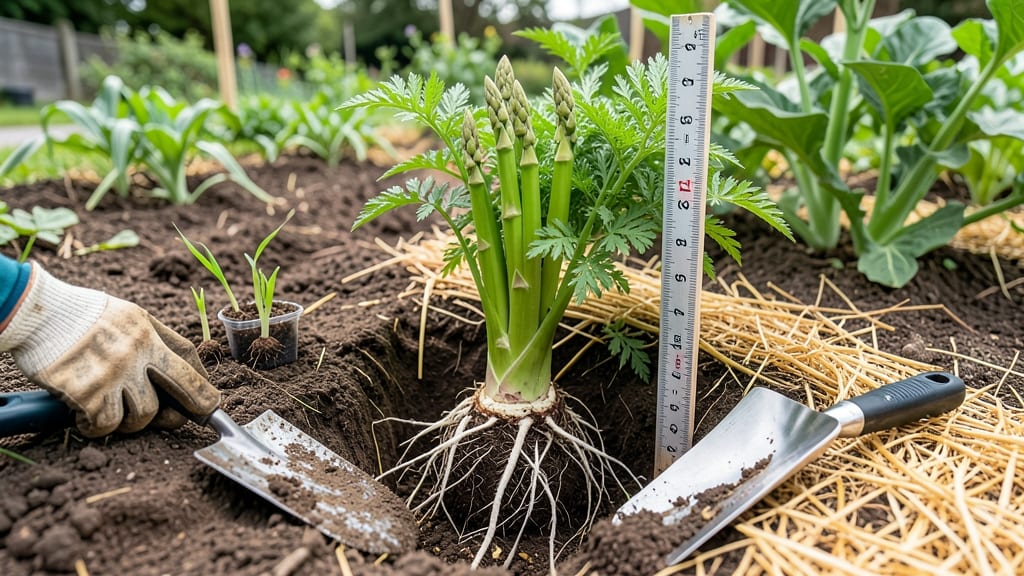
Determining the optimal raised garden bed depth means aiming for 12 to 18 inches, which balances root space for most vegetables while keeping the structure manageable and well-drained. For root vegetables like carrots or potatoes, you can extend this to 24 inches, while shallower beds work perfectly for herbs and leafy greens.
Most gardeners focus on the top layer of soil, but what happens below is just as important for plant health. 🌱 A 12-inch depth provides ample space for shallow-rooted plants like lettuce, spinach, and herbs, while deeper beds (up to 18 inches) accommodate vegetables such as tomatoes, peppers, and beans.
The extra depth improves moisture retention and nutrient distribution, which is especially helpful in hotter climates where soil dries out faster.
If you're growing root crops like carrots or potatoes, extending the bed to 24 inches gives their roots the room they need to develop fully. This added depth also helps prevent soil compaction, which can stunt growth.
Just remember, deeper beds require heavier materials or additional support to avoid tipping over, especially when filled with soil and water.
💡 In This Article
- How Root Depth Affects Plant Growth in Raised Beds
- Choosing the Right Raised Bed Depth for Your Plants
How root depth affects plant growth in raised beds
Root systems thrive when they have the right balance of depth and aeration. Shallow-rooted plants like basil, parsley, and lettuce only need about 6 to 12 inches of soil to access sufficient nutrients and water. Their fibrous roots spread horizontally, maximizing surface area for absorption.
In contrast, deep-rooted vegetables such as carrots, potatoes, and sweet potatoes require 18 to 24 inches to develop fully, as their roots grow vertically to reach moisture and nutrients deeper in the soil profile.
The science behind this lies in a plant's ability to perform photosynthesis and respiration. Deeper soil profiles allow roots to access nutrients like nitrogen, phosphorus, and potassium more efficiently, which are often concentrated in lower soil layers.
Additionally, deeper beds improve water retention by reducing evaporation from the surface, which is especially critical during dry spells. For example, a 12-inch bed can retain about 30% more moisture than a 6-inch bed when exposed to the same environmental conditions.
Aeration also plays a critical role in root health. Deeper beds with loose, well-draining soil allow oxygen to reach roots more effectively, preventing suffocation and promoting stronger growth. In shallower beds, roots can become compacted or waterlogged, especially in clay-heavy soils, which restricts oxygen flow and stunts development.
This is why raised beds are often filled with a mix of topsoil, compost, and perlite—this combination enhances aeration while maintaining moisture balance.
Consider the texture and composition of your soil mix. A blend with 30-40% compost improves nutrient availability, while adding 10-20% coarse sand or perlite prevents compaction.
For instance, if you're growing tomatoes, which have roots that can extend 24 inches deep, a 18-inch bed provides ample space, but a 24-inch bed ensures their full potential is met. The deeper the bed, the more stable the plant becomes, reducing the risk of toppling in windy conditions.
Temperature gradients also influence root growth. In cooler climates, deeper beds can insulate roots, protecting them from frost heave and maintaining a more consistent soil temperature. Conversely, in warmer climates, deeper beds help regulate soil temperature by shielding roots from extreme heat fluctuations at the surface.
This thermal buffering is particularly beneficial for heat-sensitive crops like peas or lettuce.
One common misconception is that deeper always means better. While deeper beds offer advantages, they also require more maintenance—such as additional watering and fertilization—to ensure nutrients reach the lower layers.
For example, a 24-inch bed may need 20-30% more compost than a 12-inch bed to maintain fertility throughout the growing season. Always consider your plants' specific needs and your ability to manage the bed's depth before committing.