
Vegetables
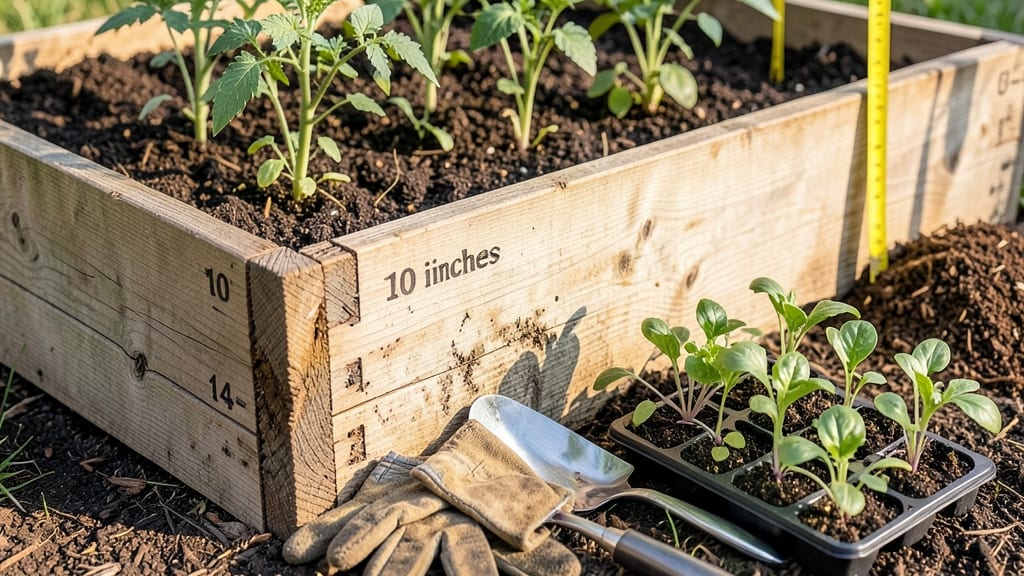
The ideal raised bed height for vegetables is 6 to 12 inches deep, providing enough root space for most plants while keeping soil accessible. Taller beds (up to 18 inches) suit deep-rooted crops like tomatoes or potatoes, but drainage and moisture retention must be carefully managed.
The right depth for your raised beds directly impacts plant health and your gardening experience. 🌱 Most leafy greens and herbs thrive in beds just 6-10 inches deep, while root vegetables like carrots need at least 12 inches to develop properly.
I've found that taller beds (14-18 inches) work best for heavy feeders like corn or potatoes, but they require extra attention to soil moisture since deeper beds dry out faster.
The key is balancing root space with your ability to reach the soil—nothing ruins a garden faster than struggling to tend to plants!
Another factor to consider is your local climate.
In colder regions, deeper beds provide better insulation for roots during winter, while in hotter areas, they help maintain cooler soil temperatures. 🌡️ If you're using raised beds for accessibility (like avoiding kneeling), opt for 10-12 inches—it's tall enough to reduce strain while still being manageable for most gardeners.
Just remember: the deeper the bed, the richer your soil mix needs to be to support plant growth all the way down.
💡 In This Article
- How Raised Bed Depth Affects Root Growth and Soil Health
- Choosing the Best Raised Bed Height for Your Vegetable Garden
How raised bed depth affects root growth and soil health
Root growth thrives when raised bed depth matches a plant's natural root zone requirements. Most vegetables have roots that extend 6-12 inches deep, which is why standard beds in this range work perfectly for leafy greens like lettuce or spinach.
The science here involves oxygen availability—deeper beds allow roots to access more aerated soil, while shallower beds risk compaction that restricts growth. For example, carrots need at least 12 inches to develop their full length, while strawberries only require 6-8 inches to flourish.
Moisture retention becomes critical as depth increases. A 6-inch bed dries out quickly in hot climates, requiring daily watering, while an 18-inch bed can stay moist for weeks but may develop anaerobic pockets at the bottom where roots suffocate.
The ideal balance is maintaining consistent moisture throughout the root zone—this is why many gardeners use a 10-12 inch depth that accommodates most vegetables while allowing proper drainage. 💧
Soil composition plays a vital role too. Deeper beds need a rich, well-draining mix that extends all the way down—typically a blend of 60% topsoil, 30% compost, and 10% perlite or sand.
The top 6 inches should be the most fertile, as this is where most root activity occurs.
For heavy feeders like tomatoes, the deeper layers should include additional organic matter to support their extensive root systems, which can spread up to 3 feet wide while only growing 18-24 inches deep.
Temperature regulation varies with depth too. Shallow beds (6 inches) heat up faster in summer, potentially stressing heat-sensitive plants like peas, while deeper beds (12+ inches) maintain more stable temperatures year-round.
This is why cold-hardy crops like kale perform better in deeper beds—they provide better insulation against winter frosts. The deeper the bed, the more thermal mass it has to moderate soil temperature fluctuations.
Consider this comparison: a 6-inch bed might work for radishes but fail for potatoes, which need 12-18 inches to develop properly. The root system of a potato plant can spread horizontally up to 3 feet while growing vertically, making depth just as important as width.
For root vegetables, deeper beds prevent forked or stunted growth caused by hitting the bed's bottom too soon.
One common misconception is that taller always means better. While deeper beds accommodate more plants, they also require more maintenance—especially when it comes to watering and fertilizing. The deeper you go, the more critical it becomes to ensure nutrients reach the lower layers where roots may eventually grow.
This often means using drip irrigation systems or soaker hoses rather than surface watering.
For most home gardeners, starting with 10-12 inch beds offers the best compromise—enough depth for most vegetables while remaining manageable for planting, weeding, and harvesting. The key is understanding your specific crops' needs and adjusting accordingly. 🌱