
Planting
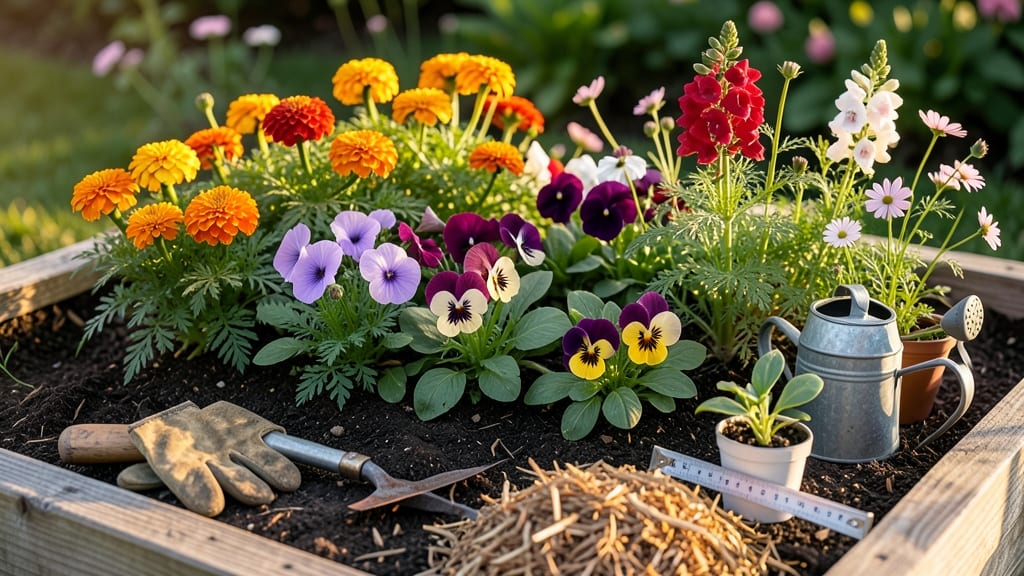
How to plant a flower bed for beginners doesn’t have to be overwhelming—just follow these simple steps to transform a patch of dirt into a vibrant, low-maintenance garden in under an hour. 🌸 I started with a bare spot in my backyard and turned it into a colorful, pollinator-friendly retreat that now draws neighbors to stop and admire it. The key is preparation: good soil, the right plants, and a little patience to let everything settle in.
You'll need basic tools—a shovel, gloves, and a rake—and a handful of plants that thrive in your climate. Beginners should stick to perennials for long-term beauty and annuals for quick color, spacing them according to their mature size.
Dig holes just deep enough to cover the roots, then water thoroughly to help them establish. Most mistakes come from overcrowding or planting too deep, so double-check those labels before you tuck them into the soil.
By the time you're done, you'll have a bed that looks intentional, not haphazard. The first few weeks are critical—water consistently to keep the soil moist but not soggy, and watch for wilting leaves.
Within a month, you'll see new growth, and by summer, your flower bed will be the envy of the block. The best part? Once established, these plants need minimal care beyond occasional deadheading and seasonal mulching.
This method works for any size bed, from a small border to a full backyard garden. Start small if you're unsure, and expand next year. The confidence you gain from your first project will make every subsequent garden feel like a breeze.
Ready to get started? Let's make that empty space sing with color.
📚 In This Guide
- What you need
- Instructions
- Tips and common mistakes
- Wrapping up and next steps
What you need
- ● Garden soil or potting mix: 1–2 bags (50 lbs each), depending on bed size. Look for a well-draining blend with compost for nutrients.
- ● Mulch: 2–3 bags (shredded bark, straw, or pine needles). Aim for 2–4 inches of coverage.
- ● Flowers/seeds: Choose beginner-friendly plants like marigolds, sunflowers, or petunias (check seed packets for spacing needs).
- ● Gloves: 1 pair (gardening or work gloves to protect your hands).
- ● Watering can or hose: With a spray nozzle for gentle watering.
- ● Hand trowel or small shovel: For digging and transplanting.
- ● Pruners or scissors: For trimming dead foliage or seed packets.
- ● Measuring tape or ruler: To mark spacing between plants.
- ○ Stakes or labels: (Optional but helpful) To mark plant locations.
- ● Knee pads: For comfort during long digging sessions.
- ● Garden hose with adjustable nozzle: For deeper watering.
- ● Soil pH tester: To check if your soil needs amendments (like lime or sulfur).
- ● Compost or fertilizer: For extra nutrients (follow package instructions!).
- ● Garden twine: To create temporary trellises for climbing plants.
How to plant a flower bed for beginners: step-by-step success in minutes
Let's create a beautiful, low-maintenance flower bed that thrives from day one.
🪴 Step 1: Choose and Prepare Your Flower Bed Location
Pick a spot that gets at least 6 hours of sunlight daily—most flowers need full sun to bloom their best. I like to sketch a rough outline with garden flags or spray paint to visualize the space before digging. Mark the area with a 4-foot wide by 8-foot long rectangle (adjust based on your space) to keep it manageable for beginners.
Remove any grass, weeds, or debris from the area using a shovel or garden fork. Dig down about 6-8 inches deep to loosen the soil. If your soil is heavy clay or sandy, mix in 2-3 inches of compost to improve drainage and fertility. This step ensures your flowers have room to grow strong roots without competing with weeds.
🌱 Step 2: Plan Your Flower Layout for Long-Lasting Color
Group plants by height and bloom time for a polished look. Place taller flowers like black-eyed Susans or coneflowers at the back, medium-height like daylilies or salvia in the middle, and shorter varieties like pansies or marigolds at the front. Space plants 12-18 inches apart to give them room to grow without overcrowding.
I like to draw a simple grid on paper first—this helps visualize how colors will blend. For a beginner-friendly mix, choose perennials (like black-eyed Susans) alongside annuals (like petunias) for instant color and long-term beauty. Dig small holes just deep enough to cover the roots of each plant after placing it in the bed.
💧 Step 3: Plant Your Flowers with Care
Gently remove each plant from its container and loosen the roots if they’re circling tightly. Place the plant in its hole so the top of the root ball sits just below soil level—burying the stem too deep can cause rot, while planting too high stresses the plant. Fill the hole with soil and press lightly around the base to remove air pockets.
Water each plant deeply right after planting to settle the soil and encourage root growth. Use a watering can or hose with a gentle spray to avoid dislodging the plants. I like to water until the soil is 1-2 inches deep and slightly damp—this helps roots establish quickly. Mulch around the base with 1-2 inches of organic mulch to retain moisture and suppress weeds.
☀️ Step 4: Maintain Your Flower Bed for Continuous Blooms
Water your new flower bed 1-2 times per week (more in hot weather) until plants are established. Check the soil with your finger—if the top 1 inch feels dry, it’s time to water. Avoid overhead watering in the evening to prevent fungal diseases like powdery mildew.
Deadhead spent blooms regularly to encourage more flowers and keep the bed looking neat. I like to do this on a Sunday afternoon when I can relax and enjoy the process. Fertilize lightly every 4-6 weeks with a balanced, slow-release fertilizer to keep plants healthy and vibrant. With proper care, your flower bed will reward you with color and beauty all season long.
Tips & tricks for perfect flower bed planting
Here's what I've learned from years of gardening mistakes—and how to avoid them.
Sunlight is Non-Negotiable: That 6 hours of sunlight requirement isn't just a suggestion—it's the difference between vibrant blooms and struggling plants. I've seen beginners plant shade-loving ferns in full sun and watch them wilt. Check your yard's sunlight patterns throughout the day using a simple app or by observing where shadows fall at different times. Morning sun is gentler than afternoon heat, so position delicate flowers on the east side if possible.
Soil Prep Makes All the Difference: When I first started gardening, I skipped the 6-8 inch deep digging and just scratched the surface. My plants struggled because the roots couldn't penetrate compacted soil. Use a garden fork to break up soil clumps thoroughly—think of it like fluffing a pillow for your plants. For heavy clay soil, mix in that 2-3 inches of compost and let it sit for a week before planting to give the soil time to integrate properly.
Planting Depth Matters More Than You Think: The just below soil level rule isn't arbitrary—it's about finding that sweet spot where roots can access moisture but stems stay healthy. I learned this the hard way when I buried stems too deep and watched them rot. Press your finger about an inch into the soil after planting to check depth. For container plants, the soil line on the pot is your guide—plant so it matches the surrounding soil level.
Watering Wisdom: Those 1-2 inches deep of water after planting aren't just about settling soil—they're about creating an oxygen-rich environment for roots to establish. I use the "poke test" to check moisture: stick your finger an inch into the soil. If it feels dry at the top but moist below, you're watering just right. In hot weather, I increase to every other day, but always check before watering—overwatering can be just as harmful as underwatering.
Pro Tips for Plant A Flower Bed For Beginners
- Here's what I've learned from years of gardening mistakes—and how to avoid them.
- Sunlight is Non-Negotiable: That 6 hours of sunlight requirement isn't just a suggestion—it's the difference between vibrant blooms and struggling plants.
- Soil Prep Makes All the Difference: When I first started gardening, I skipped the 6-8 inch deep digging and just scratched the surface.
Frequently asked questions
Got questions? You’re not alone! Planting a flower bed can feel overwhelming at first, but we’ve got answers to the most common concerns—so you can dive in with confidence.
What’s the best time of year to plant a flower bed?
The ideal time depends on your climate, but spring (after the last frost) and early fall are the sweet spots. These seasons offer mild weather, reducing stress on new plants. In warm climates, winter planting can work too—just avoid extreme heat! Check your local frost dates for precision.
How often should I water my new flower bed?
Newly planted flowers need consistent moisture—water deeply 2-3 times per week for the first month, aiming for 1 inch of water per week. After that, adjust based on rainfall. Pro tip: Water in the morning to reduce evaporation and fungal risks. Mulch helps retain moisture!
Can I use weeds or grass clippings as mulch?
Not ideal! Weeds can spread seeds, and fresh grass clippings may mat or attract pests. Instead, opt for straw, shredded leaves, or wood chips. If using grass clippings, let them dry for 24 hours first to avoid heat buildup. A 2-3 inch layer is perfect for moisture retention.
How do I keep pests away from my flower bed?
Prevention is key! Start with healthy soil (rich in compost) to boost plant resilience. Use organic pest control like neem oil, diatomaceous earth, or companion planting (e.g., marigolds repel pests). Avoid overwatering, which attracts slugs and snails. If pests strike, handpick or use soapy water sprays for mild infestations.
What if my flower bed looks uneven or messy after planting?
Don’t stress—it’s normal! Step back and assess: Fill gaps with extra soil or mulch, and trim any overgrown plants. For a polished look, water thoroughly to settle the soil, then lightly rake the surface. Over time, as plants grow, the bed will fill in naturally. Patience is your friend!
Still stumped? Drop your question in the comments—we’re happy to help!
Wrapping up and next steps
You’ve got everything you need to create a stunning flower bed—no green thumb required! 🌸 By choosing the right location, prepping the soil, and selecting the perfect plants, you’re well on your way to a vibrant outdoor space.
Remember, gardening is a journey, and even small steps lead to big rewards.
Ready to dive in? Start by sketching your design or picking a few easy-care plants to build confidence. Soon, you’ll be enjoying the fruits (and blooms!) of your labor—one petal at a time! 🌱