
Mower
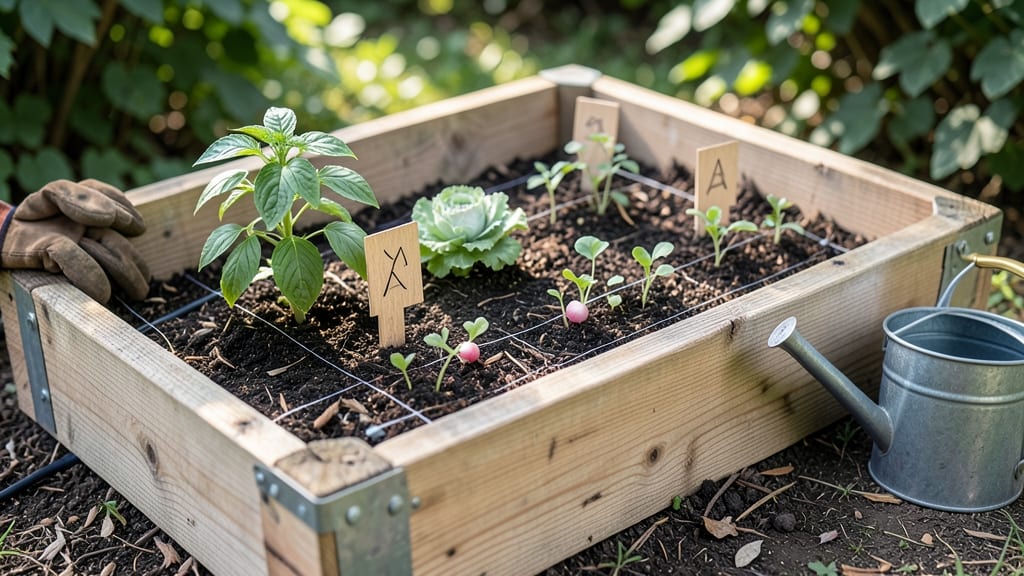
Finding the ideal raised bed size means balancing 4-foot widths with your back's comfort and plant spacing needs—because nothing kills a garden faster than reaching too far or crowding roots. 🌱 I learned this the hard way after building a 6-foot monster that left me with sore shoulders and stunted zucchini.
The magic number? 3–4 feet wide at most, with lengths that fit your space without forcing awkward paths.
Plant spacing dictates the rest: a 4x8-foot bed fits a full family's veggies (tomatoes, peppers, greens) while keeping soil rich and weeds manageable. For herbs or flowers, shrink to 2x4 feet—smaller beds dry out faster but stay tidy.
Pro tip: Soil depth matters too—12 inches is the sweet spot for most roots, but deep-loving veggies like carrots need 18 inches to stretch their legs.
You’ll end up with a layout that’s easy to reach every corner (no more bending or stretching) and maximizes harvests without overcrowding. The right size also means less weeding, better air circulation, and soil that stays moist longer—because a well-proportioned bed is basically a self-watering dream.
Think of it as gardening ergonomics: happy you, happy plants.
Adapt this for small patios, large backyards, or even vertical setups—the principles stay the same. Start with a 4x4 bed if you're unsure, then expand as you master the spacing.
And remember: No bed is too small if you plan right. Even a 2x3-foot plot can feed two people with the right crops.
📚 In This Guide
- What you need
- Instructions
- Tips and common mistakes
- Wrapping up and next steps
What you need
- ● Lumber: Pressure-treated cedar, redwood, or composite wood (e.g., 2x6x8’ or 2x8x8’ boards). For a 4’ x 8’ bed, you’ll need 8 pieces (4 long sides, 4 short ends).
- ● Corner brackets or screws: Galvanized or stainless steel (e.g., 2.5” deck screws, 16–20 per bed).
- ● Landscape fabric: Heavy-duty (30–45 lb. test) to suppress weeds (cut to bed size + 6” overhang).
- ● Soil mix: High-quality garden soil or a blend of 60% topsoil, 30% compost, and 10% perlite/sand (1–2 cubic yards for a 4’ x 8’ x 12” bed).
- ○ Gravel or hardware cloth: 2–3” layer (optional but recommended for drainage and pest control).
- ● Measuring tape
- ● Circular saw or handsaw
- ● Drill/driver + drill bits
- ● Level
- ● Staple gun (for landscape fabric)
- ● Wheelbarrow (for soil)
- ● Gloves + safety glasses
- ● Bed frame kit: Pre-cut lumber sets for quick assembly.
- ● Drip irrigation system: Save time with automated watering.
- ● Timber screws: For extra durability (vs. brackets).
- ● Paint/stain: To protect wood and add curb appeal.
Step-by-step guide to planning your perfect raised bed dimensions
Here's how to calculate the ideal raised bed size for your space and gardening goals.
📏 Step 1: Determine Your Available Space and Accessibility
Measure your garden area first—raised beds should fit comfortably within your reach without crowding. A 4-foot width (the ideal dimension) lets you reach the center from either side without stepping inside. For longer beds, keep them under 8 feet to prevent soil compaction from walking on them. I always mark the space with stakes before digging, so I can visualize the layout clearly.
Consider your pathways too—leave at least 2 feet of clear space around each bed for easy maintenance. If you're working with limited space, opt for 2-foot-wide beds along fences or walls, but be prepared for more frequent weeding from the sides. The key is always prioritizing accessibility over maximizing square footage.
🌱 Step 2: Calculate Depth Based on Plant Types
Standard 12-inch depth works for most vegetables, herbs, and shallow-rooted plants like lettuce and carrots. For deeper-rooted crops like tomatoes, potatoes, or asparagus, extend the depth to 18-24 inches. I like to build my beds with 16-inch depth as a compromise—deep enough for most crops but still manageable to construct.
Check your soil quality too. If your native soil is rocky or clay-heavy, you'll need at least 12 inches of quality amended soil to create a proper growing environment. For intensive planting, like growing potatoes or squash, I add an extra 6 inches of compost-rich mix at the bottom to ensure strong root development.
✂️ Step 3: Design for Optimal Plant Arrangement
Plan your bed dimensions to accommodate plant spacing and crop rotation. A 4x8-foot bed gives you enough space to grow two rows of most vegetables with proper airflow between plants. For example, tomatoes need 18-24 inches between plants, while carrots can be spaced 2-3 inches apart in rows 12 inches apart.
Divide your bed into sections if you're growing diverse crops. I use wooden boards or landscape fabric to create 2-foot-wide planting zones within larger beds. This makes it easier to rotate crops annually and prevents soil depletion. Always leave 6-12 inches of space between different plant families to reduce disease spread.
🪴 Step 4: Choose Materials and Build for Longevity
Select materials based on your bed dimensions—untreated cedar or redwood resists rot well and lasts 10-15 years for 4x8-foot beds. For taller beds (over 12 inches), use 2x6 or 2x8 lumber to prevent warping. I reinforce corners with galvanized screws and add landscape fabric at the bottom to block weeds and grass from invading.
For larger beds (over 6 feet long), add support beams every 4 feet to prevent sagging. If you're building multiple beds, space them 3 feet apart for easy access with a wheelbarrow. Always leave 4 inches of space between the bed frame and the ground to improve drainage and prevent rot.
☀️ Step 5: Test and Adjust for Sun Exposure
Observe your garden's sunlight patterns before finalizing dimensions. Most vegetables need 6-8 hours of direct sun, so position your beds where they'll get the most light. A 4x8-foot bed oriented north-south maximizes sun exposure in both summer and winter. If your space gets partial shade, prioritize sun-loving plants in the southern half of the bed.
Use a sunlight tracker for a week to map your garden's light conditions. Adjust your bed layout if needed—sometimes shifting a bed 1 foot east or west makes a big difference in plant performance. I always plant taller crops (like corn or sunflowers) on the north side of the bed to avoid shading smaller plants.
Tips & tricks for perfect raised bed dimensions
Common pitfalls—and how to sidestep every one—when designing your raised garden beds.
Accessibility First: The 4-foot width isn't just a suggestion—it's the gold standard for a reason. If you build wider, you'll find yourself stepping into the bed to reach the center, which compacts soil and makes maintenance harder. For longer beds, I've found that 8 feet is the absolute maximum before you need to add support beams every 4 feet to prevent sagging. Trust me on this: a 4x8-foot bed gives you the perfect balance of space and accessibility without requiring heavy-duty construction.
Depth Matters More Than You Think: That 12-inch standard depth works for most vegetables, but here's what nobody tells you—if you're growing potatoes or squash, you'll need to extend that to 18-24 inches. I've seen gardeners skimp on depth only to have their potatoes grow half-buried in the ground. For intensive planting, add an extra 6 inches of compost-rich mix at the bottom to give roots room to develop properly. This is especially important if your native soil is rocky or clay-heavy.
Sunlight Strategy: The 6-8 hours of direct sun recommendation is non-negotiable for most vegetables, but here's my pro tip: use a sunlight tracker for a week before finalizing your layout. You might discover that shifting your bed just 1 foot east or west makes all the difference in plant performance. I always plant taller crops like corn or sunflowers on the north side of the bed to prevent them from shading smaller plants in the southern half.
Material Selection: Untreated cedar or redwood is your best bet for longevity, but here's what I learned the hard way: if you're building taller beds (over 12 inches), switch to 2x6 or 2x8 lumber to prevent warping. I've seen beautiful beds collapse under their own weight when built with inadequate support. Also, don't forget to leave that 4-inch gap between the bed frame and the ground—it improves drainage and prevents rot that can shorten your bed's lifespan from 10-15 years to just a few seasons.
Pro Tips for Ideal Raised Bed Size
- Common pitfalls—and how to sidestep every one—when designing your raised garden beds.
- Accessibility First: The 4-foot width isn't just a suggestion—it's the gold standard for a reason.
- Depth Matters More Than You Think: That 12-inch standard depth works for most vegetables, but here's what nobody tells you—if you're growing potatoes or squash, you'll need to extend that to 18-24 inches.
Frequently asked questions
Got questions about finding the ideal raised bed size for your garden? You’re not alone! Here are some of the most common concerns—and their answers—to help you plan like a pro.
What’s the best raised bed size for beginners?
Start with a 4’ x 8’ bed—it’s manageable, fits most tools, and maximizes space efficiently. This size balances productivity (enough room for 16 plants) with ease of reach (no deep digging or stretching). Pro tip: Add a 3’ x 6’ companion bed for herbs or salad greens if you’re tight on space!
Can raised beds be too big?
Yes! Beds wider than 4’ force you to step inside (compacting soil) or stretch awkwardly. For long beds, keep them under 12’ long—any longer makes watering and harvesting a hassle. Split into sections if needed, or use 4’ x 4’ square beds for intimacy.
How long does it take to build a raised bed?
Most DIY beds take 1–4 hours, depending on materials. A simple 4’ x 8’ cedar bed requires ~2 hours (cutting lumber, assembling, filling soil). Pre-cut kits or composite materials speed it up. Don’t rush soil prep—2–3 weeks to layer (cardboard, compost, topsoil) prevents rot.
What if my yard is small? Are there alternatives?
Try vertical gardening (trellises for beans/tomatoes) or stacked planters (for herbs/peppers). For ground space, use 2’ x 2’ square-foot gardening—perfect for balconies or patios. Even a 1’ x 3’ window box works for microgreens!
How do I prevent pests in larger raised beds?
Use physical barriers (row covers, chicken wire for burrowing pests) and companion planting (marigolds deter nematodes). For bugs, try neem oil or introduce beneficial insects (ladybugs, praying mantises). Keep beds 3’ apart for airflow—crowding invites pests.
Wrapping up and next steps
Choosing the ideal raised bed size is all about balancing space, yield, and ease of maintenance—whether you're a seasoned gardener or just starting out! 🌱 The right dimensions (like 4’ x 8’ for accessibility or 3’ x 6’ for small spaces) can transform your gardening experience, making harvests bountiful and care effortless.
Now that you’re armed with the perfect measurements, roll up your sleeves and get planting! Your future veggies will thank you—literally.
Ready to take the next step? Sketch your garden layout, gather your materials, and start building (or upgrading!) your raised beds today. Happy gardening!