
How To
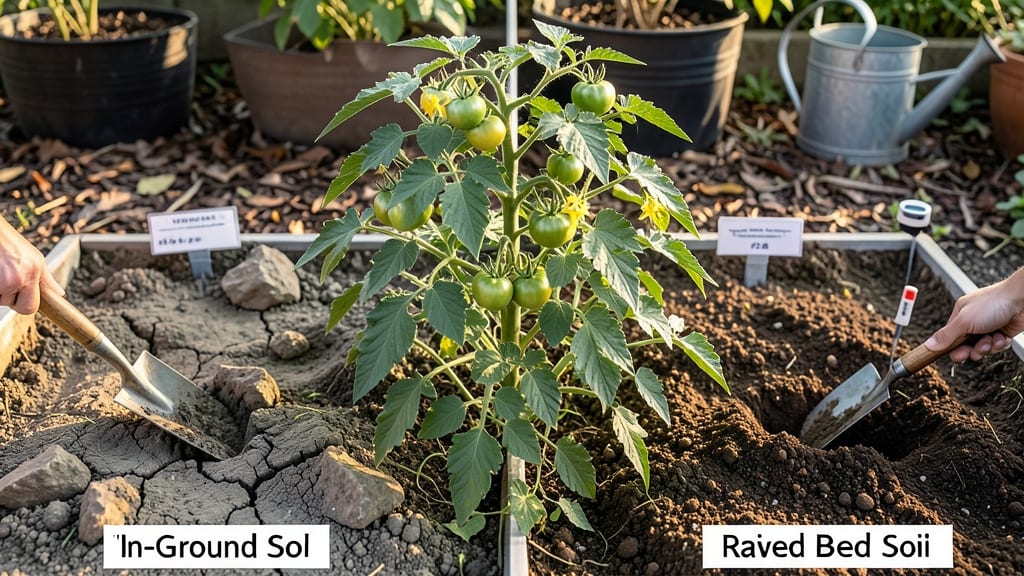
The battle for the best soil happens below ground—or above it, if you're building raised beds. 🌱 I've dug into both methods to uncover which gives your plants the ideal mix of drainage, nutrients, and room to grow, and the answer might surprise you.
In-ground soil is what nature provides—layered, complex, and full of life—but it often needs amending for vegetables. Raised beds offer perfect control: loose, well-draining mixes that warm faster in spring, but they require more upfront effort.
My zucchini thrives in raised beds, while my tomatoes stretch their roots deep in the native soil.
You'll find that raised beds win for early harvests and delicate plants, while in-ground soil excels for deep-rooted crops like asparagus or fruit trees. The key difference?
Raised beds let you customize the mix—sandy loam for drainage, compost for nutrients—while in-ground soil relies on what's already there (and what you're willing to add).
For small spaces or heavy clay, raised beds are the clear choice. But if you're growing perennials or have deep, fertile native soil, in-ground might be the simpler path. Here's how to decide which works best for your garden—and your plants.
The first option explained
Option A: In-Ground Soil 🌱🌿
In-ground soil is the traditional choice for gardening, where plants thrive directly in the natural earth of your yard. This method leverages the existing soil composition, which can vary widely depending on your location—from sandy and fast-draining to clay-heavy and moisture-retentive. Here’s what makes in-ground soil unique:
Key Characteristics
- Natural Composition: Soil is a mix of minerals, organic matter, and microorganisms, shaped over time by climate, weather, and local ecosystems.
- Depth and Space: Roots can spread extensively, accessing deeper water and nutrient reserves, ideal for large plants like fruit trees or deep-rooted vegetables.
- Cost-Effective: No need for additional materials like wood or rocks; you’re working with what’s already there.
Benefits
- Eco-Friendly: Minimal disruption to the natural environment, and you’re not introducing foreign materials.
- Long-Term Stability: Once established, in-ground gardens require less maintenance (like refilling or rebuilding) compared to raised beds.
- Ideal for Perennials: Plants like asparagus, rhubarb, or berry bushes benefit from the permanent, undisturbed soil.
Typical Use Cases
In-ground soil is perfect for:
- Large-scale vegetable gardens (e.g., corn, potatoes, or squash).
- Fruit orchards or vineyards where roots need to delve deep.
- Established landscapes with mature plants that don’t need frequent soil amendments.
- Budget-conscious gardeners who want to avoid the upfront cost of raised beds.
Pro Tip: 💡 If your in-ground soil is poor, consider amending it with compost or organic matter to boost fertility and drainage before planting!
The second option explained
Raised bed soil is a game-changer for gardeners who crave control, convenience, and customization—without the hassle of digging into the ground. 🌱✨ Unlike in-ground planting, raised beds let you build a soil profile tailored to your plants' needs, often in layers that mimic nature's own composting magic. Here’s why this option might be your garden’s best friend.
Key Characteristics
- Soil Composition: Typically a mix of topsoil, compost, peat moss, and organic matter, allowing for better aeration and moisture retention than native soil.
- Depth: Standard raised beds are 6–12 inches deep (ideal for most vegetables), while deeper beds (18+ inches) support root crops like potatoes or carrots.
- Drainage: Excellent—excess water drains quickly through the sides, reducing root rot risks (a common issue in heavy clay or compacted ground soil).
- Warm-Up Speed: Soil warms earlier in spring than in-ground plots, giving you a head start on planting.
Top Benefits
Raised beds are the Swiss Army knife of gardening—versatile, low-maintenance, and packed with perks:
- 🌿 Fewer Weeds & Pests: Elevated edges deter invasive weeds, and the contained space limits critter access (fewer moles, gophers, or slugs!).
- 💧 Water Efficiency: Less water evaporates, and drip irrigation works like a dream (no more guessing if your tomatoes are thirsty!).
- 🛠️ Accessibility: No more bending or kneeling—perfect for backyards, balconies, or urban gardens with limited space.
- 🔄 Soil Renewal: Swap out or refresh soil annually for peak fertility, unlike in-ground plots where soil quality degrades over time.
Typical Use Cases
Raised beds shine in scenarios where control, speed, or adaptability matters most:
| Situation | Why Raised Beds Win |
|---|---|
| Poor or Compacted Soil: Sandy, rocky, or clay-heavy yards? Build your own fertile paradise. | Custom soil blends outperform native ground soil in structure and nutrients. |
| Small Spaces: Balconies, patios, or tiny yards. | Maximize vertical and square footage with compact, high-yield beds. |
| Urban or Renters’ Gardens: No digging required—just fill and plant! | Avoid permaculture restrictions; move beds if you relocate. |
| Specialty Crops: Strawberries, herbs, or delicate flowers. | Prevent soil-borne diseases and customize pH/fertility for picky plants. |
Pro Tip: 💡 For long-term success, layer your raised bed soil with carbon-rich materials (straw, leaves) at the bottom, followed by nitrogen-rich compost and topsoil. This "lasagna method" mimics forest floor ecology and keeps nutrients locked in!
Key differences
🌱 Drainage & Water Management
When it comes to water flow, in-ground soil often wins by default—thanks to natural subsoil layers that act like built-in drainage systems. Clay-heavy soils may hold moisture longer, while sandy soils let water rush through too fast, but most native soils strike a balance.
Raised beds, however, give you full control over drainage.
By mixing in compost, perlite, or coarse sand, you can customize the texture to prevent waterlogging or drought stress. Pro tip: If your raised bed lacks drainage holes, add them or layer landscape fabric at the bottom to avoid soggy roots!
🌿 Nutrient Retention & Soil Quality
In-ground soil is a mixed bag—it may be nutrient-rich from years of organic matter (like decomposed leaves or worms), but it can also be depleted or contaminated by synthetic fertilizers or pollutants. Raised beds, however, let you start fresh with high-quality, sterile soil blends.
You can tailor the mix to your plants' needs (e.g., peat moss + compost for acid-loving blueberries or sandy loam for root veggies). Key difference: In-ground soil improves over time with amendments, while raised beds require ongoing maintenance to replenish nutrients.
🌍 Root Space & Depth
For deep-rooted plants like tomatoes, corn, or fruit trees, in-ground soil is the clear winner—roots can spread unrestricted into the native subsoil, accessing water and nutrients far below the surface.
Raised beds, however, are typically 6–12 inches deep, which can limit growth for larger plants. Workaround: If you choose raised beds, opt for taller frames (18"+ deep) or plant shallow-rooted crops (herbs, lettuce, strawberries) to maximize space.
🔄 Ease of Soil Amendment & Maintenance
Tilling or amending in-ground soil can be a labor-intensive chore, especially if the soil is compacted or rocky.
Raised beds, on the other hand, make soil prep a breeze—just top-dress with compost or fertilizer and mix it in with a fork. Bonus: Raised beds warm up faster in spring, giving you an earlier planting window for cool-season crops like peas or spinach.
However, in-ground soil benefits from natural microbial activity over time, which can boost long-term fertility.
💰 Cost & Long-Term Investment
| Factor | In-Ground Soil | Raised Bed Soil |
|---|---|---|
| Initial Setup Cost | Low (just amend existing soil) | Moderate-High (soil mix + bed materials) |
| Ongoing Costs | Low (occasional compost/fertilizer) | Moderate (annual soil replenishment) |
| Longevity | Improves over decades with care | Depends on soil quality—may degrade faster |
Bottom line: In-ground soil is cheaper upfront but may need more work, while raised beds cost more initially but offer predictable, high-quality growing conditions.
When to choose which
Choosing between in-ground soil and raised bed soil depends on your garden’s needs, your goals, and even your physical limitations. Here’s when each option shines:
🌱 Opt for In-Ground Soil When...
- You’re planting large, sprawling crops: Trees, shrubs, and vines like grapes or berries thrive with the extra root space in-ground soil provides. 🌳
- Your soil is already healthy: If your native soil drains well, retains moisture, and is rich in organic matter, there’s no need to overcomplicate things. A simple soil test can confirm!
- You’re on a budget: In-ground gardening requires no extra materials—just time and effort to amend the soil. 💰
- You want low maintenance: No frames to build, no borders to secure—just dig, plant, and enjoy! (Though weeding may require more elbow grease.)
🏞️ Choose Raised Beds When...
- Your soil is poor or compacted: Raised beds let you customize the soil mix for perfect drainage, aeration, and nutrient density—ideal for clay, sandy, or rocky ground. 🔄
- You have limited space or mobility: Raised beds reduce bending and kneeling, making gardening accessible for all. Plus, they’re great for balconies or small yards! 🦽
- You want faster, warmer growing seasons: Raised beds heat up quicker in spring and stay warmer longer, giving plants a head start. ⏳
- Pest control is a priority: Elevated beds deter burrowing pests (like gophers or grubs) and keep critters from nibbling on your veggies. 🐰
- You’re growing in urban or contaminated areas: Raised beds let you avoid soil pollutants and create a clean, controlled environment. 🏙️
Pro Tip: 💡 If you’re torn, try a hybrid approach! Use raised beds for veggies and flowers while keeping in-ground space for perennials or large plants. The best garden is one that fits your lifestyle!
The bottom line
Choosing between in-ground vs. raised bed soil comes down to your garden’s needs and your personal preferences! In-ground soil offers natural, cost-effective growing conditions with deeper root space and better moisture retention—but requires more maintenance.
Raised beds, on the other hand, give you control over soil quality, drainage, and nutrients, making them ideal for beginners or small spaces. 🌱
If you prioritize low effort and native soil, in-ground may win. But if you want customizable, high-performance soil with less weeding, raised beds are the way to go. Test your soil, assess your space, and pick the option that aligns with your gardening goals!