
Plants
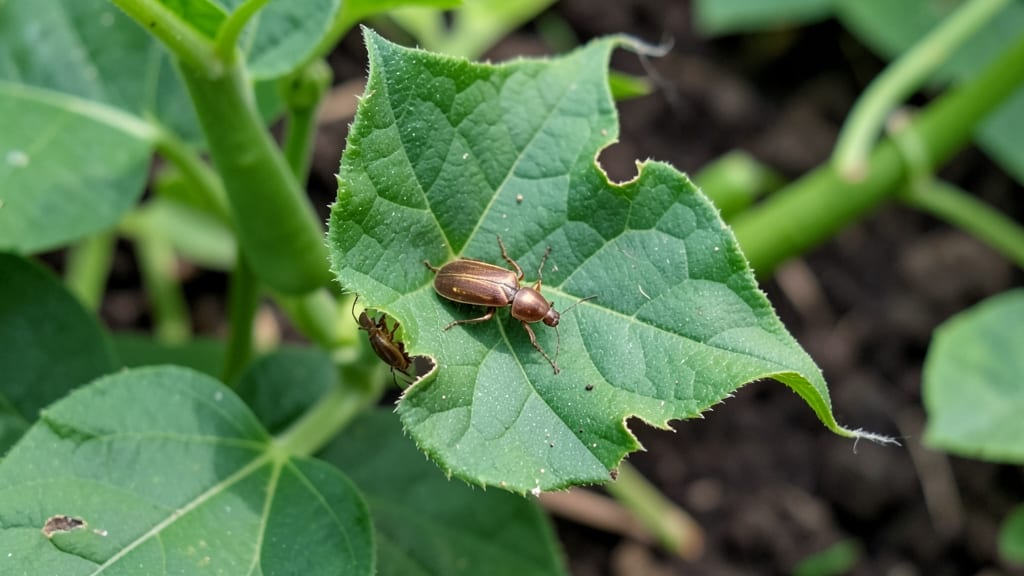
Spotting insects on green bean plants can feel like a betrayal after all that care—especially when aphids or Japanese beetles turn your harvest into a battleground. the worst offenders and how to stop them before they ruin your beans.
The biggest culprits are aphids (tiny green clusters), bean beetles (chewed leaves), and Japanese beetles (skeletonized foliage). These pests don’t just nibble—they spread diseases and stunt growth.
But here’s the good news: most can be handled with fast-acting organic fixes like neem oil, insecticidal soap, or even a strong spray of water.
Within 24-48 hours, you can see a noticeable difference if you act quickly. The plants will bounce back, leaves will stop curling, and you’ll still get that sweet, homegrown harvest. The secret is catching them early and using the right remedy for each type of pest.
This works for both bush and pole beans, no matter your garden size. Let’s get those bugs under control before they take over your plants.
Root Causes Of Bean Plant Invaders
Green beans are a gardener’s delight—until tiny, hungry pests arrive uninvited. Understanding why insects target your plants is the first step to reclaiming your harvest. Below, we break down the science behind these unplanned visitors and what makes your green beans so appealing.
Green beans are soft, nutrient-rich, and fast-growing—making them a buffet for insects. Here’s why they’re so tempting:
- High Water Content: Many pests, like aphids and bean beetles, seek out plants with plentiful moisture. Green beans store water efficiently in their leaves and pods, signaling to insects that they’re a reliable food source.
- Nitrogen-Rich Leaves: Beans are legumes, meaning they naturally fix nitrogen from the soil. This makes their foliage extra protein-packed—a magnet for chewing insects like Mexican bean beetles and loopers.
- Sweet Nectar & Pollen: Some insects, such as whiteflies and leafhoppers, are drawn to the sugary secretions (honeydew) produced by green beans. These secretions also attract ants, which "farm" the pests for their own food.
Insects thrive in specific climates, and green beans often grow in the perfect conditions for them:
- Warm Soil & Air: Many bean pests, like corn earworms and spider mites, prefer temperatures between 70–85°F (21–29°C). Green beans flourish in this range, creating an ideal breeding ground.
- High Humidity: Damp environments encourage fungal growth on plants, which some insects (like thrips) use as a food source. Overhead watering can also create puddles, attracting slugs and snails.
- Slow Airflow: Dense plantings or shaded areas trap heat and moisture, making it easier for pests to multiply. Poor ventilation also weakens plants, making them more susceptible to infestations.
Stressed or unhealthy green bean plants are like neon signs for pests. Common stressors include:
| Stressor | How It Attracts Pests |
|---|---|
| Overcrowding | Competition for nutrients weakens plants, making them easier targets for aphids and beetles. |
| Nutrient Deficiencies | Lack of potassium or phosphorus makes plants more vulnerable to borers and mites. |
| Fungal or Bacterial Infections | Damaged tissue (from diseases like powdery mildew) invites secondary pests like spider mites. |
| Poor Drainage | Root rot or waterlogged soil stresses plants, attracting predators like stink bugs. |
Some insects are simply timed to appear when green beans are at their most vulnerable:
- Early Season: Seedcorn maggots and cutworms target young seedlings, as tender new growth is their preferred meal.
- Mid-Season: Bean beetles and loopers peak when pods are forming, as they lay eggs on the most nutritious parts of the plant.
- Late Season: Aphids and whiteflies surge as plants mature, feeding on the sweet sap of ripe pods.
Knowing the why helps you disrupt the cycle. For example:
- 🌡️ Adjust planting times to avoid peak pest seasons (e.g., plant early or late in your climate zone).
- 🌱 Rotate crops to starve soil-borne pests of their favorite food source.
- 💦 Water at the base (not overhead) to reduce humidity around leaves.
Quick Fixes for Garden Pests
When insects invade your green bean plants, acting fast is key to protecting your harvest. Below are targeted solutions for common pests, paired with prevention tips to keep your garden thriving. Whether you're dealing with chewers, suckers, or leaf-munchers, these methods are practical and easy to implement.
Mexican bean beetles and their larvae devour leaves, leaving skeletonized foliage behind. Here’s how to stop them:
🔥 Immediate Action: Handpick & Remove
- 👨🍳 Scan your plants daily, especially in the morning when beetles are sluggish.
- 🥘 Drop them into soapy water (1 tbsp dish soap per gallon) to kill them instantly.
- 🔪 For heavy infestations, use a strong stream of water to knock them off plants.
🌿 Natural Repellents
- 💡 Neem oil spray: Mix 1 tbsp neem oil + 1 tsp mild soap in 1 quart of water. Spray leaves thoroughly at dusk to avoid harming bees.
- 🌡️ Diatomaceous earth (DE): Sprinkle food-grade DE around plant bases and on leaves. It dehydrates insects but is harmless to plants.
- 🎯 Row covers: Use lightweight fabric covers to block beetles from laying eggs. Secure edges tightly to prevent entry.
✨ Prevention Tips
- 🌱 Rotate crops annually to disrupt beetle life cycles.
- 🍂 Clean up debris in fall to remove overwintering beetles.
- 🌿 Plant trap crops like buckwheat nearby to lure beetles away from beans.
Aphids cluster on new growth, draining nutrients and spreading viruses. Combat them with these steps:
🍳 Blast Them Away
- 🔥 Use a strong jet of water from a hose to dislodge aphids. Repeat every 2–3 days.
- 👨🍳 Introduce beneficial insects: Ladybugs, lacewings, and parasitic wasps eat aphids naturally. Purchase them online or from garden centers.
🥘 Homemade Sprays
- 💡 Soap spray: Mix 1 tsp castile soap in 1 quart of water. Spray directly on aphids (avoid flowering plants to protect pollinators).
- 🌡️ Garlic-chili spray: Blend 2 garlic cloves + 1 tbsp cayenne pepper in 1 quart of water. Strain and spray on infested areas.
🎯 Long-Term Control
- 🌿 Prune heavily infested leaves and dispose of them in sealed bags.
- 🌱 Interplant with herbs: Basil, mint, and dill repel aphids with their strong scents.
- ✨ Avoid over-fertilizing, as aphids thrive on tender, nitrogen-rich growth.
Japanese beetles skeletonize leaves and chew flowers, causing rapid damage. Act fast with these methods:
🔪 Trap & Trap Again
- 👨🍳 Set up Japanese beetle traps (with lures) far from your garden—they attract more beetles if placed nearby!
- 🥘 Handpick beetles into a bucket of soapy water, especially in the early morning.
🌿 Chemical-Free Deterrents
- 💡 Kaolin clay spray: Mix 1 tbsp Surround WP (kaolin clay) in 1 gallon of water. Sprays create a barrier that beetles avoid.
- 🌡️ Milky spore powder: Apply to soil to infect and kill beetle grubs before they emerge (takes 1–2 years to fully establish).
🎯 Cultural Controls
- 🌱 Plant beetle-resistant varieties like ‘Blue Lake’ or ‘Contender’ green beans.
- 🍂 Remove grass clumps (beetle grubs love them) within a 10-foot radius of your garden.
- ✨ Mulch with straw to discourage beetles from laying eggs in warm soil.
Spider mites are nearly invisible but cause stippling and webbing on leaves. Fight back with these steps:
🍳 Increase Humidity
- 🔥 Mist plants daily with water to deter mites, which thrive in dry conditions.
- 👨🍳 Place trays of water near plants to boost humidity naturally.
🥘 Natural Miticides
- 💡 Neem oil or insecticidal soap: Spray undersides of leaves where mites hide. Repeat every 5–7 days.
- 🌡️ Predatory mites: Release Phytoseiulus persimilis (sold online) to prey on spider mites.
🎯 Prevention Focus
- 🌿 Avoid overwatering, which stresses plants and attracts mites.
- 🌱 Use reflective mulch (like aluminum foil) to disorient mites.
- ✨ Inspect new plants before adding them to your garden—mites spread quickly!
With these targeted solutions, you can reclaim your green bean plants and enjoy a bountiful, pest-free harvest. Consistency is key—monitor your garden regularly and act at the first sign of trouble! 🌱💪
Frequently asked questions about garden pests on green beans
What are the most common insects attacking green bean plants?
The worst offenders include Mexican bean beetles (skeletonized leaves), aphids (tiny green clusters), Japanese beetles (chewed foliage), and spider mites (fine webbing). These pests target leaves, stems, and pods, often appearing in warm, humid conditions.
How do I tell if my green beans have spider mites?
Look for tiny yellow stipples on leaves, fine silver webbing on undersides, and a general "dusty" appearance. Spider mites thrive in dry heat, so check plants during droughts. Use a magnifying glass if needed—early signs are often missed.
Will neem oil work on all green bean pests?
Neem oil is effective against aphids, spider mites, and young beetles, but it won't kill adult Japanese beetles or Mexican bean beetles. For those, combine neem with handpicking or kaolin clay spray. Always apply at dusk to protect bees.
Can I still harvest beans if there are pests?
Yes, but focus on undamaged pods—avoid leaves with heavy chewing or webbing. Wash beans thoroughly before eating. If pests are severe, treat the plants first to prevent further spread to new growth.
Why do pests keep coming back even after treatment?
Pests often return due to new eggs hatching or reinfestation from nearby plants. Rotate treatments (e.g., neem oil one week, insecticidal soap the next), remove affected leaves, and use row covers for prevention.