
Watering
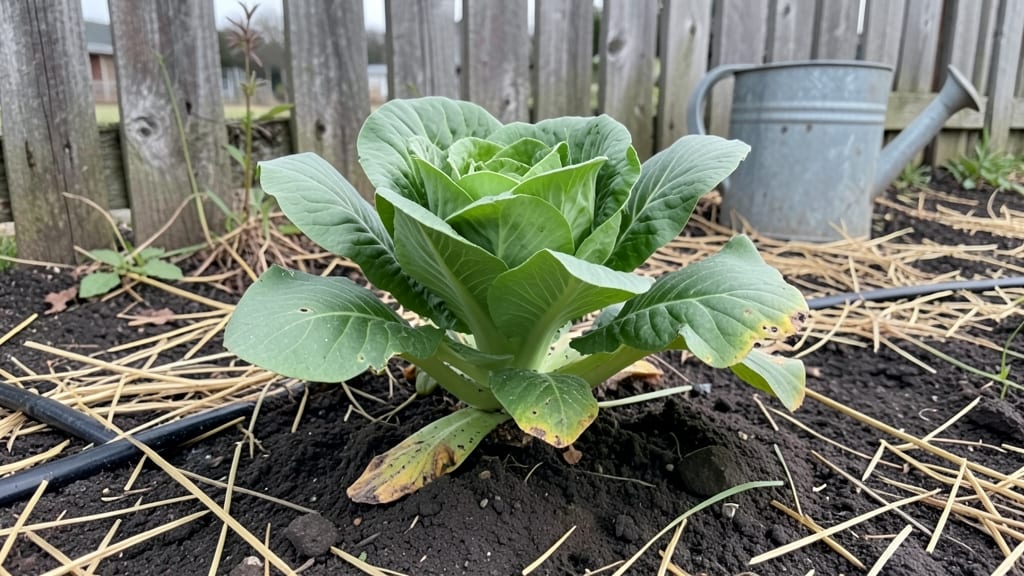
An irrigated garden bed keeps your plants thriving even when the weather turns dry—no more guessing if they’re getting enough water or watching them wilt in the heat.
Droughts can turn your garden dreams into a struggle—but what if you could automate water delivery while keeping soil perfectly moist? Irrigated garden beds are the game-changer for consistent, drought-proof growth without wasting water or time.
Whether you’re working with raised beds, in-ground plots, or containers, the right setup ensures your plants get just the right amount of moisture, every time. No more overwatering or underwatering—just healthy roots and happy harvests.
Below, I’ll walk you through the best irrigation methods, soil prep tips, and plant choices to maximize efficiency and beauty in your 🌱 irrigated garden bed.
How irrigated garden beds work: drip systems, reservoirs, and smart moisture control
Irrigated garden beds transform traditional gardening by delivering water precisely where plants need it most. Unlike manual watering, these systems use automated controls to maintain consistent moisture without overwatering. The key lies in combining irrigation methods with soil science to create an ecosystem where roots thrive without drowning.
At the heart of every irrigated bed is a water delivery system paired with a moisture reservoir. Some use drip irrigation for targeted watering, while others rely on wicking fabrics or hydrogel beads to store and release water gradually.
The magic happens when you match these systems to your soil type and plant needs—because sandy soil drains fast, while clay holds too much moisture.
Let’s break down the core components and how they work together to create the perfect growing environment for your plants.
🌱
| System Type | Water Delivery | Moisture Control | Best For | Installation Difficulty |
|---|---|---|---|---|
| Drip Irrigation | Slow, targeted drips | Adjustable emitters | Vegetables, herbs, large plants | Moderate |
| Wicking Beds | Capillary action | Fabric or hydrogel | Flowers, shallow-rooted plants | Easy |
| Reservoir Systems | Pump or gravity-fed | Floating valves | Trees, shrubs, large plots | Advanced |
| Smart Irrigation | Sensor-triggered | Soil moisture probes | All plants (high-tech) | Complex |
Drip irrigation is the most popular choice for irrigated garden beds because it delivers water directly to the root zone through low-pressure emitters. You can customize flow rates to match each plant’s needs—tomatoes might need 1 gallon per hour, while herbs thrive on just 0.5 gallons.
The system uses PE tubing with built-in filters to prevent clogs, ensuring efficient water use and minimal evaporation.
For wicking beds, a reservoir at the bottom feeds water upward through a wicking fabric (like landscape fabric) or hydrogel beads. This method is ideal for shallow-rooted plants like lettuce or strawberries, as it keeps the topsoil consistently moist without waterlogging.
The trade-off? You’ll need to refill the reservoir every 1-2 weeks depending on your climate.
Reservoir systems take irrigation to the next level by using a large water storage tank (like a 55-gallon drum) to feed multiple plants. A solar-powered pump or gravity feed circulates water through soaker hoses or drip lines.
These are perfect for large gardens or drought-prone areas, but they require more upfront setup, including backflow preventers and pressure regulators.
Smart moisture control takes automation further with soil sensors that monitor humidity levels and trigger irrigation when needed. Systems like Rachio or Netafim connect to your phone, letting you adjust schedules or override settings remotely.
This is overkill for small gardens but a game-changer for commercial growers or large-scale homesteads.
Balancing moisture retention with aeration is critical. For sandy soil, mix in organic matter like compost or coconut coir to hold water longer.
If your soil is clay-heavy, amend with perlite or vermiculite to improve drainage. Container gardens benefit from a 50/50 mix of potting soil and water-retentive crystals to prevent drying out.
Pro tip: Group plants with similar water needs together. Drought-tolerant succulents shouldn’t share space with water-loving ferns—or you’ll end up with one bed that’s too dry and another soggy. Use mulch (straw or wood chips) to reduce evaporation and keep roots cool.
💧
5 Proven soil moisture control hacks for irrigated beds in dry climates
Living in a dry climate doesn’t mean your irrigated garden bed has to suffer. With the right soil moisture control strategies, you can keep your plants thriving while using water efficiently. The key lies in combining smart irrigation with soil-enhancing techniques that lock in moisture where it’s needed most.
Many gardeners struggle with overwatering or underwatering—both of which stress plants and waste resources. But by implementing these proven hacks, you’ll create an environment where water stays available for roots while reducing evaporation and runoff. Let’s dive into the specifics.
- 1. Layer 3-4 inches of organic mulch (straw, wood chips) to block evaporation and regulate soil temperature.
- 2. Mix hydrogel crystals into soil to absorb and release water slowly—ideal for drought-resistant plants like lavender or rosemary.
- 3. Install a DIY moisture sensor (e.g., repurposed capacitor) to alert you when soil reaches 30-40% moisture—the sweet spot for most plants.
- 4. Choose deep-rooted perennials (e.g., agave, yucca) that naturally conserve water and outcompete weeds.
- 5. Use drip irrigation with emitters spaced 12-18 inches apart to deliver water directly to root zones, minimizing waste.
One of my favorite mulching materials is straw, because it breaks down slowly while suppressing weeds—a double win for water conservation. For hydrogel integration, I’ve seen gardeners reduce watering frequency by up to 50% without sacrificing plant health.
Just mix 1 cup of crystals per 10 square feet of bed before planting.
If you’re tech-savvy, a DIY moisture sensor made from a capacitor and LED can be wired to your irrigation system. When soil moisture drops below your set threshold, the LED lights up—no more guesswork! For non-tech solutions, simply group plants with similar water needs together to streamline irrigation.
For plant selection, prioritize native species or those labeled “drought-tolerant”. For example, succulents and ornamental grasses thrive with minimal water once established. Pair them with deep-watering techniques (e.g., soaker hoses) to encourage strong root systems that access moisture deeper in the soil.
Finally, always water in the early morning to reduce evaporation and fungal risks. With these soil moisture control hacks, your irrigated garden bed will stay lush even during the driest spells—no more wilting leaves or wasted water! 💧