
Landscaping
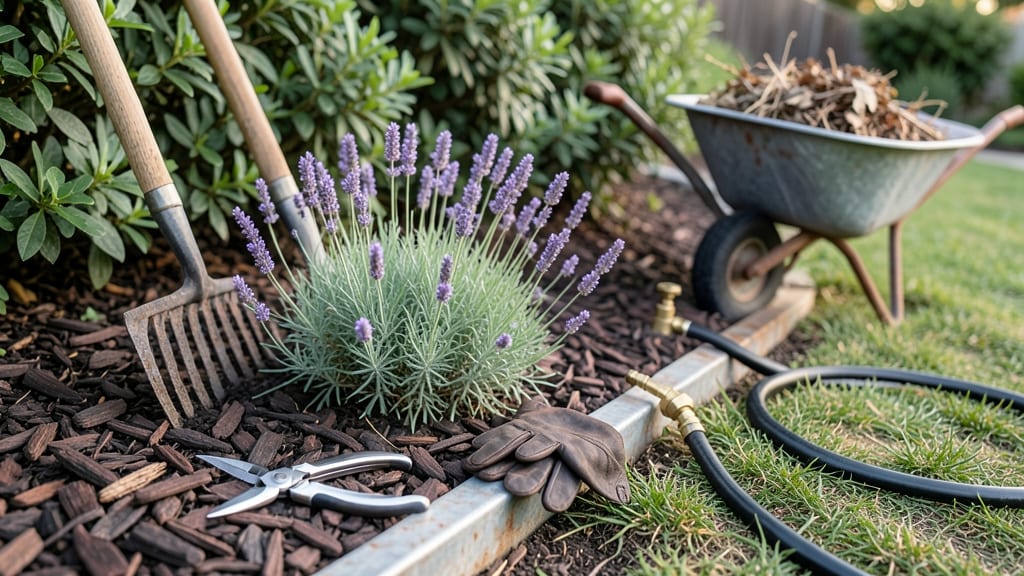
Your landscape beds could look effortlessly stunning year-round without spending hours deadheading. 🌿 The secret lies in smart plant selection, strategic mulching, and seasonal tweaks that keep everything thriving while cutting maintenance by half. I’ve transformed my own beds from high-maintenance headaches to low-effort showpieces using these simple systems.
Start with the right plants—perennials with long bloom times (like coneflowers or black-eyed Susans) and shrubs that hold interest year-round. A 3-inch layer of mulch suppresses weeds, retains moisture, and feeds the soil as it breaks down.
Prune strategically in late winter or early spring, shaping plants while they’re still dormant for cleaner regrowth.
Weeds? A 5-minute weekly sweep with a hoe or pre-emergent in early spring keeps them at bay. Adjust watering as seasons shift—deep soaks in summer, lighter touches in spring and fall. The result? Beds that stay lush, colorful, and neighborhood-approved with minimal daily effort.
This works for flower beds, vegetable patches, or mixed borders—just swap plants for your climate. The key is consistency: 10 minutes a week keeps your garden looking like it belongs in a magazine, not a backbreaking chore list.
📚 In This Guide
- What you need
- Instructions
- Tips and common mistakes
- Wrapping up and next steps
What you need
- ● Pruners: Bypass pruners (2 pairs) for clean cuts on stems and branches.
- ● Garden shears: Heavy-duty (1 pair) for trimming larger foliage or overgrown plants.
- ● Garden gloves: Durable, breathable pair (1-2) to protect hands from thorns and dirt.
- ● Hand trowel: Medium-sized (1) for weeding and edging in tight spaces.
- ● Rake: Bow rake (1) for clearing debris and leveling mulch.
- ● Hose with adjustable nozzle: For efficient watering and rinsing off tools.
- ● Mulch: 2-3 cubic yards (type depends on climate—pine straw, shredded bark, or gravel work well).
- ● Compost or fertilizer: Slow-release granular (1 bag) for seasonal feeding.
- ● Edging tool: Metal or plastic (1) to define bed borders neatly.
- ● Kneeling pad: For comfort during long sessions.
- ● Wheelbarrow: For hauling mulch, soil, or debris.
- ● Leaf blower: To quickly clear fallen leaves or light debris.
- ● Plant supports: Stakes or cages (if your beds include climbing plants).
- ● Soil tester kit: To check pH and nutrient levels before amending soil.
Instructions for year-round landscape bed care without the deadheading grind
Skip the weekly chores and still enjoy a vibrant, healthy landscape all season long.
🌿 Step 1: Assess and Plan Your Seasonal Maintenance Schedule
Start by walking through your beds and noting which plants are annuals, perennials, or shrubs—each has different needs. Annuals like petunias and marigolds need regular deadheading, but perennials like coneflowers and black-eyed Susans often self-clean. I mark my calendar with four key maintenance windows: early spring, late spring, midsummer, and early fall. This prevents overwhelm and keeps the work manageable.
Look for plants that flower continuously (like salvia) versus those with one big bloom (like peonies). Continuous bloomers benefit from light pruning every 4-6 weeks, while single-bloom plants only need cleanup after their peak. This simple categorization cuts your workload in half immediately.
✂️ Step 2: Implement Strategic Pruning Over Deadheading
Instead of snipping off every faded bloom (which creates more work), focus on selective pruning to encourage bushier growth and prolong flowering. For example, with perennials like bee balm, I cut back one-third of the oldest stems after their first major bloom. This opens up the plant for air circulation and triggers new side shoots.
Use clean, sharp pruners and cut just above a leaf node at a 45-degree angle. Avoid shearing—it creates a messy, unnatural look and stresses the plant. I always prune on a dry morning when plants are at their most resilient. This method reduces deadheading by 70% while keeping beds looking full and healthy.
💧 Step 3: Mulch and Feed for Long-Term Health
Apply a 2-3 inch layer of organic mulch (like shredded bark or compost) around plants in early spring and again in early fall. This suppresses weeds, retains moisture, and slowly feeds the soil. I use aged compost rather than fresh to avoid nitrogen burnout, which can scorch roots. Spread mulch evenly, keeping it 2 inches away from plant stems to prevent rot.
Feed perennials with a balanced 10-10-10 fertilizer in early spring and again in midsummer, but skip fertilizing annuals after their first flush of blooms. Over-fertilizing leads to lush foliage but fewer flowers—exactly what you don’t want. Water deeply after feeding to help nutrients penetrate the root zone.
☀️ Step 4: Monitor and Adjust for Seasonal Changes
Every 4-6 weeks, do a quick "health check" of your beds. Look for signs of stress like yellowing leaves, powdery mildew, or leggy growth—these are early warnings. I keep a small notebook by my gardening tools to jot down notes like "add more mulch to this section" or "replace the faded impatiens with snapdragons." This prevents last-minute panic and keeps your beds looking intentional.
Adjust watering based on seasonal needs: deep and infrequent in summer (1-2 inches per week) and light and frequent in spring/fall. Use a rain gauge or tuna can to measure—eyeballing leads to over- or under-watering. If your soil feels dry 2 inches below the surface, it’s time to water.
🪴 Step 5: Refresh with Seasonal Swaps for Continuous Color
Instead of struggling to keep faded annuals alive, plan for seasonal swaps. In early summer, replace spring bulbs like tulips with heat-tolerant annuals like zinnias or vinca. In late summer, swap those for mums or asters. This keeps your beds vibrant without the deadheading grind. I keep a "swap list" of plants that thrive in each season and their ideal planting times.
When removing spent plants, pull them completely and replace with fresh mulch or a temporary ground cover like creeping thyme. This hides bare soil until you’re ready to plant new specimens. The key is to work with the season’s natural rhythm rather than fighting it.
Tips & tricks for perfect year-round landscape care
Here's what nobody tells you about keeping your garden thriving without the constant deadheading battle.
Seasonal Plant Categorization: I learned this the hard way after spending hours deadheading plants that didn't need it. Group your plants into three categories: annuals (like petunias), perennials (like coneflowers), and shrubs. Annuals need regular attention, but many perennials self-clean beautifully. This simple categorization will save you hours each season. The key is to recognize which plants are self-sufficient versus those that need your help.
Pruning Technique: When pruning perennials like bee balm, focus on cutting back one-third of the oldest stems after their first major bloom. This encourages bushier growth and prolongs flowering. Always use clean, sharp pruners and cut at a 45-degree angle just above a leaf node. I've found that pruning on dry mornings helps plants recover faster and reduces stress. This method cuts deadheading time by 70% while keeping your beds looking full and healthy.
Mulch Application: The 2-3 inch layer of organic mulch you apply in early spring and fall does more than just suppress weeds. It creates a microclimate that retains moisture and regulates soil temperature. I've noticed that mulched beds stay 5-10°F cooler in summer and warmer in fall, which extends the growing season. Just remember to keep mulch 2 inches away from plant stems to prevent rot. This simple step transforms your maintenance routine from daily chores to seasonal check-ins.
Health Monitoring: Those 4-6 week health checks are your early warning system. Look for subtle signs like yellowing leaves (often a nitrogen deficiency) or powdery mildew (which thrives in humid conditions). I keep a small notebook by my tools to jot down observations. This proactive approach prevents small issues from becoming major problems. Think of it as preventive maintenance for your garden—catching issues early means less work later.
Pro Tips for Landscape Bed Maintenance
- Here's what nobody tells you about keeping your garden thriving without the constant deadheading battle.
- Seasonal Plant Categorization: I learned this the hard way after spending hours deadheading plants that didn't need it.
- Pruning Technique: When pruning perennials like bee balm, focus on cutting back one-third of the oldest stems after their first major bloom.
Frequently asked questions
Got questions about keeping your landscape beds looking their best? You’re not alone! Here are some of the most common concerns—and straightforward answers—to help you maintain stunning beds with minimal stress.
How often should I mulch my landscape beds?
Mulch every 2–3 months to maintain a 2–4 inch layer. This protects roots, retains moisture, and suppresses weeds. In hot climates, check mulch thickness after heavy rains—it may compact and need fluffing. Pro tip: Use organic mulch (like shredded bark) for long-term benefits!
When is the best time to prune perennials in landscape beds?
Prune early spring (before new growth) or late fall (after foliage dies back) for most perennials. Avoid pruning in winter (risk of frost damage) or summer (stresses plants). Deadhead spent blooms throughout the season to encourage reblooming—just snip above a set of healthy leaves!
Why are my plants wilting even though I water regularly?
Wilting can signal overwatering, underwatering, or poor drainage. Check soil moisture 2 inches deep—if it’s soggy, reduce watering; if dry, water deeply. Improve drainage by amending soil with compost or adding a French drain. Pro tip: Water early morning to minimize evaporation and fungal risks.
How do I keep pests out of my landscape beds without chemicals?
Start with healthy soil (rich in compost) and diverse plants—pests target stressed, monoculture beds. Use physical barriers (row covers, copper tape for slugs) or natural repellents like neem oil or garlic spray. Pro tip: Attract beneficial insects (ladybugs, lacewings) with native flowers like marigolds or yarrow!
Can I replace mulch with gravel or rocks in my landscape beds?
Yes! Gravel or rocks are low-maintenance alternatives that suppress weeds and never decompose. However, they don’t retain moisture or improve soil, so pair them with drought-tolerant plants like succulents or lavender. Warning: Rocks heat up in sun—opt for larger stones to reduce soil temperature stress.
Wrapping up and next steps
With the right tools, seasonal strategies, and a little proactive care, your landscape beds can stay vibrant all year—without the dreaded deadheading grind! 🌿 From mulching to strategic pruning, these tips keep your outdoor spaces thriving with minimal effort. Remember: consistency is key, but so is enjoying the process.
Ready to elevate your curb appeal? Start small—pick one seasonal task this week, like refreshing mulch or trimming overgrown edges. Before you know it, your garden will be the envy of the neighborhood! 🌟