
Tools
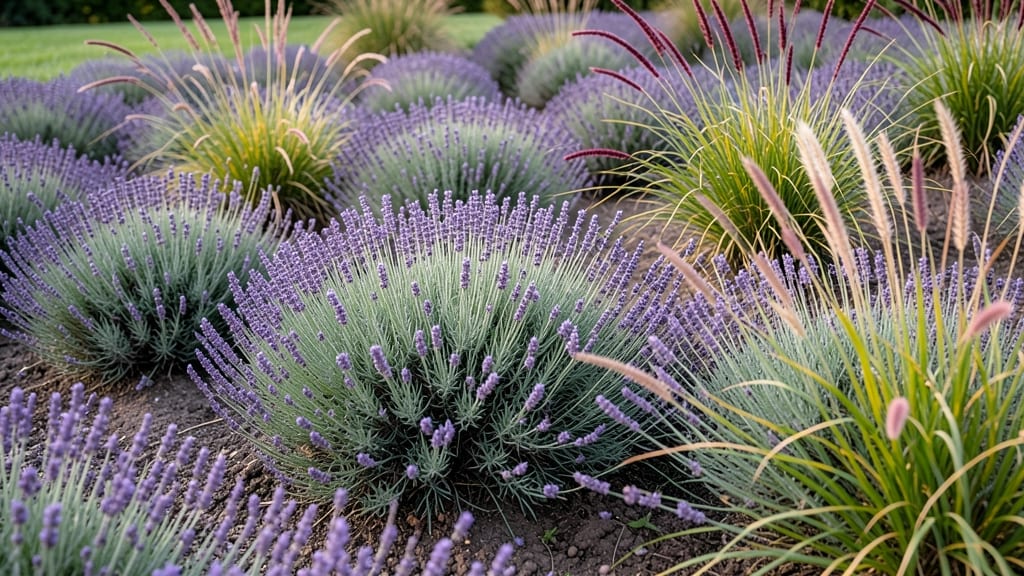
Transform your garden into a fragrant paradise with these 10 lavender garden bed ideas. Each design maximizes pollinator appeal while showcasing lavender's beauty, from classic borders to modern containers.
Classic Lavender Border with Rosemary
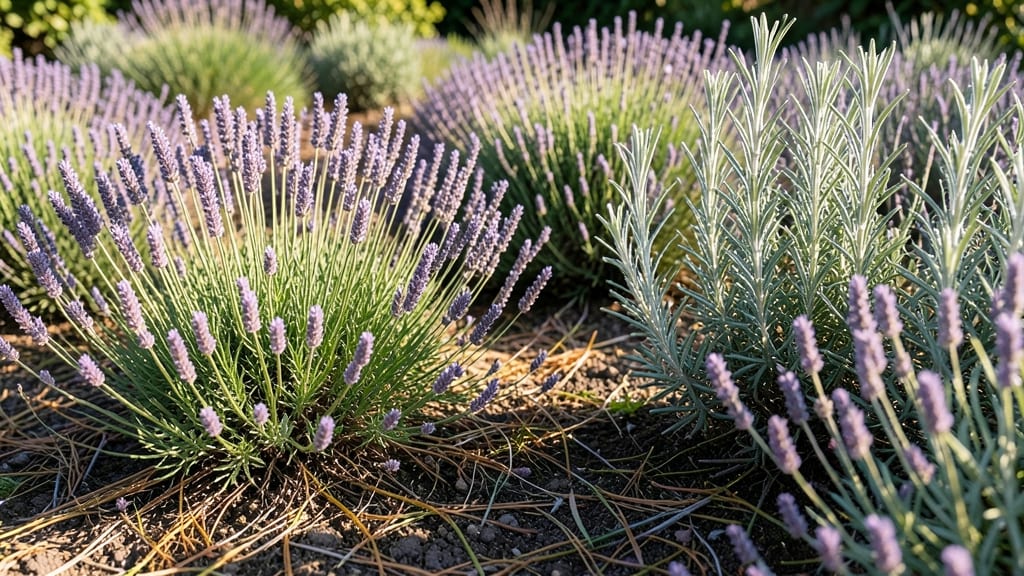
Cottage gardens thrive on charm, and this classic lavender border with rosemary delivers the perfect blend of fragrance and visual appeal. The soft purple spikes of English lavender contrast beautifully with upright rosemary's silvery foliage, creating a border that’s both functional and stunning.
Plant lavender in clusters 18-24 inches apart along the garden edge, spacing rosemary every 2-3 feet for height variation. Both thrive in full sun (6+ hours daily) and well-draining soil—ideal for cottage gardens where watering is minimal. Prune lavender lightly after blooming to maintain shape, while rosemary’s woody stems add structure year-round.
This design works beautifully for beginners and seasoned gardeners alike, offering culinary benefits (fresh rosemary for cooking) and pollinator support (lavender’s nectar-rich blooms). The timeless combo brings effortless elegance to any garden. 🌿
Pollinator Paradise Meadow Mix
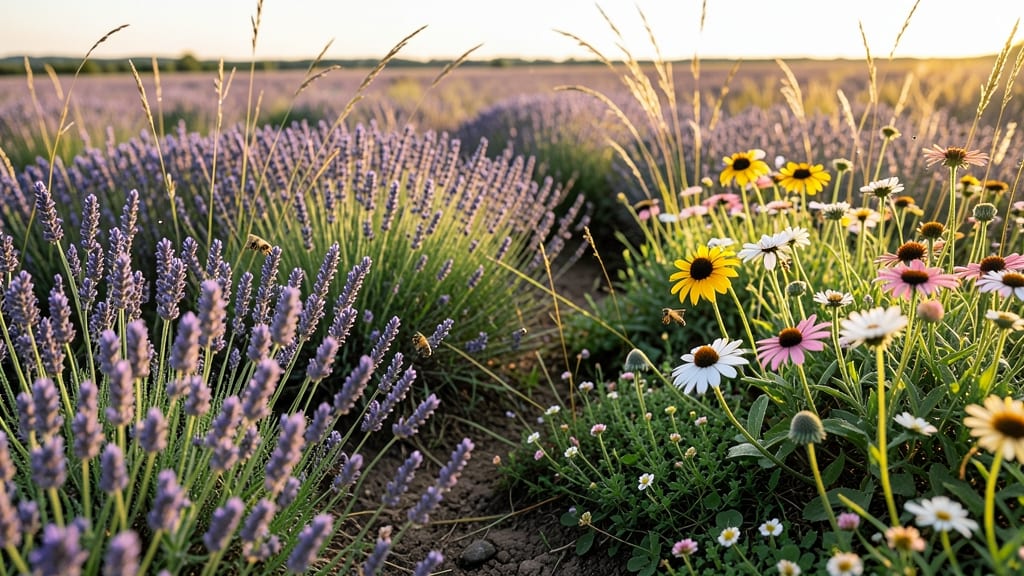
Skip the manicured look and create a living ecosystem with a wildflower-infused lavender meadow that hums with activity. This low-maintenance design blends native wildflowers with lavender to attract bees, butterflies, and beneficial insects—all while requiring less water than traditional gardens.
Start with a base of English lavender or Spanish lavender for their pollinator appeal, then tuck in wildflowers like coneflowers, black-eyed Susans, and bee balm for continuous blooms. Plant in loose clusters rather than rows to mimic natural meadows, and avoid heavy mulch to keep the soil breathable. Water deeply but infrequently—this mix thrives in drought-like conditions once established.
Perfect for eco-conscious gardeners, this design supports local wildlife while adding vibrant color and fragrance. Even small spaces can host this buzzing paradise—just scale down the proportions. 🌻
Modern Geometric Lavender Beds
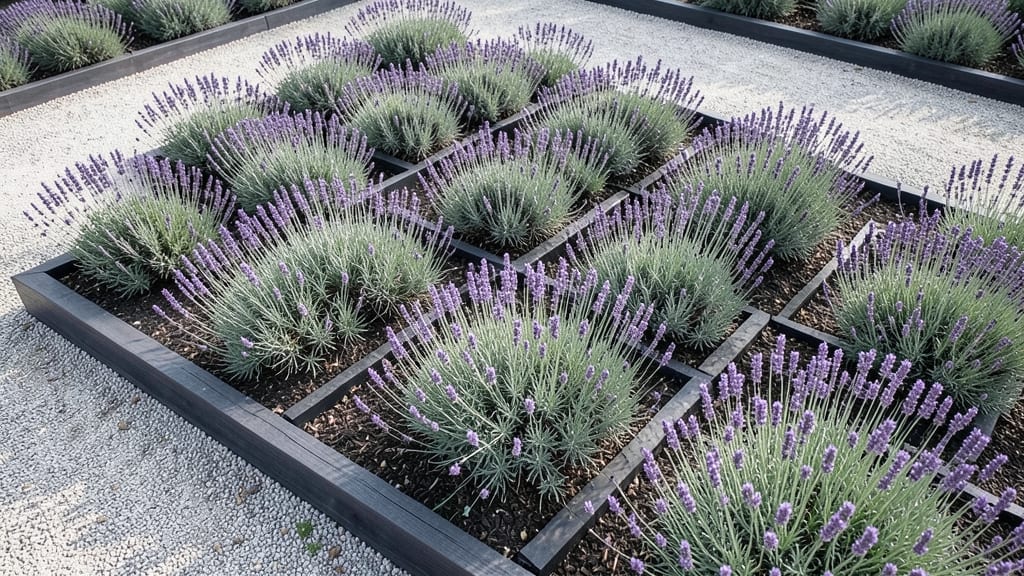
Tired of traditional garden beds? Modern geometric lavender beds bring clean lines and structure to urban spaces while keeping that signature lavender fragrance. This design uses precise shapes like squares, rectangles, or even hexagons to create a striking visual contrast with soft purple blooms.
For best results, use English lavender (Lavandula angustifolia) for its compact growth habit and prune it into sharp edges after flowering. Pair with gravel pathways to enhance the geometric effect and reduce maintenance. This style thrives in full sun (6+ hours daily) and well-draining soil—ideal for city gardens with limited space.
Perfect for minimalist landscapes or urban courtyards, these beds offer a polished look that requires less upkeep than traditional borders. The structured design also makes them ideal for small spaces where you want to maximize visual impact. 🌿
Hanging Basket Lavender Display
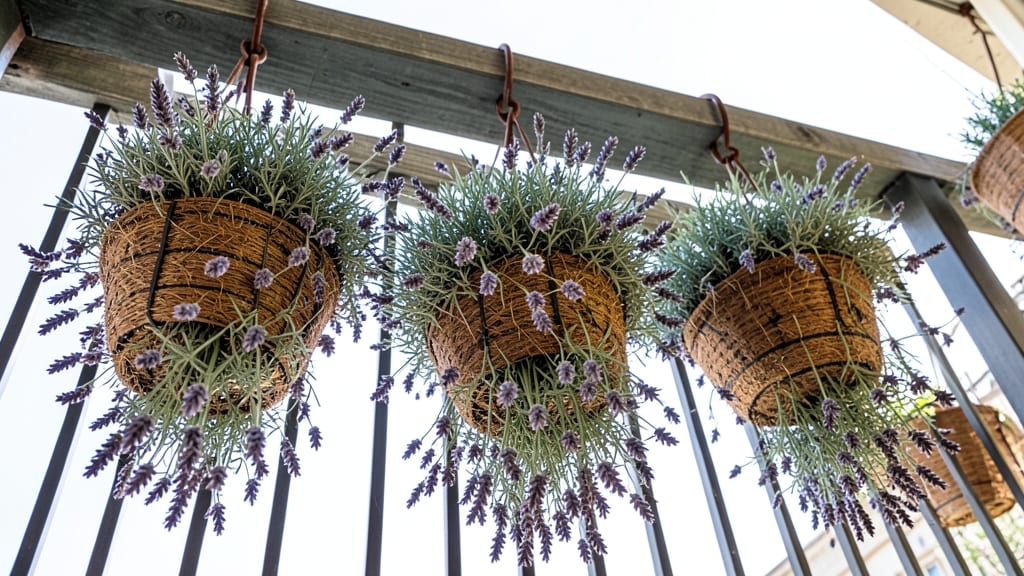
Turn your small balcony or patio into a fragrant oasis with hanging basket lavender—a vertical garden solution that maximizes space without sacrificing beauty. This approach is perfect for renters or urban gardeners who dream of lavender’s signature scent but lack ground space.
Choose trailing lavender varieties like English lavender or Spanish lavender for cascading blooms that spill over edges. Plant in well-draining soil mixed with perlite, and hang baskets where they receive at least 6 hours of sun daily. Water when the top inch of soil feels dry, and fertilize lightly with a balanced organic fertilizer every 4-6 weeks.
This design brings the benefits of lavender—pollinator attraction, stress relief, and year-round fragrance—directly to your outdoor living space. 🌿
Lavender and Thyme Rock Garden
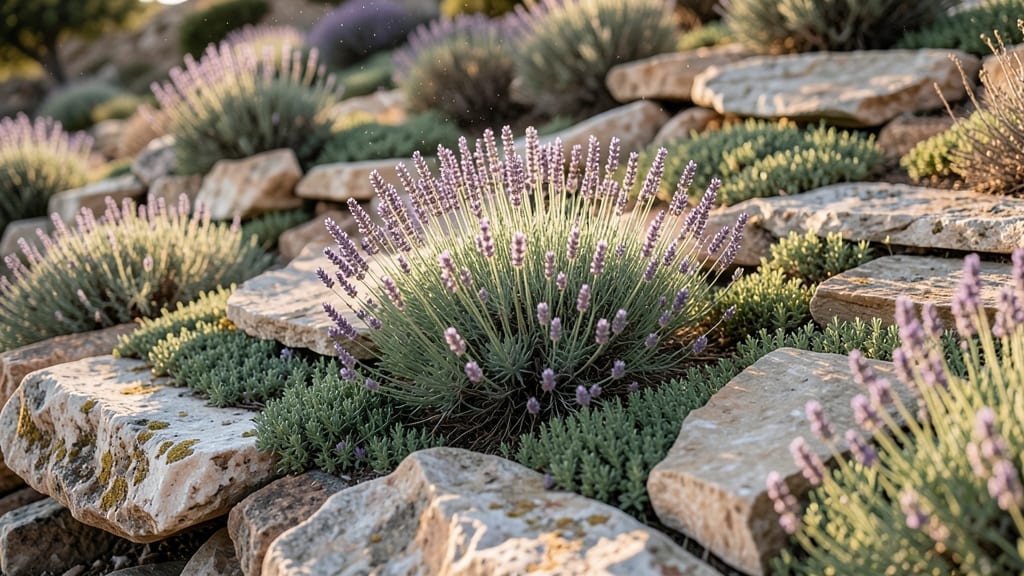
Turn water conservation into a stunning visual statement with a lavender and thyme rock garden—where drought-tolerant plants thrive alongside natural stone. This Mediterranean-inspired design mimics the rugged beauty of coastal landscapes while requiring minimal irrigation once established.
Start by selecting large river rocks (sandstone or granite) to create a dry, well-draining base—lavender and thyme both despise soggy roots. Plant English lavender or Spanish lavender in clusters among the rocks, spacing them 12-18 inches apart for airflow. Tuck creeping thyme into the crevices between stones; its trailing habit softens the rocky terrain while adding a fragrant, edible element. For slopes, use terracing with rocks to prevent erosion and create defined planting zones.
This design is ideal for gardeners in USDA zones 5-9 who want low-maintenance beauty without sacrificing pollinator appeal. The heat-reflecting rocks reduce soil moisture loss, making it perfect for water-restricted areas or high-heat climates. 💚
Lavender Cutting Garden with Edible Flowers
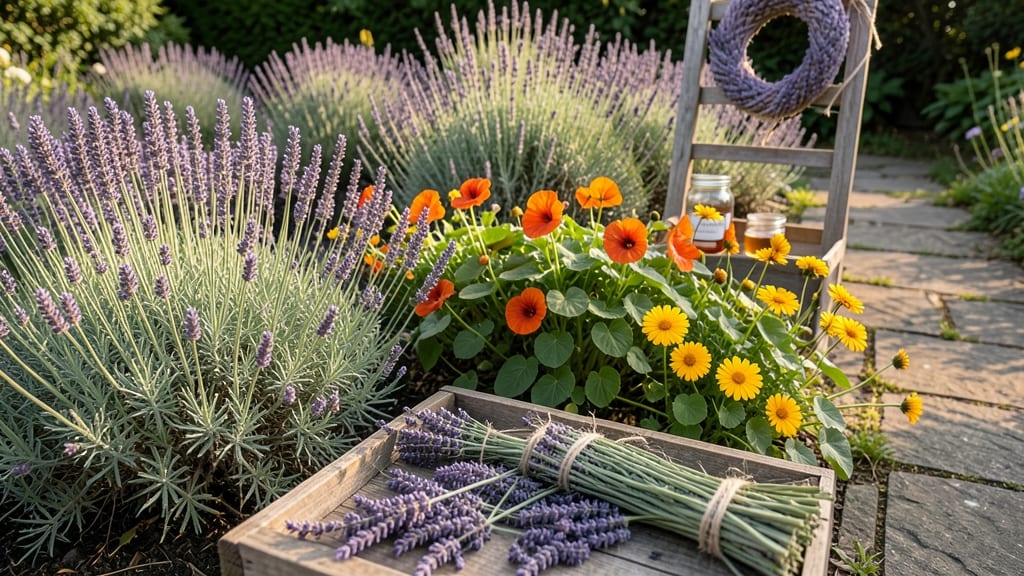
Turn your garden into a dual-purpose powerhouse with a lavender cutting garden that doubles as a culinary and crafting hub. This design lets you harvest fresh lavender stems for sachets, wreaths, and tea while adding vibrant, edible flowers like nasturtiums and calendula for salads and garnishes.
Plant English lavender (for long stems) alongside nasturtiums in a raised bed with well-draining soil. Space plants 12-18 inches apart to allow easy harvesting. The bright orange nasturtiums contrast beautifully with lavender’s purples, while their peppery leaves add a pop of color and flavor to dishes. Prune lavender after blooming to encourage bushier growth and more cuttings.
This setup is perfect for urban gardeners or herb enthusiasts who want functional beauty. The edible flowers make it a hit for cooking classes or farmers' markets, while the lavender keeps pests at bay. 🌻
Moon Garden with Silver Lavender
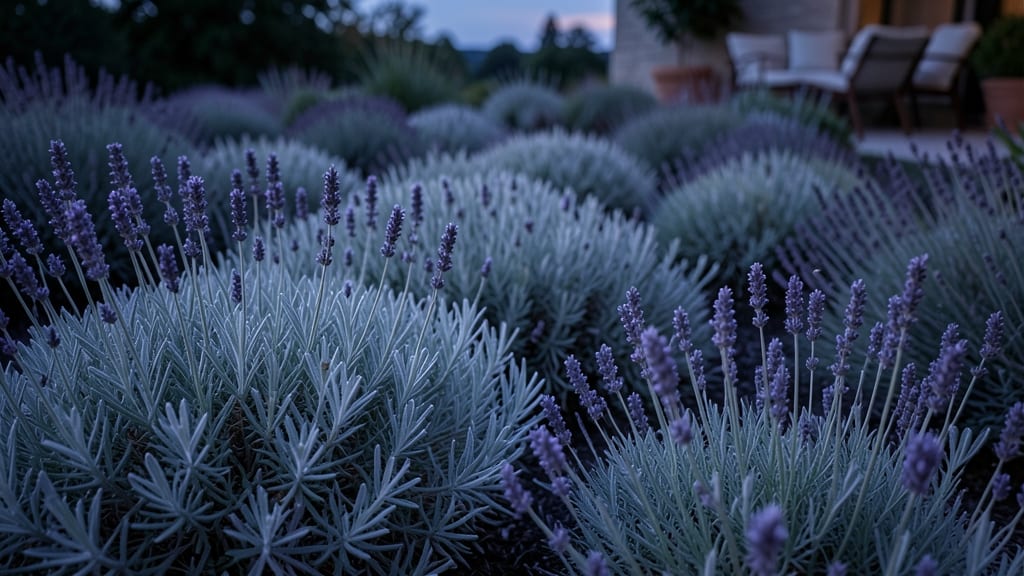
Transform your garden into a twilight sanctuary with a moon garden featuring silver lavender varieties like 'Silver Frost' or 'Goodwin Creek Gray.' These unique lavenders thrive in evening light, their metallic foliage catching the moon's glow and creating a dreamy, ethereal effect perfect for patios, pathways, or romantic garden corners.
Plant silver lavender alongside white blooms like moonflower (Ipomoea alba) or white daisies (Bellis perennis) to amplify the luminous contrast. Ensure they receive full sun during the day (6+ hours) and well-draining soil to prevent woody stems. Prune lightly after flowering to encourage fresh growth, and add a gravel mulch to reflect moonlight and keep roots cool.
This design is ideal for gardeners who love low-light evenings or want to create a serene, fragrant space for nighttime relaxation. The silver foliage's reflective quality makes it a standout feature under moonlight, turning your garden into a magical retreat. ✨
Lavender and Boxwood Topiary Beds
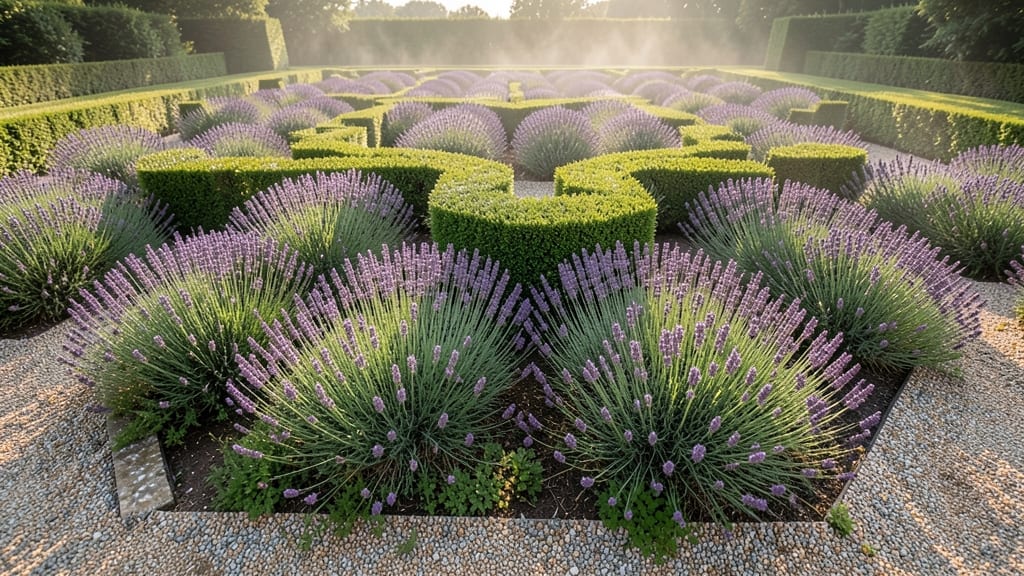
Craving a garden that looks like it belongs in a historic estate? Lavender and boxwood topiary beds deliver that classic, polished elegance with minimal effort. The contrast between fragrant lavender's soft purple blooms and boxwood's crisp, sculpted forms creates a timeless focal point that's both visually striking and surprisingly low-maintenance once established.
Start by planting boxwood topiaries in symmetrical pairs or hedges along pathways, then tuck lavender bushes between them or in front for height variation. Both thrive in full sun and well-draining soil, making them perfect partners. Prune boxwoods lightly after blooming to maintain shape, while lavender benefits from a light trim in early spring to encourage bushier growth. This combo works especially well in formal gardens, courtyard designs, or as a grand entrance statement.
This design is ideal for gardeners who love structure but still want fragrance and color—no wildflower meadows or modern minimalism required. The symmetry appeals to traditionalists while the lavender's scent makes it functional too. 🌿
Container Lavender Garden with Herbs
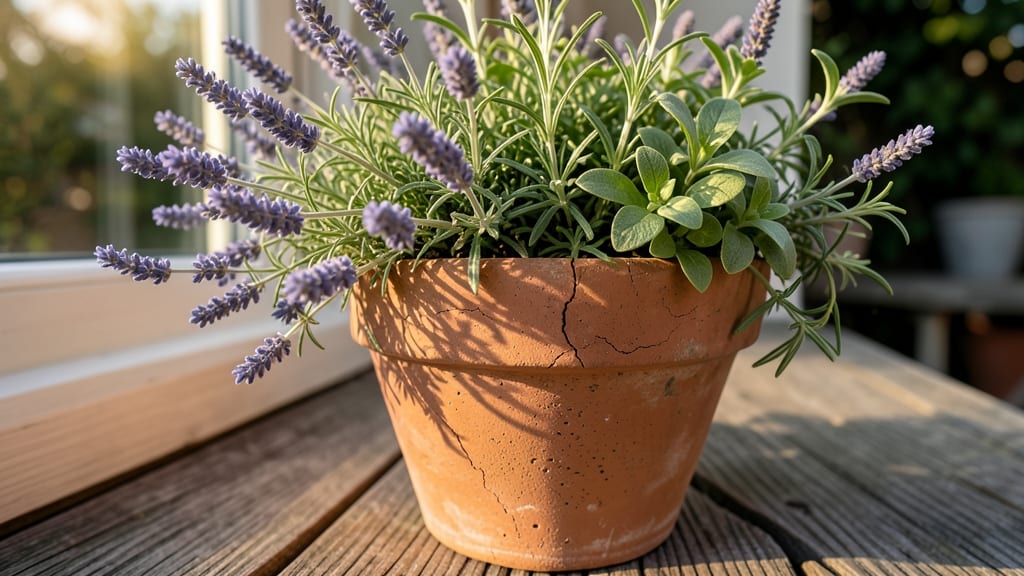
Bring the kitchen garden to life with a container lavender garden that doubles as a fragrant centerpiece and herb pantry. This portable solution lets you grow culinary herbs like oregano, thyme, and rosemary alongside lavender—all within arm's reach of your cooking space.
Choose a terracotta pot (at least 12 inches wide) with drainage holes to prevent root rot, and mix well-draining soil with coarse sand for optimal airflow. Plant lavender in the center for height and fragrance, then surround it with herbs that thrive in similar conditions—6 hours of sun and drought-tolerant soil. Prune lavender lightly after blooming to encourage bushier growth, while harvesting herbs as needed for cooking.
This setup is ideal for urban gardeners, renters, or small-space growers who want fresh herbs and lavender without sacrificing yard space. Plus, the intoxicating scent will follow you indoors when you harvest. 🌿
Lavender and Ornamental Grass Drift

For a garden that feels alive with movement and texture, pair lavender with ornamental grasses in a loose, natural drift. This combination creates a dynamic visual rhythm that dances in the breeze while requiring minimal maintenance—perfect for modern or prairie-style landscapes.
Start with purple lavender varieties like 'Grosso' or 'Hidcote' for soft blooms, then interplant with grasses like Miscanthus sinensis or Pennisetum for height and sway. Space plants 18-24 inches apart to allow air circulation, and let the grasses grow taller than the lavender to create that signature "drift" effect. This design thrives in full sun and well-draining soil, making it ideal for drought-prone areas.
Gardeners who love low-maintenance, high-impact designs will adore this drift—it’s effortless yet striking, offering year-round interest with the lavender’s evergreen foliage and grasses that shimmer in winter. 🌻