
Flowers
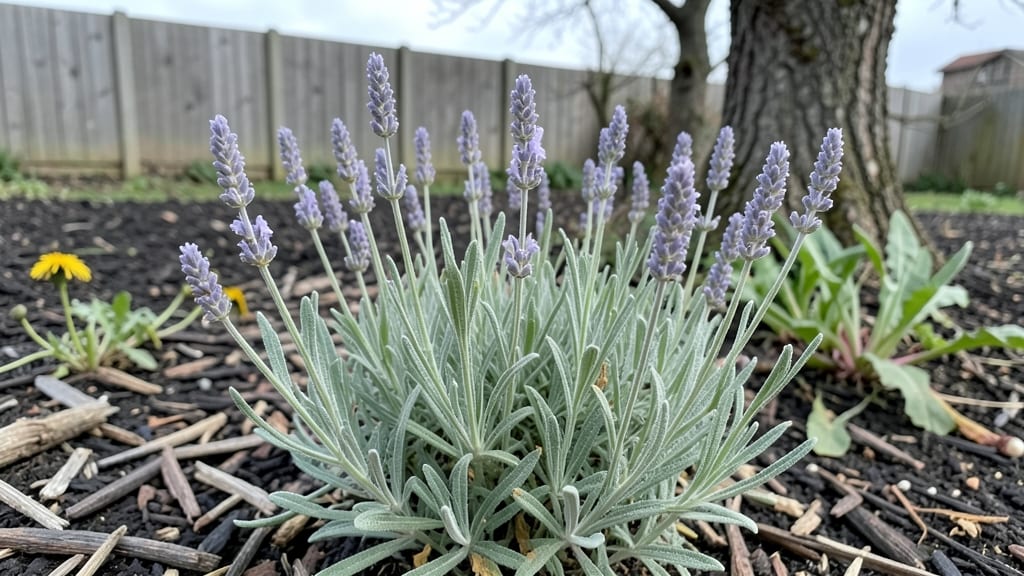
A long flower bed can transform your yard into a vibrant, low-maintenance showstopper—no fancy landscaping skills required. I designed mine last spring using a simple repeating pattern of perennials, annuals, and shrubs that bloom from early spring through frost, with almost no dead space.
The key was grouping plants by height and color families, then letting nature do the rest. Every time I walk by, I get compliments from neighbors who can't believe how effortless it looks.
Start with a 4-foot-wide bed (wide enough for variety but narrow enough to reach the center) and divide it into 3-foot sections for easy maintenance. Use landscape fabric under mulch to suppress weeds, and choose drought-tolerant perennials like coneflowers or black-eyed Susans as your backbone—they’ll come back stronger every year.
For instant color, tuck in annuals like petunias or salvia in the gaps, and top with 3-4 inches of mulch to keep moisture in and weeds out. The whole project took me one weekend and cost less than $150 for plants and materials.
By midsummer, you’ll have a nonstop parade of blooms—tall spikes of delphiniums in June, velvety purple verbena in July, and fiery mums stretching into October. The best part? Once established, this bed needs just 10 minutes a week for deadheading and occasional watering.
Even my black thumb can’t kill this combo, and the pollinators love it too. The secret is layering textures—spiky grasses, rounded hydrangeas, and trailing alyssum—to create depth without extra work.
Works for any yard size: scale it down to a 6-foot strip along a fence or stretch it to 20 feet for a dramatic entryway.
Swap out plants for your climate—zones 5-8 thrive with the combo I used, but desert gardeners can replace thirsty annuals with succulents and lavender. The layout stays the same; just adjust the plant list. Ready to make your yard the envy of the block with minimal effort?
📚 In This Guide
- What you need
- Instructions
- Tips and common mistakes
- Wrapping up and next steps
What you need
- ● Topsoil or garden soil: 1–2 cubic yards (depending on bed length and depth—aim for 6–12 inches deep). Use a well-draining mix with compost for nutrients.
- ● Mulch: 1–2 bags (6–12 cubic feet) of organic mulch (e.g., shredded bark, pine straw, or cocoa hulls) to retain moisture and suppress weeds.
- ● Fertilizer: Slow-release balanced fertilizer (10-10-10) or organic options like composted manure. Follow package rates for application.
- ● Plants: Choose a mix of perennials, annuals, and fillers for continuous color. Examples: Perennials (plant once, bloom yearly): Coneflowers, black-eyed Susans, daylilies (1–2 per 2 sq ft).
- ● Annuals (seasonal color): Marigolds, petunias, zinnias (1 plant per 6–12 inches).
- ● Fillers (height/texture): Fern, ornamental grass, or sedum (1–2 per 1 sq ft).
- ● Garden shovel or spade: For digging and soil prep.
- ● Rake: To level soil and remove debris.
- ● Wheelbarrow: For hauling soil, mulch, and plants.
- ● Garden hose with nozzle: For watering and rinsing tools.
- ● Gloves and knee pads: Comfort is key—opt for durable gardening gloves and cushioned pads.
- ● Measuring tape and stakes: To mark bed dimensions and spacing.
- ● Pruners or shears: For trimming plants and mulch.
- ● Edging tools: Metal or plastic edgers to define clean lines (great for geometric beds).
- ● Drip irrigation kit: Automates watering—ideal for long beds (calculate based on bed length).
- ● Soil test kit: Check pH and nutrient levels before planting (aim for 6.0–7.0 pH).
- ● Decorative rocks or borders: Add a polished look with pebbles, bricks, or wooden slats.
- ● Plant labels: Use biodegradable markers to track varieties.
Instructions for creating a low-maintenance season-long flower bed
Here's how to design a long-lasting floral display that thrives with minimal daily care.
Plan Your Layout for Year-Round Interest
Begin by sketching your flower bed's dimensions on paper. For a 12-foot by 2-foot strip (the perfect size for four distinct planting zones), divide it into four equal sections of 3 feet each. This allows you to stagger bloom times and create visual depth. Place taller plants like delphiniums or hollyhocks at the back of each section, with medium-height perennials like black-eyed Susans in the middle, and low-growing annuals such as pansies or sweet alyssum at the front.
I like to arrange plants in odd-numbered groupings—three of one variety, five of another—to create natural-looking clusters. This prevents the bed from looking too uniform and encourages a wild, organic feel. For example, plant three delphiniums at the back of the first section, then fill the remaining space with five black-eyed Susans and seven sweet alyssum. This approach ensures no single plant dominates and creates a balanced, layered look.
Prepare the Soil for Long-Term Health
Remove any existing grass or weeds from your 12-foot by 2-foot area using a garden fork or spade. Loosen the soil to a depth of 12 inches, breaking up compacted layers. This ensures roots can penetrate deeply and access moisture and nutrients. If your soil is heavy clay or sandy, amend it with 3 cubic feet of compost and 1 cubic foot of peat moss spread evenly across the bed. Mix these amendments into the top 6 inches of soil using a garden rake.
For optimal drainage, create a slight slope of 1 inch per 4 feet if your yard is prone to standing water. This prevents root rot and keeps plants healthy. After amending, water the bed deeply to settle the soil and encourage microbial activity. You’ll know it’s ready when the topsoil feels crumbly and holds moisture without becoming soggy.
Plant for Continuous Bloom Cycles
Start with perennial plants that return year after year, such as coneflowers, bee balm, and daylilies, which establish roots quickly and require minimal care. Plant these in early spring or fall, spacing them 18-24 inches apart to allow for mature growth. For instant color, intersperse annuals like petunias, zinnias, and marigolds, which bloom prolifically in their first season. These should be planted 12-18 inches apart to fill gaps and extend the flowering period.
Here’s the key to zero-fuss planting: choose varieties that thrive in your USDA hardiness zone and match your sunlight conditions. For example, if your bed gets 6 hours of sun, opt for black-eyed Susans and coreopsis, which tolerate partial shade better than sun-loving lavender or salvia. Mulch the bed with 2 inches of shredded bark after planting to retain moisture, suppress weeds, and regulate soil temperature.
Maintain with Minimal Effort
Water deeply twice a week during the first growing season to encourage deep root systems. After establishment, most perennials only need 1 inch of water per week, either from rainfall or irrigation. I set a rain gauge in the bed to track moisture levels—this prevents overwatering, which can lead to fungal diseases. Once plants are established, reduce watering to once every 10-14 days, unless you’re experiencing a heatwave.
Deadhead spent blooms regularly to encourage more flowers and prevent self-seeding where you don’t want it. For example, pinch off faded zinia flowers with your fingers or snip them with clean pruners. In late fall, cut back perennials to 4-6 inches above the ground and add a fresh layer of 1 inch of compost to nourish the soil for next year. This simple step keeps the bed looking tidy and prepares it for spring regrowth.
Extend the Season with Strategic Additions
To keep your flower bed vibrant from early spring to late fall, add bulbs like tulips or daffodils in autumn for early blooms. These will emerge before perennials and annuals, creating a seamless transition. In late summer, tuck in fall-blooming asters or chrysanthemums to bridge the gap between summer and winter. These plants thrive in cooler temperatures and add late-season color.
For winter interest, incorporate evergreen plants like boxwood or heuchera, which provide structure and texture even when other plants are dormant. Place these at the edges of the bed to frame the design. If your climate experiences freezing temperatures, apply a 2-inch layer of straw mulch in late fall to protect roots and insulate the soil. This small step prevents heaving and keeps perennials healthy through winter.
Tips & tricks for perfect season-long flower beds
Creating a stunning flower bed that thrives all season requires thoughtful planning and a few strategic tricks to ensure vibrant blooms with minimal effort.
Plant Placement Precision: When arranging your 12-foot by 2-foot bed, consider the mature height of each plant. Taller varieties like delphiniums and hollyhocks should anchor each 3-foot section at the back, while medium-height perennials like black-eyed Susans create a natural middle layer. The key is to visualize the mature plant sizes—what looks balanced now may become overcrowded in a few months. I always sketch a rough layout first, using colored pencils to represent each plant's mature height and spread.
Soil Preparation Strategy: The 12-inch soil loosening in Step 2 is crucial for root development, but don't overlook the importance of proper drainage. If your yard has clay soil, the 1-inch slope per 4 feet becomes especially important to prevent waterlogging. For sandy soils, focus on the 3 cubic feet of compost and 1 cubic foot of peat moss—this combination improves moisture retention while preventing compaction. After amending, perform the crumbly soil test: grab a handful and squeeze gently—it should hold together but crumble when released.
Seasonal Layering Technique: To maintain continuous color, plan your plantings in three distinct waves: early spring bulbs (like tulips), summer perennials (coneflowers, bee balm), and fall annuals (asters, chrysanthemums). The 6-hour sunlight reference in Step 3 is particularly important—if your bed gets less light, opt for shade-tolerant varieties like heuchera or ferns to fill gaps. For sun-drenched areas, consider adding drought-tolerant plants like lavender or Russian sage to reduce watering needs after establishment.
Maintenance Shortcuts: The twice-weekly watering schedule in Step 4 works well, but I've found that installing a simple drip irrigation system pays for itself in water savings and convenience. For deadheading, I keep a pair of small pruners in a waterproof pouch near the bed—this makes the task quicker and prevents the spread of diseases. In fall, I mark the 4-6 inch cutback line with a piece of twine tied to stakes before trimming, ensuring consistent height across all plants.
Pro Tips for Long Flower Bed
- Creating a stunning flower bed that thrives all season requires thoughtful planning and a few strategic tricks to ensure vibrant blooms with minimal effort.
- Plant Placement Precision: When arranging your 12-foot by 2-foot bed, consider the mature height of each plant.
- Soil Preparation Strategy: The 12-inch soil loosening in Step 2 is crucial for root development, but don't overlook the importance of proper drainage.
Frequently asked questions
Got questions about creating a stunning long flower bed that blooms all season with minimal effort? You’re not alone! Here are answers to the most common queries—plus a few pro tips to keep your garden thriving.
What’s the best soil mix for a long flower bed to ensure healthy growth?
A well-draining, nutrient-rich blend works best. Mix equal parts garden soil, compost, and perlite or coarse sand to improve aeration. For heavy clay soil, amend with peat moss or coconut coir to prevent compaction. Test your soil’s pH (most flowers thrive at 6.0–7.0) and adjust with lime or sulfur if needed.
How often should I water a long flower bed to keep plants thriving?
Water deeply 1–2 times per week, depending on your climate. Aim for 1–1.5 inches of water per week, including rainfall. Morning watering reduces evaporation and fungal risks. Mulch (2–3 inches) retains moisture and suppresses weeds—game-changer for low-maintenance gardens!
Can I plant perennials and annuals together in a long flower bed?
Perennials (like coneflowers or black-eyed Susans)
provide structure and return yearly, while annuals (such as marigolds or zinnias) fill gaps with seasonal color. Group plants by water needs and sunlight requirements to avoid competition. Pro tip: Add fast-growing annuals in spring to bridge gaps until perennials mature.
What’s the easiest way to extend a long flower bed’s blooming season?
Layer plants with successive blooming times—start with early spring bulbs (tulips, daffodils), transition to summer annuals (petunias, impatiens), and add fall favorites (mums, asters). Deadhead spent blooms regularly to encourage reblooming. Cool-season flowers like pansies can even thrive in mild winters!
How do I prevent pests and diseases in a long flower bed without chemicals?
Start with healthy soil and strong plants—they’re naturally resistant! Handpick pests (like aphids) early, and introduce beneficial insects (ladybugs, lacewings). Space plants properly (follow spacing guidelines) for airflow, and remove diseased foliage immediately. Neem oil or insecticidal soap are gentle, organic alternatives for outbreaks.
What are some low-maintenance alternatives to a traditional long flower bed?
If you want color without the upkeep, try:
- Ground covers (like creeping thyme or ajuga) for lush, weed-suppressing greenery.
- Native wildflower meadows—plant once, enjoy years of pollinator-friendly blooms.
- Raised beds with self-seeding annuals (e.g., cosmos or bachelor’s buttons) that reseed effortlessly.
- Container gardens with trailing flowers (petunias, nasturtiums) for portable beauty.
Wrapping up and next steps
A long flower bed isn’t just about beauty—it’s about effortless elegance that keeps your garden vibrant all season long. By choosing the right plants, spacing them wisely, and embracing low-maintenance techniques, you’ve unlocked a stunning, year-round display with minimal fuss. 🌸
Now that you’re inspired, take the next step! Sketch your design, gather your supplies, and start planting—your future will thank you for the joy (and color!) it brings. Happy gardening! 🌿