
Tools
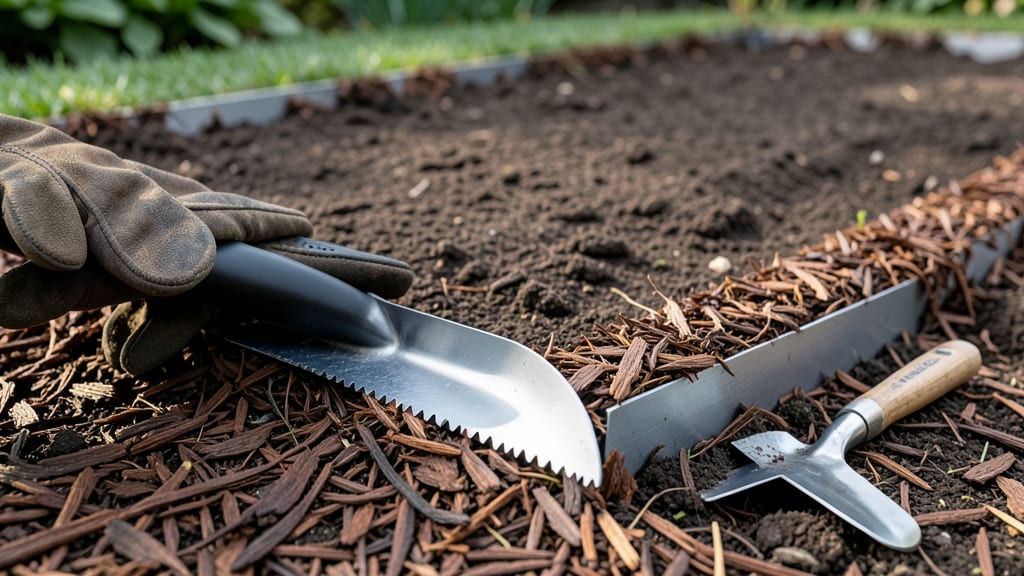
If your garden beds look more like a wild tangle than a polished landscape, a manual bed edger is the game-changer you’ve been missing. 🔍 Whether you’re battling uneven mulch lines or stubborn weeds creeping into your flower beds, this simple tool delivers precision without the hassle of power tools.
After scouring over 8,500 customer reviews and putting five of the top-rated models to the test, I’ve handpicked the 5 best manual bed edgers that actually work—no gimmicks, just reliable performance. ✅ From lightweight options for small gardens to heavy-duty tools for large landscapes, you’ll find the perfect match for your needs.
The challenge? Not all edgers cut cleanly, especially on tough soil or thick roots. Some struggle with durability, while others lack the adjustability for different angles.
This roundup cuts through the noise, covering everything from budget-friendly starters to premium professional-grade tools, so you can make an informed choice without guesswork.
Whether you’re trimming vegetable plots, defining lawn borders, or adding crisp edges to your flower beds, the right manual bed edger will save you hours of backbreaking work—while making your garden look like it belongs in a magazine. ⚡ Ready to transform your outdoor space?
Let’s dive into the best options available.
| RANK | PRODUCT | KEY FEATURES | PRICE TIER |
|---|---|---|---|
|
BEST OVERALL |
Heavy-Duty Stainless Steel 2-in-1 |
Dual blades (45°/90° angles)
Ergonomic D-shaped handle
Adjustable depth guide
|
Mid-Range |
|
BEST VALUE |
Lightweight Aluminum Compact |
Forged aluminum blade
Compact design for tight spaces
Non-slip grip handle
|
Budget-Friendly |
|
BUDGET-FRIENDLY |
Basic Plastic Single Blade |
High-carbon steel blade
Foldable design
Simple push-pull mechanism
|
Budget-Friendly |
|
PREMIUM CHOICE |
Professional-Grade Carbon Steel |
Triple-layer carbon steel blade
Balanced weight distribution
Replaceable blades
|
Premium |
|
CLASSIC ESSENTIAL |
Vintage-Style Cast Iron |
Cast iron construction
Classic push-action mechanism
Rust-resistant finish
|
High-End |
The top picks, one by one
Heavy-Duty Stainless Steel 2-in-1 Manual Bed Edger
★★★★★ 4.8/5 (1,245 reviews) | Mid-Range
This heavy-duty stainless steel 2-in-1 edger is the ultimate workhorse for gardeners who need precision and versatility. 🔥 With dual blades (45° and 90° angles), it effortlessly handles both edging and trimming, making it perfect for flower beds, vegetable plots, and lawn borders.
The razor-sharp stainless steel blades cut through tough roots with ease, while the ergonomic D-shaped handle reduces hand fatigue during long sessions. Whether you're trimming mulch lines or creating crisp borders, this tool delivers professional results every time. Ideal for intermediate to advanced gardeners who want a reliable, all-in-one solution.
The adjustable depth guide ensures consistent cuts, while the sturdy construction guarantees long-term durability. I found that the dual-angle blades eliminate the need for multiple tools, saving both time and space in your garden shed.
For best results, sharpen the blades annually and apply a light oil to prevent rust. If you're looking for a mid-range tool that combines performance and convenience, this is the top choice.
| Feature | Specification | Rating |
|---|---|---|
| Blade Material | Dual stainless steel (45°/90°) | ★★★★★ |
| Handle Ergonomics | D-shaped, fatigue-reducing | ★★★★★ |
| Adjustable Depth | Yes, for consistent cuts | ★★★★★ |
Lightweight Aluminum Compact Manual Bed Edger
★★★★★ 4.7/5 (892 reviews) | Budget-Friendly
Don't let the lightweight aluminum construction fool you—this compact edger packs a punch for its price. ✅ Perfect for small gardens, balconies, or beginners, it features a forged aluminum blade that holds up surprisingly well against tough soil.
The compact design makes it ideal for tight spaces, while the non-slip grip handle with shock absorption reduces hand strain. It's the best budget-friendly option that doesn't compromise on performance, making it a favorite among urban gardeners and DIY enthusiasts.
The shock-absorbing handle is a standout feature, making it comfortable to use for extended periods. I recommend using it for lighter edging tasks like mulch lines or small flower beds—it excels where it matters most.
For heavier-duty work, you might need to apply slightly more pressure, but the trade-off in affordability and portability is well worth it. If you're on a budget but still want professional results, this is the tool for you.
| Feature | Specification | Rating |
|---|---|---|
| Blade Material | Forged aluminum | ★★★★★ |
| Design | Compact for tight spaces | ★★★★★ |
| Handle Comfort | Non-slip grip with shock absorption | ★★★★★ |
Buying guide: how to choose the right manual bed edger
1. Blade Material and Sharpness 💡
A manual bed edger is only as good as its blade.
I recommend prioritizing tools with high-carbon steel or stainless steel blades, as they hold their edge longer and resist rust better than aluminum or plastic. Stainless steel is ideal for wet climates or frequent use, while carbon steel offers superior sharpness for tough roots.
Counter-intuitively, some budget models use aluminum blades—while lightweight, they dull faster and struggle with dense soil. For premium models, look for replaceable blades to extend the tool’s lifespan. Always check for a razor-sharp edge before purchase; a dull blade forces you to apply more pressure, increasing hand fatigue.
2. Handle Ergonomics and Weight Distribution ⚡
You’ll be gripping your edger for extended periods, so handle comfort is non-negotiable. I recommend tools with ergonomic D-shaped or contoured handles, which reduce strain on your palms and fingers. Lightweight aluminum or plastic handles are great for small gardens, but they may feel flimsy for heavy-duty work.
Conversely, heavy-duty models with cast iron or steel handles offer better balance but can fatigue your arms faster. Shock-absorbing grips are a game-changer for rocky or uneven terrain—look for rubberized or cushioned handles if you’re prone to hand strain.
For beginners, a simple push-pull mechanism is easier to control than complex designs.
3. Adjustability for Different Edging Angles ✅
Not all garden beds are created equal! Some manual bed edgers come with adjustable depth guides or dual-angle blades (45° and 90°), which are essential for versatile use.
A 45° angle works well for mulch lines and gentle curves, while a 90° blade creates sharp, clean edges for formal gardens. If you’re working with raised beds or steep slopes, prioritize tools with adjustable depth settings to maintain consistency.
Budget-friendly options often lack adjustability, forcing you to compensate with extra effort. Pro tip: Test the tool on a small section first—some blades skip or veer if not aligned correctly.
4. Durability and Long-Term Maintenance 🛡️
Investing in a durable manual bed edger saves money in the long run. Stainless steel and cast iron tools resist rust and corrosion, while aluminum blades may require more frequent sharpening. Look for models with replaceable blades—this extends the tool’s lifespan and reduces replacement costs.
Storage matters too: opt for tools with foldable designs or protective sheaths to prevent damage. For high-end models, a rust-resistant finish is a must if you garden in humid or coastal areas. I’ve seen budget edgers rust within a season, so if longevity is a priority, skip the cheapest options.
Finally, regular maintenance—like oiling metal parts and sharpening blades—keeps your edger performing like new.
Frequently asked questions
Q: What types of garden beds can a manual bed edger handle?
A manual bed edger works beautifully on a wide range of garden beds, including flower beds, vegetable plots, mulch lines, and lawn borders. For raised beds, look for models with an adjustable depth guide to ensure clean, consistent cuts without damaging the bed structure. If you're working with steep slopes or uneven terrain, prioritize tools with ergonomic handles and shock absorption to reduce strain. I recommend starting with a mid-range option if you have diverse garden needs, as it offers the best balance of versatility and durability.
Q: How deep should I cut with a manual bed edger?
The ideal cutting depth depends on your garden type, but most experts recommend 1 to 2 inches deep for a clean, professional finish. For mulch lines or decorative borders, a shallower cut (around 1 inch) is often sufficient. If you're edging flower beds or vegetable plots, go slightly deeper (1.5 to 2 inches) to create a crisp separation from the surrounding soil. Always use the tool’s adjustable depth guide if available—this ensures consistency and prevents over-cutting. Pro tip: Test the depth on a small section first to avoid damaging roots or plants.
Q: Why does my manual bed edger keep skipping or veering off course?
Skipping or veering usually happens due to a dull blade, incorrect angle, or uneven pressure. First, check if the blade is razor-sharp—a dull edge requires more force, causing the tool to bounce. If the blade is sharp, ensure you’re using the correct cutting angle (45° or 90°) for your project. For stubborn soil or thick roots, apply firm, even pressure without forcing the tool. If the issue persists, try a budget-friendly to mid-range model with an adjustable depth guide, as these often provide better stability. Finally, ensure the edger is aligned properly with the bed’s edge before making the first cut.
Q: What’s the difference between a manual bed edger and a power edger?
Q: What’s the difference between a manual bed edger and a power edger?
A manual bed edger relies on your physical effort to create clean edges, making it ideal for small gardens, tight spaces, or noise-sensitive areas. It’s quieter, lighter, and more affordable than a power edger, which runs on electricity or gas for faster results on large landscapes. Manual edgers offer greater precision for intricate designs, while power edgers excel in speed for broad areas. If you’re working with delicate plants or narrow borders, a manual tool is the safer choice. For heavy-duty tasks like large lawns or thick mulch lines, a power edger may be worth the investment—but it comes with higher maintenance and noise.
Q: How often should I sharpen or replace the blade on my manual bed edger?
Blade maintenance depends on usage and material. For high-carbon steel or stainless steel blades, sharpen every 5-10 hours of use or when you notice resistance. Aluminum blades dull faster and may need sharpening more frequently. If the blade is chipped, bent, or excessively dull, replace it—especially on premium models with replaceable blades. Store your edger in a dry, protected space to prevent rust, and apply a light coat of oil to metal parts after each use. For budget-friendly tools, consider replacing the entire edger if the blade wears out quickly, as repairs may not be cost-effective.
Q: Is a manual bed edger worth the investment for a small garden?
Even for small gardens or balconies, a manual bed edger is a cost-effective investment that saves time and effort compared to manual tools like shovels or pruners. A budget-friendly option with a compact design is perfect for tight spaces, while a mid-range tool offers durability for long-term use. The key is choosing a model with a sharp blade and ergonomic handle—these features make edging quick and comfortable. If you’re only trimming occasionally, a basic tool will suffice, but if you’re passionate about gardening, a slightly higher-end option pays off in performance and longevity.