
Plants
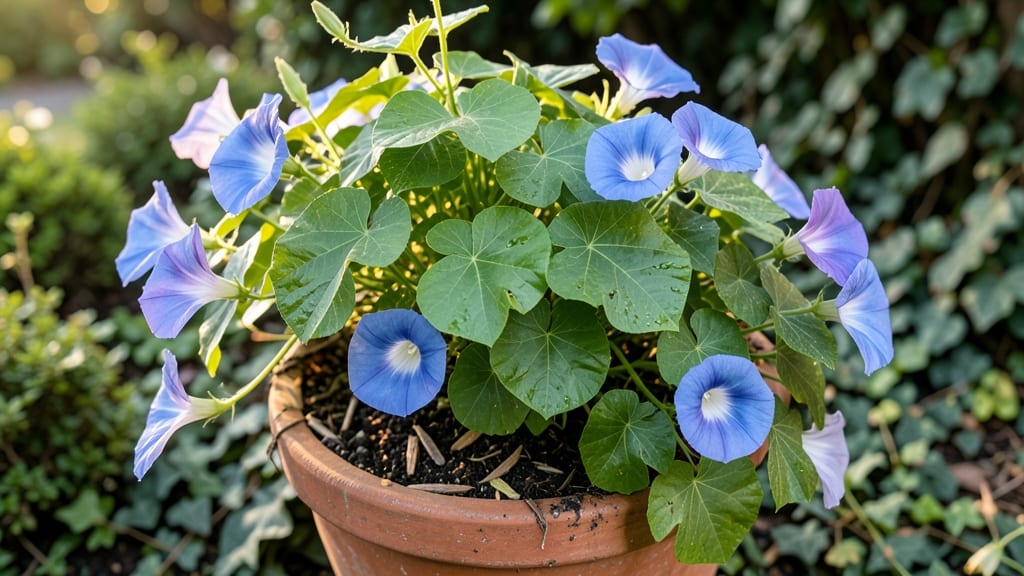
That morning glory with the three-lobed leaf vine is the vine that keeps coming back—even after frost. 🌿 I’ve grown it for years, and its deep purple flower spikes emerge like clockwork when temperatures climb, then rebound after winter’s chill.
The key to its resilience lies in understanding its heat-triggered growth cycle and how to support it through seasonal shifts.
This vine thrives in full sun and well-draining soil, but its real magic happens when you give it a sturdy trellis to climb. The three-lobed leaves set it apart from other morning glories—no confusion with the heart-shaped varieties.
Plant seeds directly after the last frost or start indoors 4-6 weeks earlier for a head start. Water consistently, but avoid soggy soil, which can stunt growth.
Once established, this vine becomes a low-maintenance powerhouse, producing vibrant blooms from summer through fall. Prune leggy growth in early spring to encourage bushier vines, and watch as the purple spikes return year after year. The flowers even attract pollinators, making your garden a buzzing hub of activity.
Perfect for trellises, fences, or even containers—this morning glory adapts to almost any space while delivering bold color and surprising hardiness. Whether you’re a beginner or a seasoned gardener, its forgiving nature makes it a standout choice for effortless beauty.
📚 In This Guide
- What you need
- Instructions
- Tips and common mistakes
- Wrapping up and next steps
What you need
- ● Seeds or cuttings: High-quality Ipomoea tricolor (3-lobed leaf variety) seeds or healthy vine cuttings (6–12 inches long).
- ● Well-draining potting mix: 2–3 gallons of a blend with perlite or coconut coir (e.g., 60% garden soil, 20% compost, 20% perlite).
- ● Containers or garden space: For containers: 5–10 gallon pots with drainage holes (1–2 plants per container).
- ● For gardens: A sunny trellis, fence, or pergola (6+ feet tall) for vertical growth.
- ● Trellis or support: A sturdy, non-corrosive trellis (e.g., bamboo, metal, or wooden lattice).
- ● Watering can or hose: With a gentle spray nozzle for hydration.
- ○ Gloves: Garden gloves to protect hands from thorns (optional but recommended!).
- ● Pruning shears: Sharp, sterilized shears for trimming (e.g., Felco or Fiskars).
- ● Fertilizer: Balanced liquid fertilizer (10-10-10 or 20-20-20) or compost tea (apply every 4–6 weeks).
- ● Mulch: Organic mulch (e.g., straw or wood chips) to retain moisture (1–2 inches thick).
- ● Sunlight access: Full sun (6+ hours/day)—this vine thrives in heat!
- ● Cold hardiness note: While it rebounds after frost, protect young plants with frost cloth if temps drop below 25°F (-4°C).
- ● Growth hormone rooting gel for cuttings.
- ● Soil moisture meter to track hydration.
- ● Epsom salt (magnesium sulfate) for vibrant foliage (1 tbsp/gallon of water, monthly).
- ● Decorative stakes or floral wire for guiding vines.
How to grow a thriving morning glory vine with heat-triggered blooms
This resilient climber rewards patience with stunning purple spikes—here’s how to coax its best performance.
🌱 Step 1: Select the Right Location and Plant at Peak Timing
Choose a south-facing wall or trellis where the vine will receive at least 6 hours of direct sun daily. Morning glories thrive in well-draining soil with a pH between 6.0 and 7.0, but they’re surprisingly adaptable—even rocky or slightly alkaline soil works as long as water drains freely. I plant mine after the last frost date in early spring, when soil temperatures reach at least 60°F. This ensures strong root establishment before summer heat arrives.
Dig a hole twice as wide as the root ball but no deeper. Gently loosen the roots if they’re circling tightly in the container—this prevents root rot later. Place the vine in the hole, backfill with native soil, and water deeply to settle everything. The 3-lobed leaf variety grows 10-15 feet tall, so secure the base of the trellis or fence with stakes or wire before planting. This prevents uprooting as the vine matures.
☀️ Step 2: Provide Consistent Moisture and Fertility
Water deeply 1-2 times per week, aiming for 1-2 inches of moisture per session. The key is consistency—morning glories hate soggy roots but also struggle in dry soil, which causes buds to drop. I check moisture by pushing a finger 1-2 inches into the soil; if it feels dry, that’s your watering cue. Mulch with 2-3 inches of organic material (like shredded leaves or straw) to retain moisture and suppress weeds. Avoid synthetic mulches—they can overheat the soil.
Feed lightly with a balanced, water-soluble fertilizer (10-10-10) at half-strength every 4-6 weeks during the growing season. Too much nitrogen leads to lush foliage but fewer flowers. I skip fertilizing after mid-summer to encourage the vine to harden off for frost. The purple spikes appear in late summer, triggered by consistent warmth—so don’t rush fertilization as temperatures drop.
✂️ Step 3: Train the Vine and Prune for Maximum Blooms
Gently guide the vine onto the trellis or fence as it grows, tying it with soft twine or fabric strips every 2-3 feet to prevent snapping in wind. Morning glories climb by twining their stems, so avoid rigid wire—it can damage the delicate vines. Prune spent blooms by pinching off the faded flowers just above a set of leaves. This redirects the plant’s energy into producing new buds rather than seed pods, extending the flowering season.
If the vine grows too leggy (common in shady spots), trim back the longest stems by one-third in early summer. This encourages bushier growth and more blooms. I also remove any weak or diseased stems immediately—morning glories are generally pest-resistant, but aphids or powdery mildew can appear in humid conditions. A neem oil spray applied preventatively keeps issues at bay.
⏰ Step 4: Prepare for Frost and Encourage Regrowth
Morning glories are frost-tolerant, but they’ll die back completely in hard freezes. In late fall, cut the vine down to the ground once temperatures drop below 32°F for 24 hours. The roots survive winter in most climates, but mulch heavily (4-6 inches) with straw or leaves to insulate them. In spring, new shoots emerge within 2-3 weeks of warming soil—this is your signal to resume watering and fertilizing.
Here’s the trick: don’t rush pruning in early spring. Wait until you see new growth with true leaves before cutting back further. The vine’s resilience comes from its deep roots—let it establish before aggressive pruning. By mid-summer, you’ll have vibrant purple spikes again, triggered by the heat and your careful care.
Tips & tricks for perfect morning glory vine growth
Here's what nobody tells you about growing these stunning vines—tricks that'll make all the difference between a struggling plant and a showstopper.
Soil Prep Secret: Before planting, mix a handful of compost into the bottom of your planting hole. This gives your morning glory vine's roots an immediate nutrient boost, especially important since they grow so quickly. The 60°F soil temperature requirement is crucial—cold soil slows root development, making the vine more vulnerable to stress. Test your soil's drainage by filling a hole with water; if it doesn't drain within an hour, amend with sand or perlite.
Sunlight Strategy: While morning glories tolerate partial shade, their signature purple spikes develop most vibrantly with that full 6 hours of direct sun. If your location gets less, choose a lighter-colored trellis to reflect more sunlight onto the vines. I've found that positioning the trellis vertically rather than horizontally maximizes sun exposure for the climbing stems. The key is consistent warmth—these vines are heat-triggered, so afternoon sun is particularly valuable.
Watering Wisdom: The 1-2 inch moisture guideline is perfect, but timing matters too. Water in the morning so the foliage has time to dry before evening. Wet leaves at night create ideal conditions for fungal issues. I use a soaker hose for deep watering, which delivers moisture directly to the roots without wetting the leaves. This also helps prevent the bud drop that occurs when soil moisture fluctuates too much.
Winter Protection: That 32°F threshold for cutting back is non-negotiable, but here's the trick: wait until after a hard freeze to mulch heavily. This prevents any lingering warmth from encouraging new growth that would be killed by subsequent cold snaps. In particularly harsh climates, consider adding a layer of bubble wrap around the base of the trellis for extra insulation. The roots' ability to rebound comes from this careful winter preparation.
Pro Tips for Morning Glory 3 Lobed Leaf Vine
- Here's what nobody tells you about growing these stunning vines—tricks that'll make all the difference between a struggling plant and a showstopper.
- Soil Prep Secret: Before planting, mix a handful of compost into the bottom of your planting hole.
- Sunlight Strategy: While morning glories tolerate partial shade, their signature purple spikes develop most vibrantly with that full 6 hours of direct sun.
Frequently asked questions
about the morning glory 3-lobed leaf vine—because growing this stunning climber should be exciting, not confusing! Here are answers to the questions we hear most often.Is this vine toxic to pets or humans?
The morning glory 3-lobed leaf vine (Ipomoea tricolor) is generally non-toxic to humans and pets, but like many plants, it’s best to avoid ingesting large quantities. While it’s not listed as a common toxic plant, always monitor pets—especially curious cats and dogs—to ensure they don’t chew on the leaves or flowers. When in doubt, consult your vet!
How cold can this vine tolerate before dying back?
This hardy vine thrives in USDA Zones 3-10 and can handle light frosts down to 10°F (-12°C). However, prolonged exposure to temperatures below 20°F (-7°C) will kill the foliage, but the roots often survive to resprout in spring. Pro tip: Mulch heavily in winter to protect the roots!
Can I grow this vine in containers instead of in the ground?
This vigorous climber does well in large containers (15+ gallons) with good drainage. Use a well-draining potting mix and a trellis or sturdy support. Just be prepared for fast growth—prune regularly to keep it manageable. Containers also make it easier to overwinter indoors in colder climates!
Why aren’t my morning glory flowers opening?
Several factors can prevent blooms: too much shade, over-fertilizing with nitrogen (which encourages leafy growth), or lack of consistent moisture. Ensure your vine gets 6+ hours of sunlight, use a balanced fertilizer (10-10-10), and water deeply but avoid soggy soil. Deadhead spent blooms to encourage more flowers!
How do I revive a frost-damaged vine?
If your vine looks crispy after frost, don’t panic! Cut back the dead growth to healthy green stems, then water deeply and fertilize lightly. New growth should emerge from the roots in 2-4 weeks. For extra help, apply a mulch layer (2-3 inches) to protect roots from future cold snaps.
Will this vine self-seed aggressively like some morning glories?
Unlike some morning glories, the 3-lobed leaf vine is less prone to self-seeding but can still spread if seed pods are left to mature. To control spread, remove seed heads before they dry. If you love the look, let a few pods go—just be prepared for volunteer plants next season!
Wrapping up and next steps
The morning glory 3-lobed leaf vine is a stunning, low-maintenance plant that rewards gardeners with vibrant purple blooms and resilience—even after frost! 🌸 Whether you’re drawn to its heat-triggered spikes or its ability to climb trellises, this vine is a fantastic addition to any garden.
Start small with a single plant or experiment with different varieties to find your perfect match.
Ready to bring some drama to your garden? Grab your supplies, follow the steps, and watch your vine thrive! Happy planting! 🌱