
Flowers
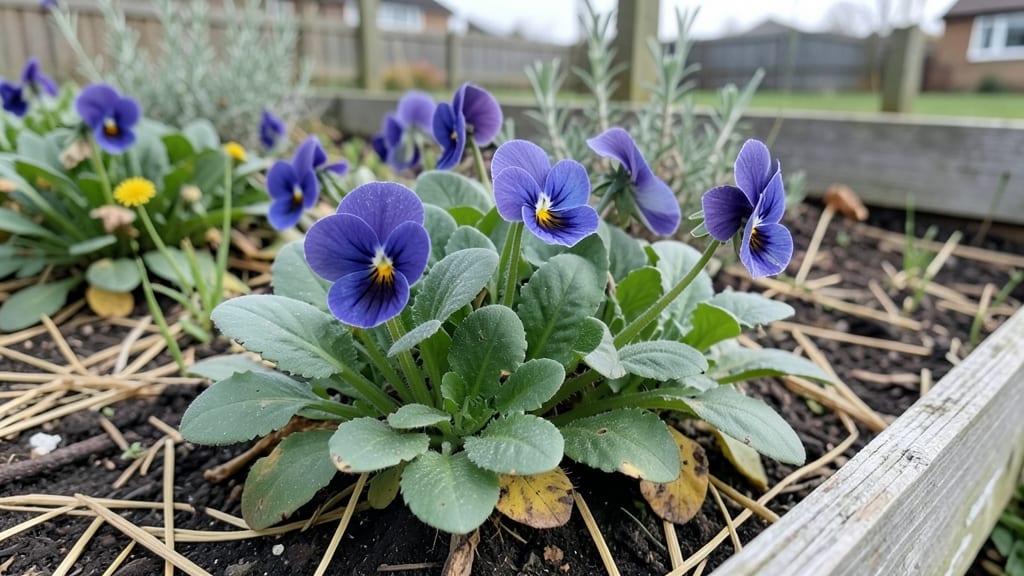
A pansy flower bed transforms your spring garden into a nonstop color show from March until frost—if you plan it right.
Picture this: bold purples and sunny yellows spilling over edges, tiny faces nodding in the breeze, and a display that keeps getting better as summer approaches. But here’s the catch—throwing pansies into the ground willy-nilly guarantees a muddy mess instead of a showstopper.
The secret? Layering heights, playing with contrasting hues, and pairing them with the right neighbors so they never look like an afterthought.
Whether you’re a first-time gardener or a seasoned pro, the key to a pansy bed that steals the show lies in smart spacing, color blocking, and knowing which plants will complement (not compete with) their cheerful blooms.
Skip the guesswork and learn how to arrange them for maximum impact—without sacrificing their hardy spring spirit.
In this guide, I’ll walk you through proven color combos, the best companion plants to stretch your season, and the easiest maintenance tricks to keep your 🌸 pansy flower bed looking fresh from March through September.
How to design a stunning pansy flower bed with color layering
A well-designed pansy flower bed transforms your garden into a season-long color spectacle. The key lies in vertical layering—arranging plants by height and color intensity to create depth and movement. Start by grouping tall varieties at the back, medium-height pansies in the middle, and low-growing types in the front.
This technique draws the eye upward while maximizing visual impact from every angle.
Color layering isn’t just about mixing hues—it’s about harmonizing them using the 60-30-10 rule. Allocate 60% of your space to dominant colors (like deep purples or blues), 30% to secondary shades (soft yellows or whites), and 10% to accent colors (bright oranges or reds).
This balance prevents visual clutter while creating a cohesive, eye-catching display that evolves as flowers bloom and fade.
Begin by sketching your flower bed layout on graph paper, using different colored pencils to represent each layer. This visual guide helps you visualize how colors will interact in sunlight and shade.
For example, deep purple pansies in the back will contrast beautifully with soft yellow midground varieties, while white or pink foreground pansies add a delicate touch. Pro tip: Use odd-numbered groupings (3, 5, or 7 plants) for each color block to create natural, flowing patterns.
Seasonal transitions are where color layering truly shines. In early spring, focus on cool tones like blues and purples to complement fresh foliage. As summer approaches, swap out heat-sensitive pansies for heat-tolerant varieties like 'Matrix' or 'Ice Follies' in warm hues of orange and yellow.
This rotational planting keeps your bed vibrant from March through October without gaps in color.
Don’t overlook textural contrast—mix pansies with plants that have different leaf shapes or foliage colors. For instance, silver-leaved dusty miller or deep green heuchera behind pansies adds depth, while lacy ferns in front softens the look.
These pairings ensure your flower bed remains dynamic even when pansies aren’t in full bloom. Aim for 30% foliage plants to balance the 70% flowering elements.
Light conditions dictate color perception, so test your design in different times of day. Morning sunlight enhances blues and purples, while afternoon light makes yellows and oranges pop. If your bed is in partial shade, opt for self-cleaning pansy varieties (like 'Sorbet') that thrive in lower light.
These adaptable types maintain their vibrant colors without fading, even in 4-6 hours of daily sun.
Maintenance is minimal but critical for long-term success. Deadhead spent blooms weekly to encourage new flowers, and mulch with 2-3 inches of shredded bark to retain moisture and suppress weeds. Fertilize lightly every 4-6 weeks with a balanced 5-10-10 formula during active growth (spring and fall).
Avoid over-fertilizing—pansies prefer moderate nutrition over heavy feeding, which can lead to leafy growth at the expense of flowers.
For low-maintenance designs, incorporate self-seeding annuals like lobelia or cornflower into your pansy bed. These fillers bloom alongside pansies and reseed naturally, reducing gaps in coverage. Pair them with perennial ground covers like creeping phlox or ajuga to create a self-sustaining ecosystem.
This approach cuts down on replanting while keeping your bed lush and colorful year after year.
Finally, experiment with themed color palettes to tie your pansy bed into your garden’s overall aesthetic. A monochromatic scheme (various shades of purple) feels sophisticated, while a rainbow gradient (red to violet) adds playfulness.
For a whimsical touch, intersperse black pansies ('Blackout') with chartreuse foliage plants like coleus—the contrast is striking and unexpected. Document your designs with photos to track what works best in your climate and lighting conditions.
Best pansy varieties and companion plants for year-round interest
Not all pansies are created equal—some thrive in cool spring conditions while others handle summer heat with ease. If you want a pansy flower bed that stays vibrant from March until frost, you’ll need to mix cool-season varieties with heat-tolerant types.
For example, the ‘Matrix’ series (like ‘Matrix Purple’) blooms prolifically in spring but may fade by June, while ‘Majesty’ pansies (such as ‘Majesty Sage’) rebound in fall when temperatures drop. Pairing these with the right companions ensures your bed never looks bare.
Your soil matters just as much as your pansy choices. Most varieties prefer well-draining, rich soil with a pH between 5.8 and 6.5. Amend heavy clay with compost or sand, and avoid soggy spots—root rot is a common killer.
For drought-prone areas, opt for ‘Cool Wave’ pansies, which tolerate mild dry spells better than others. A 2-inch layer of mulch (like shredded bark) helps retain moisture and keeps roots cool.
Here’s the game-changer: companion plants that bridge the gaps. While pansies shine in spring, snapdragons and stocks take over in late spring, and calendulas or sweet alyssum fill in during summer.
For year-round color, interplant perennials like heuchera (for foliage contrast) or coral bells, which thrive in the same partial shade pansies love. Even low-growing ornamental grasses, such as ‘Little Spruce’ sedge, add texture without stealing the show.
For low-maintenance beds, focus on perennial companions that return yearly. Creeping thyme adds fragrance and deters pests, while ajuga (bugleweed) spreads to suppress weeds. If your bed gets hot afternoon sun, mix in shade-loving annuals like impatiens or begonias to protect pansy roots.
Pro tip: Group 3-5 pansies together in clusters—this creates a fuller look and makes deadheading easier. Space them 8-12 inches apart, leaving room for companions to fill gaps as the season progresses.
Don’t overlook foliage contrast—pansies’ rounded shapes pair beautifully with spiky foliage like ‘Moonlight’ yarrow or ‘Autumn Joy’ sedum. These perennials also extend your bed’s lifespan, as they bloom when pansies fade. For container gardens, combine ‘Cool Wave’ pansies with trailing lobelia and busy Lizzie