
Flowers
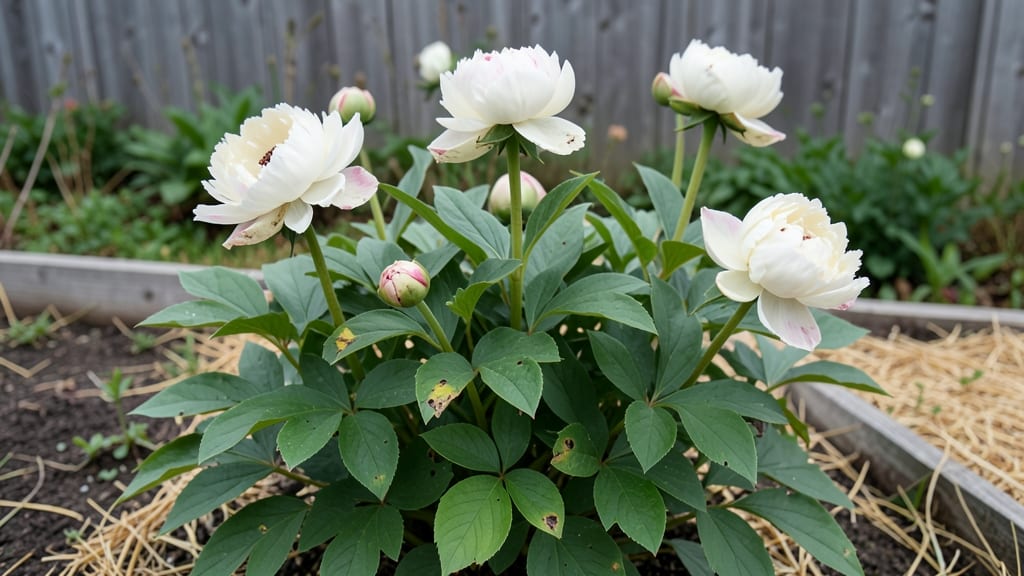
Peonies in raised beds finally give these divas the perfect stage to shine. 🌸 I’ve battled floppy stems and weak blooms in ground-planted peonies for years—until I discovered how raised beds solve their biggest problems: drainage, root crowding, and soil consistency. The difference is night-and-day blooms that last for weeks.
Start with a 3-foot-wide bed (they hate being cramped) and fill it with a mix of 60% garden soil, 30% compost, and 10% perlite for that sweet spot of moisture retention without soggy roots.
Plant bare-root peonies in early fall or late winter, setting the "eyes" (bud union) just 2 inches below soil level—any deeper and you’ll wait forever for blooms. Stake each plant before buds swell to prevent wind from turning those heavy blooms into floppy messes.
By summer, you’ll have vibrant, fragrant blooms that outperform ground-planted peonies—no more struggling with compacted soil or fungal issues. The raised-bed setup also makes dividing roots easier every 3-5 years, so you can share (or sell) those lush clumps without digging up your whole yard.
Plus, the elevated height keeps deer from munching on your hard work.
This method works for herbaceous peonies (the classic bloomers) and even tree peonies (the ones with woody stems), though tree types need slightly deeper beds. The secret? Consistent moisture—never let raised beds dry out completely, but don’t drown them either.
Mulch with 2-3 inches of straw in spring to lock in moisture and keep roots cool. Now go make your neighbors jealous with those football-sized blooms.
📚 In This Guide
- What you need
- Instructions
- Tips and common mistakes
- Wrapping up and next steps
What you need
- ● Raised bed: Wooden, metal, or composite (4’ x 8’ recommended; height 10–12” for drainage).
- ● High-quality soil: 3–4 cubic yards of well-draining garden soil mixed with compost (ratio: 2 parts soil, 1 part compost).
- ● Peony roots: Bare-root or container-grown (choose herbaceous or tree peonies; 3–5 plants per bed for full blooms).
- ● Organic mulch: 2–3 inches of straw, wood chips, or pine needles to retain moisture.
- ● Drip irrigation or soaker hose: For consistent watering (avoid overhead sprinklers to prevent disease).
- ● Garden gloves and pruners (sterilized with rubbing alcohol).
- ● Garden fork or tiller (to aerate soil if compacted).
- ● pH test kit (ideal soil pH: 6.0–7.0; amend with lime or sulfur if needed).
- ● Fertilizer: Balanced 10-10-10 or bone meal (sprinkle lightly at planting; avoid high-nitrogen).
- ● Stakes or cages (for tree peonies to support heavy blooms).
- ○ Row cover or shade cloth (optional; protects from harsh sun or pests in early growth).
Step-by-step guide for planting peonies in raised beds
Peonies thrive in raised beds with proper soil and spacing—here's how to set them up for decades of blooms.
🌱 Step 1: Prepare the Raised Bed for Planting
Start by filling your 4-foot wide x 8-foot long raised bed with a mix of 2 parts garden soil, 1 part compost, and 1 part coarse sand to ensure excellent drainage. Peonies despise soggy roots, so this blend prevents rot while retaining moisture. I like to till in a 5-pound bag of bone meal at this stage—it provides phosphorus for strong root development and future blooms.
Rake the bed smooth and create planting holes 2 feet apart in rows spaced 3 feet apart. Peonies need room to grow, and crowding leads to weak stems and fewer flowers. The holes should be 18 inches deep—this mimics their natural woodland habitat and encourages deep root establishment. Here's the thing—don't rush this step. Take your time to make each hole the same depth; uneven planting causes uneven growth later.
🪴 Step 2: Plant Bare-Root Peony Crowns Correctly
When planting 4 bare-root peony crowns, position each plant so the eyes (buds) sit 2 inches below the soil surface. This depth ensures winter protection while allowing spring growth. I always check this by holding the crown at arm's length and making sure the buds are clearly visible before covering—this prevents planting too deep, which can suffocate new shoots.
Spread the roots outward in the hole and backfill with your prepared soil mix, pressing gently to remove air pockets. Water immediately after planting to settle the soil around the roots. You'll see the soil settle about an inch as you water, so add more if needed. Avoid compacting the soil too firmly—peony roots need loose, well-aerated soil to thrive.
☀️ Step 3: Establish Proper Watering and Light Conditions
Water deeply once a week during the first growing season, providing 1 gallon per plant each time. You'll know you've watered enough when the soil feels moist 6 inches down—peony roots need consistent moisture but hate sitting in water. Mulch with 3 inches of shredded bark around each plant to retain moisture and suppress weeds, but keep the mulch 6 inches away from the crown to prevent rot.
Peonies demand full sun (6-8 hours daily) for optimal blooming. In raised beds, they often get more light than in-ground plantings, which speeds up establishment. If you notice leaves yellowing between veins, that's a classic sign of too much shade—move the bed to a sunnier location if possible. The first year, focus on root growth rather than blooms; you'll get your most spectacular flowers in years 3-5.
✂️ Step 4: Prune and Maintain for Longevity
Deadhead spent blooms by cutting the stem back to the first set of healthy leaves, but never cut into the woody stem—this prevents next year's buds from forming. I use clean, sharp pruners to make clean cuts just above a leaf node. This simple step extends the blooming season and keeps plants looking tidy without sacrificing next year's flowers.
In late fall, cut back the foliage to 6 inches above the ground once it turns brown. This prevents disease overwinter and makes the bed look neat. Peonies are remarkably low-maintenance once established, but I still check for peony wilt disease each spring—remove any suspicious leaves immediately and dispose of them in the trash, not the compost.
Tips & tricks for perfectly established peonies in raised beds
These essential insights will help you transform your raised bed into a thriving peony sanctuary that rewards you with decades of fragrant blooms.
Soil Science: The 2:1:1 soil blend (garden soil, compost, coarse sand) is non-negotiable for peonies. I've learned the hard way that skipping the sand leads to compacted soil and root rot. For even better drainage, consider adding 1/4 cup of perlite to each planting hole—it creates air pockets that peony roots adore. The bone meal is your secret weapon for blooms, but don't overdo it—stick to the 5-pound bag recommendation to avoid phosphorus overload.
Planting Precision: That 18-inch depth for planting holes isn't arbitrary—it mimics peonies' natural woodland habitat where they develop deep, sturdy root systems. Use a depth gauge or even a marked dowel to ensure consistency across all holes. I mark mine with masking tape at the 18-inch point before digging. Pro tip: Plant on a slightly cloudy day to reduce transplant shock—peony roots are sensitive to direct sunlight during this critical stage.
Watering Wisdom: The once-weekly, 1-gallon-per-plant rule works beautifully, but here's what nobody tells you: check soil moisture at 6 inches down with a soil probe or even a sturdy screwdriver. If it comes out clean, you've watered enough. If it's damp, wait another day. Overwatering in raised beds is a silent killer—those sandy components drain quickly, but they also dry out fast. Consider installing a simple drip irrigation system on a timer for hands-off perfection.
Light Management: Those 6-8 hours of full sun are non-negotiable, but here's the catch: raised beds often get hotter than ground-level plantings. If your bed gets intense afternoon sun, provide afternoon shade during the first growing season to prevent stress. I use shade cloth for the first month after planting—it's worth the investment for long-term plant health. And watch for that yellowing between veins—it's your early warning system for insufficient light, not nutrient deficiency.
Pro Tips for Peonies In Raised Beds
- These essential insights will help you transform your raised bed into a thriving peony sanctuary that rewards you with decades of fragrant blooms.
- Soil Science: The 2:1:1 soil blend (garden soil, compost, coarse sand) is non-negotiable for peonies.
- Planting Precision: That 18-inch depth for planting holes isn't arbitrary—it mimics peonies' natural woodland habitat where they develop deep, sturdy root systems.
Frequently asked questions
Got questions about growing peonies in raised beds? You’re not alone—these stunning perennials spark curiosity! Here are answers to the most common queries to help you cultivate thriving, fragrant blooms with confidence.
How deep should my raised bed be for peonies?
Peonies thrive in 12–18 inches of soil depth to accommodate their thick roots (called "eyes"). If your bed is shallower, amend the soil with compost or add a layer of mulch to improve drainage and root expansion. Avoid planting too deep—burying the eyes more than 2 inches can delay or prevent flowering!
When is the best time to plant peonies in raised beds?
Fall (late September to November) is ideal for planting peonies, as cooler temps encourage root growth before winter. Spring planting (March–April) works too, but ensure the soil is workable and not waterlogged. Never plant in summer heat—stress can stunt their development.
What pests or diseases should I watch for in raised beds?
Peonies are generally low-maintenance, but watch for botrytis blight (gray mold on flowers) and peony leaf blight. To prevent issues, space plants 3–4 feet apart for airflow, avoid overhead watering, and remove spent blooms promptly. Ladybugs and lacewings are natural allies against aphids!
Can I grow peonies in raised beds without herbicides?
Peonies are herbicide-free by nature and thrive with organic care. Use mulch (straw or shredded leaves) to suppress weeds, hand-pull invaders early, and apply a compost tea for nutrient-rich soil. Their lush foliage naturally crowds out weeds over time!
Do peonies need winter protection in raised beds?
Hardy peonies (USDA Zones 3–8) usually survive winters unprotected, but young plants or Zone 3 gardens benefit from a 4–6 inch layer of mulch (straw or shredded bark) after the first frost. This insulates roots and prevents heaving. In extreme cold, a light frost blanket can offer extra security.
Why aren’t my peonies blooming in raised beds?
Peonies need 6–8 hours of sun daily and well-draining soil to flower. Common culprits: over-fertilizing (especially nitrogen), planting too deep, or young plants still establishing roots. Give them patience—peonies often bloom 2–3 years after planting!
Wrapping up and next steps
Growing peonies in raised beds is a rewarding way to enjoy their lush blooms and sweet fragrance while ensuring long-term health and beauty.
With the right soil, spacing, and care, these perennials thrive year after year, offering stunning displays and minimal fuss. Ready to transform your garden? Start by sketching your raised bed layout, then gather your materials and dive in—your fragrant peony paradise awaits! 🌸