
Landscaping
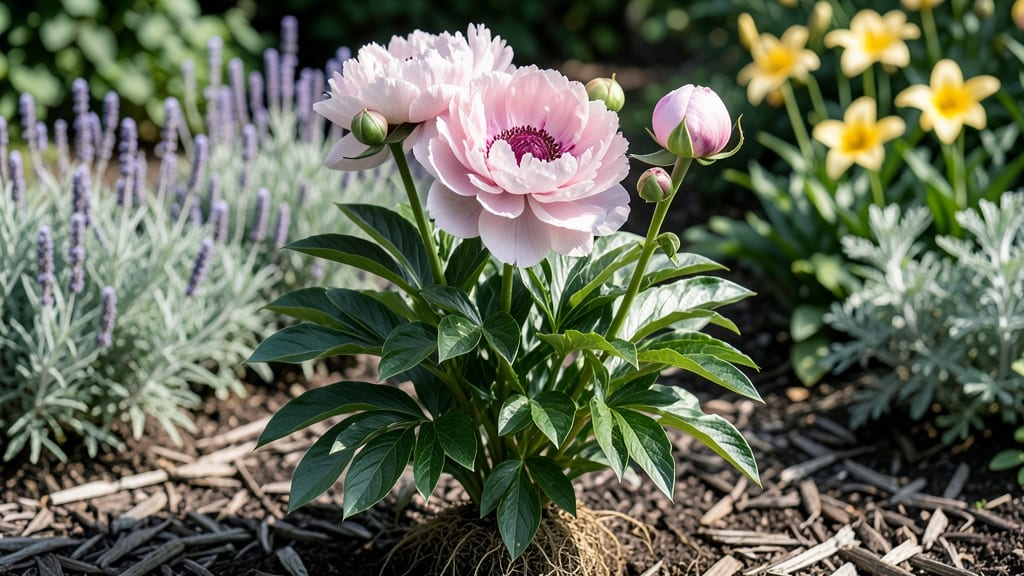
Peony flower bed ideas transform any garden into a fragrant, lush masterpiece that lasts from spring through fall. 🌸 I’ve designed beds where bold blooms create a dramatic backdrop while delicate foliage adds texture—layering heights and scents that change with each season.
The secret isn’t just choosing the right peonies (like ‘Sarah Bernhardt’ for height or ‘Duchesse de Nemours’ for fragrance) but pairing them with plants that extend the show long after petals fade.
Start with a sunny, sheltered spot—peonies hate wind and need at least 6 hours of light daily. My go-to layout? Group 3-5 peonies of the same variety together for impact, then tuck in low-growing perennials like creeping thyme or lamb’s ear for contrast.
Add vertical elements—ornamental grasses or a small shrub like dwarf lilac—to frame the bed and draw eyes upward. The result? A romantic, structured look that works for cottage gardens, modern borders, or even urban courtyards.
What makes these beds truly special is the layered fragrance—some peonies smell like roses, others like spice or honey. Pair them with companion plants that release scent at different times: lavender in summer, sweet alyssum in spring, or Russian sage in late summer.
Even after blooms fade, the ruffled foliage stays striking, and fall interest comes from seed heads or added ornamental kale. Maintenance is simple: mulch well, stake tall varieties early, and divide clumps every 4-5 years to keep them vigorous.
For inspiration, try a modern twist with a monochromatic palette (all whites or soft pinks) or a cottage garden with mixed heights and wildflower drifts. If space is tight, use container peonies in large pots—just ensure they get deep roots.
The key is balancing structure and spontaneity: peonies anchor the design, while companions add movement and color. Ready to create your own fragrant, seasonal masterpiece?
📚 In This Guide
- What you need
- Instructions
- Tips and common mistakes
- Wrapping up and next steps
What you need
- ● Peony plants: 9–15 bare-root or container-grown peonies (depending on bed size). Choose varieties like 'Sarah Bernhardt' (pink) or 'Kansas' (red) for drama.
- ● High-quality garden soil: 5–10 cubic yards (or amend existing soil with compost). Peonies thrive in well-draining, fertile soil with a pH of 6.0–7.0.
- ● Organic compost: 2–3 bags (for enriching soil and improving drainage). Look for balanced blends with nitrogen, phosphorus, and potassium.
- ● Mulch: 2–3 cubic feet of wood chips or straw to retain moisture and suppress weeds.
- ● Peony-specific fertilizer: 1–2 bags of low-phosphorus, high-potassium fertilizer (e.g., 5-10-10 or 10-20-20). Avoid high-nitrogen fertilizers.
- ● Garden stakes or rings: 10–15 stakes (6–12 inches tall) to support heavy blooms.
- ● Shovel or spade (for digging)
- ● Garden trowel (for planting roots)
- ● Wheelbarrow (for moving soil/compost)
- ● Rake (to level the bed)
- ● Measuring tape (to ensure proper spacing)
- ● Pruning shears (for trimming dead foliage post-planting)
- ● Gloves (to protect your hands)
- ● Edging materials: Brick, stone, or metal edging to define the bed (e.g., 2–3 feet of landscape timbers or flexible steel edging).
- ● Companion plants: Perennials like lavender, catmint, or Russian sage for texture and pollinator appeal.
- ● Drip irrigation system: To automate watering (especially in hot climates).
- ● Decorative rocks or gravel: For a polished, low-maintenance look around the bed.
- ● Peony-specific fungicide: (e.g., copper-based spray) to prevent botrytis blight in humid areas.
How to design a stunning peony flower bed with height and fragrance layers
Peonies bring drama and fragrance to any garden—here's how to layer them for year-round visual interest.
🌿 Step 1: Plan Your Height Layers for Seasonal Impact
Start by sketching your bed layout, dividing it into three distinct height zones: low, mid, and high. I like to use 12-18 inches as the peony's base height—these will form your mid-layer. Place them 2-3 feet apart to allow mature foliage to spread without overcrowding.
For the low layer, add ground covers like creeping thyme or ajuga that stay under 6 inches tall. These prevent soil erosion and create a lush carpet beneath your peonies. The high layer should feature upright perennials like delphiniums or hollyhocks, reaching 4-6 feet, to frame the peonies dramatically.
Real talk: Don't plant peonies against a fence or wall—they need 18-24 inches of clearance behind them for their massive root systems to establish. I always mark their future positions with stakes before digging.
💧 Step 2: Prepare the Soil for Peony Success
Peonies thrive in well-draining soil with a slightly alkaline pH of 6.5-7.5. Work in 2-3 inches of compost and a handful of bone meal into the top 12 inches of soil—this ensures they have phosphorus for strong root development. I like to mix in a 5-10-10 fertilizer at planting to give them a nutrient boost.
Dig planting holes 2 feet wide and deep—peony roots need space to spread horizontally. The crown (where roots meet stems) should sit 1-2 inches below soil level after planting. This prevents crown rot while allowing roots to expand freely.
Here's the thing—peonies hate soggy feet. If your soil drains poorly, add a 1-inch layer of coarse sand or perlite to the bottom of the hole before backfilling. You'll see the difference in bloom quality within two seasons.
☀️ Step 3: Position for Sunlight and Airflow
Peonies demand 6-8 hours of direct sunlight daily for their iconic blooms. I always place them where morning sun warms the flowers gently, and afternoon light dries dew quickly—this prevents fungal issues. Avoid spots where water pools after rain.
Space your peony varieties by bloom time to extend the season. Early bloomers like 'Sarah Bernhardt' open in late May, while late varieties like 'Bowl of Beauty' last until June. This staggered approach ensures your bed stays vibrant for 4-6 weeks.
Watch for leggy stems or flowers leaning toward the light—that's your cue to rotate the bed a quarter turn weekly. You'll notice stems grow straighter and blooms face outward more evenly after just a few adjustments.
✂️ Step 4: Layer Fragrance and Texture for Depth
Add fragrant companions like lavender, catmint, or Russian sage around the peony edges—their scent complements the peonies' heady perfume. I plant these 12-18 inches away from peony crowns to avoid root competition but close enough for a cohesive look.
For texture contrast, weave in foliage plants like ornamental grasses (like 'Karl Foerster' feather reed grass) or hostas with variegated leaves. These fill gaps between peony blooms and add movement to the bed. Just keep grasses 2 feet away from peony roots—they can become invasive.
Don't skip the mulch layer. Apply 2-3 inches of shredded bark mulch around the base, keeping it 3 inches away from stems to prevent rot. This preserves moisture while keeping roots cool in summer.
🌱 Step 5: Maintain for Long-Term Beauty
After blooms fade, cut stems back to 2 inches above the soil line—never remove all foliage, as peonies store energy in their leaves for next year's flowers. I mark each plant with a small stake labeled with the variety to avoid confusion when pruning.
Fertilize lightly in early spring with a 5-10-10 formula, applying it 6 inches away from the crown. Peonies hate fresh manure or high-nitrogen feeds—they'll produce lush leaves but few blooms. You'll see stronger stems and larger flowers within a season.
Real talk: If a peony stops blooming, it's likely overcrowded. Dig up and divide clumps every 4-5 years in early fall. You'll know it's time when you see multiple stems emerging from a single crown—this is their way of signaling they need more space.
Tips & tricks for stunning peony flower beds
These garden design secrets will help you create a peony display that wows neighbors and extends your blooming season.
Layering Secret: When planning your 12-18 inch peony mid-layer, consider adding a few dwarf varieties (like 'Belle of Saratoga') at 10-12 inches for extra visual interest. These create natural tiered layers while keeping the overall height balanced. I've found that spacing them 18 inches apart in the mid-layer prevents overcrowding as they mature—this gives their roots room to breathe without sacrificing that lush, full look.
Soil Prep Pro Tip: The 6.5-7.5 pH requirement isn't just about numbers—test your soil with a simple kit before planting. If you're in a naturally acidic area, mix in 1 cup of garden lime per square foot when preparing the 2 feet wide and deep planting holes. I've seen peonies in acidic soil struggle to bloom, even with perfect sunlight. The lime helps neutralize the acidity while the 2-3 inches of compost provides organic matter that peonies absolutely crave for their massive root systems.
Sunlight Strategy: That 6-8 hours of direct sunlight requirement is non-negotiable, but here's the twist: if your garden gets intense afternoon sun, position peonies where they receive morning sun and afternoon shade. This prevents the petals from scorching while still giving them enough light to develop those iconic blooms. I've noticed that peonies in full afternoon sun often develop brown spots on their petals by midday—this simple adjustment keeps them looking fresh all season.
Fragrance Layering: For maximum scent impact, plant your most fragrant peonies (like 'Sarah Bernhardt' or 'Duchesse de Nemours') in the center of your bed where the breeze carries their perfume outward. Pair these with 12-18 inches away from lavender or catmint—their complementary scents create a sensory experience when you brush past the bed. I always plant these fragrant combinations near seating areas or garden paths where visitors will naturally stop and inhale.
Pro Tips for Peony Flower Bed Ideas
- These garden design secrets will help you create a peony display that wows neighbors and extends your blooming season.
- Layering Secret: When planning your 12-18 inch peony mid-layer, consider adding a few dwarf varieties (like 'Belle of Saratoga') at 10-12 inches for extra visual interest.
- Soil Prep Pro Tip: The 6.5-7.5 pH requirement isn't just about numbers—test your soil with a simple kit before planting.
Frequently asked questions
about creating a stunning peony flower bed—because even the most beautiful gardens start with smart planning! Here are answers to the questions we hear most often.When is the best time to plant peonies for a thriving flower bed?
The ideal time to plant peonies is in early fall (4–6 weeks before the first frost) or early spring (as soon as the soil is workable). Fall planting gives roots time to establish before winter, while spring planting works in milder climates. Avoid planting in extreme heat or cold—peonies hate stress!
How far apart should I space peonies in my flower bed?
Peonies need room to grow! Space them 3–4 feet apart for herbaceous types (which die back in winter) and 4–5 feet apart for tree peonies (which stay woody). Proper spacing prevents overcrowding, improves airflow (reducing disease risk), and ensures each plant gets enough sunlight. Think of it as giving them their own "personal bubble" in the garden!
Can I mix peonies with other flowers in my bed? If so, which ones pair well?
Peonies play well with others. Try pairing them with delphiniums (for height contrast), lavender (for fragrance and texture), or salvias (for bold foliage). For a cottage-garden look, add roses, irises, or daylilies. Just avoid overly aggressive plants like mint or bamboo, which can crowd them out. Pro tip: Group peonies with plants that have similar water needs!
Why aren’t my peonies blooming, even though they look healthy?
Peonies are slow to mature—they often take 2–3 years to bloom after planting! Other common reasons for no flowers include:
- Too much nitrogen: Fertilizers high in nitrogen promote leafy growth but few blooms. Use a low-nitrogen, high-phosphorus fertilizer instead.
- Overcrowding: Dig up and divide clumps every 5–6 years to rejuvenate them.
- Improper sunlight: Peonies need 6–8 hours of full sun daily. Shady spots = fewer blooms.
Do peonies come back every year, or do I need to replant them annually?
Good news: Peonies are perennials and will return year after year—often for decades—with proper care! Herbaceous peonies die back in winter but regrow from their roots, while tree peonies stay evergreen. The key to longevity? Avoid moving them once planted (they hate transplant shock) and divide them every few years to keep them vigorous. Think of them as the "grandparents" of your garden—reliable, elegant, and full of stories!
Wrapping up and next steps
Transforming your garden with a stunning peony flower bed is all about embracing their lush blooms and intoxicating fragrance—while keeping seasonal beauty front and center. Whether you opt for bold height layers, fragrant pairings, or low-maintenance designs, these ideas ensure a showstopper that thrives year after year. 🌸
Now that you’re inspired, take the next step! Start small with a single peony variety or dive into a full garden overhaul. Grab your gloves, sketch a rough layout, and let your creativity bloom—your future garden will thank you! 🌱