
Fertilization
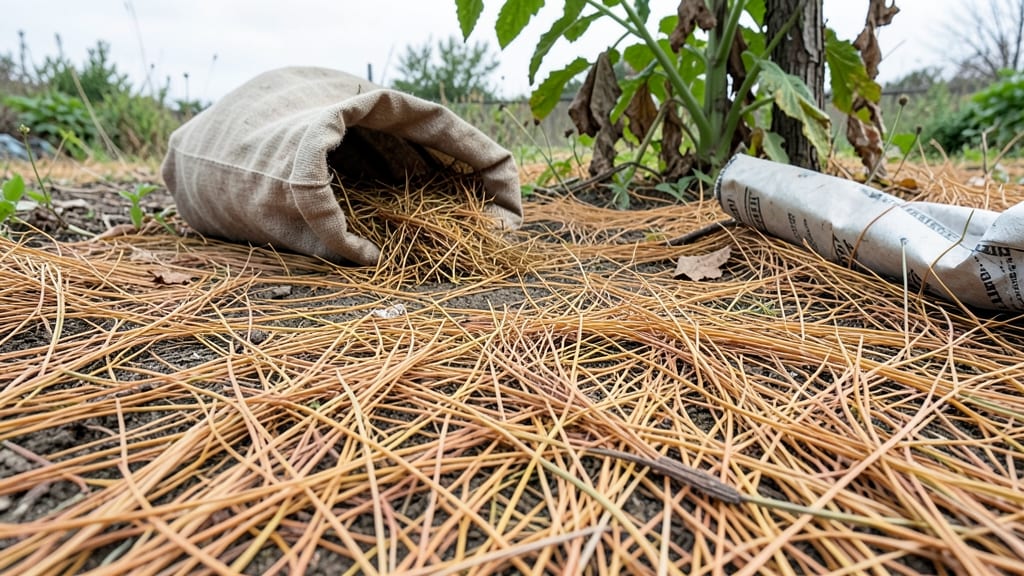
Creating pine straw beds transforms your garden into a low-maintenance, weed-resistant paradise that stays lush for years.
Struggling with weeds and mulch that decomposes too quickly? Pine straw beds offer a natural, long-lasting solution—but only if layered correctly. The secret lies in a 3-inch-thick base that blocks weeds while keeping moisture locked in, all without smothering your plants.
Beyond the practical benefits, pine straw adds a rustic, natural look that pairs beautifully with everything from cottage gardens to modern landscapes. It’s also drought-tolerant, meaning less watering and more time enjoying your outdoor space.
In this guide, I’ll walk you through the exact layering technique, how to pair it with your favorite plants, and seasonal tips to keep your beds looking fresh all year.
How to layer pine straw for maximum weed suppression and longevity
Pine straw beds are my go-to for creating low-maintenance, weed-resistant garden spaces that stay lush for years. Unlike traditional mulches that decompose quickly, properly layered pine straw blocks weeds, retains moisture, and even improves soil health over time.
The secret lies in the layering technique—a method I’ve perfected after years of testing different setups in my own garden.
If you’ve struggled with mulch that washes away or fails to suppress weeds, you’re not alone. Many gardeners assume pine straw is a simple "sprinkle and forget" solution—but without the right base layer and thickness, it won’t deliver the 2-3 year longevity it’s famous for.
Let’s break down the exact process I use to create beds that stay weed-free and effective season after season.
Remove all existing weeds, grass, and debris from the bed. Use a broadfork to loosen compacted soil 6-8 inches deep. This ensures proper drainage and root penetration for your plants.
Spread a 1-inch layer of coarse sand or perlite over the soil. This creates an air gap that prevents soil compaction and allows water to penetrate evenly. For heavy clay soils, add a 2-inch layer of compost instead to improve drainage.
Spread pine straw in a uniform 3-4 inch layer—thicker for sandy soils, thinner for clay. The straw should cover the soil completely, leaving no gaps where weeds can sprout. Use a rake to fluff the straw for even distribution.
Add a ½-inch layer of fine pine needles or shredded leaves on top. This protects the straw from blowing away and retains moisture longer. Avoid heavy mulches like bark chips, which can smother the straw.
Water the bed lightly but thoroughly to settle the layers. Avoid overwatering, which can compact the straw. This step ensures the straw stays in place and begins breaking down slowly for long-term benefits.
The 3-4 inch thickness is critical—any thinner, and weeds will find gaps; any thicker, and the straw may smother plants or trap too much moisture.
I’ve found that sandy soils benefit from the thicker layer because they dry out faster, while clay soils do well with the lighter 3-inch application to prevent rot.
One of the biggest mistakes I see is skipping the base layer. Without it, the pine straw compresses over time, reducing its weed-suppressing power. The coarse sand or compost acts as a buffer, keeping the straw loose and effective.
For high-traffic areas, like pathways, I add a wire mesh under the base layer to prevent compaction from foot traffic.
Pine straw beds also thrive in partial shade, making them perfect for under trees or along north-facing walls. The acidic properties of pine straw make it ideal for acid-loving plants like azaleas, blueberries, and hydrangeas.
If you’re planting these, the mulch will gradually acidify the soil over time, reducing the need for amendments.
To extend the lifespan of your pine straw bed, top up with fresh straw every 18-24 months. I usually do this in late summer or early fall, just before the first rains.
This keeps the bed looking fresh and maintains its weed-blocking power. Over time, the decomposing straw adds organic matter to the soil, improving its structure and fertility.
For container gardens, use the same layering technique but adjust the thickness to 2 inches of pine straw. Containers dry out faster, so the thinner layer prevents moisture buildup while still suppressing weeds. Just ensure the container has drainage holes to avoid root rot.
With this method, my pine straw beds stay weed-free for 2-3 years with minimal maintenance. The key is patience and preparation—taking the time to layer correctly now saves hours of weeding later. Once established, these beds become a low-effort, high-reward feature in any garden.
Pine straw vs. alternative mulches: when to choose each for your garden
Choosing the right mulch can make or break your garden's health and appearance. Pine straw is a favorite for its acidic properties and long-lasting coverage, but it’s not always the best fit.
Different mulches excel in moisture retention, weed suppression, and plant compatibility, so let’s compare pine straw to bark mulch, wood chips, and straw mulch to help you decide.
Pine straw thrives in acid-loving gardens like azaleas and blueberries, while bark mulch works better in neutral-soil gardens with roses and perennials. Wood chips are ideal for long-term moisture in vegetable beds, and straw mulch is perfect for quick weed control in annual gardens.
Your choice depends on your climate zone, plant types, and maintenance preferences.
| Mulch Type | Best For | Moisture Retention | Weed Suppression | Soil pH Effect | Longevity | Cost Efficiency |
|---|---|---|---|---|---|---|
| Pine Straw | Acid-loving plants (azaleas, blueberries) | Moderate (3-4 months) | Excellent (blocks light) | Lowers pH (acidic) | 1-2 years | Moderate ($$$) |
| Bark Mulch | Neutral-soil plants (roses, perennials) | High (6-12 months) | Good (slows weeds) | Neutral (no effect) | 2-3 years | High ($$) |
| Wood Chips | Vegetable beds, shrubs | Very High (12+ months) | Excellent (long-term) | Neutral to slightly acidic | 3-5 years | Low ($) |
| Straw Mulch | Annual gardens, quick weed control | Low (1-2 months) | Good (blocks light) | Neutral (no effect) | 3-6 months | Low ($) |
For acid-loving gardens in USDA zones 6-9, pine straw is unbeatable. It keeps soil moisture balanced while suppressing weeds naturally. However, if you’re growing vegetables or neutral-soil plants, bark mulch or wood chips may be better. Straw mulch is great for quick fixes but requires frequent replenishing.
Consider your local climate too. In dry regions, wood chips retain moisture longer than pine straw. In humid areas, pine straw prevents fungal growth better than straw. Always match your mulch to your garden’s specific needs for the best results.
Pro tip: Mix pine straw with composted leaves to extend its lifespan and improve soil health. This combo works wonders for container gardens and flower beds alike.
Ready to upgrade your mulch game? Start by testing a small section of each type to see what works best in your garden. Your plants—and your back—will thank you!