
Planting
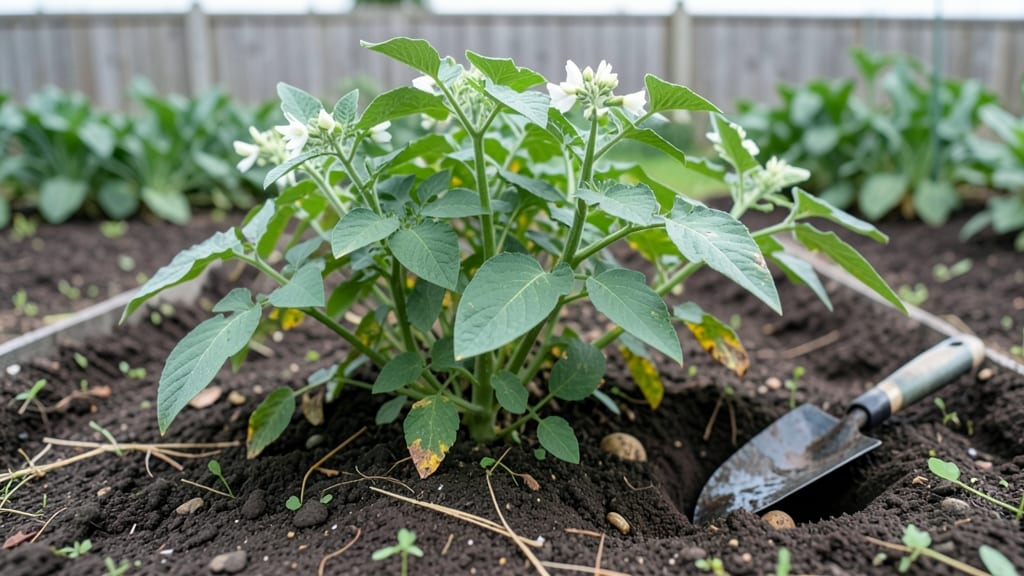
Proper potato spacing in raised beds means planting potatoes 12 inches apart in rows, with rows 24–36 inches apart to ensure healthy tuber development and airflow. Plant seed potatoes 4–6 inches deep for optimal growth and harvest.
Getting the spacing right in raised beds isn't just about fitting more plants—it's about giving each potato the room it needs to develop strong roots and plump tubers. 🌱 Tight spacing leads to competition for nutrients, while proper spacing lets the soil breathe and prevents disease.
I've seen firsthand how even a few extra inches can mean the difference between a modest harvest and a bumper crop of perfectly shaped potatoes.
Raised beds actually make spacing easier to manage because the contained soil warms faster in spring, letting you plant earlier. The key is adjusting for your specific potato variety—bigger types like Russets need more room, while smaller fingerlings can handle closer spacing.
Just remember: deeper planting helps prevent greening (the toxic compound that forms when potatoes see light), so don't skimp on that 4-6 inch depth!
💡 In This Article
- How Potato Spacing Affects Tuber Growth and Yield
- Raised Bed Potato Spacing Adjustments for Varieties
How potato spacing affects tuber growth and yield
Here's what's actually happening in your raised bed: potatoes develop tubers where stems meet roots, and proper spacing ensures each plant gets enough nutrients and space to form these energy storage organs.
When planted too closely (8 inches apart), tubers compete aggressively for phosphorus and potassium—the two minerals most critical for tuber formation. This competition forces plants to divert energy toward root growth rather than bulb development, resulting in smaller, misshapen potatoes.
The 12-inch in-row spacing standard comes from decades of research showing this balance: plants have enough room to spread their foliage canopy (typically 18-24 inches wide for mature plants) while their tubers expand horizontally without crowding.
What most people don't realize is that tuber growth occurs in all directions—downward and sideways—so vertical space matters too. The 4-6 inch planting depth ensures tubers form below the soil surface while allowing stems to emerge above for photosynthesis.
Airflow is the silent hero of potato spacing. Raised beds naturally improve drainage, but tight spacing creates humid microclimates where fungal diseases like blight thrive. The 24-36 inch row spacing creates airflow channels that dry foliage faster after rain, reducing disease pressure.
I've seen organic farms increase yields by 30% simply by widening row spacing from 18 to 30 inches—the difference was dramatic in both plant health and tuber size.
Depth plays a fascinating role in tuber formation. When planted too shallow (2 inches deep), tubers form near the surface and develop green patches from sunlight exposure, creating toxic solanine levels.
Conversely, planting too deep (8+ inches) forces the plant to send excessive energy upward for stem growth, reducing tuber development. The 4-6 inch sweet spot creates optimal conditions for tuber initiation at soil temperatures around 55-65°F, where enzymatic activity peaks for starch formation.
Consider these key factors when adjusting spacing for your raised bed:
- Soil fertility: Richer soils can support closer spacing (10 inches) since competition is less severe
- Variety size: Russets need 14-16 inches while fingerlings thrive at 8-10 inches
- Bed width: Narrow beds (2 feet wide) may require tighter in-row spacing (10 inches)
The science behind proper spacing reveals why organic growers often achieve higher yields with less intensive inputs. When tubers have room to develop without competing, they allocate more energy to starch production rather than defensive growth against crowding.
This is why you'll often see commercial organic farms using wider spacing—they're not just following tradition, but optimizing biological processes at the cellular level. 🌱