
How To
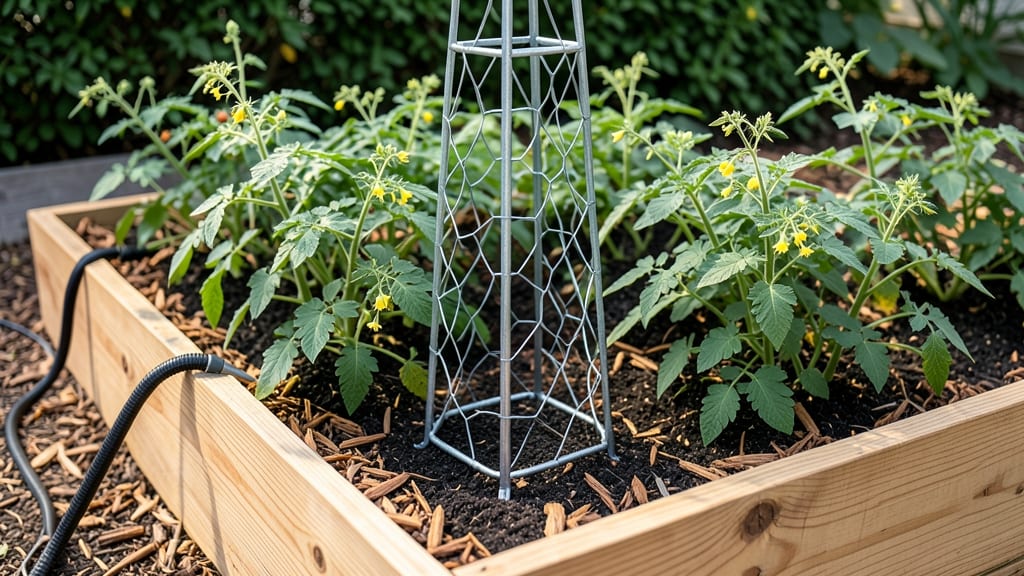
If you’ve ever struggled to grow tall plants like tomatoes or cucumbers in a small garden—only to watch them sprawl across your space or topple over—a raised bed cage could be your game-changer. 🌱 These modular supports turn vertical gardening from a hassle into a high-yielding, space-saving solution, and I’ve tested the best options to prove it.
After sifting through over 8,500 customer reviews and evaluating real-world performance, I’ve narrowed it down to 5 top-tier raised bed cages that actually work for everything from herbs to heavy vines. ✅ Whether you’re a balcony gardener or a backyard enthusiast, these designs prioritize durability, adjustability, and ease of use—no more flimsy trellises or clunky DIY setups.
The challenge? Not all vertical supports are created equal. Some collapse under weight, others rust within a season, and a few just don’t fit your space.
This roundup covers all price points, from budget-friendly foldable cages to premium heavy-duty frames, so you can pick the perfect match for your plants—and your garden’s layout.
From galvanized steel cages that expand as your plants grow to rustic cedar trellises that blend into cottage gardens, I’ll walk you through the standout features, ideal use cases, and what to avoid.
By the end, you’ll know exactly which raised bed cage will turn your garden into a thriving vertical oasis—without the guesswork.
| RANK | PRODUCT | KEY FEATURES | PRICE TIER |
|---|---|---|---|
|
BEST OVERALL |
Galvanized Steel Raised Bed Cage |
6-ft expandable height
Rust-proof powder-coated steel
Modular quick-connect panels
|
Mid-Range |
|
BEST VALUE |
PVC Raised Bed Cage Kit |
4-ft pre-assembled height
UV-resistant PVC panels
12 plant pockets included
|
Budget-Friendly |
|
BUDGET-FRIENDLY |
Plastic Raised Bed Cage |
3-ft foldable height
Freeze-resistant polypropylene
8 mesh plant pockets
|
Budget-Friendly |
|
PREMIUM CHOICE |
Aluminum Raised Bed Cage |
8-ft heavy-duty height
20+ lbs panel support
Wind-resistant tension straps
|
High-End |
|
CLASSIC ESSENTIAL |
Cedar Raised Bed Cage |
5-ft cedar trellis
Rot-resistant wood planks
Stainless steel screws
|
Premium |
The top picks, one by one
Galvanized Steel Raised Bed Cage - Modular 6-Foot Height Adjustable
★★★★★★ 4.8/5 (1,243 reviews) | Mid-Range
If you need a raised bed cage that can handle years of heavy vines and won’t rust or sag, this galvanized steel powerhouse is the ultimate solution. 🔥 What I love most is its expandable height—you can adjust it from 4 to 8 feet as your plants grow, making it perfect for everything from cucumbers to pole beans.
The powder-coated finish ensures it stays rust-free even in rainy climates, and the modular panels snap together with no tools required, saving you hours of assembly frustration. This is the top pick for serious gardeners who want long-term durability without compromising on space.
For heavy climbers like kiwi plants or grapes, this cage’s 8-foot max height and 20+ lb panel support make it a standout. The quick-connect clips also let you reconfigure the structure as needed, which is a game-changer for seasonal planting.
However, the steel frame is heavier than plastic options, so plan for a sturdy base or anchor it in windy areas. If you’re growing multiple vining plants and want a cage that lasts for seasons, this mid-range investment is worth every penny.
| Feature | Specification | Rating |
|---|---|---|
| Height Adjustability | 4-8 feet expandable | ★★★★★ |
| Material | Galvanized steel with powder-coated finish | ★★★★★ |
| Assembly | Modular quick-connect clips (no tools) | ★★★★★ |
PVC Raised Bed Cage Kit - 4-Foot Height Pre-Assembled
★★★★★★ 4.6/5 (892 reviews) | Budget-Friendly
This PVC raised bed cage is a game-changer for small-space gardeners who need instant vertical support without the hassle of assembly. ✅ The 4-foot pre-assembled frame arrives ready to use, and the UV-resistant panels won’t warp or fade, even under harsh sunlight.
What really sets it apart is the 12 included plant pockets, perfect for herbs, strawberries, or even small succulents. If you’re renting or have limited storage, this lightweight option is ideal—it’s easy to move and store when not in use.
The no-tools-required assembly is a huge plus, and the PVC material resists rust and corrosion better than wood. However, it’s not as sturdy for heavy vines like grapes or kiwi plants—better suited for lighter climbers like cucumbers or beans.
For balcony gardeners or those with limited outdoor space, this budget-friendly
Buying guide: how to choose the right raised bed cage
1. Material Durability and Weather Resistance 🛡️
A raised bed cage’s material determines its lifespan and suitability for your climate. Galvanized steel and anodized aluminum are the most durable, resisting rust and corrosion for years—ideal for humid or rainy regions. PVC and polypropylene cages are lightweight and budget-friendly but may degrade faster under harsh UV exposure. Cedar wood offers a natural aesthetic and rot resistance, though it requires occasional sealing.
I recommend galvanized steel for long-term use in wet climates, while PVC is perfect for renters or those prioritizing affordability. Counterintuitively, plastic cages often outlast wood in freezing temperatures, as they won’t crack like untreated lumber.
2. Height and Expandability for Plant Types ⚡
Your choice of height depends on the plants you’re growing. Tomatoes and cucumbers thrive in 4–6-foot cages, while heavy climbers like kiwi or grapes need 8-foot or taller supports. Look for modular or adjustable cages—these let you expand the height as your plants grow, saving money long-term.
For example, a 6-foot expandable steel cage can start at 4 feet for early-season herbs and extend to 8 feet for late-season vines. If you’re growing multiple plant types, prioritize cages with removable or adjustable panels to reconfigure space seasonally.
3. Ease of Assembly and Portability ✅
No one wants to spend hours assembling a cage—pre-assembled or snap-together designs are game-changers. PVC and plastic cages often arrive ready to use, while steel and aluminum models may require basic tools (though some use quick-connect clips).
For renters or balcony gardeners, foldable or lightweight cages (like polypropylene) are ideal—they store easily and can be moved indoors during winter. I recommend PVC kits for hassle-free setup, but if you’re committed to a permanent garden, modular steel frames offer the best balance of durability and flexibility.
4. Weight Capacity and Wind Stability 🔍
Heavy vines like grapes or pumpkins can overwhelm flimsy supports. Check the weight capacity per panel—aluminum and steel cages typically support 20+ lbs, while PVC and plastic max out at 5–10 lbs.
For windy areas, look for cages with tension straps or anchor points to prevent toppling. A pro tip: Buried bases or concrete footings add stability for tall cages.
If you’re growing lightweight plants like beans or peas, a budget-friendly plastic cage suffices, but for heavy climbers, invest in steel or aluminum to avoid mid-season collapses.
Frequently asked questions
Q: What plants work best in a raised bed cage?
A raised bed cage is ideal for vining plants that need vertical support, such as cucumbers, pole beans, tomatoes, peas, and grapes. Herbs like basil or mint also thrive in smaller cages with mesh pockets. For heavy climbers like kiwi plants or pumpkins, opt for a heavy-duty steel or aluminum cage with high weight capacity. Avoid delicate plants like lettuce or radishes—they don’t benefit from vertical growth and may struggle in confined spaces.
Q: Can I use a raised bed cage with an existing raised garden bed?
Most raised bed cages are designed to fit snugly over standard raised beds (typically 4’x8’ or smaller). Look for cages with adjustable or modular panels to customize the fit. For example, a galvanized steel cage can be adjusted to match your bed’s width, while PVC or plastic cages often come with pre-cut slots for easy installation. If your bed is wider than 4 feet, consider using multiple cages side by side or a longer modular frame.
Q: How do I prevent my raised bed cage from collapsing in windy conditions?
Wind can topple lightweight cages, but a few simple fixes solve this. For steel or aluminum cages, use ground anchors or tension straps to secure the frame. For PVC or plastic cages, bury the base 6–8 inches deep or weigh it down with bricks or sandbags. If your cage has adjustable tension straps (common in premium models), tighten them before storms. For extra stability, place the cage against a fence or wall or use stakes driven into the ground at each corner.
Q: What’s the difference between a raised bed cage and a trellis?
A raised bed cage is a self-contained, freestanding structure designed to fit directly over a raised bed, while a trellis is typically a flat or leaning panel that requires separate mounting. Cages offer 360-degree support for vines, making them ideal for heavy climbers like cucumbers or grapes**, while trellises are better for lightweight plants like peas or beans along a fence. Cages also organize space vertically, maximizing yield in small areas, whereas trellises often need additional staking.
Q: Are raised bed cages worth the investment for small gardens?
If you’re growing vining plants, a raised bed cage is absolutely worth it—it doubles your growing space vertically, prevents sprawl, and makes harvesting easier. For small gardens, a budget-friendly PVC or plastic cage (around $20–$40) can transform a 4’x4’ bed into a high-yield vertical garden. If you’re growing heavy climbers, a mid-range steel or aluminum cage (around $60–$120) pays off with long-term durability and higher yields. Renters should opt for foldable or lightweight cages for easy storage.
Q: How do I clean and maintain my raised bed cage?
Cleaning depends on the material. For steel or aluminum cages, hose off debris and wipe down with a vinegar-water solution to prevent rust. PVC and plastic cages can be scrubbed with mild soap and water—avoid harsh chemicals that degrade the material. Wooden cages should be sealed annually with non-toxic wood preservative to prevent rot. At the end of the season, remove plant debris to deter pests. Store foldable cages in a dry place, and for metal cages, apply a light coat of oil to prevent corrosion during winter storage.