
Tools
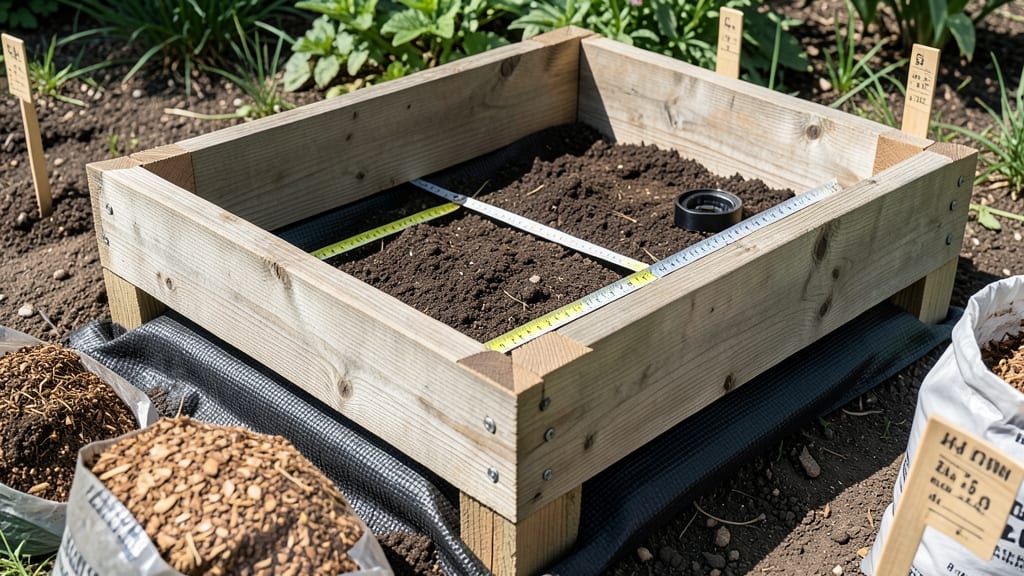
Raised bed dimensions should ideally be 3–4 feet wide for easy reach, 6–12 inches deep for root growth, and 4–8 feet long to maximize space without overcrowding plants. Standardized sizes simplify construction and maintenance while optimizing plant health.
Getting the right raised bed dimensions makes all the difference for your garden's productivity and your comfort.
A width between 3–4 feet lets you reach the center without stepping inside, reducing soil compaction and saving your back. 🌱 The 6–12 inch depth ensures roots have enough room to spread while preventing waterlogging—critical for vegetables like tomatoes or carrots.
Longer beds (4–8 feet) create continuous planting zones that mimic natural ecosystems, improving pollination and reducing edge effects where plants compete for nutrients.
For small spaces, consider multi-level designs or narrower beds (2–3 feet wide) with pathways between them. This approach works beautifully for herbs or salad greens while keeping maintenance manageable. If you're working with a slope, shorter lengths (4 feet) help prevent erosion and make irrigation easier to manage.
Pro tip: Always include 1–2 inch gaps between beds for airflow and tool access. This small detail prevents fungal diseases and makes weeding a breeze. The right dimensions aren't just about numbers—they're about creating a functional, healthy growing environment tailored to your specific plants and space.
💡 In This Article
- How Raised Bed Dimensions Impact Plant Growth and Accessibility
- Best Raised Bed Size Guidelines for Different Garden Types
How raised bed dimensions impact plant growth and accessibility
Root systems thrive when given the right depth—6–12 inches is ideal because most vegetables (like lettuce, radishes, and green beans) develop roots that spread horizontally rather than vertically.
Deeper beds (12+ inches) benefit root crops like carrots or potatoes, where taproots need extra space to avoid becoming stunted or deformed. The science here involves soil aeration: deeper beds allow roots to access oxygen-rich layers, while shallower ones risk compaction and poor drainage. 🌱
Width directly ties to ergonomics—3–4 feet is the sweet spot because it lets you reach the center from either side without stepping in, which prevents soil compaction from foot traffic.
Studies show that stepping on garden beds can reduce soil porosity by up to 30%, cutting oxygen flow to roots.
Narrower beds (2 feet) force you to step inside, while wider ones (> 4 feet) create awkward reaching angles, increasing the risk of back strain or uneven watering.
Length affects irrigation and drainage efficiency. Longer beds (6–8 feet) create continuous planting zones that mimic natural ecosystems, improving pollination and reducing edge effects (where plants compete for nutrients along the perimeter).
However, they require careful watering to avoid uneven moisture distribution—short beds (4 feet) are easier to manage with drip systems or hand watering. The length-to-width ratio should ideally be 2:1 or 3:1 to maximize space while keeping maintenance practical.
Soil depth also impacts weed control. A 6-inch bed suppresses weeds by limiting light penetration, but deeper beds (12 inches) provide even better suppression while accommodating larger plants. The trade-off?
Deeper beds require more soil mix (a 4x8-foot x 12-inch bed needs ~1.5 cubic yards of soil), which can be costly. For small gardens, 8-inch depth strikes a balance between weed control and affordability.
Drainage is another critical factor tied to depth. Beds with less than 6 inches of soil risk waterlogging, especially in clay-heavy soils, while deeper beds (12+ inches) improve drainage but may require gravel or sand layers at the bottom.
The ideal setup includes a 2-inch gap between the bed and surrounding soil to prevent erosion and allow excess water to escape. This small detail prevents root rot and fungal diseases by keeping the root zone aerated.
Consider your plants' mature size when choosing dimensions. For example, a 4-foot-long bed works well for salad greens (which mature in 30–45 days), while a 6–8-foot bed accommodates taller plants like tomatoes or peppers (which need 18+ inches of vertical space).
Succession planting—growing quick crops like radishes in early spring and replacing them with slower-growing plants like cabbage—maximizes yield in the same bed without overcrowding.