
Landscaping
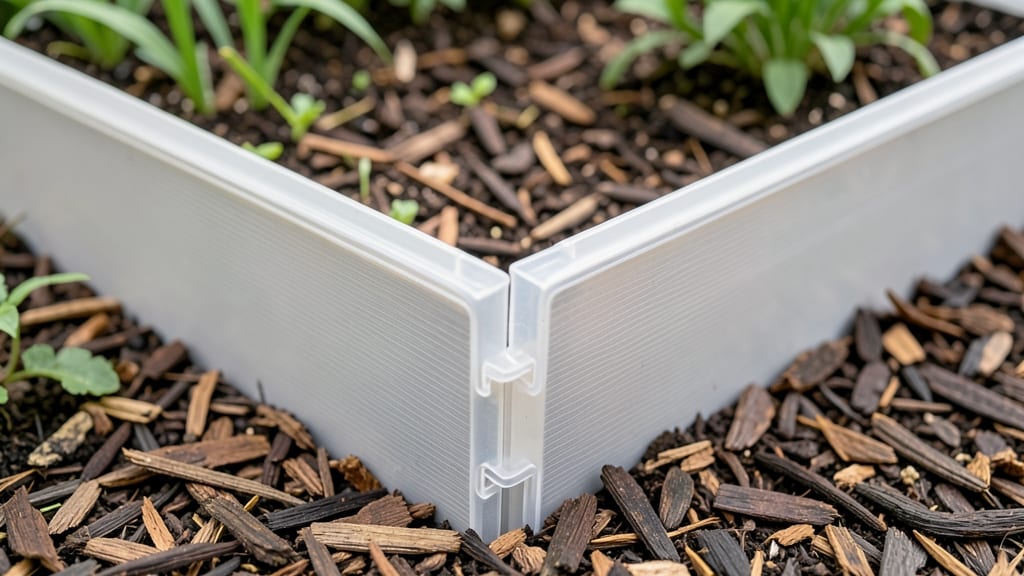
Heavy rains can erode your garden beds, but the right edging keeps soil in place and elevates your planting areas. These 10 durable raised bed edging ideas protect your investment while adding aesthetic appeal to your garden design.
Cedar Wood Raised Bed Edging
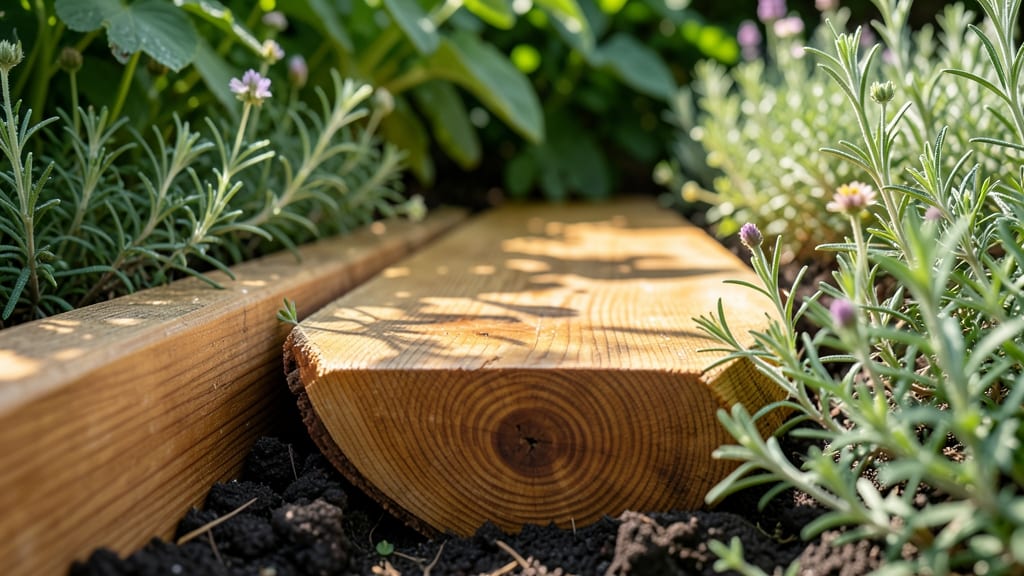
If you love the rustic charm of organic gardening but dread replacing rotting wood, cedar raised bed edging is your perfect match. This naturally weather-resistant wood resists decay for years while adding a warm, golden hue that blends beautifully with any garden style.
Cedar’s smooth, tight grain creates a natural seal that repels moisture, making it ideal for areas with frequent downpours. The wood’s natural oils also deter pests, reducing the need for chemical treatments in organic gardens. Simply bury the edges 6-8 inches deep and secure with landscape staples for maximum stability.
This low-maintenance option is especially great for heritage-style gardens or vegetable plots where durability meets natural beauty. 🌿
Galvanized Steel Edging for Heavy Rain
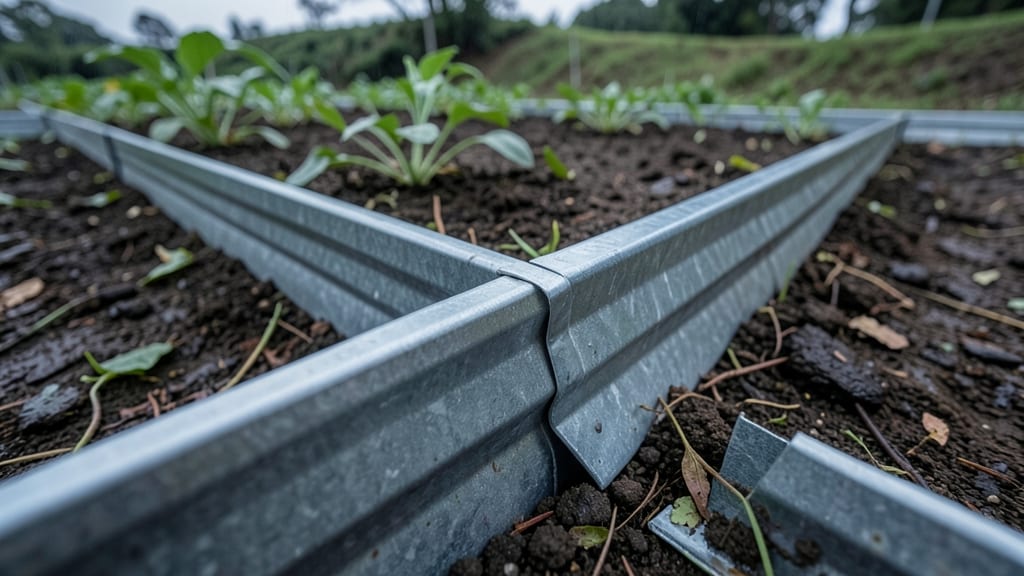
When torrential downpours threaten to wash away your garden’s hard work, galvanized steel edging stands as an unyielding shield. Unlike wood or plastic, this industrial-grade metal resists rust, warping, and even the heaviest storms—making it the ultimate choice for high-traffic paths or sloped landscapes where erosion is a constant battle.
Its durability means you won’t need replacements for decades, and the smooth, reflective surface sheds water effortlessly. For a modern look, choose pre-fabricated steel panels or L-shaped corners for crisp, geometric beds. Bury the bottom 2–3 inches underground to prevent shifting, and secure with stainless steel screws for extra stability.
This edging is ideal for urban gardeners, modern farms, or any space where long-term performance matters more than rustic charm. 🌟
Natural Stone Edging with Mortar
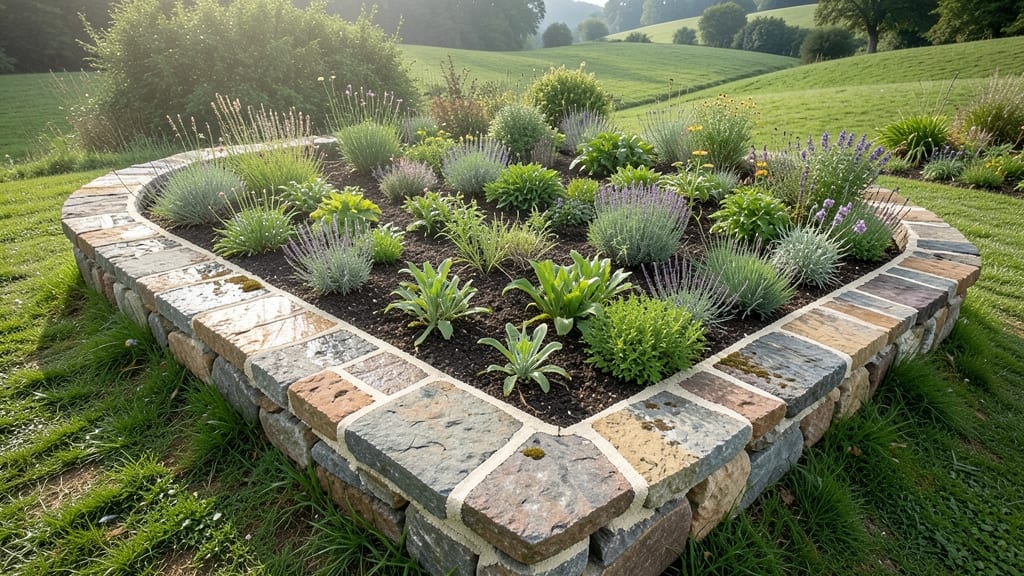
Want an edging that looks like it belongs in a centuries-old garden while handling today’s downpours? Natural stone edging with mortar delivers both elegance and unmatched durability, creating a seamless transition between your raised bed and the surrounding landscape.
Start by selecting irregular fieldstone or flagstone in complementary colors, then mix a sand-cement mortar (3 parts sand to 1 part cement) for flexibility. Lay the stones in a staggered pattern, using mortar to fill gaps and secure them to a gravel base buried 4-6 inches deep. This method prevents shifting during heavy rains while allowing water to drain naturally.
Perfect for cottage-style gardens or formal landscape designs, this edging requires minimal maintenance and ages beautifully over time. The textured stone also adds visual interest that softens the lines of geometric beds. ✨
Composite Lumber Edging Panels
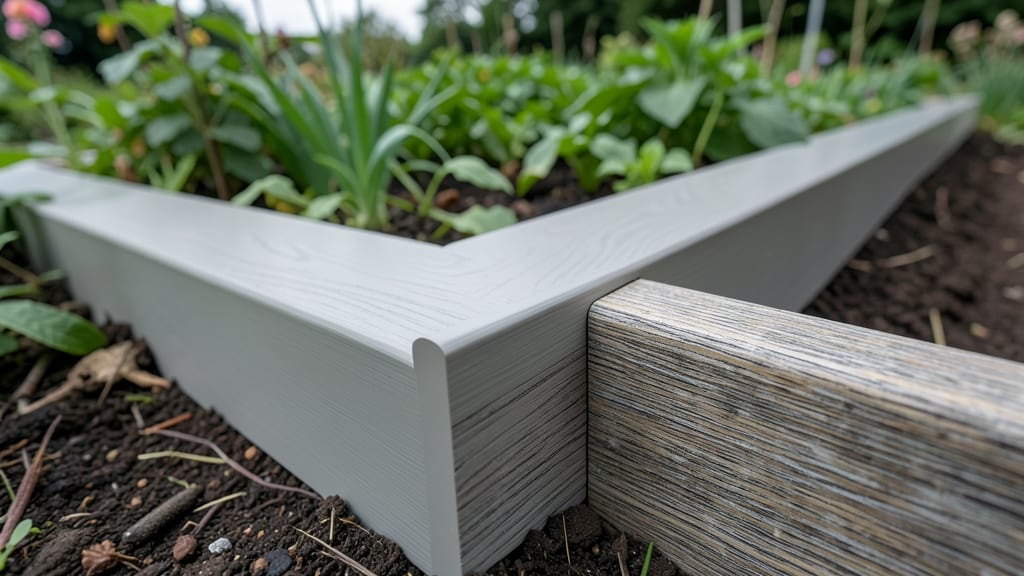
Tired of replacing warped or splintery wood edging every few years? Composite lumber edging panels offer the look of cedar without the maintenance headaches—perfect for humid climates where moisture wreaks havoc on traditional wood.
Made from recycled wood fibers and plastic, these panels resist rot, mold, and warping while mimicking the warm tones of natural cedar. Their smooth, splinter-free surface is safer for hands and tools, and they won’t crack under heavy rain or snow. Simply cut to size with a miter saw, secure with hidden fasteners, and bury the bottom 4–6 inches for stability. Unlike real wood, they won’t require sealing or staining.
This low-fuss option is ideal for modern suburban gardens or container gardens where durability meets contemporary design. No more sanding or staining—just years of trouble-free service. 💪
PVC Pipe Edging System
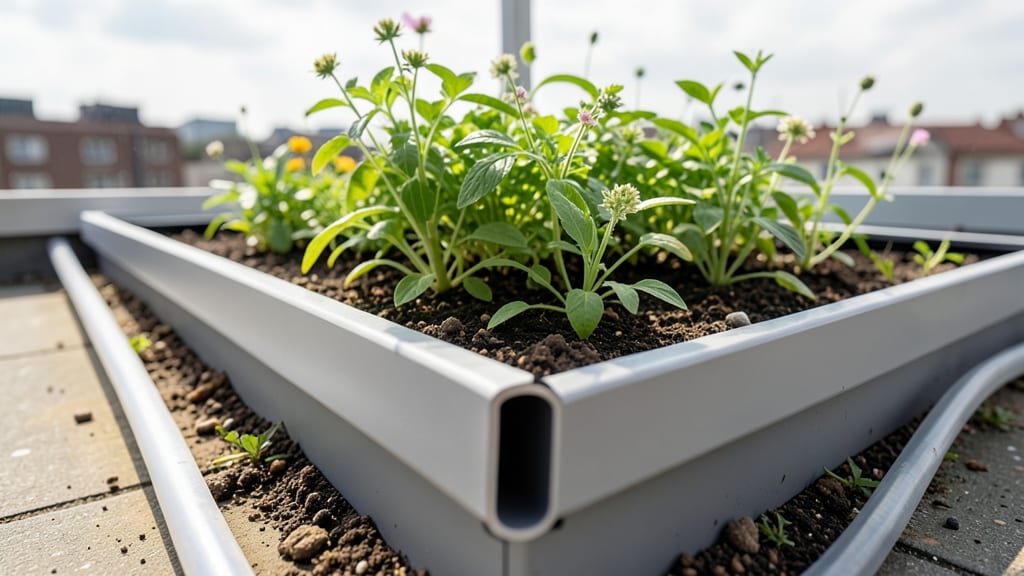
If you’re an urban gardener with limited space but big dreams for your raised beds, PVC pipe edging is your lightweight, budget-friendly solution. These interlocking pipes create sharp, modern lines while weighing almost nothing—ideal for balconies, rooftops, or small yards where heavy materials aren’t practical.
Cut 4-inch Schedule 40 PVC pipes to your desired bed dimensions and connect them with slip-fit joints or PVC cement for a seamless look. Bury the bottom 2 inches deep to prevent shifting, then fill the center with soil and plants. The best part? You can expand or reconfigure your beds anytime by simply adding or removing pipes—no permanent installation required.
This edging is perfect for contemporary gardens or succulent planters where clean lines matter, and its affordability makes it great for beginners or renters. Plus, the white pipes reflect light, keeping roots cooler in hot climates. 🌱
Bricks and Pavers for Rustic Charm
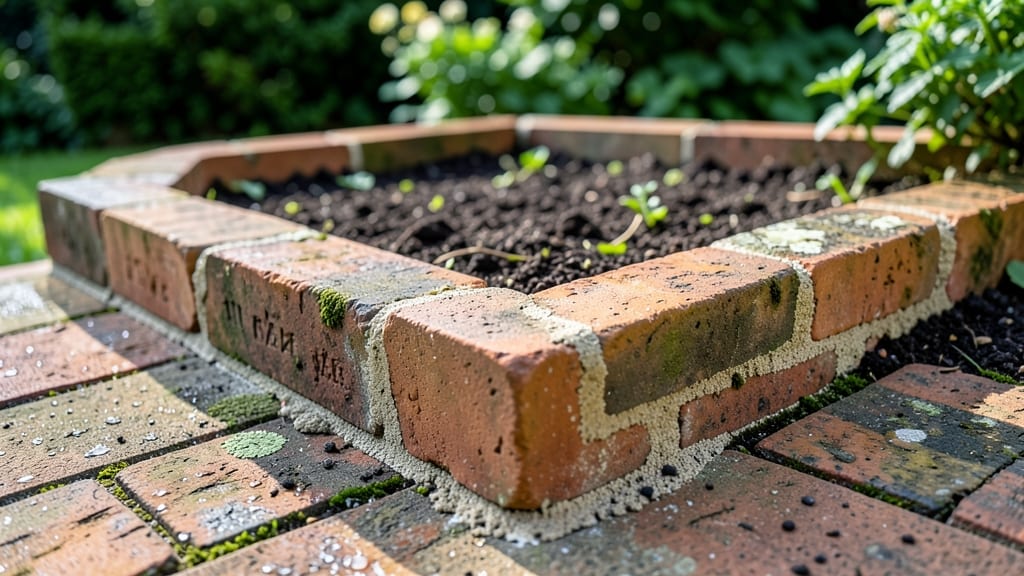
Transform your garden into a storybook scene with brick and paver edging, where every uneven mortar line tells a tale of history. These heavy, timeworn materials don’t just frame your beds—they anchor them firmly during storms, preventing soil erosion while adding heritage charm that no other edging can match.
Start with salvaged bricks or pavers in earthy reds, grays, or yellows for authentic character. Lay them in a staggered pattern, securing each piece with a thin layer of sand or mortar at the base. For DIY projects, use a rubber mallet to tap bricks into place and fill gaps with gravel for drainage. The weight of the bricks ensures stability, even in windy conditions, while their texture contrasts beautifully with smooth mulch or lush greenery.
This option is perfect for heritage-style gardens or DIY enthusiasts who love hands-on projects. The rustic appeal also pairs well with cottage gardens, vegetable plots, or even modern farmhouse designs. 🌻
Metal Corrugated Roofing Edging
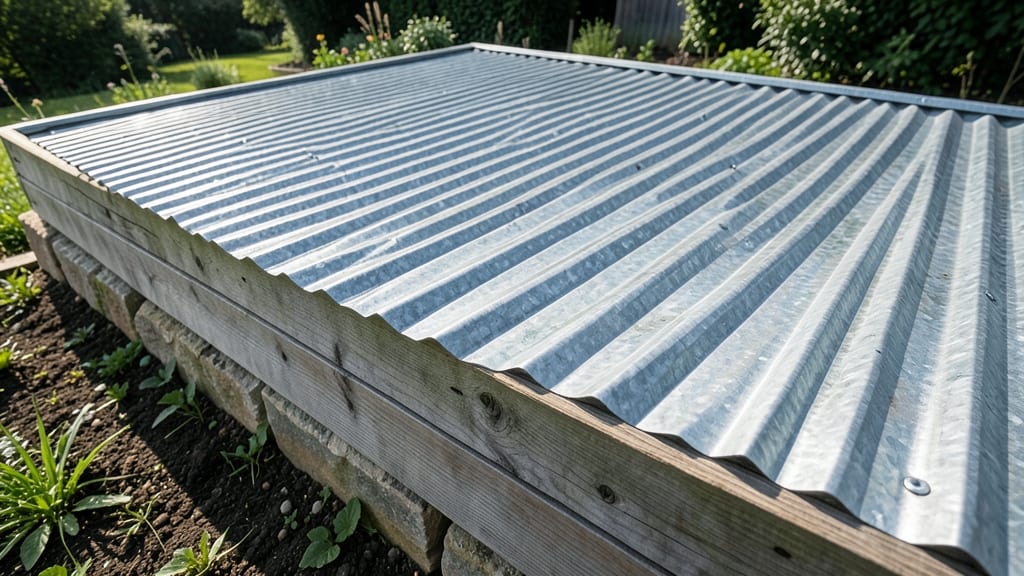
Transforming an old roof into a striking garden feature? Corrugated metal roofing panels create a bold, industrial look while channeling rainwater away from your beds with surgical precision. The ribbed design isn't just functional—it adds dramatic texture that elevates modern farm aesthetics or edible landscapes.
Start by cutting panels to size with a tin snip or circular saw, then secure them with stainless steel screws to prevent rust. Bury the bottom edge 4-6 inches deep and angle the panels slightly outward to maximize water runoff. For extra stability, anchor with galvanized U-shaped pins driven into the ground at 2-foot intervals. The reflective surface also helps deter pests like slugs and snails.
This edging is ideal for modern farms or vegetable gardens where durability meets design. The panels resist rot, pests, and weathering for decades—making them a sustainable choice for serious gardeners. ✨
Log Stumps and Tree Slices
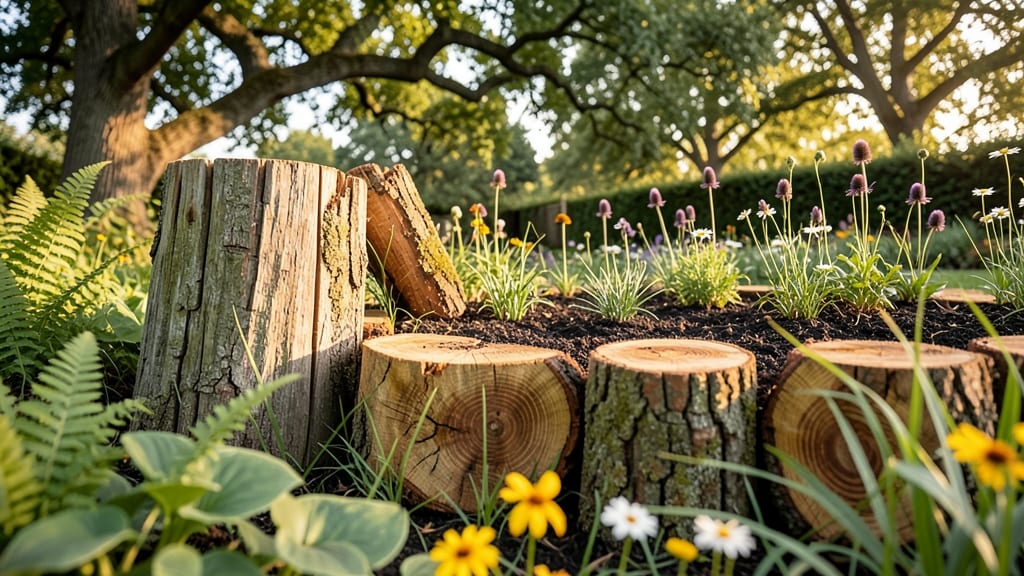
Transform your garden into a magical woodland retreat with log stump and tree slice edging—a zero-waste solution that adds organic texture and vertical charm. These natural barriers create a whimsical, rustic border while keeping soil contained, perfect for wildflower meadows or children’s play gardens where safety meets playfulness.
Start by selecting freshly cut logs (4–6 inches in diameter) or horizontal tree slices (like oak or maple) to create height variation. Stack them vertically along the bed’s perimeter, securing with landscape staples or eco-friendly concrete nails every 12 inches. For extra stability, bury the bottom 2–3 inches and fill gaps between logs with gravel or mulch to prevent erosion. The rough bark also provides natural habitat for insects and lizards, boosting your garden’s biodiversity.
This approach is ideal for eco-conscious gardeners or those with woodland-themed spaces, offering a low-cost, sustainable alternative to traditional materials. Plus, kids love climbing and exploring the sturdy, organic shapes! 🌿
Concrete Block Edging with Landscaping Fabric
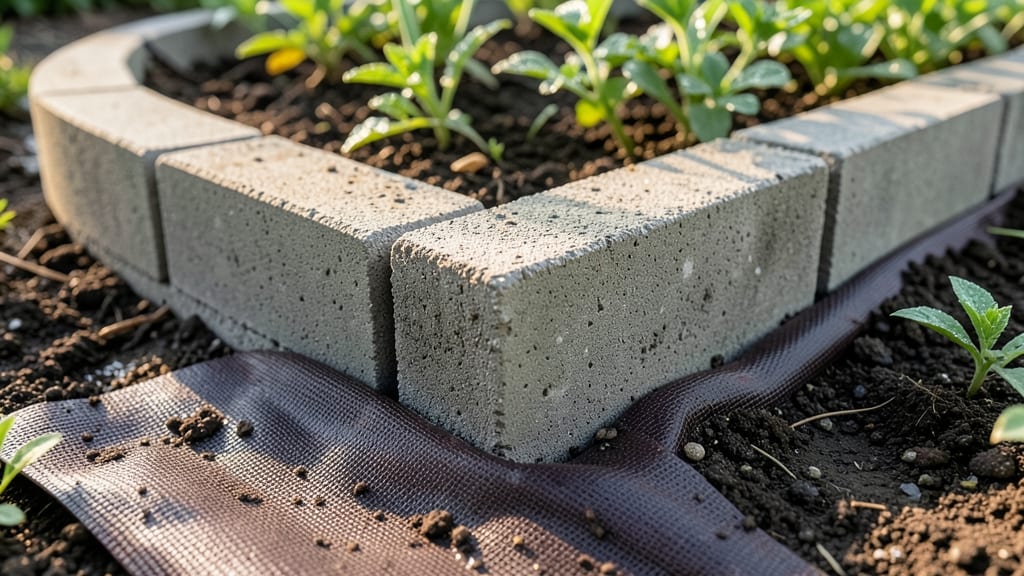
For gardeners battling soggy soil or invasive roots, concrete block edging with landscaping fabric delivers unmatched stability. This powerhouse combo prevents erosion by creating a rigid barrier while the buried fabric blocks weeds and wandering roots from disrupting your plants.
Start by laying a landscape fabric layer along the trench where your blocks will sit—this keeps soil in place while allowing water to drain. Then stack interlocking concrete blocks (12" or 16" tall) to form your bed’s perimeter, burying them 3-4 inches deep for maximum stability. The blocks’ weight resists shifting during heavy rains, while the fabric underneath prevents soil from spilling out or roots from creeping in.
This solution is perfect for vegetable gardens or high-moisture areas where other materials fail. The clean, modern look also works beautifully in contemporary utility gardens where function meets design. 🌱
Interlocking Plastic Edging for Easy Installation

If you’re a renter, a busy gardener, or someone who hates spending weekends with a hammer, interlocking plastic edging is your game-changer. These lightweight strips snap together in seconds—no tools, no measurements, and no permanent installation. Just lay them down, lock the corners, and you’re ready to fill with soil and plants in minutes.
Designed to expand as your garden grows, these strips let you adjust bed shapes without digging up existing plants. The UV-resistant plastic won’t crack under sun or rain, and the interlocking design keeps soil contained while preventing weeds from creeping in. For extra stability, bury the bottom 2 inches and secure with landscape staples—though many gardeners find the snap-fit alone holds firm in most conditions.
This is the perfect solution for renters, container gardens, or temporary planting areas where you need flexibility without sacrificing durability. No nails, no saws, and no regrets when it’s time to move on. 🌱