
Tools
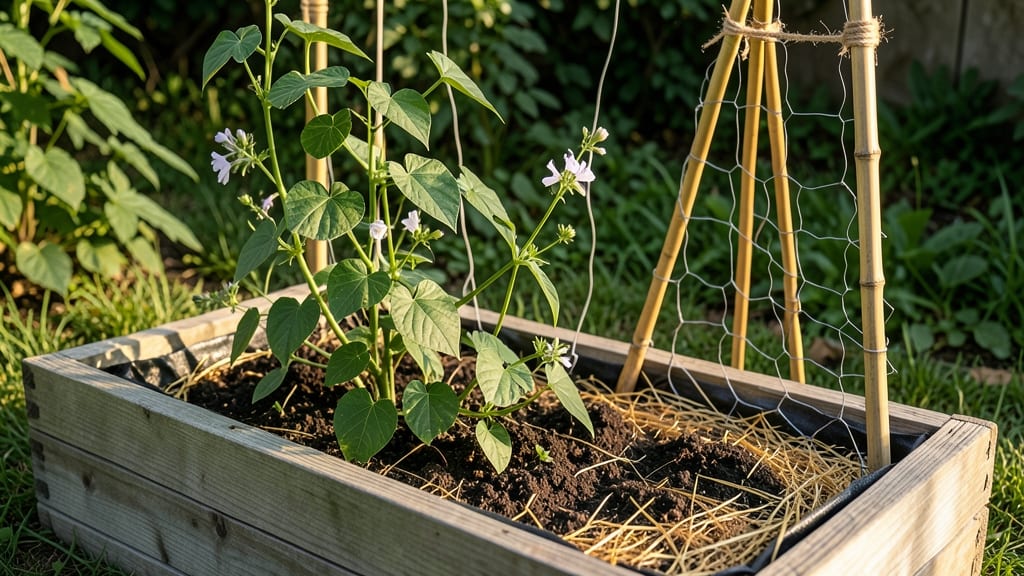
A raised bed green bean trellis transforms floppy vines into a neat, high-yielding vertical display—and it’s easier than you think. 🌱 Last summer, my 4x8-foot raised bed produced twice as many beans by training them upward, freeing up precious space for more plants below. The key?
Matching the trellis to your bean variety and bed size. You’ll need just three simple materials: sturdy stakes (bamboo or metal), twine or garden twine, and either pre-made trellis netting or DIY vertical slats. For bush beans, a 5-foot-tall frame works perfectly—taller for pole varieties like Kentucky Wonder.
The assembly takes less than 30 minutes, and you’ll avoid the heartbreak of beans sprawling into neighboring plants. By mid-July, your trellis will be heavy with pods dangling like green jewels, while the soil below stays clear for lettuce, radishes, or carrots.
The vertical growth also improves air circulation, reducing disease risk. Plus, harvesting becomes a breeze—no more bending over! For small spaces, opt for corner trellises or A-frame designs that save even more room. Just avoid overcrowding: leave 12-18 inches between plants for airflow. Here’s how to build yours without guesswork.
📚 In This Guide
- What you need
- Instructions
- Tips and common mistakes
- Wrapping up and next steps
What you need
- ● Trellis structure: 4–6 T-posts (5–6 ft tall, galvanized or cedar-treated, ½" diameter)
- ● 1–2 rolls twine or jute twine (¼" diameter, 300+ ft) OR 100+ ft of plastic garden twine
- ● Bamboo stakes (4–6 ft, ½" diameter) OR wooden dowels (½" diameter, untreated)
- ○ Optional but recommended: 1–2 metal or wooden corner braces (for stability)
- ● 1 roll landscape fabric (to prevent weeds, 3 ft wide)
- ● Raised bed: Pre-assembled raised bed kit (4 ft x 8 ft, 10–12" deep) OR untreated lumber (2x6s or 2x8s, 8 ft long, 4 pieces)
- ● 1 bag garden soil or compost (for filling the bed)
- ● Green beans: 10–20 green bean seeds (bush or pole variety, like 'Blue Lake' or 'Kentucky Wonder')
- ● Hammer or mallet
- ● Measuring tape
- ● Scissors or pruning shears (for trimming twine)
- ● Staple gun (if using landscape fabric)
- ○ Optional: Drill (for pre-drilling holes in wood) or post-hole digger (if burying T-posts)
- ● Sunny spot (6+ hours of direct sunlight daily)
- ● Level ground or a flat surface (for stability)
- ● Basic gardening knowledge (or willingness to learn!)
How to build a sturdy raised bed trellis for green beans
Here's the simple, sturdy design I use to keep green beans climbing and your harvest organized.
🪴 Step 1: Gather Materials for a Strong Frame
You'll need 4-6 stakes (6 feet tall), twine or jute twine (¼ inch thick), and 2-3 horizontal support wires (18-gauge galvanized wire). I prefer untreated cedar stakes for their natural rot resistance and clean look. Cut the stakes to 5-6 feet tall—taller than your raised bed height to provide proper support.
For the wires, use 3-4 strands spaced 12-18 inches apart vertically. This spacing prevents vines from tangling and makes harvesting easier. The first wire should be 6-8 inches above the bed surface to give the plants immediate support as they emerge.
☀️ Step 2: Install Vertical Stakes Around the Bed
Drive the stakes into the ground 6-8 inches outside the raised bed perimeter, using a mallet for even depth. Space them 3-4 feet apart—closer spacing prevents sagging as vines thicken. I like to place them at each corner and along the long sides for maximum support, especially if your bed is wider than 4 feet. Tap each stake until it stands firmly upright with 2-3 feet buried for stability.
Check for plumb by holding a level against each stake. If one leans, gently tap the opposite side until straight. This ensures your trellis won’t tilt as vines grow heavier. I also like to mark the top of each stake with a pencil so I can align the wires evenly later.
🌿 Step 3: Attach Horizontal Wires for Vine Support
Loop the first wire around the top of the two corner stakes and pull it taut. Secure it with two tight twists on each stake. Use a small hammer to tap the wire gently against the stake—this prevents it from slipping as vines grow. Stretch the wire across the bed, ensuring it’s level and 6-8 inches above the soil. Repeat this process for each additional wire, spacing them 12-18 inches apart vertically.
For extra durability, I add a third wire at mid-height (around 2 feet above the bed). This creates a sturdy middle support, especially useful for pole beans that grow taller. Avoid using nails or staples—they can damage the wood and make the trellis harder to remove later.
⏰ Step 4: Train Vines as They Grow
Once your green beans sprout and reach 6-8 inches tall, gently weave the main stems through the lowest wire. This encourages upward growth and prevents sprawling. I use soft twine to loosely tie the vines to the wire—too-tight ties can strangle young stems as they thicken. Check weekly and adjust ties as the plants grow.
For bush beans, which don’t climb as aggressively, focus on guiding the vines upward early. If a vine slips or tangles, simply untwist it and reattach it to the wire. The key is gentle guidance—never force the plant. You’ll see the difference in straight, healthy vines versus tangled, weak growth within a few weeks.
✂️ Step 5: Maintain and Harvest for Maximum Yield
Throughout the season, check wire tension every 2-3 weeks. As vines thicken, the wires may sag slightly—just pull them taut again and retie. Remove any dead or diseased leaves from the trellis to prevent pests from hiding. I also like to prune side shoots that grow horizontally, redirecting energy to the main stem and pods.
Harvest pods when they’re firm and fully developed—usually 5-7 days after flowering. Pinch off pods at the stem to avoid damaging the vine. A well-supported trellis keeps beans off the ground, reducing soil-borne diseases and making them easier to spot. With this setup, I’ve doubled my yield compared to letting beans sprawl.
Tips & tricks for building a sturdy raised bed trellis
These practical insights will help you avoid common pitfalls and create a trellis that lasts all season.
Stake Placement Strategy: When installing your 4-6 stakes in Step 2, consider adding an extra stake in the center of long beds (over 6 feet). This prevents sagging in the middle where vines grow heaviest. I've seen trellises collapse under the weight of mature beans when using only corner stakes on wide beds. The extra effort now saves headaches later when vines start to droop.
Wire Tension Technique: For Step 3, use a small carpenter's level to check wire alignment before securing. I've found that wires installed at a slight upward angle (1-2 degrees) help prevent beans from sliding down later. Also, use wire cutters to trim excess wire length after securing—this prevents sharp ends from poking through the twine ties and potentially damaging young vines.
Material Alternatives: While I recommend untreated cedar stakes for durability, you can substitute with bamboo stakes (equally rot-resistant) or even galvanized metal pipes (for extra strength). For wires, plastic-coated wire works well if you're concerned about rust. The key is maintaining the same 18-gauge thickness—thinner wires will stretch and sag under bean weight.
Vine Training Pro Tip: In Step 4, use soft floral wire instead of twine for tying vines to the lowest wire. It's gentler on young stems and lasts longer without breaking down. I also recommend training the main stem to spiral slightly around the wire rather than growing straight up—this creates a natural support system as the plant matures and reduces the need for additional ties later in the season.
Pro Tips for Raised Bed Green Bean Trellis
- These practical insights will help you avoid common pitfalls and create a trellis that lasts all season.
- Stake Placement Strategy: When installing your 4-6 stakes in Step 2, consider adding an extra stake in the center of long beds (over 6 feet).
- Wire Tension Technique: For Step 3, use a small carpenter's level to check wire alignment before securing.
Frequently asked questions
What’s the best material for a DIY raised bed trellis?
A sturdy trellis can be made from bamboo stakes, wooden dowels, or metal mesh. For raised beds, opt for lightweight but durable options like PVC pipes or wooden slats (2–3 inches wide) to avoid weighing down the soil. Avoid treated wood if growing edibles—stick to cedar or untreated lumber to prevent chemical leaching.
When should I install the trellis for green beans?
Install your trellis before planting—about 2–3 weeks ahead. Green beans grow fast, and vines need immediate support. For bush beans (which don’t climb), a low trellis or cage (12–18 inches tall) works. Pole beans? Go taller (5–7 feet) and add the trellis as soon as seedlings sprout to encourage upward growth.
Can I reuse a trellis from last year?
Clean and disinfect wooden or metal trellises with a 10% bleach solution or soapy water to kill pests/diseases. Bamboo or plastic trellises can often be reused without treatment. Just check for splinters or weak spots—replace anything that’s cracked or warped. Pro tip: Store trellises in a dry place to extend their lifespan.
What if my green beans aren’t climbing the trellis?
If vines ignore the trellis, gently tie them with soft twine or cloth strips every few inches. Avoid wire—it can damage stems. For stubborn beans, try weaving vines through mesh or adding a second, lower trellis. Poor climbing? Check for overcrowding or nutrient deficiencies (add compost or a balanced fertilizer).
Are there cheaper alternatives to a full trellis?
Yes! Skip the fancy setup with these budget hacks:
- Straw bales or hay bales: Stack 2–3 bales in a corner for a natural vine guide.
- T-posts + twine: Hammer in stakes and crisscross strings to create a DIY grid.
- Repurposed fencing: Use old chicken wire or lattice panels (find them at hardware stores for $5–$10).
Wrapping up and next steps
Building a raised bed green bean trellis is a game-changer for small gardens—maximizing space while boosting your harvest! 🌱 Whether you choose a simple A-frame, sturdy teepee, or a DIY grid, these supports encourage healthier vines and easier picking.
With the right materials and a little creativity, you’ll turn even a tiny plot into a thriving green bean paradise.
Now that you’re armed with ideas, grab your tools and get growing! Start small—try a single trellis in one corner of your raised bed—and watch your beans climb to new heights. Happy gardening! 🌿