
How To
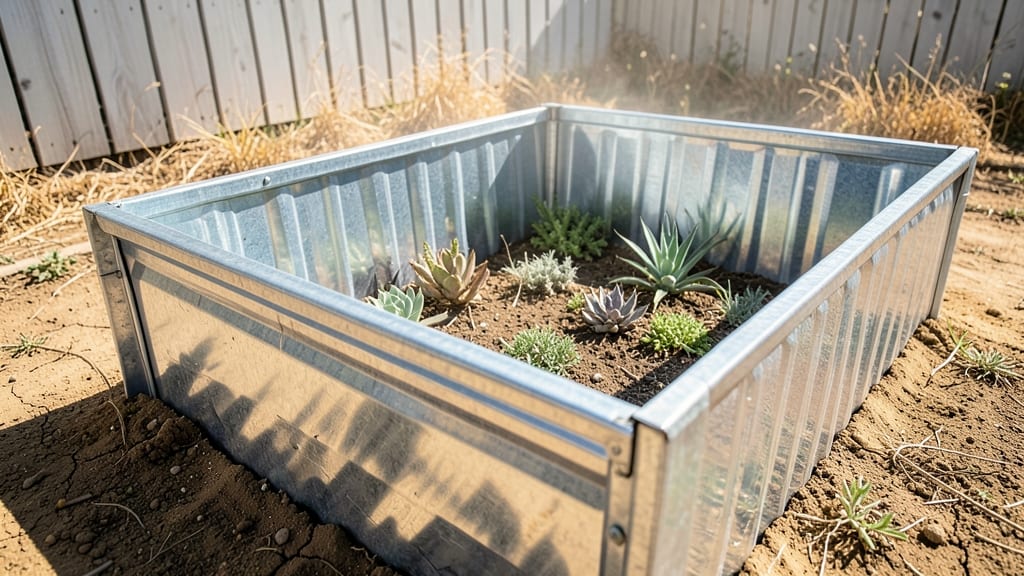
Choosing the right raised bed material can extend your garden's lifespan and simplify maintenance. These ten durable options balance cost, aesthetics, and long-term performance for any gardening style or climate.
Cedar Wood Raised Garden Beds
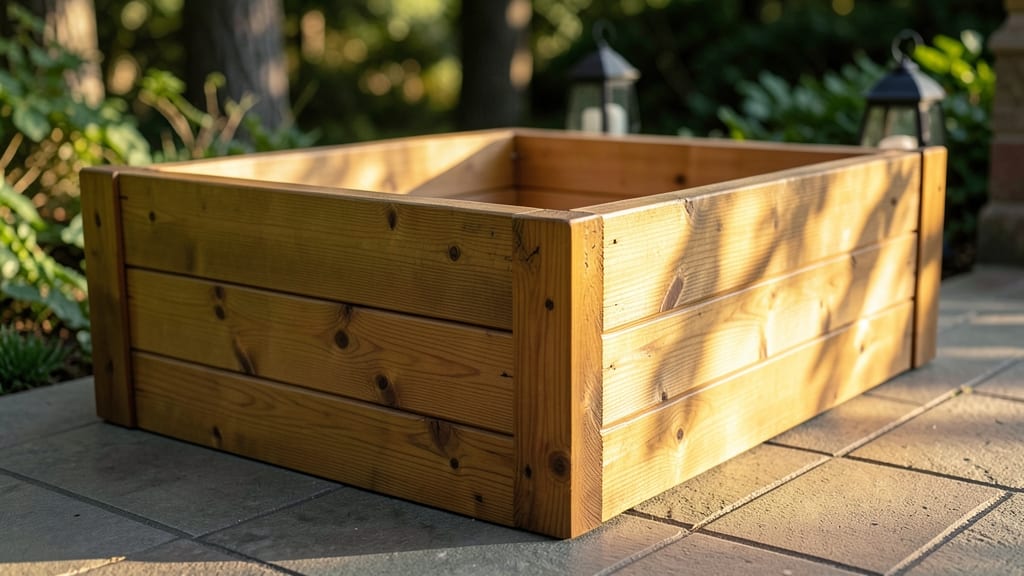
If you love the natural scent of pine forests and want a raised bed that lasts without harsh chemicals, cedar wood is your perfect match. This aromatic wood contains natural oils that repel insects and resist rot, making it ideal for organic gardeners who avoid chemical treatments.
Cedar beds require minimal maintenance—just occasional brushing to remove debris—and their rustic charm blends beautifully with cottage gardens or woodland settings. The wood’s natural silver-gray weathering adds character over time, while its durability ensures your bed stays intact for 10-15 years without staining or sealing.
Urban gardeners with small spaces will love how cedar’s lightweight yet sturdy nature makes assembly easy, while its pest-deterring properties protect your plants naturally. 🌿
Redwood Raised Bed Construction
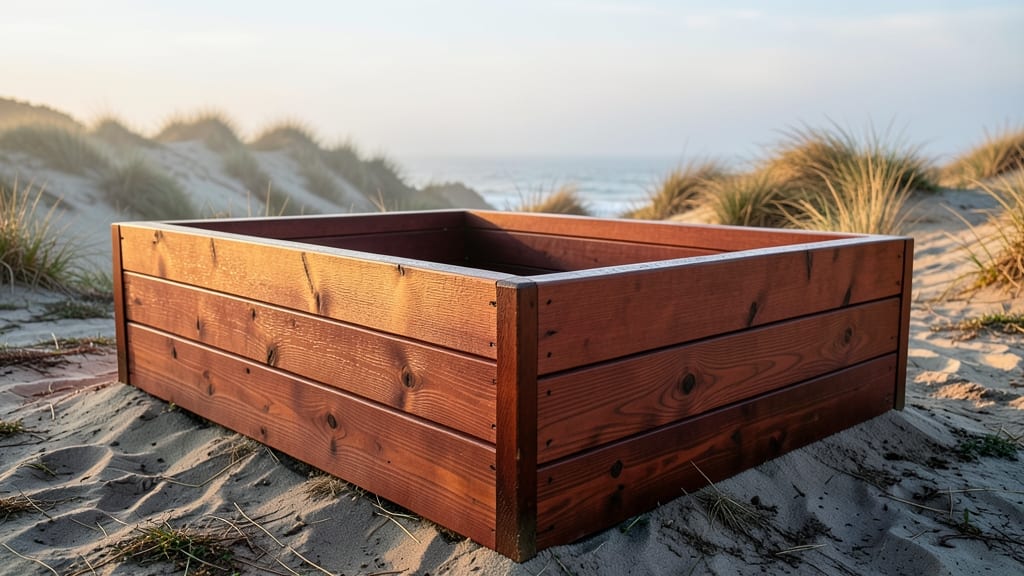
If you live near the coast or battle high humidity, redwood raised beds are the ultimate long-term investment for your garden. This naturally weather-resistant wood requires no chemical treatments and stands up to salt air and moisture better than most alternatives.
The rich reddish-brown color adds warmth to your garden while the tight grain structure resists rot and insect damage for 15+ years without maintenance. For best results, use full-length boards (avoid butt joints) and space beds slightly apart to allow airflow, preventing moisture buildup between planks.
This option is ideal for gardeners who prioritize longevity over initial cost, especially in challenging climates. The natural beauty makes it perfect for traditional or coastal garden styles. 🌿
Composite Wood Raised Beds
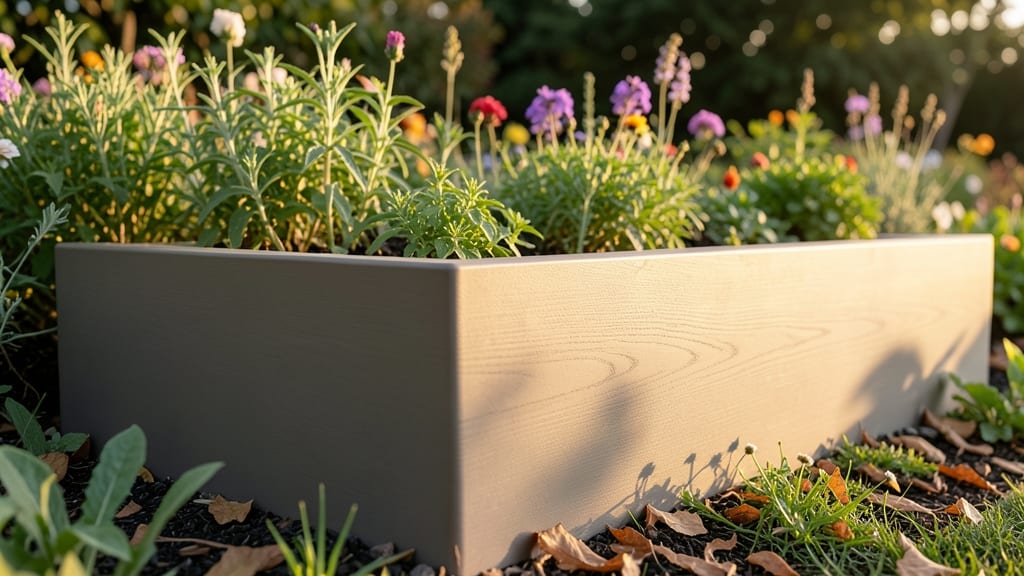
Tired of sanding, staining, or replacing rotting wood in your raised beds? Composite wood combines wood fibers with recycled plastic to create a material that’s completely rot-proof and requires zero maintenance—no sealing, no staining, and no replacement for decades.
This eco-friendly hybrid mimics the look of natural wood but outperforms it in durability, especially in moist or high-traffic areas. The smooth, modern surfaces resist splinters and pests, making them ideal for herb gardens or edible plants where hygiene matters. Plus, the clean lines and neutral tones blend seamlessly into contemporary or minimalist garden designs.
Perfect for eco-conscious gardeners who want a low-fuss, long-term solution, composite beds are also a great choice for renters or urban spaces where permanence isn’t an option. 🌿
Metal Raised Garden Beds
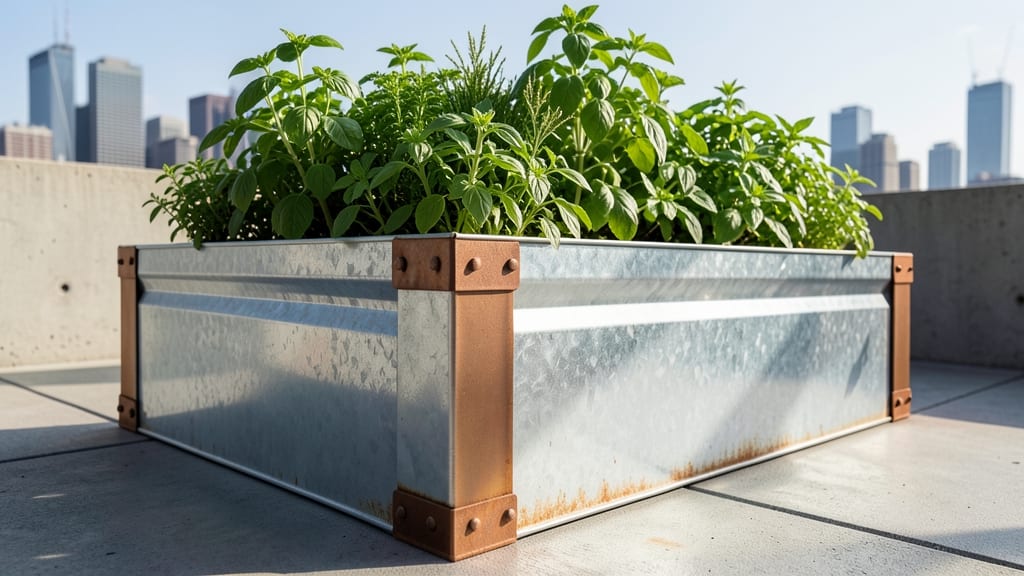
If you're gardening in an urban jungle or need a bed that can handle foot traffic, metal raised garden beds deliver unmatched durability. Unlike wood or composite, galvanized steel or copper won’t warp, rot, or attract termites—making them the ultimate choice for high-stress environments.
Galvanized steel beds resist rust and corrosion, while copper develops a natural patina that deters pests like slugs and snails. These beds are also weatherproof, thriving in extreme temperatures without cracking or splitting. For urban gardeners, their sleek, modern look fits seamlessly with concrete or paved spaces.
Perfect for commercial growers or city dwellers with limited space, metal beds require minimal maintenance and last decades with proper care. 💪
Plastic Lumber Raised Beds
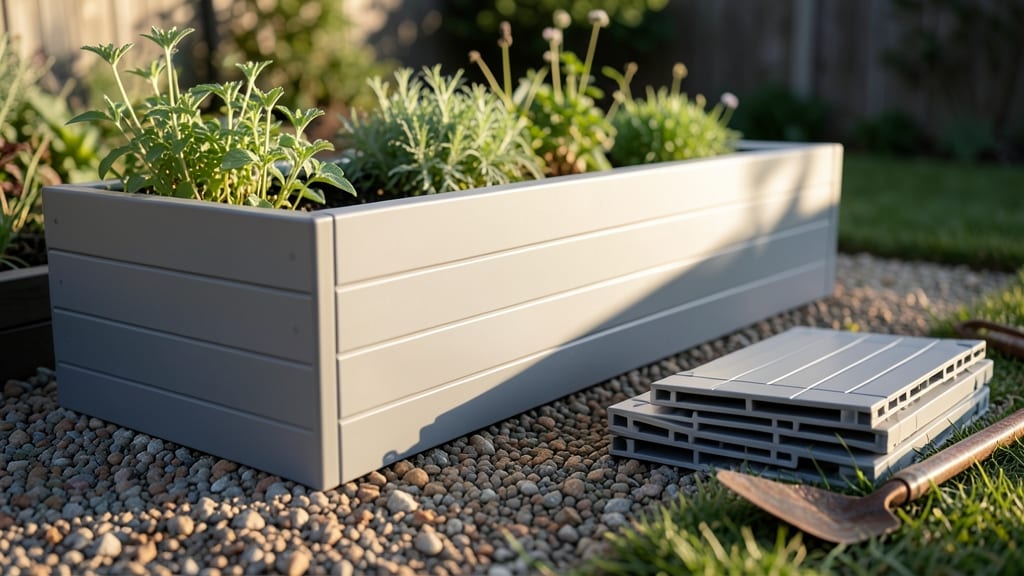
If you're tired of heavy, expensive raised beds that require constant maintenance, plastic lumber is the game-changer you’ve been waiting for. Unlike traditional wood, it never rots, warps, or needs sealing—making it the ultimate low-fuss option for busy gardeners or those on a budget.
This material is lightweight yet sturdy, often weighing half as much as wood, so you can assemble it solo without help. It’s also affordable (typically $5–$10 per linear foot) and comes in vibrant colors like green or brown, blending seamlessly with any garden style. Plus, interlocking corners mean no tools are needed—just snap pieces together in minutes.
Perfect for beginners, renters, or small-space gardeners, plastic lumber beds last 20+ years with zero upkeep. No staining, no splinters, and no worrying about termites—just pure, hassle-free growing. 🌻
Stone or Brick Masonry Beds
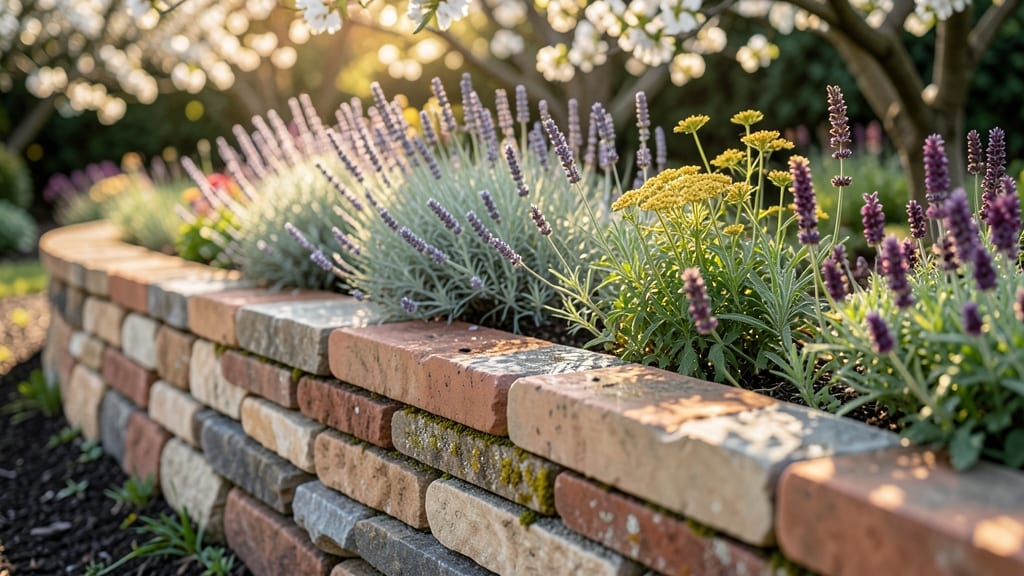
If you crave a garden that feels like stepping into a storybook, stone or brick masonry beds deliver the perfect blend of permanence and charm. Unlike wood or plastic, these beds age beautifully, developing a patina that enhances their rustic appeal over time—ideal for gardeners who prioritize aesthetics alongside function.
Natural stone or fired brick requires minimal maintenance beyond occasional mortar touch-ups, making it a decades-long investment. For drainage, opt for stacked stone beds with gaps between rocks, or use brick borders with a gravel base to prevent waterlogging. These materials also regulate soil temperature, keeping roots cooler in summer and warmer in winter—perfect for perennials like lavender or rosemary.
This choice shines for traditionalists, heritage gardeners, or those with historic properties. The upfront labor cost pays off with beds that outlast generations. ✨
Bamboo Raised Garden Beds
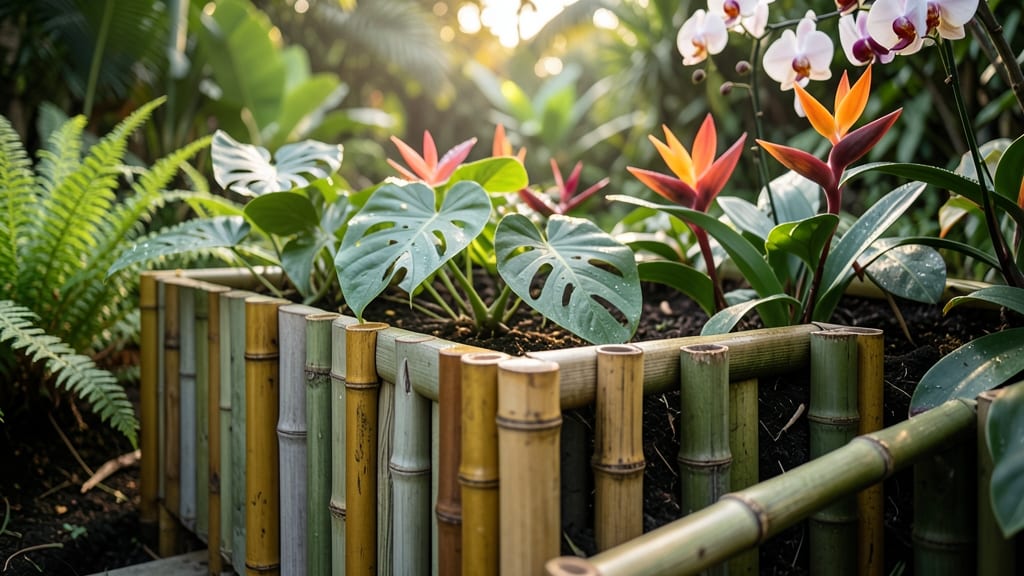
Transform your garden into a lush tropical oasis with bamboo raised beds—a sustainable choice that repels pests naturally while adding exotic flair. This fast-growing, eco-friendly material thrives in warm climates and requires minimal maintenance, making it ideal for gardeners who want both beauty and functionality.
Bamboo’s natural pest-repellent properties deter rodents and insects, while its vertical slat design allows air circulation to prevent fungal growth. For best results, choose clumping bamboo (like Moso bamboo) to avoid invasive roots, and treat the wood with a food-safe sealant for extra longevity. These beds pair perfectly with tropical plants like hibiscus, bird-of-paradise, or citrus trees.
Perfect for eco-conscious gardeners in USDA zones 8-11, bamboo raised beds offer a striking aesthetic while supporting sustainable gardening practices. 🌿
Pre-Fabricated PVC Raised Beds
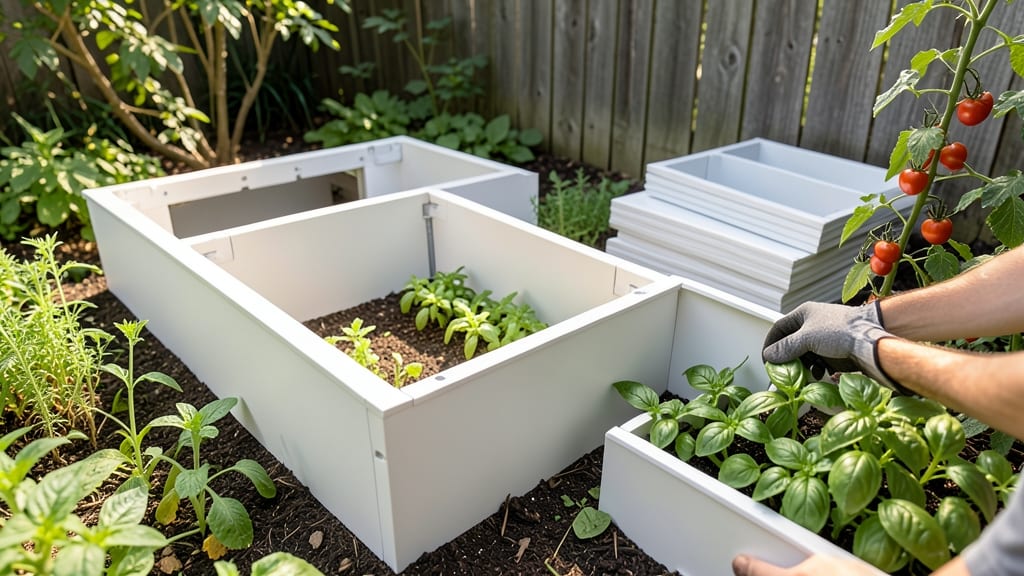
When your garden dreams outgrow your current setup, pre-fabricated PVC raised beds offer the perfect solution—no more wrestling with heavy materials or permanent installations. These interlocking panels snap together in minutes, creating expandable, custom-sized beds that resist rot, insects, and weathering without chemicals.
Each panel connects securely with locking edges, eliminating the need for screws or nails, and their smooth surfaces prevent soil splatter while keeping pests at bay. The modular design lets you start small and add sections as your garden grows, making them ideal for commercial farms, community gardens, or large-scale home landscapes. Plus, their lightweight nature means easy repositioning if your layout changes.
Perfect for gardeners who prioritize low-maintenance durability and flexibility, these beds require no staining or sealing—just assemble, fill, and plant. 💡
Recycled Pallet Wood Beds
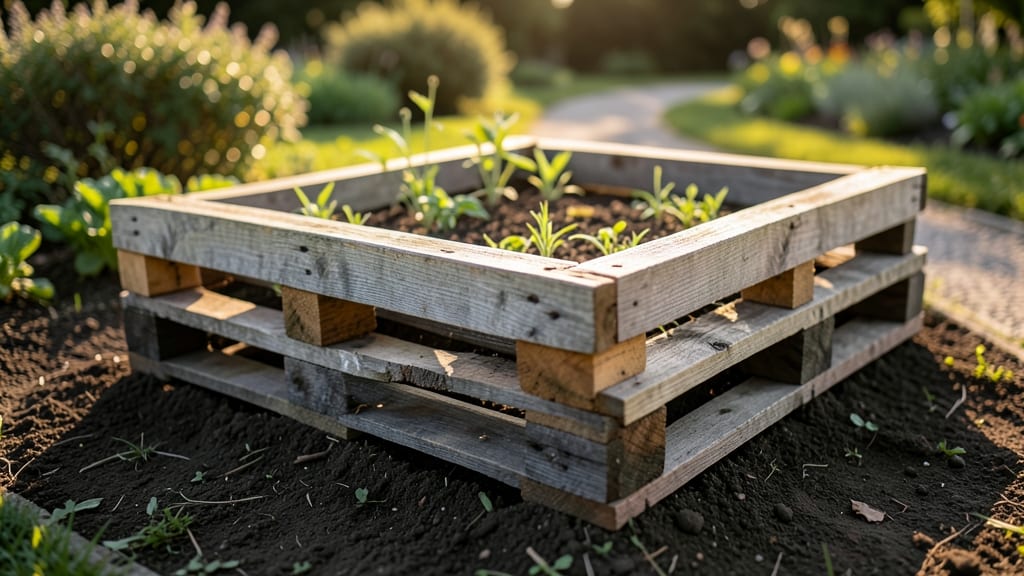
Turn old shipping pallets into a budget-friendly raised bed with minimal effort and maximum eco-impact. This zero-waste solution lets you skip the hardware store entirely—just source free pallets from local businesses, then transform them into a rustic garden centerpiece.
Start by removing any nails or staples (or use a hammer drill to sink them below the surface). Stack pallets to your desired height, securing them with screws or corner brackets. Apply a non-toxic wood sealant to protect against moisture and pests—this step is key for longevity. The natural wood grain adds character, making it ideal for heritage vegetable gardens or cottage-style plots.
This option is perfect for DIY gardeners on a tight budget who love upcycling. Just remember to avoid pallets stamped with "MB" (potential chemical treatment risk), and you'll have a sustainable, custom-raised bed that tells a story. 🌿
Corrugated Metal Raised Beds

If you live in a high-heat climate or love the sleek look of industrial design, corrugated metal raised beds offer a game-changing solution. Their reflective surface bounces sunlight away, keeping soil temperatures cooler than traditional materials—ideal for drought-prone regions.
These beds are built to last, resisting rust, pests, and warping far better than wood. The corrugated design also improves drainage, preventing waterlogging while supporting deep-rooted plants like tomatoes or peppers. For a modern aesthetic, opt for galvanized steel or aluminum, which pairs perfectly with concrete pathways or minimalist landscaping.
Perfect for urban gardeners or those with a contemporary style, these beds require minimal maintenance and blend seamlessly into industrial or modern landscapes. Just ensure proper insulation in freezing climates to protect roots. ✨