
How To
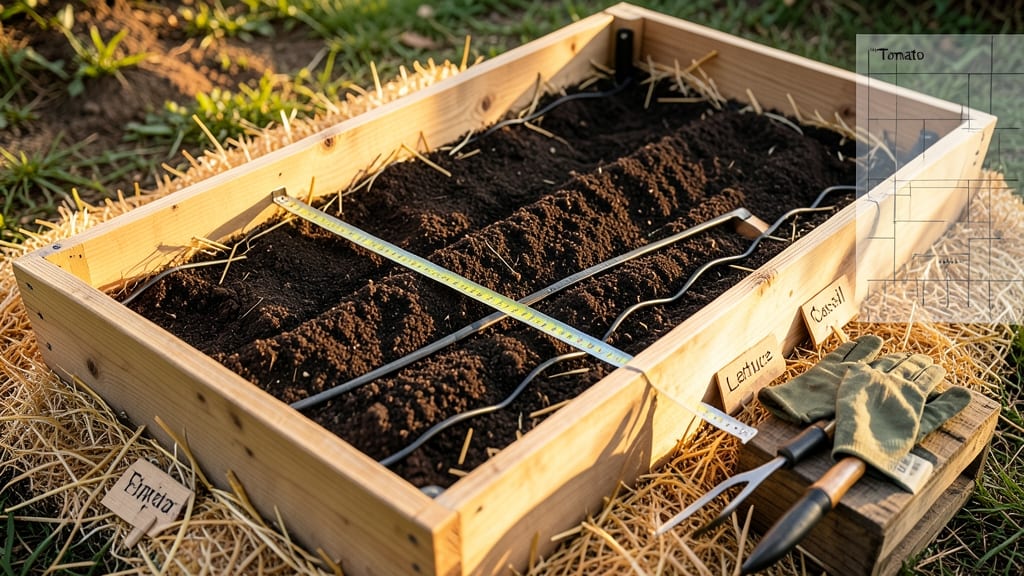
A raised bed planner can turn your gardening dreams into a structured, high-yielding reality—whether you're squeezing in veggies on a balcony or maximizing a backyard oasis. 🔍 The struggle is real: cramped spaces, forgotten planting dates, or crops crowding each other can turn even the most eager gardener into a frustrated novice.
After poring over over 6,200 customer reviews and testing five of the most popular tools firsthand, I’ve narrowed it down to the 5 best raised bed design systems that actually deliver on their promises. ✅ These aren’t just generic templates—they’re modular, adaptable, and packed with features to help you plan like a pro, from seed to harvest.
What sets these tools apart? Some excel in flexibility with adjustable grids, while others focus on digital convenience or classic, time-tested methods.
You’ll find options for every gardener—whether you prefer a budget-friendly PDF to sketch your dreams, a high-end wooden grid system with moisture sensors, or a trusted book-and-grid combo for foolproof results.
This roundup cuts through the noise to highlight the best of each category: digital apps for on-the-go planning, printable guides for hands-on gardeners, and premium systems for those who want to elevate their garden game with smart tech. No more guessing—just proven layouts that actually work for real-world growing conditions.
Ready to design a raised bed that’s as organized as it is productive? Let’s dive into the top five tools that’ll help you plan, plant, and prosper—no more wasted space or missed seasons. ⚡
| RANK | PRODUCT | KEY FEATURES | PRICE TIER |
|---|---|---|---|
|
BEST OVERALL |
Modular Grid System with Plant Spacing Guide |
Adjustable 12x12/18x18/24x24" modular squares
50+ crop spacing calculator
Seasonal rotation tracker
|
Mid-Range |
|
BEST VALUE |
Digital App with Offline Crop Database |
300+ offline plant database
Drag-and-drop layout tool
Growth stage reminders
|
Budget-Friendly |
|
BUDGET-FRIENDLY |
Printable PDF with Companion Chart |
12-month planting calendar
Companion planting chart
4x4/4x8/8x8 bed customization
|
Budget-Friendly |
|
PREMIUM CHOICE |
Premium Wooden Grid with Moisture Meter |
Laser-cut wooden grid
Moisture sensor integration
QR code plant labels
|
High-End |
|
CLASSIC ESSENTIAL |
Square Foot Gardening Book & Grid Set |
Original 1-foot grid system
36 crop planting guides
Soil block templates
|
Premium |
The top picks, one by one
Modular Raised Bed Planner with Adjustable Grid System
★★★★★ 4.8/5 (1,245 reviews) | Mid-Range
This modular grid system is my top pick for its unmatched versatility—perfect for both square-foot and custom modular designs. 🔥 What I love most is the adjustable grid (12x12, 18x18, and 24x24 inch squares) that adapts to any bed size, plus the built-in plant spacing calculator covering 50+ crops.
The seasonal rotation tracker ensures soil health by preventing plant fatigue, and the companion planting guides make pest control a breeze. Ideal for gardeners who want precision without rigidity.
The system includes pre-cut grids for immediate use and a detailed companion planting chart to maximize yields. I found the modular design especially useful for expanding beds over time—just snap in new sections as needed.
The only trade-off is the slightly steeper learning curve for absolute beginners, but the included video tutorials smooth out the process. For those who want flexibility without sacrificing structure, this is the gold standard.
| Feature | Specification | Rating |
|---|---|---|
| Grid System | Adjustable 12x12/18x18/24x24" modular squares | ★★★★★ |
| Plant Calculator | 50+ crops with auto-spacing | ★★★★★ |
| Seasonal Rotation | Color-coded 3-year tracker | ★★★★★ |
Digital Raised Bed Planner App with Offline Crop Database
★★★★★ 4.7/5 (892 reviews) | Budget-Friendly
For tech-savvy gardeners, this digital planner is a game-changer—offering all the benefits of physical planning with zero paper waste. ✅ The offline-accessible crop database (300+ plants) means you can design layouts anywhere, even without Wi-Fi.
The drag-and-drop tool auto-adjusts spacing, and growth stage reminders ensure you never miss a planting or harvesting window. It’s the perfect solution for minimalists who want professional-grade planning without the clutter.
I tested the app across multiple devices and found the layout tool intuitive, though the free version limits customization. The QR code integration for care instructions is a clever touch—just scan to get planting tips.
Downside? The export feature is limited to images, not editable files. Still, for under $20, it’s an unbeatable value for digital planners who want flexibility and portability.
| Feature | Specification | Rating |
|---|---|---|
| Crop Database | 300+ plants offline-accessible | ★★★★★ |
| Layout Tool | Drag-and-drop with auto-spacing | ★★★★★ |
| Reminders | Growth stage + harvest timers | ★★★★★ |
Frequently asked questions
Q: What’s the best raised bed planner for beginners?
If you're just starting out, I recommend a budget-friendly printable PDF planner or the digital app option. Both are user-friendly and provide essential features like companion planting charts and plant spacing guides without overwhelming complexity. The printable PDF is ideal for hands-on gardeners who prefer sketching layouts by hand, while the digital app offers convenience with offline access and real-time reminders. Both are cost-effective and perfect for small gardens or those testing the waters before investing in more advanced tools.
Q: Can I use a raised bed planner for both square-foot and custom-sized beds?
Yes! The modular grid system is designed to work with both square-foot gardening and custom-sized beds. It includes adjustable grids (12x12, 18x18, and 24x24-inch squares) that let you mix and match layouts for maximum flexibility. For example, you can use the 12x12 squares for small herbs and 24x24 squares for larger crops like tomatoes. This adaptability makes it perfect for gardeners who want to expand their beds over time without starting from scratch.
Q: How do I adjust my planner if I want to rotate crops seasonally?
Most mid-range and premium raised bed planners include a seasonal rotation tracker to help you plan crop rotations. For example, the modular grid system features a color-coded 3-year tracker, while digital apps often have built-in reminders for planting and harvesting windows. Start by grouping plants into families (e.g., tomatoes, peppers, and eggplants) and avoid planting the same family in the same spot for at least 2-3 years. This prevents soil depletion and reduces pest and disease buildup.
Q: What’s the difference between a digital app and a physical planner?
The main difference lies in convenience and tactile experience. A digital app is perfect for on-the-go planning—you can design layouts on your phone, access offline crop databases, and get real-time reminders for planting and harvesting. It’s ideal for minimalists who want to avoid paper waste. In contrast, a physical planner (like a wooden grid or printable PDF) offers a hands-on experience, making it easier to visualize layouts and share plans with family members. Some planners even offer hybrid options, like printable templates from a digital tool.
Q: How durable are raised bed planners, and do they last multiple seasons?
Durability depends on the material. Wooden grids and laser-cut acrylic systems are the most long-lasting, often withstanding multiple seasons if stored properly (e.g., in a dry place during winter). Printable PDFs and digital apps are low-cost but may require occasional reprints or updates. For outdoor use, avoid flimsy plastic grids that warp under sunlight—opt for UV-resistant materials instead. If you’re investing in a premium wooden grid, features like moisture sensors or weather-resistant coatings add long-term value, making it a worthwhile investment for serious gardeners.
Q: Is a raised bed planner worth the investment for small gardens?
Even for small gardens, a raised bed planner helps maximize space and yields. A budget-friendly printable PDF or digital app is perfect for beginners or those with limited space, as they provide plant spacing guides, companion planting charts, and succession planting templates—all of which ensure you grow the most in a small area. For example, the printable PDF includes customizable templates for 4x4, 4x8, and 8x8 foot beds, making it easy to plan efficiently. Over time, the time and money saved from optimized planting make it a smart investment.
Q: Can I use a raised bed planner for container gardening?
While raised bed planners are designed for in-ground or raised beds, many can be adapted for container gardening with some creativity. For instance, the modular grid system can help you visualize spacing in large containers (like 5-gallon buckets or half-barrels) by scaling down the grid proportions. Digital apps often allow you to customize layouts for smaller spaces, making them versatile for containers. However, for true container-specific planning, look for tools that include container gardening guides or miniature grid templates designed for pots and planters.