
Tools
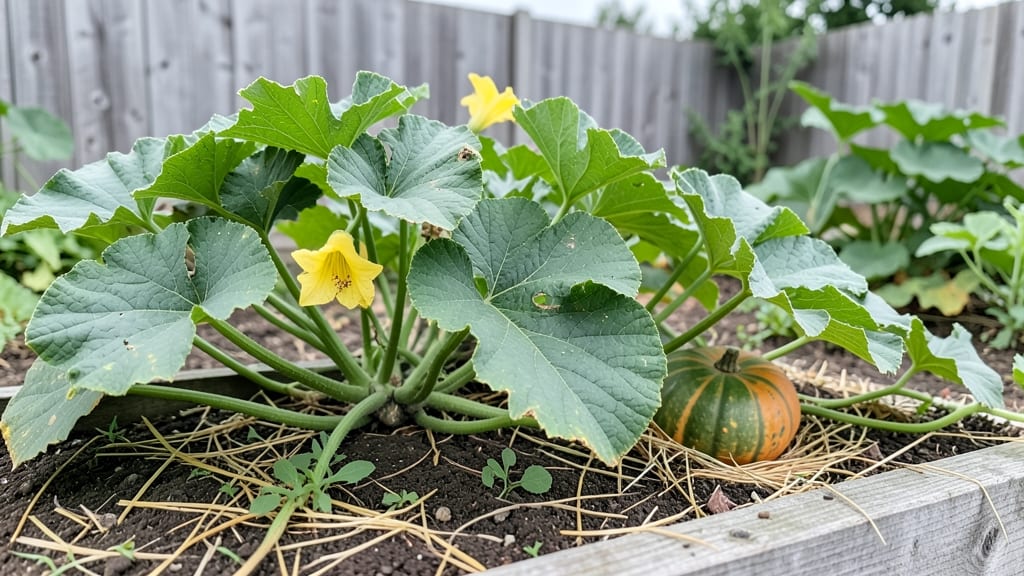
Growing pumpkins in raised beds lets you grow giant varieties even in small yards. 🌱 I’ve watched 20-pound pumpkins ripen in 4x8-foot beds where my in-ground patch produced only tiny, lopsided ones.
The secret isn’t just the soil—it’s how raised beds control moisture, warmth, and root space while keeping pests at bay.
You’ll need a bed at least 3 feet deep (deeper for giant varieties) and 8 feet long to give vines room to sprawl without crowding.
Fill it with a mix of 60% compost, 30% garden soil, and 10% perlite—pumpkins love rich, well-draining soil that holds moisture but doesn’t stay soggy.
Plant seeds 1-2 inches deep after the last frost when soil hits 70°F, and space them 3-4 feet apart for proper airflow.
Watering is where raised beds shine: keep soil consistently moist (not soggy) by watering at the base 2-3 times a week, more in heatwaves. A 5-gallon bucket makes it easy to deliver 1-2 gallons per plant without overwatering.
By midsummer, you’ll see vines stretching 10+ feet long, with 5-10 pound pumpkins forming by August—just don’t forget to trellis the heaviest ones to prevent rot.
Here’s the kicker: raised beds let you grow two crops a year in warm climates. Start a second planting in early summer for fall harvests, or use black plastic mulch to warm soil faster in cooler zones.
The only real challenge? Squirrels—cover young plants with wire mesh until they outgrow the threat. Now, let’s get those beds prepped!
📚 In This Guide
- What you need
- Instructions
- Tips and common mistakes
- Wrapping up and next steps
What you need
- ● Raised bed frame: 4’ x 8’ (minimum) or larger (e.g., 4’ x 12’ for bigger pumpkins). Use cedar, redwood, or untreated lumber (8–12" tall walls to deter pests).
- ● Hardware: 2.5" deck screws (galvanized, ~20–30 screws) or corner brackets for assembly.
- ● Landscape fabric: 1 roll (to line the bed and block weeds).
- ● Soil: 1–2 cubic yards of high-quality, well-draining garden soil mixed with compost (aim for 60% soil, 40% compost).
- ● Pumpkin seeds: Heirloom or giant varieties (e.g., ‘Atlantic Giant’ or ‘Howden’)—plant 3–5 seeds per bed for best results.
- ○ Trellis or stakes: 4–6’ tall (optional but highly recommended for vining varieties to save space).
- ● Drip irrigation or hose: With adjustable nozzles for even watering.
- ● Mulch: Straw or black plastic (to retain moisture and suppress weeds).
- ● Fertilizer: Balanced organic fertilizer (10-10-10) or compost tea for a nutrient boost.
- ● Row covers: Lightweight fabric to protect seedlings from pests.
- ● Pruning shears: For managing vines and removing suckers (if desired).
- ● Soil tester kit: To check pH (ideal: 6.0–6.8 for pumpkins).
- ● Decorative edging: For a polished look (e.g., landscape timbers or stones).
How to grow pumpkins in raised beds for maximum space efficiency
Here’s how I’ve grown 4-foot vines in just 4-foot-wide beds—no sprawl, no wasted space.
🪴 Step 1: Build or Select a Raised Bed with Proper Dimensions
Use a 4-foot-wide by 8-foot-long raised bed to give pumpkin vines room to sprawl without crowding. I like 12-inch-tall beds because they warm up faster in spring and drain well after heavy rains. Line the bottom with cardboard to suppress weeds, then fill with equal parts topsoil, compost, and perlite for loose, fertile soil.
Pumpkins need strong roots, so avoid compacted soil. Mix in 1 cup of bone meal per 4-square-foot section at planting time to boost early root growth. The goal is fluffy, well-draining soil—think of it like a moist sponge, not mud.
🌱 Step 2: Plant Seeds at the Right Depth and Spacing
Sow 4 seeds per bed (you’ll thin later) about 1 inch deep, spacing them 3 feet apart in a square pattern. This prevents overcrowding and makes training vines easier. Water gently after planting—no soaking—just enough to settle the soil around the seeds.
Here’s the trick: plant seeds in small hills (mound soil 3 inches high) to improve drainage and reduce rot. Once seedlings emerge, thin to the strongest 2 plants per hill. You’ll know it’s time when first true leaves appear—usually 7-10 days after sowing.
☀️ Step 3: Train Vines to Grow Vertically for Space Efficiency
When vines reach 12 inches tall, guide them upward using bamboo stakes or a trellis. I loop the main stem around a 4-foot stake and secure it with soft plant ties—never wire, which can cut into tender vines. This keeps foliage off the ground, reducing disease risk.
Pumpkins are heavy, so support the fruit with hammock-style slings (old T-shirts work) once they’re golf-ball-sized. You’ll see faster growth and cleaner fruit when vines aren’t tangled in the soil.
💧 Step 4: Water Deeply and Consistently for Giant Fruits
Water deeply 2-3 times per week, aiming for 1-2 inches of moisture per session. Pumpkins need steady hydration, but soggy soil leads to rot. I check moisture by digging 2 inches deep—if it’s dry, water again.
Mulch with 3 inches of straw to lock in moisture and keep soil cool. This is especially important in hot climates, where sudden dry spells cause blossom-end rot or cracked fruit. A drip irrigation system makes this easier—just set it to run for 30 minutes every other day.
✂️ Step 5: Prune and Harvest at Peak Ripeness
Once vines hit 6 feet long, prune side shoots to focus energy on 2-3 main vines per plant. This boosts fruit size and reduces competition. I also remove yellowing leaves to improve airflow and prevent disease.
Harvest when pumpkins have a deep orange color and the stem dries to a papery texture. Use a sharp knife to cut stems, leaving 2 inches of stem attached. Cure pumpkins in a sunny, dry spot for 10 days to harden the rind—this extends storage life to 3-6 months.
Tips & tricks for perfect raised bed pumpkin growth
Here's what I learned after growing pumpkins in raised beds for years—these tricks make all the difference between decent vines and showstopping giants.
Soil Prep Secret: The 1:1:1 ratio of topsoil, compost, and perlite in Step 1 isn't just arbitrary—it creates the perfect air-to-moisture balance for those deep roots. I've found that adding an extra handful of worm castings to each 4-square-foot section gives an extra nutrient boost without compacting the soil. Think of it as giving your pumpkins a head start on their growth marathon.
Timing Tip for Seedling Thinning: Those 7-10 days until first true leaves in Step 2 can feel like an eternity, but patience pays off. I've learned to mark seed locations with popsicle sticks immediately after planting so I don't accidentally disturb seedlings when checking for germination. Once you see those first leaves, thin ruthlessly—keep only the strongest 2 plants per hill, even if it means sacrificing a favorite. Weak plants will steal resources from your winners.
Vertical Training Hack: When your vines hit that 12-inch mark in Step 3, don't just tie them to stakes—create a gentle spiral pattern as you guide them upward. This encourages the vine to grow stronger and more flexible, handling the weight of those future giant pumpkins. I've had vines reach 10 feet tall using this method, producing fruit that would never survive on the ground. Pro tip: Use old T-shirts for slings—they're free, breathable, and won't cut into the vines like wire ever could.
Watering Wisdom: That 30-minute drip irrigation session in Step 4 is your secret weapon against blossom-end rot. I've found that setting the system to run in the early morning (before 8 AM) prevents water from sitting on leaves all day, which dramatically reduces fungal diseases. For the first few weeks after transplanting, I double the irrigation time to 1 hour to help roots establish—just remember to monitor soil moisture at 2 inches deep as your plants mature.
Pro Tips for Raised Beds For Pumpkins
- Here's what I learned after growing pumpkins in raised beds for years—these tricks make all the difference between decent vines and showstopping giants.
- Soil Prep Secret: The 1:1:1 ratio of topsoil, compost, and perlite in Step 1 isn't just arbitrary—it creates the perfect air-to-moisture balance for those deep roots.
- Timing Tip for Seedling Thinning: Those 7-10 days until first true leaves in Step 2 can feel like an eternity, but patience pays off.
Frequently asked questions
Got questions about growing pumpkins in raised beds? You’re not alone! Here are answers to the most common queries to help you cultivate monster-sized gourds with ease.
How deep should a raised bed be for pumpkins?
Pumpkins need 12–18 inches of soil depth to spread their roots comfortably. A deeper bed (24+ inches) is ideal for giant varieties like Atlantic Giant, as it prevents root binding and supports faster growth. Use a mix of compost, topsoil, and organic matter to boost drainage and fertility.
When is the best time to plant pumpkin seeds in raised beds?
Wait until after the last frost and soil temps hit 60–65°F (15–18°C)—usually late spring or early summer. For warmer climates, plant in early spring. Pumpkins thrive in full sun (6–8 hours/day), so choose a south-facing bed. Start seeds indoors 2–3 weeks early if your season is short.
Can I grow pumpkins in raised beds year-round?
No—pumpkins are warm-season crops and won’t survive frost. In cold climates, grow them as annuals and harvest before winter. In mild zones (Zones 8–10), you might get a second planting in early fall, but expect smaller yields. Always check your frost dates and plan accordingly!
What pests should I watch for in raised bed pumpkins?
Common culprits include squash bugs, cucumber beetles, and powdery mildew. Use row covers early to deter pests, handpick bugs, or spray neem oil. Rotate crops yearly to break disease cycles. Raised beds improve airflow, reducing mildew—but still monitor leaves for yellowing or spots.
What can I plant with pumpkins in a raised bed?
Pumpkins are heavy feeders, so pair them with companion plants that benefit from their shade or deter pests:
- Nasturtiums (repel aphids)
- Marigolds (deter beetles)
- Bush beans (fix nitrogen)
Wrapping up and next steps
Growing pumpkins in raised beds isn’t just a space-saving hack—it’s a game-changer for bigger, healthier harvests! 🎃 With the right soil, spacing, and support, you’ll be well on your way to cultivating those monster-sized gourds you’ve always dreamed of.
Plus, raised beds make maintenance a breeze, so you’ll spend less time weeding and more time admiring your progress.
Ready to dive in? Start by gathering your materials, sketching out your bed layout, and don’t forget to choose the right pumpkin variety for your space. Then, roll up your sleeves—your future jack-o’-lantern (or pie!) is waiting for you. Happy planting! 🌱