
Tools
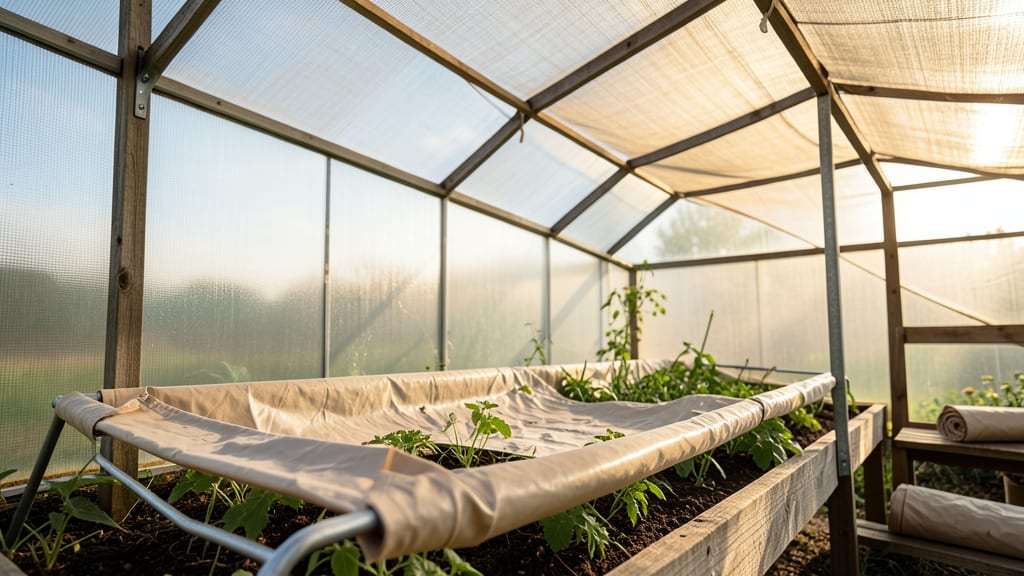
Struggling to protect your raised garden beds from harsh sunlight while maintaining healthy plant growth? These ten shade solutions offer flexible, practical ways to safeguard your plants year-round without cutting off essential sunlight.
Adjustable Lattice Shade Panels
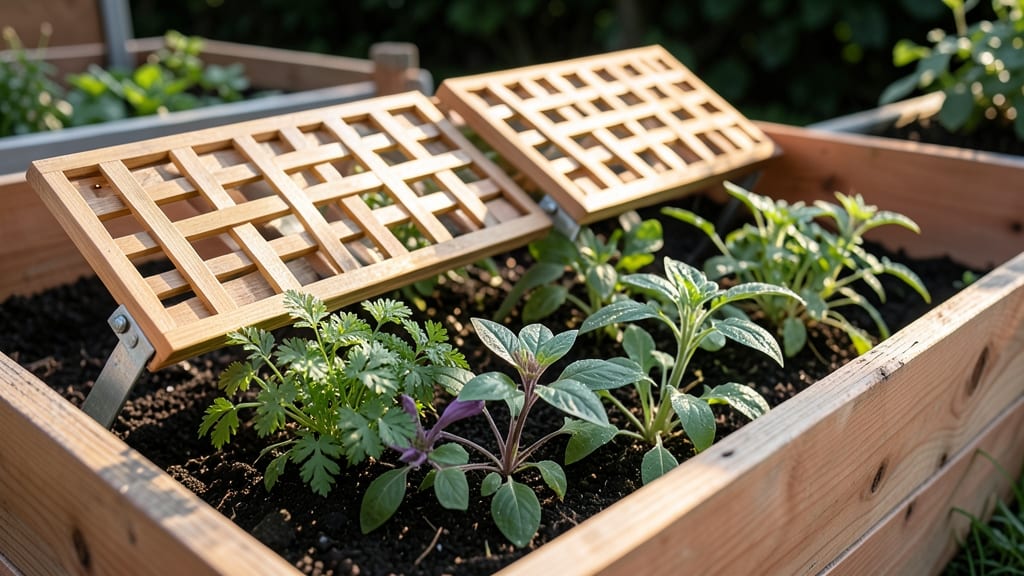
Struggling to find the perfect balance between sunlight and shade for your delicate herbs and leafy greens? Adjustable lattice shade panels offer the ultimate flexibility—rotate them throughout the day to fine-tune sunlight exposure for optimal plant health.
These panels create dappled shade by filtering sunlight through slatted wood or metal, ideal for plants like basil, lettuce, and spinach that need partial shade to thrive. Install them on hinges or adjustable brackets to tilt at different angles, reducing intensity during peak afternoon sun while allowing morning light to reach your crops. The lattice design also promotes airflow, preventing moisture buildup that can lead to fungal issues.
Perfect for beginners or urban gardeners with limited space, these panels are a low-maintenance way to protect your plants without sacrificing sunlight entirely. 🌱
Drip Irrigation with Shade Cloth
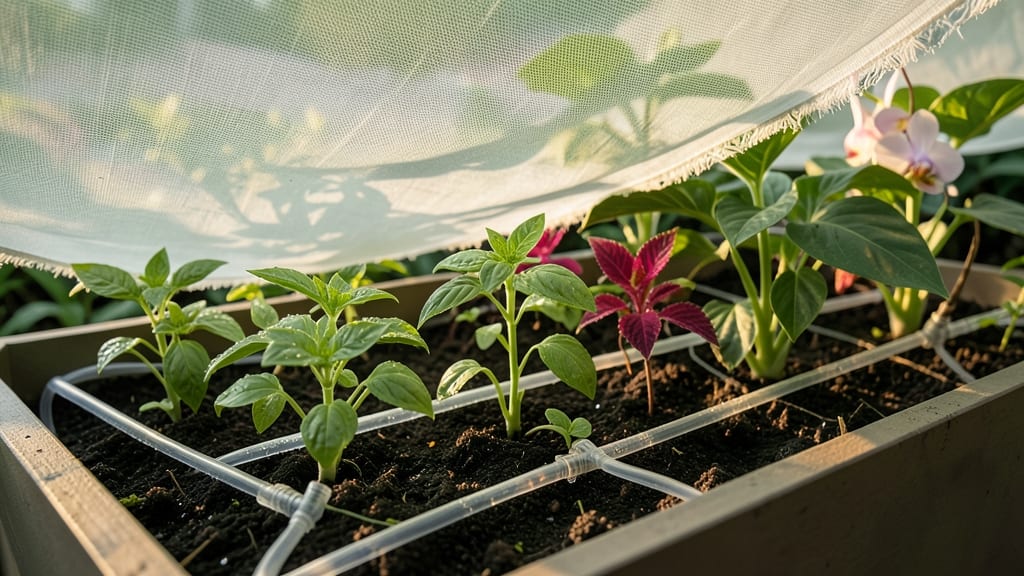
Want to protect your seedlings and tropical plants from scorching sun while keeping them hydrated? A drip irrigation system paired with shade cloth delivers both moisture and filtered light in one efficient setup. This dual-purpose solution is ideal for delicate plants that need consistent care without the risk of overheating.
Install lightweight shade cloth (30-50% coverage) over your raised bed, then drape drip irrigation tubes along the top edges. The cloth blocks harsh rays while allowing gentle, diffused light, and the drip system delivers water directly to roots without wetting foliage. Perfect for tomatoes, peppers, and basil, this combo reduces transplant shock and boosts growth in hot climates.
Urban gardeners and beginners will love this low-maintenance approach—just adjust the cloth height as plants grow. It’s like giving your garden a cool, hydrated retreat! 🌿
Retractable Awning Shade
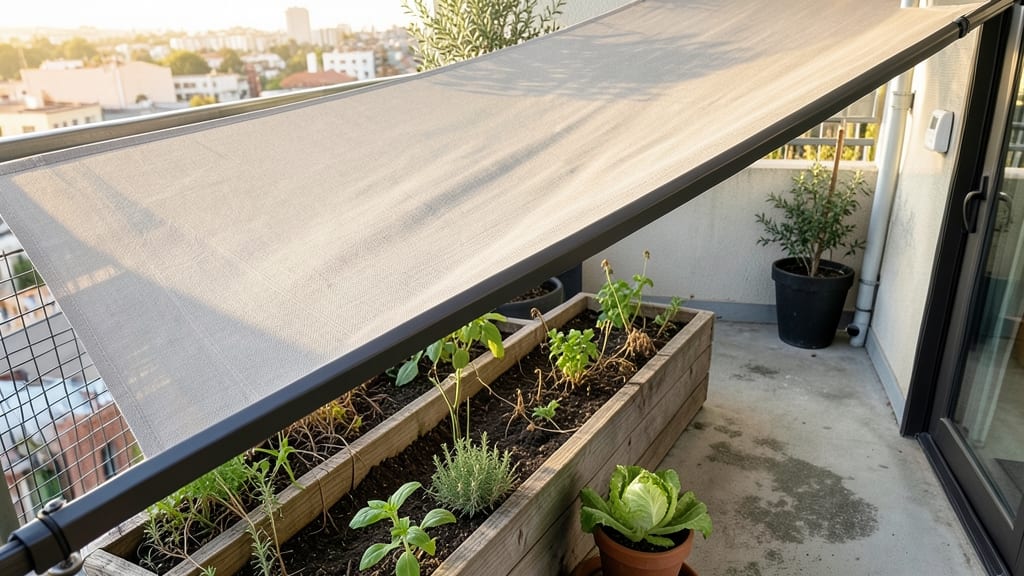
Tired of watching your urban raised beds turn into sun-scorched wastelands during peak afternoon heat? A retractable awning offers instant, adjustable shade with the push of a button or a manual pull—no permanent structures required. This space-saving solution is perfect for city balconies, rooftop gardens, or small yards where real estate is precious.
Choose between motorized models (controlled via remote or smartphone) or manual versions (with simple crank mechanisms) to cover your raised beds in seconds. Opt for 50-70% shade coverage to protect heat-sensitive crops like cucumbers, peppers, and basil while still allowing beneficial morning light. Many awnings attach directly to walls or pergolas, freeing up ground space for more plants. The best part? You can retract them completely when full sun is needed, giving you year-round flexibility.
Urban gardeners with limited space will love this hassle-free solution—it’s like having a built-in sunblock for your plants without sacrificing growing area. 🌻
Living Shade Trellis with Climbing Plants
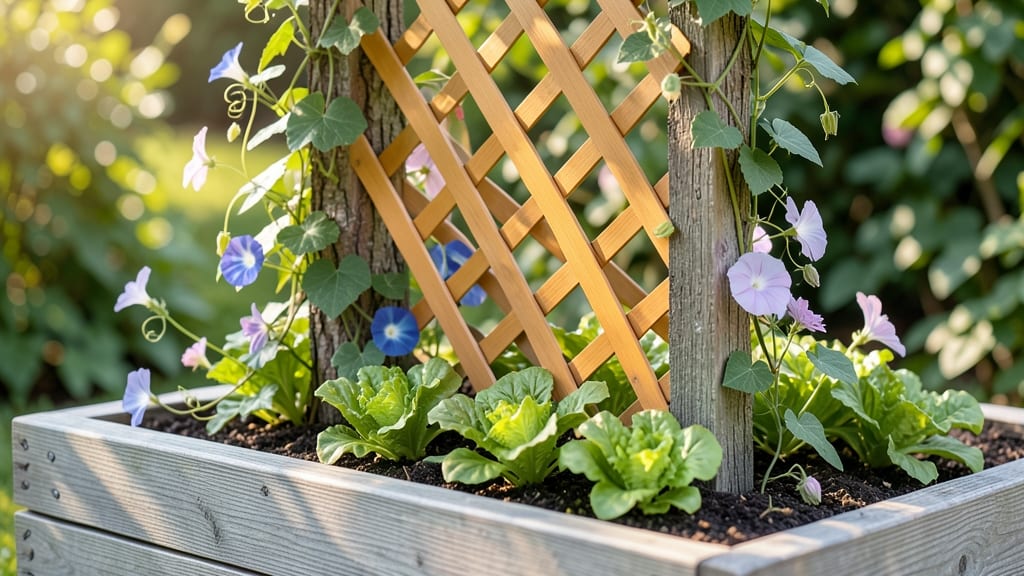
Transform your raised bed into a living shade solution without sacrificing beauty or sunlight—just plant fast-growing vines like morning glories or clematis on a sturdy trellis. These climbers create natural shade while adding vertical interest, perfect for protecting heat-sensitive crops like lettuce, radishes, and spinach from afternoon sun.
Install a wooden or metal trellis above your raised bed, then plant vines at the base or along the edges. Choose morning glories for quick coverage (they bloom in as little as 60 days) or clematis for year-round greenery and fragrant flowers. The dappled shade they provide mimics natural forest conditions, reducing stress on plants while keeping them cooler. Plus, you’ll enjoy seasonal blooms and a lush, green canopy that doubles as a privacy screen.
This eco-friendly approach is ideal for beginner gardeners or those who prefer organic solutions over synthetic shade cloth. Your plants will thrive under their natural umbrella while your garden gains a stunning vertical element. 💚
Floating Row Covers for Heat Zones
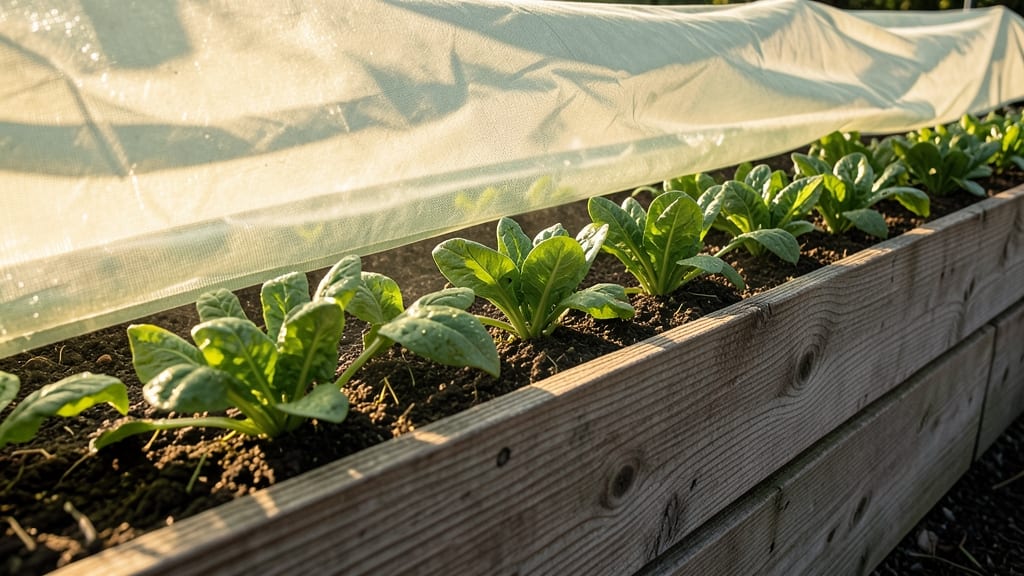
Living in heat zones 9-11 means your raised beds can turn into saunas by midday—but floating row covers offer a breathable, instant solution. These lightweight fabrics block up to 50% of sunlight while allowing airflow, moisture, and rain to reach your plants, making them ideal for protecting greens, herbs, and young seedlings from scorching afternoon rays.
Made from polypropylene or cotton, floating row covers create a protective barrier that reduces soil and air temperatures by up to 10°F. They’re easy to install—simply drape them over your raised bed and secure the edges with stakes or weights. Unlike permanent shade structures, these covers can be removed when full sun is needed, giving you flexibility for year-round use. They’re also lightweight enough to support pollinators like bees and butterflies while keeping pests at bay.
Perfect for beginners and urban gardeners, floating row covers are a low-cost, high-impact way to extend growing seasons and protect heat-sensitive crops without sacrificing sunlight entirely. 🌿
DIY Pergola with Bamboo Slats
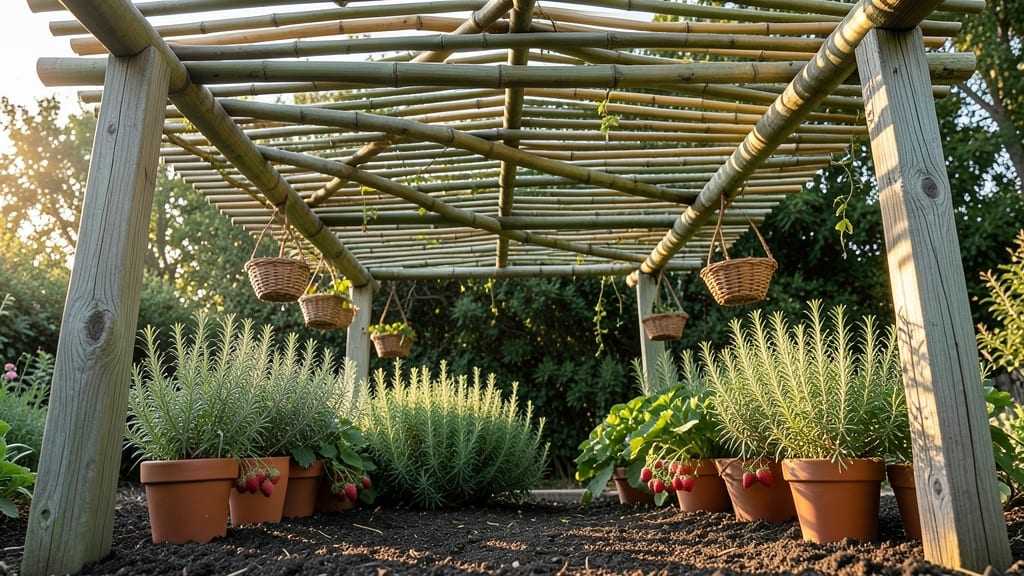
Craving a budget-friendly way to shield your Mediterranean herbs and strawberries from harsh afternoon sun while keeping airflow flowing? A DIY pergola with bamboo slats is your answer—simple to build, affordable, and customizable to your exact shade needs.
Start with 4x4 wooden posts (or repurpose old fence boards) to create a sturdy frame, then attach bamboo slats (or cedar planks) horizontally, spacing them 3-6 inches apart. This spacing filters sunlight into gentle, dappled rays while preventing overheating. For extra durability, treat the wood with a non-toxic sealant. The open design also allows pollinators to access your plants—ideal for strawberries and herbs like thyme, rosemary, and oregano that thrive in partial shade.
Perfect for beginner builders or gardeners with limited funds, this pergola adds charm while protecting your plants. Plus, you can adjust slat spacing as seasons change—no tools required! 🌱
Reflective Mulch for Heat Reduction
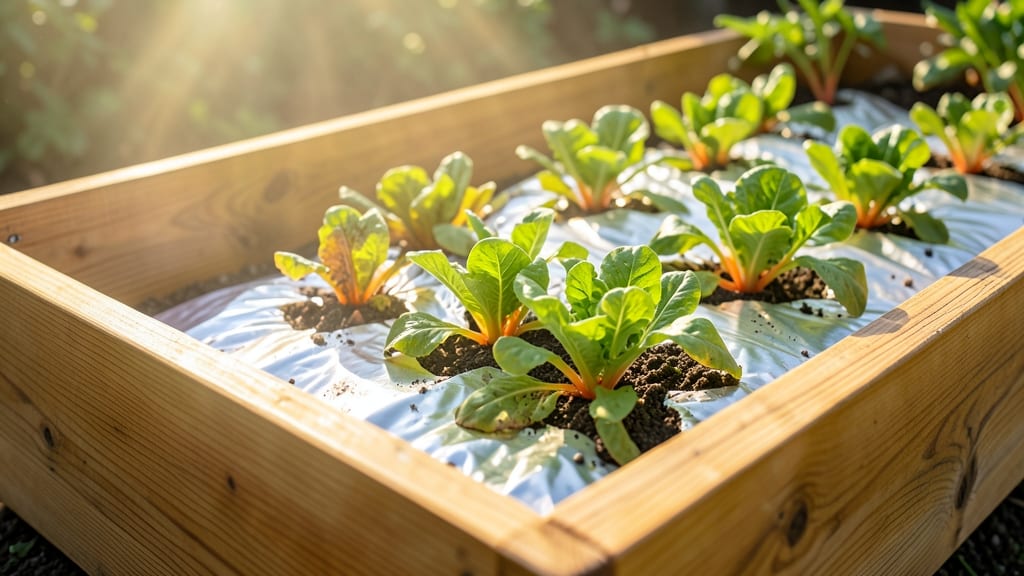
If your shallow-rooted crops like carrots and lettuce are wilting under intense summer heat, reflective mulch could be your secret weapon. This innovative approach uses white or silver mulch to bounce sunlight away from the soil, keeping roots cooler by up to 10°F compared to traditional dark mulches.
Spread a layer of light-colored landscape fabric or pea gravel over your raised bed’s surface—it reflects up to 70% of sunlight while allowing water and air to reach plant roots. This method is especially effective for heat-loving vegetables that still need sunlight but can’t handle scorching soil temperatures. The mulch also suppresses weeds and reduces evaporation, making it a triple threat for summer gardening.
Perfect for urban gardeners with limited space or those growing in containers, reflective mulch requires minimal setup and no structural changes. Just apply it directly over your soil and watch your heat-sensitive plants thrive under the sun’s glare. ✨
Shade Sail Canopy System
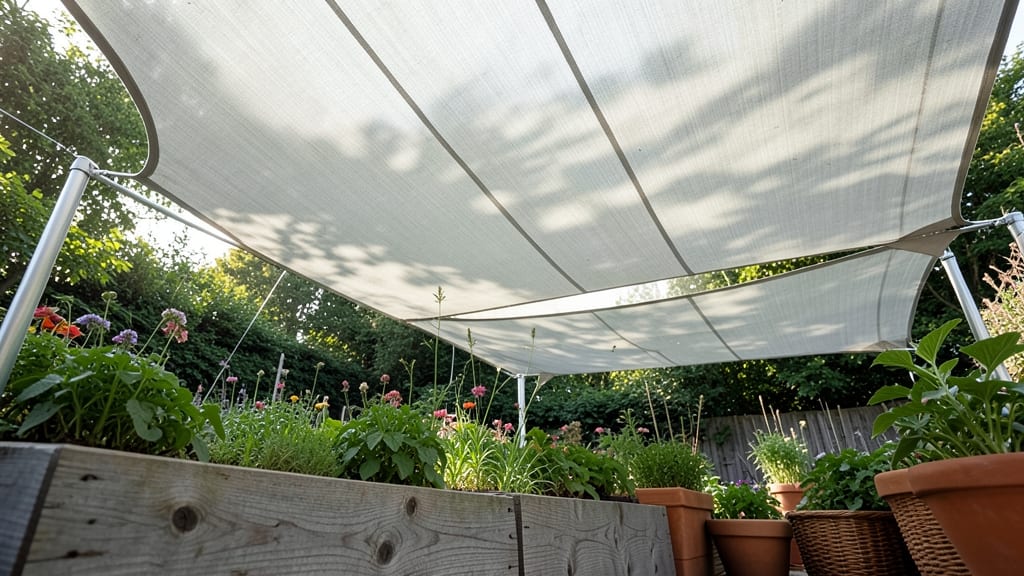
Struggling to protect your large raised beds or container gardens from relentless afternoon sun? A shade sail canopy system delivers customizable shade (30-80%) with a sleek, modern look that blends seamlessly into any garden style. Unlike bulky shade cloths or permanent structures, these fabric sails stretch across your growing space, providing adjustable protection that moves with the sun.
Choose from UV-stabilized fabrics in various colors to match your garden aesthetic while blocking 30-80% of sunlight, perfect for heat-sensitive crops like eggplants, peppers, and basil. Install them on aluminum frames or tension cables for easy setup and removal, and adjust the angle throughout the day to fine-tune shade levels. The lightweight design also resists wind, making it ideal for open yards or patio gardens where traditional shade solutions might fail.
This solution is a game-changer for urban gardeners, container growers, or anyone with full-sun spaces—no permanent installation required! 🌟
Hanging Shade Nets for Vertical Gardens
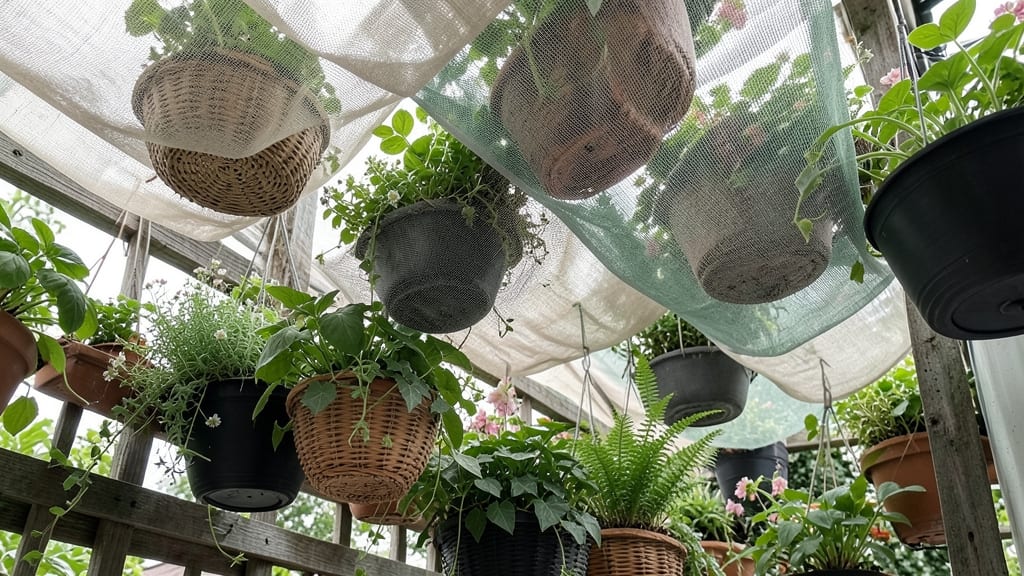
Maximize your small-space garden with hanging shade nets—the ultimate solution for vertical planters and baskets that need partial shade protection. Unlike bulky shade structures, these lightweight nets drape effortlessly over hanging planters, creating a breathable barrier that filters sunlight while allowing airflow and rain to reach your plants.
Look for 30-50% shade coverage nets made from UV-stabilized polyester, which block harsh rays while maintaining visibility for pollinators. Perfect for trailing plants like nasturtiums, ferns, or strawberries, these nets attach with simple clips or strings, making them ideal for balconies, patios, or rooftop gardens. They’re also easy to remove when full sun is needed, giving you year-round flexibility for seasonal planting.
Balcony gardeners and urban dwellers will love this space-saving solution—it’s the perfect way to protect delicate plants without sacrificing growing space or aesthetics. 🌱
Seasonal Shade Rotation with Tarps

Struggling to keep your greenhouse or extended-season beds from overheating in summer yet still need winter protection? Seasonal shade rotation with tarps gives you the ultimate flexibility—swap out lightweight tarps or shade cloths as temperatures shift, without permanent installations.
Start with a lightweight UV-stabilized tarp (30-50% shade) during peak summer months to block intense rays while allowing airflow, then switch to a clear or sheer tarp in cooler seasons for minimal light filtration. For greenhouses, use hoop houses with removable cloth panels that can be rolled up or secured as needed. This system works perfectly for heat-sensitive crops like lettuce, spinach, and strawberries in summer, then protects winter greens like kale or arugula from frost.
Greenhouse owners and seasonal gardeners will love this adaptable approach—it’s cost-effective, easy to store, and extends growing seasons without sacrificing sunlight. Just remember to secure edges tightly to prevent wind damage! ✨