
Tools
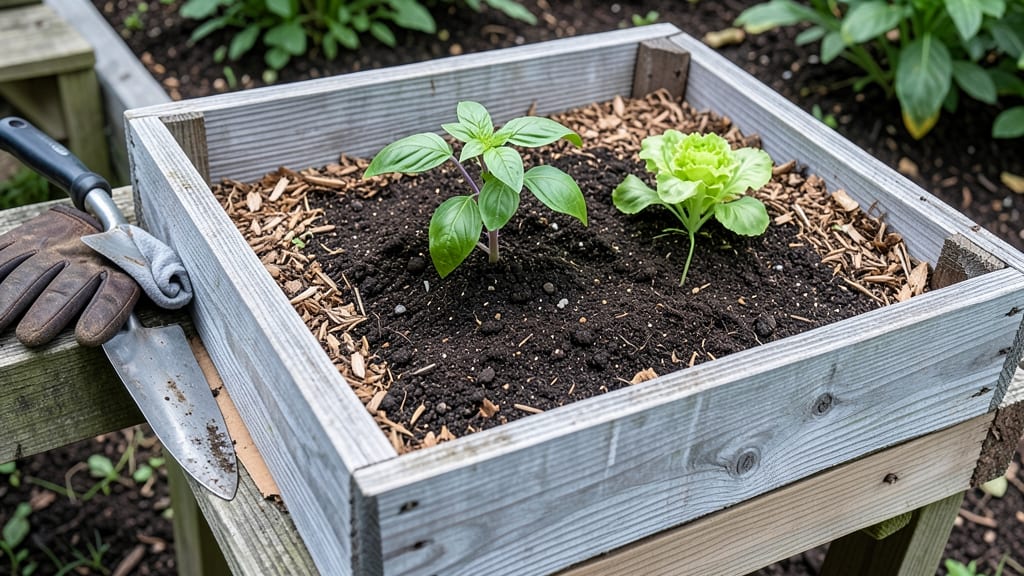
Getting the right raised garden bed soil depth is the foundation of a thriving garden — too shallow, and your plants will struggle to reach their full potential.
Struggling with poor plant growth in your raised garden beds? The secret isn’t just what you plant—it’s how deep your soil layers are. Science shows even a few inches can mean the difference between thriving vegetables and stunted roots.
In this guide, I’ll break down the ideal depth for different crops, how to layer your soil for perfect drainage, and how to fix common mistakes that limit root growth.
Whether you’re a beginner or a seasoned gardener, these science-backed tips will help you create the perfect growing environment for your plants.
Optimal raised garden bed soil depth by plant type: root zone science
When designing your raised garden beds, soil depth isn’t just about aesthetics—it’s about giving plant roots the space they need to thrive. Shallow-rooted herbs like basil and parsley only need 6-8 inches of soil, while deep-rooted crops like tomatoes and carrots demand 12-18 inches to reach their full potential.
The right depth prevents root binding and ensures proper drainage, which directly impacts your harvest.
Most gardeners assume deeper is always better, but over-deepening can waste resources and create maintenance challenges. The key is matching soil depth to your plant types while accounting for drainage layers and organic matter.
For example, a 6-inch bed works for lettuce, but the same depth will stunt carrot growth. Let’s break down the science-backed recommendations to maximize your yield.
🌱 Did You Know? Roots need oxygen as much as water and nutrients. Compacted soil cuts off airflow, leading to anaerobic conditions that weaken plants. Proper depth prevents this by allowing roots to spread freely.
| Plant Type | Root Depth | Min. Raised Bed Depth | Ideal Depth | Notes |
|---|---|---|---|---|
| Herbs (basil, parsley, cilantro) | 6-12 inches | 6 inches | 8-10 inches | Shallow roots; avoid overcrowding |
| Leafy Greens (lettuce, spinach, kale) | 6-10 inches | 6 inches | 8-10 inches | Fast-growing; harvest before roots fill space |
| Root Crops (carrots, beets, radishes) | 12-18 inches | 12 inches | 16-18 inches | Loose, stone-free soil required |
| Fruiting Plants (tomatoes, peppers, cucumbers) | 18-24 inches | 12 inches | 16-20 inches | Stake or cage for support; deeper roots = more stability |
| Perennials (asparagus, rhubarb) | 24+ inches | 18 inches | 24+ inches | Long-term investment; amend soil annually |
For shallow-rooted plants like herbs and lettuce, a 6-inch soil depth is often sufficient, but I always recommend adding 2-4 inches of compost to boost nutrients.
These plants prioritize quick growth over deep roots, so focus on keeping the topsoil loose and rich. Lettuce, for example, can bolt if roots struggle to access moisture in compacted soil.
On the other hand, deep-rooted vegetables like tomatoes and carrots need 16-20 inches of soil to prevent root binding. Carrots, in particular, require loose, stone-free soil to grow straight.
If your bed is only 12 inches deep, opt for shorter varieties like Paris Market carrots or grow them in dedicated deep pockets of compost.
One common mistake is assuming more depth equals better drainage. While deeper beds improve drainage, they also require proper layering to avoid waterlogging. Always include a 2-4 inch drainage layer of gravel or coarse sand at the bottom. Without this, excess water can suffocate roots, even in deep beds.
For container-like raised beds (under 12 inches deep), choose plants that match the space. Bush beans, radishes, and green onions thrive in shallower beds, while squash and zucchini can stretch their roots to fit.
If you’re set on growing deep-rooted crops, consider extending your bed’s height with additional wood
Layering your raised bed soil: the perfect mix for drainage & nutrition
The key to a thriving raised garden bed isn’t just the plants you choose—it’s the soil layers you build. A well-structured bed with proper drainage layers and nutrient-rich soil ensures roots grow deep and plants flourish.
Without the right depth and composition, even the hardiest plants struggle. Let’s break down the science-backed layers for a balanced, productive raised bed.
Most raised beds need at least 6-12 inches of soil depth for shallow-rooted plants like herbs and lettuce, but deep-rooted crops (think tomatoes or carrots) require 12-18 inches. The magic happens in the layers: a drainage base, a compost-rich middle layer, and a fertile topsoil finish.
Each layer serves a purpose—from preventing waterlogging to feeding roots as they grow.
- 1 Bottom Drainage Layer (4-6 inches): Use gravel, coarse sand, or broken pottery shards to prevent waterlogging. This layer ensures excess water drains away from roots while keeping moisture for plants.
- 2 Carbon-Rich Layer (2-3 inches): Add straw, shredded leaves, or pine needles to balance the nitrogen in compost. This layer improves soil structure and prevents compaction over time.
- 3 Compost Layer (4-6 inches): Mix in well-aged compost or worm castings for nutrients. Avoid fresh manure—it can burn roots and attract pests. Aim for a 50/50 mix of compost and topsoil here.
- 4 Topsoil Layer (6-12 inches): Finish with high-quality topsoil to create a loose, aerated surface. Avoid heavy clay soils—they compact easily and suffocate roots.
- 5 Mulch Top Layer (1-2 inches): Add straw or wood chips to retain moisture, suppress weeds, and regulate soil temperature. This layer also prevents erosion during rain.
Pro tip: If your bed is less than 12 inches deep, focus on nutrient-dense layers like compost and worm castings. For deeper beds, add a second compost layer between the drainage and topsoil to maximize root growth.
Always avoid compacting soil—use a broadfork or your hands to loosen layers before planting.
One common mistake is skipping the drainage layer, which leads to soggy soil and root rot. Another is overloading with fresh compost, which can deplete nitrogen.
Test your soil’s pH (6.0-7.0 ideal for most veggies) and adjust with lime or sulfur if needed. A little planning now saves headaches later!
For deep-rooted plants like asparagus or potatoes, extend the bed’s depth by adding wooden frames or extra layers of compost. If your bed is already built, you can still improve drainage by digging down and adding a gravel layer before replanting.
The goal? Give roots the space and nutrients they crave.
Remember, a layered raised bed isn’t just about depth—it’s about balance. Too much compost? Roots burn. Too little drainage? Plants drown. Aim for a 50/50 mix of organic matter and soil, and your garden will thank you with bigger yields and healthier plants. Happy layering! 🌱