
Advice
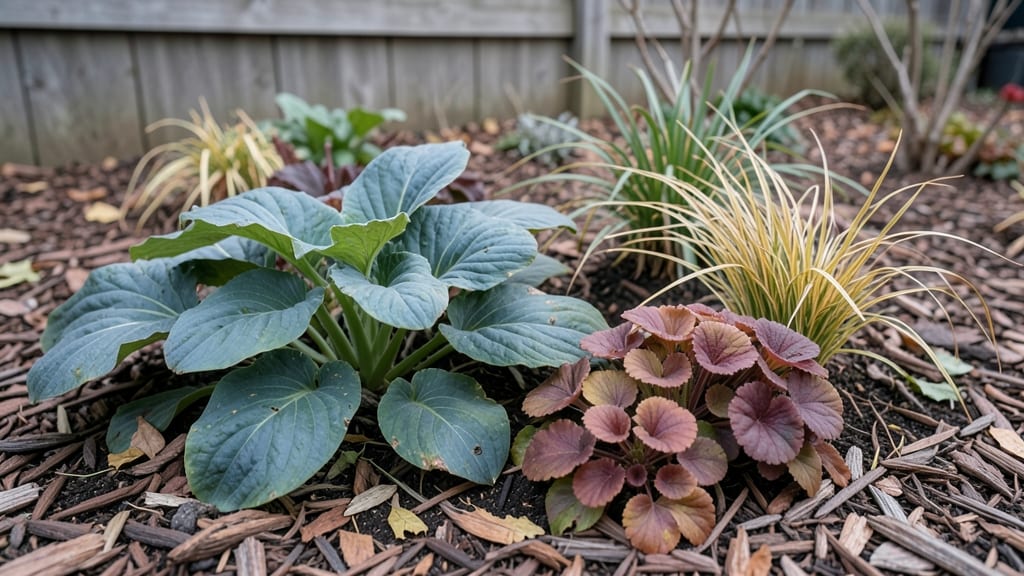
Leaving leaves on garden beds improves soil health by acting as natural mulch that locks in moisture, blocks weeds, and breaks down to enrich the soil. Just avoid piling them too thickly, or they might suffocate plants or attract pests.
Leaving leaves on garden beds is a gardener's secret weapon for healthier soil. 🌿 When they decompose, they release nutrients like nitrogen and phosphorus, feeding plants over time. This natural process also protects soil from erosion and helps regulate temperature—ideal for winter protection.
However, not all leaves are created equal: shredded leaves break down faster, while whole leaves may need more time to decompose effectively.
For best results, spread leaves in a 2-3 inch layer—thicker piles can create anaerobic conditions that harm soil life. If your leaves are from diseased plants, remove them first to prevent spreading problems.
You can also turn them into leaf mold, a nutrient-rich soil amendment, by letting them compost slowly in a contained pile.
💡 In This Article
- How Mulching Leaves Improves Soil Health
- Best Practices for Using Fallen Leaves in Gardens
How mulching leaves improves soil health
When you leave leaves on garden beds, you're essentially creating a living blanket that transforms the soil over time. The decomposition process begins with microbial activity—bacteria and fungi break down cellulose and lignin in the leaves, converting them into humus.
This process releases essential nutrients like nitrogen (which supports leafy growth) and phosphorus (critical for root development). A 3:1 carbon-to-nitrogen ratio in leaves ensures slow decomposition, preventing nutrient spikes that could burn plant roots.
The texture of leaves matters too. Shredded leaves decompose in about 6-12 months, while whole leaves may take 2-3 years to break down completely. This gradual process creates a sponge-like layer that holds 20-30% more moisture in the soil than bare ground, especially during dry spells.
The coarse surface also scatters sunlight, reducing weed seed germination by up to 80% in some cases.
Leaves play a crucial role in winterizing soil too. Their insulating properties protect plant roots from freeze-thaw cycles, which can damage soil structure. Studies show that mulched beds maintain 5-10°F warmer soil temperatures in winter compared to bare soil, giving early spring plants a head start.
The decomposition also creates beneficial mycorrhizal fungi, which help plants absorb nutrients more efficiently.
What most gardeners don't realize is how leaves prevent erosion. Their fibrous network traps raindrops, reducing soil runoff by 40-60% compared to unprotected beds. This is particularly valuable on slopes or sandy soils where erosion is a constant battle.
The organic matter from decomposed leaves also improves soil aggregation—creating those crumbly, water-holding clumps that professional gardeners covet.
For maximum benefits, aim for a 2-3 inch layer of leaves—thicker layers can create anaerobic pockets that harm beneficial microbes. You'll notice the difference in just a few months: richer soil color, fewer weeds, and plants that seem to thrive with less watering.
The key is balance—too little won't make much difference, but too much can smother your plants.