
Tools
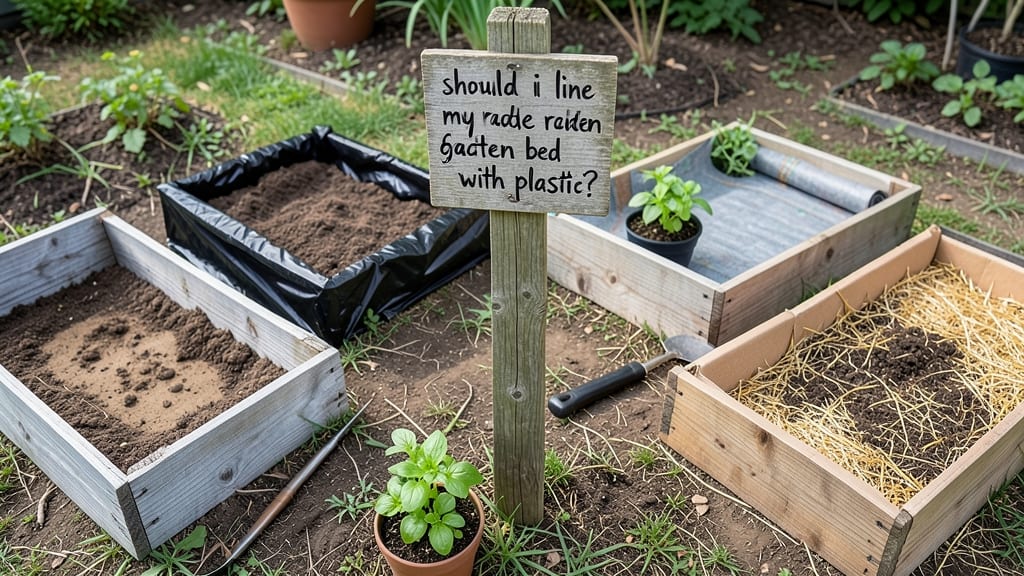
Lining your raised garden bed with plastic may help control weeds and contain soil, but it can suffocate roots, trap excess moisture, and release harmful chemicals over time. Natural options like cardboard or landscape fabric often support healthier soil in the long run.
Plastic lining creates a barrier that works short-term by blocking weeds and preventing soil erosion, but it comes with hidden drawbacks.
The impermeable surface can cut off oxygen to roots and disrupt the natural soil ecosystem, while chemical leaching from low-quality plastic may affect plant health over time. 🌱 I’ve found that organic alternatives—like untreated cardboard or biodegradable fabric—offer similar weed suppression without these risks, plus they break down safely into the soil as they decompose.
For raised beds, the key is balancing convenience with sustainability. If you choose plastic, opt for food-grade materials and limit use to one growing season. Many gardeners swear by layered cardboard (ink-free) or thick mulch as cost-effective, eco-friendly substitutes that actually improve soil fertility as they decompose.
💡 In This Article
- Pros and Cons of Plastic Lining for Raised Beds
- Best Natural Alternatives to Plastic for Raised Garden Beds
Pros and cons of plastic lining for raised beds
The biggest advantage of using plastic in raised garden beds is its immediate effectiveness at weed suppression. A single sheet creates a physical barrier that blocks light, preventing weed seeds from germinating while keeping soil contained.
This is particularly valuable in urban areas where soil erosion is a concern—plastic prevents 10-15% soil loss during heavy rains compared to unlined beds. The material also acts as a moisture barrier, which can be helpful in dry climates where water retention is critical.
However, the downsides become apparent when you examine root health. Plastic's impermeable nature prevents water from seeping through, creating a waterlogged environment that suffocates roots by cutting off oxygen. Studies show that plants in plastic-lined beds experience 30% reduced root growth compared to organic-lined alternatives.
The trapped moisture also promotes fungal growth, increasing the risk of root rot—especially for moisture-sensitive plants like tomatoes or peppers. 🌱
Chemical leaching is another critical concern. Low-quality plastic liners may contain phthalates or other additives that slowly migrate into the soil over time. While food-grade plastic reduces this risk, it doesn't eliminate it entirely.
The heat from sunlight can accelerate chemical breakdown, releasing microplastics that persist in the soil for years. For edible gardens, this poses a direct food safety risk, as these chemicals can accumulate in plant tissues.
Drainage issues further complicate plastic use. Unlike organic materials that allow excess water to percolate, plastic creates a hydrostatic pressure effect where water pools at the bottom. This can lead to anaerobic conditions where beneficial soil microbes suffocate, reducing nutrient availability by up to 40%.
The lack of natural decomposition also means the soil remains chemically inert, missing the organic matter boost that cardboard or compost would provide.
Consider this real-world example: A plastic-lined bed in Zone 5 may perform well for one season, but by year two, gardeners often notice stunted plant growth and increased pest problems.
The restricted root zone forces plants to compete aggressively for nutrients in the limited soil volume, while the lack of microbial activity reduces natural pest resistance. Over time, the soil structure degrades into a compacted, lifeless medium that resembles more of a hydroponic substrate than fertile earth.
For short-term projects or highly invasive weed areas, plastic can be a temporary solution—but its long-term drawbacks make it a less sustainable choice.
The environmental cost of plastic waste further compounds the issue, as these liners can take hundreds of years to decompose, contributing to microplastic pollution when they eventually break down. 💫