
Landscaping
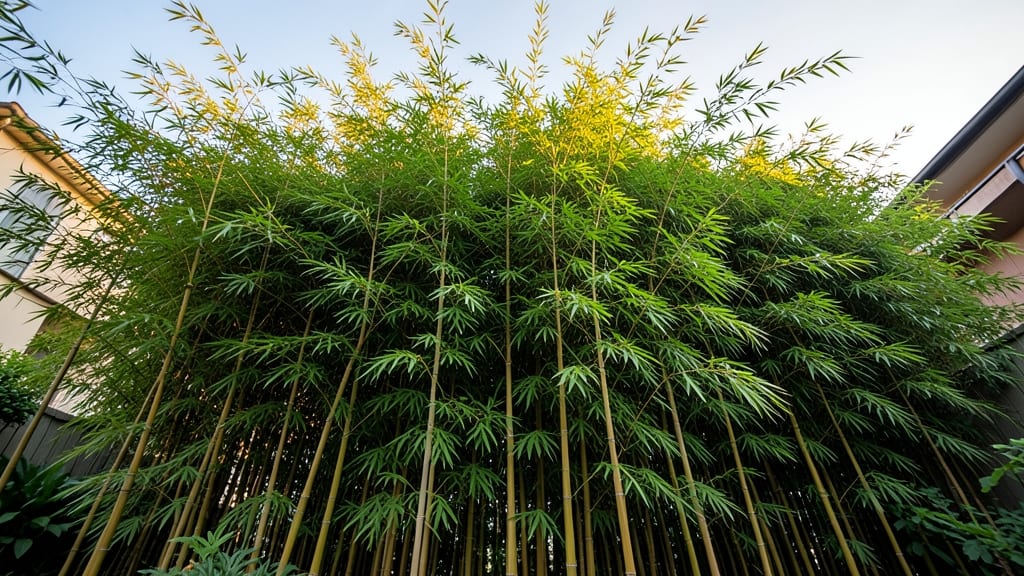
Transform your garden with these 10 layered shrub bed designs that combine evergreens, seasonal blooms, and structural plants for year-round interest. Perfect for both beginners and experienced gardeners seeking low-maintenance yet stunning landscapes.
Evergreen Foundation with Boxwood Borders
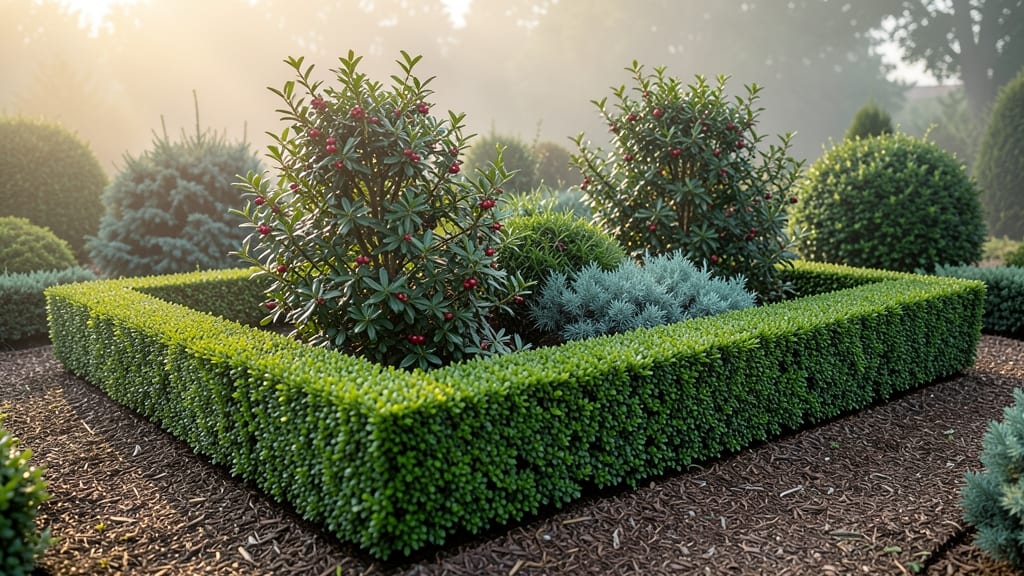
Craving a garden that looks polished and intentional without requiring constant upkeep? Boxwood borders are the secret weapon for formal shrub beds, offering neat, evergreen edges that frame taller shrubs like holly or yew for year-round structure.
Plant boxwoods in a tight, rectangular formation to create crisp lines, then tuck taller evergreens behind them for height contrast. This combo thrives in full sun to partial shade and handles pruning like a pro—just trim back one-third of new growth in early spring. The result? A timeless, high-impact look that requires minimal maintenance once established.
This design is perfect for gardeners who love classic elegance but want low-fuss plants. It’s especially ideal for urban yards or formal landscapes where clean lines and symmetry are key. 🌿
Japanese Maple Layered with Azaleas
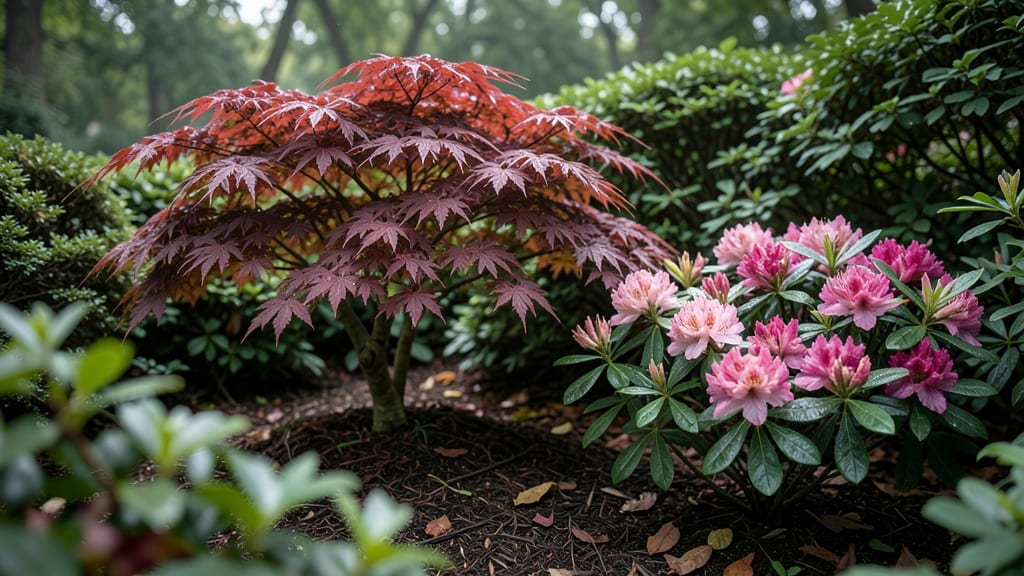
If your garden gets little sunlight, this shade-loving duo delivers drama without the sun. A Japanese maple—like the fiery Acer palmatum 'Bloodgood'—paints your autumn with fiery reds, while azaleas burst into spring color, creating a year-round show in compact spaces.
Plant the Japanese maple as your centerpiece, surrounded by evergreen azaleas (like Rhododendron 'Girard's Pink') for layered texture. Mulch with pine bark to retain moisture and acidify soil—both plants thrive in acidic, well-drained conditions. Prune azaleas lightly after blooming to maintain shape, while maples need minimal pruning unless you want to shape their delicate branches.
This combo is perfect for urban gardeners with small yards or shady corners. The low-maintenance pairing ensures vibrant color with minimal effort, making it a standout for those who love nature’s quiet elegance. 🌿
Dwarf Conifer Forest with Ferns
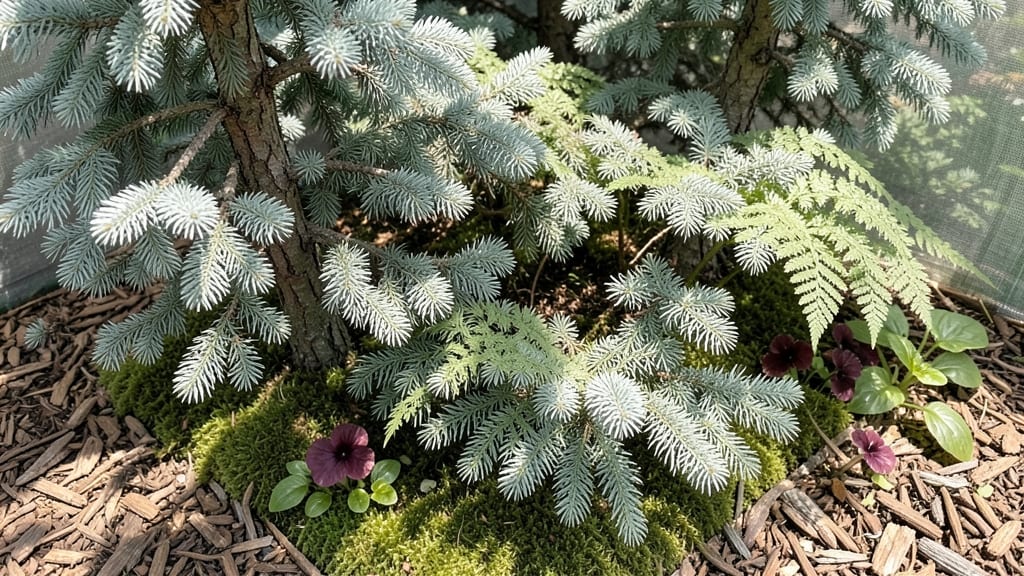
Want to bring the magic of a woodland retreat into your garden without the upkeep of a full forest? A dwarf conifer forest with ferns delivers that dreamy, shaded ambiance in just a few square feet. The key is pairing textured conifers like Juniperus squamata with soft, feathery ferns for a natural tapestry that thrives in partial shade.
Start by grouping blue-green conifers in odd-number clusters (3 or 5 plants) for organic shape, then fill gaps with native ferns like Matteuccia struthiopteris or Dryopteris marginalis. These plants require minimal pruning—just a light trim in early spring to shape the conifers. Mulch with wood chips to mimic a forest floor and retain moisture, reducing watering needs by up to 50%.
This design is perfect for gardeners who love low-maintenance, high-impact beds that feel wild but stay tidy. It’s especially ideal for shady corners, urban courtyards, or woodland-style gardens where you want texture without the fuss. 🌿
Butterfly Garden with Viburnum and Spirea
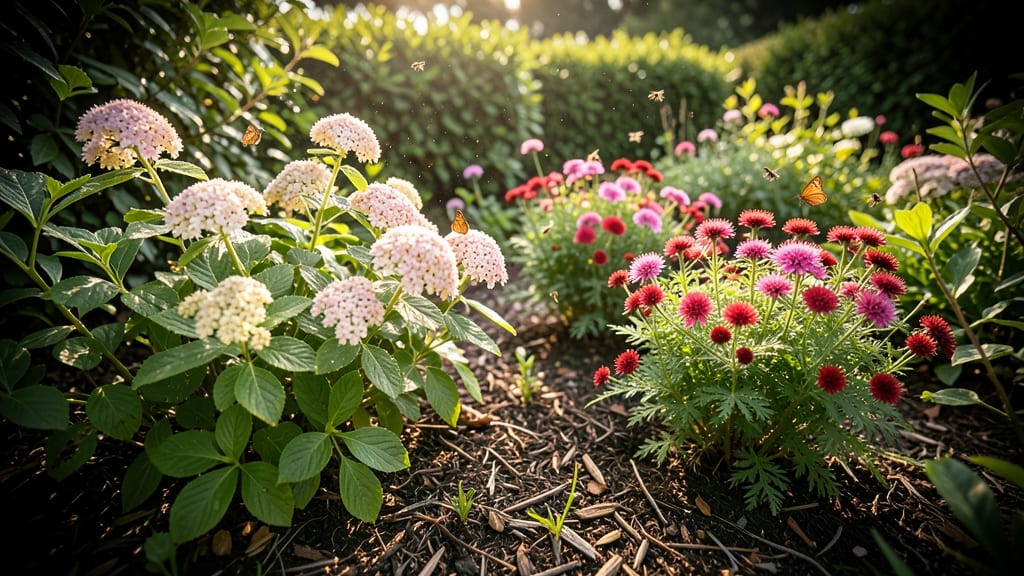
Turn your sunny borders into a buzzing haven for butterflies with this pollinator powerhouse duo. Viburnum bursts into spring blooms, while spirea takes over in summer, creating a year-round floral buffet that keeps wings fluttering through your garden.
Plant viburnum like Viburnum bodnantense (for winter interest) or Viburnum plicatum (for layered spring blooms) as your backdrop, then tuck spirea varieties like Spiraea japonica 'Goldflame' in front for cascading summer color. Both thrive in full sun to partial shade and become drought-tolerant once established—just water deeply once a week during their first growing season. Prune viburnum after flowering to maintain shape, while spirea benefits from a light trim in late winter.
This combo is perfect for eco-conscious gardeners who want to support local wildlife while keeping maintenance simple. The butterfly magnet effect alone makes it worth the space! 🌻
Cottage Garden Mix with Lavender and Roses
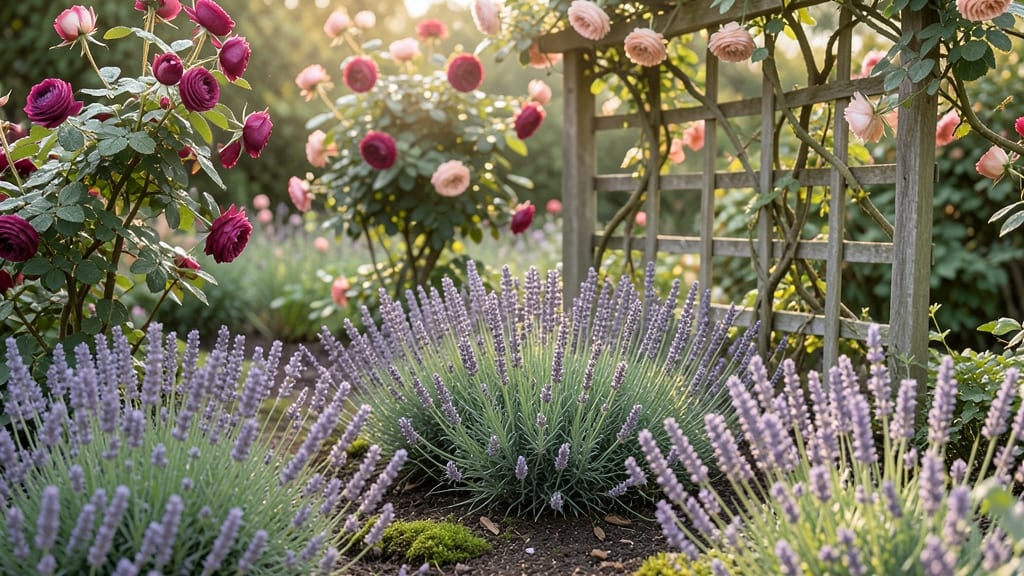
Step into a garden that smells like nostalgia with a cottage garden mix of lavender and climbing roses. This fragrant duo creates an old-world charm that’s as easy to grow as it is to love, blending soft vertical layers with intoxicating aromas that drift through summer evenings.
Start with dwarf lavender varieties like 'Munstead' or 'Hidcote' as your fragrant foundation—their silvery foliage and purple spikes add height and repel pests naturally. Weave in climbing roses (like 'New Dawn' or 'Blaze') along rustic trellises or arbors for romantic, soft vertical lines. Plant them in well-drained soil with 6 hours of sun daily, and mulch with gravel to keep roots cool. Prune roses lightly after their first bloom to encourage repeat flowering, while lavender thrives with almost no maintenance—just trim back woody stems in early spring.
This design is pure magic for gardeners who crave timeless beauty without the fuss. Perfect for small yards, cottage-style homes, or even urban balconies with trellises, it brings romance, fragrance, and a touch of whimsy to any space. 🌷
Winter Interest Shrub Bed with Holly and Camellia
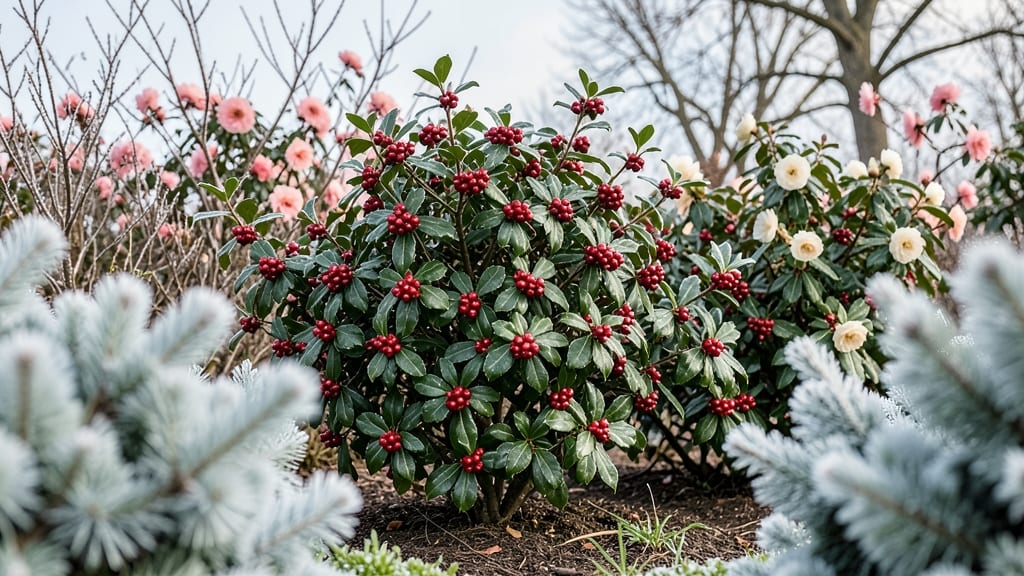
Skip the winter doldrums with a winter interest shrub bed that stays vibrant when most gardens go dormant. Pair holly shrubs with glossy red berries for bold structure with camellias that burst into bloom from late winter through early spring, creating a striking contrast against frost-kissed foliage.
Plant evergreen holly (like Ilex 'Nellie R. Stevens') as the backbone, then layer camellias (such as Camellia japonica 'Winter's Star') in front for cascading winter flowers. Both thrive in acidic, well-drained soil—ideal for coastal or southern climates—and handle partial shade beautifully. A light pruning after blooming keeps them tidy, while mulching with pine bark preserves moisture and acidity.
This combo is perfect for gardeners in USDA zones 7-9 who want color when other plants are sleeping. The holly's berries provide year-round interest, while camellias reward you with fragrant blooms just when you need a pick-me-up. 🌷
Modern Minimalist with Grasses and Ornamental Grasses
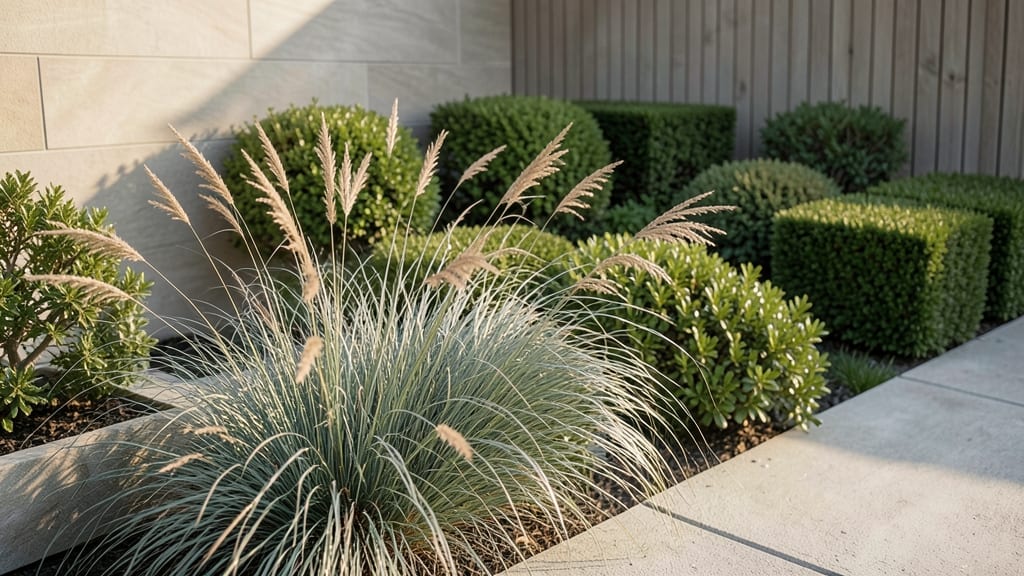
Tired of shrub beds that feel cluttered or overly fussy? A modern minimalist approach with ornamental grasses and architectural shrubs delivers clean lines and effortless elegance. This design swaps traditional shrubbery for the sleek movement of Carex or Miscanthus grasses, paired with structured shrubs like Itea virginica—think deep green foliage and cascading summer blooms that add softness without overwhelming the space.
Start by planting clumping grasses like Carex oshimensis 'Evergold' for golden foliage or Miscanthus sinensis 'Zebrinus' for striped texture, then anchor them with Itea virginica 'Little Henry', a compact variety that blooms in white plumes. These plants thrive in full sun to partial shade and require zero pruning—just deadhead spent blooms in fall. For a polished look, use gravel or crushed stone as mulch to highlight the grasses' natural forms.
This design is ideal for urban gardeners, small-space enthusiasts, or anyone craving a contemporary vibe. The combination of textural contrast and movement creates visual interest with minimal effort, making it perfect for modern landscapes where simplicity is key. ✨
Edible Shrub Bed with Blueberries and Currants
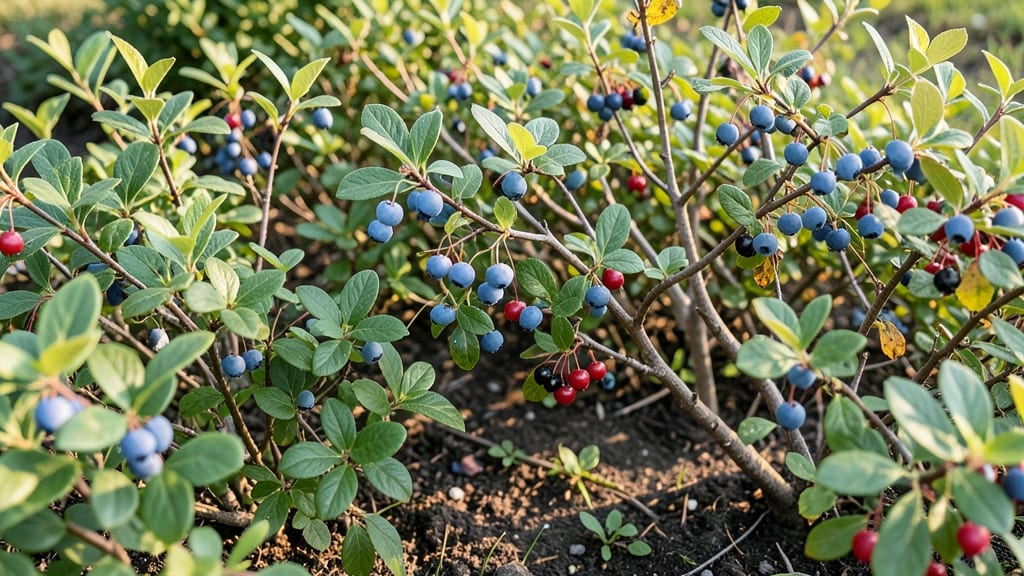
Want a shrub bed that doubles as a fruit-producing powerhouse? Pair blueberry bushes with currants for a harvestable, low-maintenance solution that thrives in acidic soil. This dynamic duo delivers summer berries while adding vibrant foliage and seasonal interest—no fancy pruning required.
Start by planting blueberries (like 'Bluecrop' or 'Duke') as your backdrop—they’ll reach 4-6 feet tall and produce fruit for decades. Tuck red or black currants (like 'Consort' or 'Ben Connan') in front for their bright foliage and edible berries. Both love well-drained, acidic soil (pH 4.5-5.5), so amend with peat moss or pine needles if needed. Mulch with pine straw to retain moisture and suppress weeds, and water deeply once a week during their first year.
This combo is perfect for urban gardeners with small spaces or homesteaders who want to grow food without sacrificing beauty. The berries attract birds, and the shrubs stay lush year-round—making it a functional and decorative win. 🌱
Wildlife-Friendly Shrub Layer with Elderberry and Serviceberry
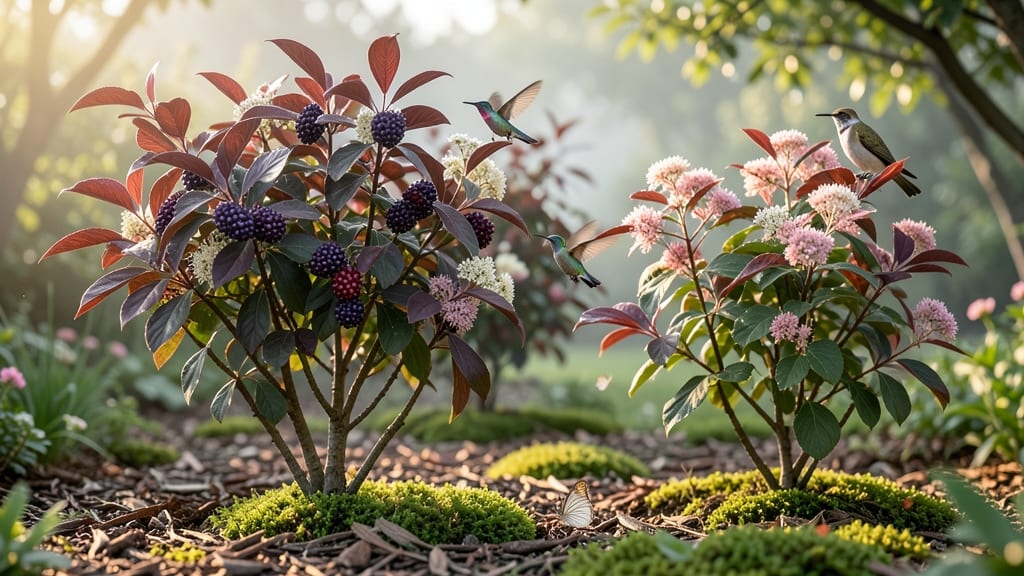
Want to create a thriving ecosystem in your garden while enjoying beautiful shrubs? A wildlife-friendly layer with elderberry and serviceberry delivers both beauty and function—without fuss. These hardy shrubs attract hummingbirds, butterflies, and birds while producing edible fruit for you and wildlife.
Start by planting elderberry (Sambucus canadensis) as your backdrop—its fragrant white flowers in late spring will draw hummingbirds and bees, while its dark berries feed birds in fall. Pair it with serviceberry (Amelanchier), which offers delicate spring blooms, edible blue-black berries in summer, and stunning fall foliage. Both thrive in partial shade and tolerate poor, rocky soil, making them perfect for challenging spots.
This combo is ideal for gardeners who want to support local ecosystems while keeping maintenance simple. Just prune elderberry in late winter to remove dead wood, and serviceberry responds well to light shaping after fruiting. 🌱
Vertical Shrub Wall with Clumping Bamboo

Maximize your small space with a vertical shrub wall that doubles as a living privacy screen and a stunning focal point. Clumping bamboo (like Fargesia robusta) grows upright without spreading, creating a lush, 10-12 foot tall backdrop that’s perfect for urban gardens or tight yards. Pair it with trailing clematis varieties like Clematis montana for cascading purple blooms that soften the bamboo’s structure.
Plant bamboo in a sunny to partially shaded spot with well-drained soil, spacing clumps 3-5 feet apart for airflow. Train clematis to climb the bamboo using soft ties or a lightweight trellis woven into the stems. Water deeply once a week during the first growing season, then let the bamboo’s deep roots handle drought. Prune bamboo in early spring to remove dead fronds, while clematis benefits from a light trim after flowering to encourage bushier growth.
This design is ideal for city dwellers or anyone with limited horizontal space. The year-round greenery of bamboo provides privacy, while clematis blooms in spring add seasonal color—all without sacrificing valuable ground space. 🌱