
Tools
Tiny spaces shouldn’t limit your gardening dreams. These 10 innovative small garden bed ideas maximize every square foot, boost productivity, and fit seamlessly into balconies, patios, or even windowsills—proving you can grow more with less.
Vertical Hanging Pocket Planters
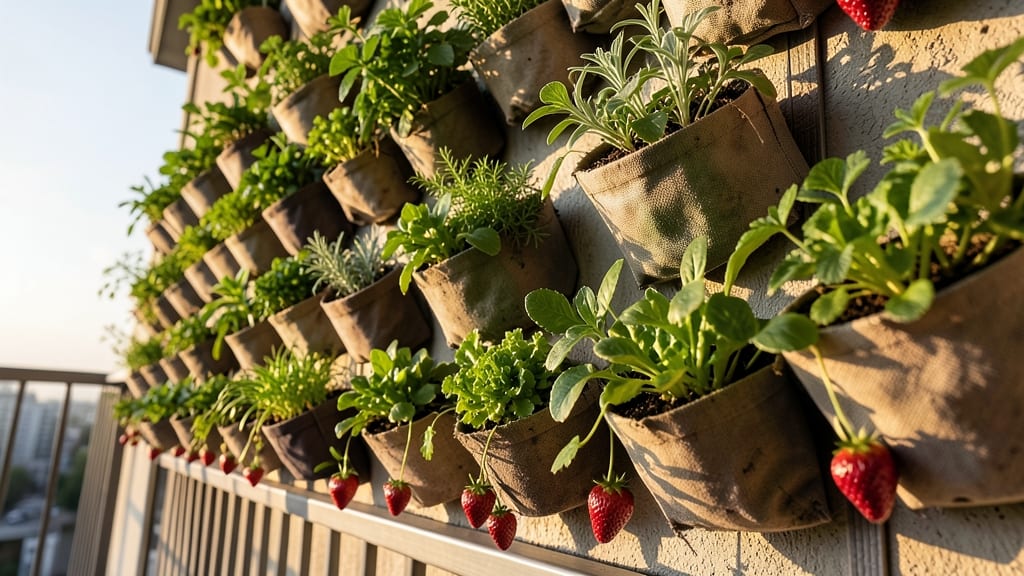
Turn your urban balcony into a lush vertical oasis with hanging pocket planters, where every inch of wall space becomes a mini garden. These modular pockets—perfect for herbs, lettuce, or strawberries—cascade down walls, transforming dead space into a productive, eye-catching display while keeping your floor clear.
Choose pockets with built-in drainage to prevent root rot, and opt for lightweight materials like fabric or plastic for easy installation. Place them in areas with at least 6 hours of sun daily—south- or west-facing walls are ideal. For a low-maintenance setup, group plants with similar water needs (e.g., basil and thyme together) and water from the top to ensure even moisture distribution.
This system is a game-changer for renters, small-space gardeners, or anyone craving fresh produce without sacrificing square footage. Plus, the cascading greenery adds a touch of nature to any urban setting. 🌿
Square Foot Gardening Grid
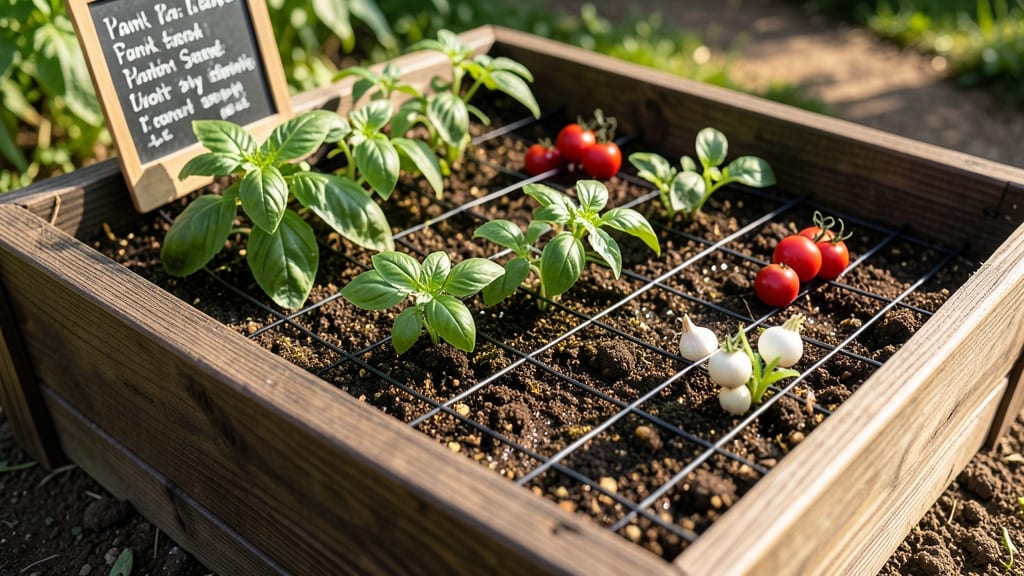
Tired of guessing how much space to leave between plants? The square foot gardening grid turns your small raised bed into a precision-growing machine, perfect for beginners who want maximum harvests with minimal fuss.
Divide your bed into a 1-foot-by-1-foot grid and assign each square to a specific crop based on its mature size—16 carrots per square, 4 tomatoes, or 9 onions. This method eliminates wasted space, prevents overcrowding, and makes weeding and harvesting a breeze. Use a simple grid layout (like 4x4 or 4x8) to fit your bed dimensions, and download free planting charts online to get started.
This system is ideal for urban gardeners with limited space or anyone who wants to grow more without expanding their footprint. Plus, the organized approach reduces plant competition, leading to healthier, more productive gardens. 💡
Tiered Raised Planter Boxes
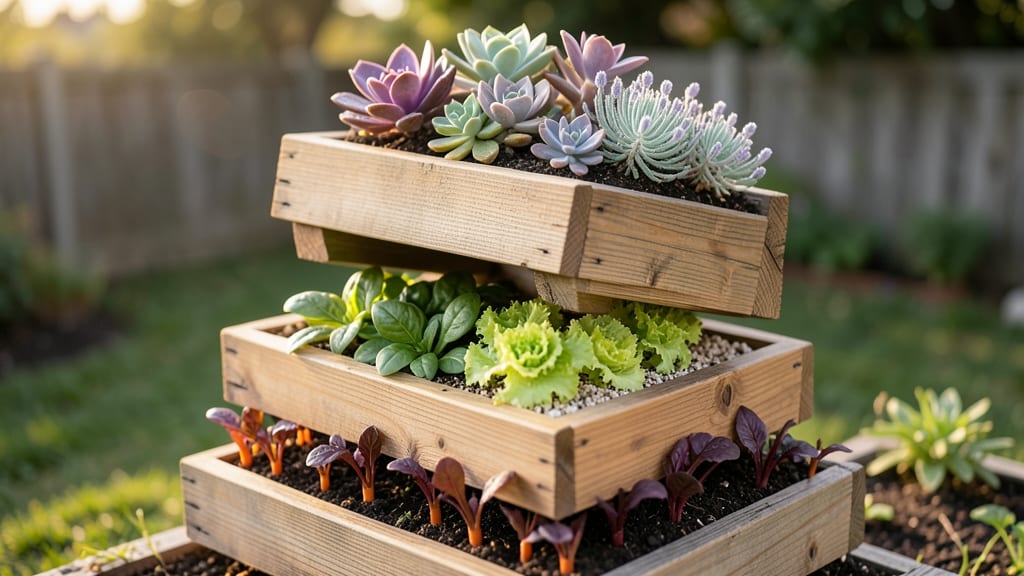
Transform flat or sloped yards into a vertical garden paradise with tiered raised planter boxes, where every layer becomes a new growing zone. This system lets you stack root vegetables (like carrots and beets) in the bottom tier, leafy greens (such as lettuce or spinach) in the middle, and flowers or herbs (like basil or marigolds) at the top—all while keeping soil and water contained.
Start with cedar or redwood boxes (rot-resistant and lightweight) and space tiers 12–18 inches apart for easy access. Fill each layer with well-draining soil tailored to its plants—sandy mix for root crops, rich compost for greens—and add drip irrigation between tiers to water efficiently. For sloped areas, anchor the bottom tier securely to prevent shifting, and use non-slip pads under boxes to protect surfaces.
This setup is ideal for urban gardeners, renters, or anyone with limited ground space—doubling your harvest area without expanding your footprint. Plus, the layered design adds visual interest while keeping weeds and pests at bay. 🌻
Window Box Herb Garden
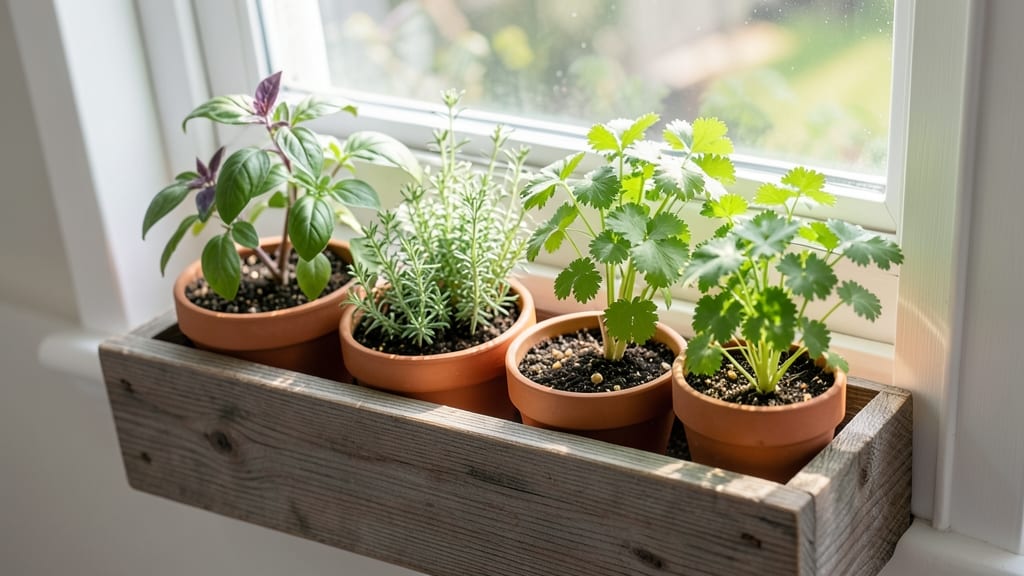
No need for a backyard to grow fresh herbs—your sunny windowsill can become a fragrant, functional garden with a window box herb garden. This space-saving solution lets you grow basil, thyme, parsley, or cilantro just steps from your kitchen, eliminating the need to buy store-bought herbs while adding greenery to your home’s exterior.
Choose a shallow box (6–12 inches deep) with drainage holes and fill it with well-draining potting mix. Place it where it gets at least 4–6 hours of sunlight daily—south- or west-facing windows are ideal. Space plants 3–6 inches apart (closer for parsley, wider for basil) and water when the top inch of soil feels dry. For a year-round harvest, swap out frost-sensitive herbs like basil in fall for hardier options like rosemary or chives.
This setup is perfect for urban apartment dwellers, renters, or anyone with limited outdoor space who still wants fresh flavors. Plus, the aromatic herbs will attract pollinators while keeping pests at bay. 🌱
Spiral Herb Garden Bed
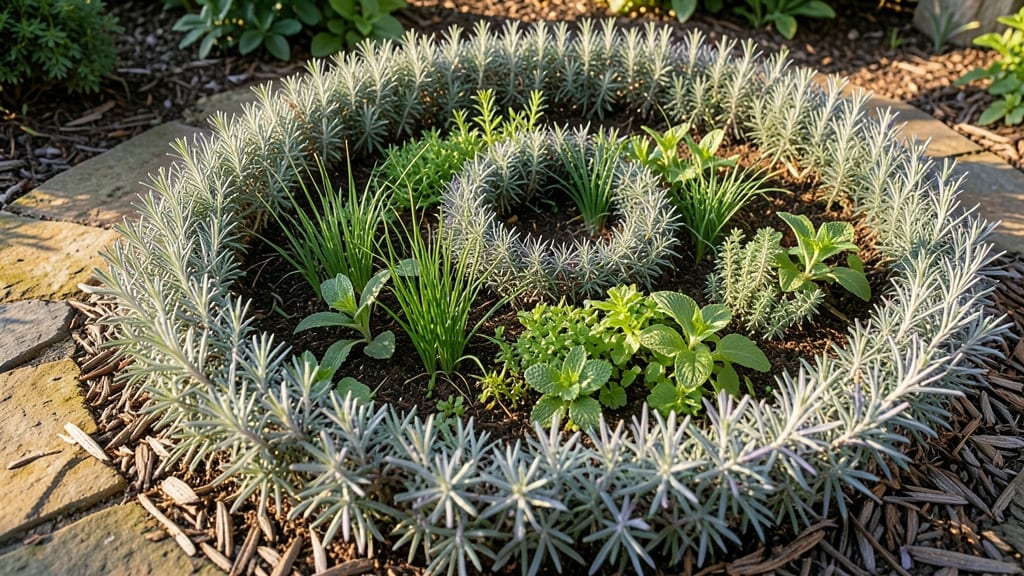
Need a herb garden that fits in tight corners but still thrives? A spiral herb bed solves the puzzle by creating natural microclimates—sun-loving rosemary and thyme on the outer edges, while shade-tolerant chives and mint flourish in the cooler inner curves. This compact design maximizes growing space in just a few square feet, making it perfect for urban yards, patio corners, or even against fences.
Build your spiral using cinder blocks, bricks, or stacked stones to form concentric circles (3–4 feet wide), then fill with well-draining soil mixed with compost. Place drought-tolerant herbs like oregano and lavender on the sunniest outer ring, while moisture-loving plants like cilantro and parsley thrive in the inner, slightly shaded areas. Water the center first to let moisture spread outward naturally, and add a small stone or pebble center to prevent soil erosion.
This design is ideal for small-space gardeners, apartment balconies, or renters who want a low-maintenance, high-yield herb garden without sacrificing aesthetics. Plus, the spiral shape adds a whimsical, organic touch to any garden corner. 🌿
Pallet Wood Planter Garden
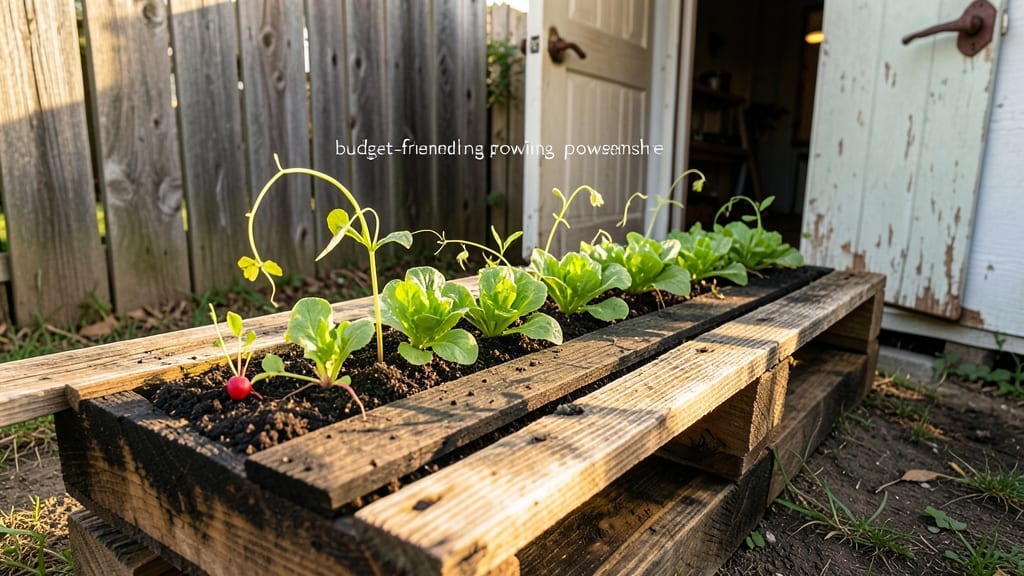
Turn unwanted pallets into a budget-friendly growing powerhouse with this DIY planter idea that turns scrap wood into a productive garden bed. Perfect for sheds, garages, or fences, these long, narrow beds maximize space for row crops like beans, radishes, or lettuce while adding rustic charm to your outdoor area.
Start by sanding and treating pallets with food-safe sealant to remove splinters and prevent chemical leaching. Line the bottom with landscape fabric to block weeds, then fill with well-draining soil mixed with compost. For extra stability, hang pallets horizontally using metal hooks or brackets on a sturdy wall or fence. Plant fast-growing crops like radishes or bush beans in neat rows, spacing them according to package instructions for optimal airflow.
This zero-waste solution is ideal for urban gardeners, renters, or anyone with limited space—plus, it’s a creative way to upcycle materials while growing fresh produce. Just add water and sunlight for a thriving garden! 🌱
Keyhole Garden Design
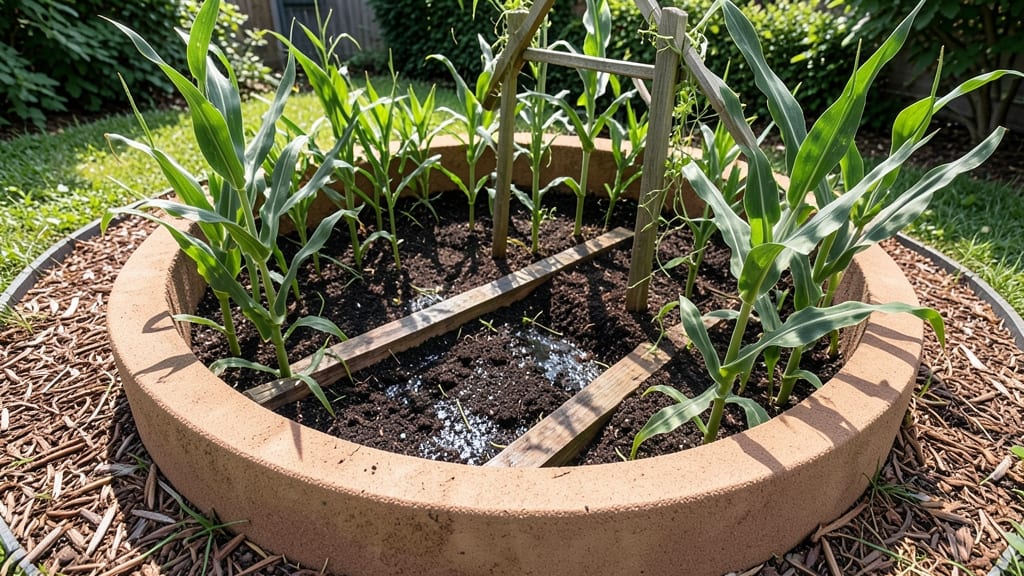
Imagine a garden bed that waters itself while giving tall plants like corn room to grow—all in a compact, circular space. The keyhole garden design does exactly that, combining sustainability with clever space efficiency for small yards or urban plots.
This design features a circular bed with a central compost hole (the "keyhole"), which slowly releases moisture to surrounding plants, reducing your watering chores by up to 50%. Plant taller crops like sweet potatoes or sunflowers around the outer edge, while shorter veggies (peppers, lettuce) fill the inner ring. The compost center also feeds plants continuously, cutting down on fertilizer needs. For best results, use a 3–4 foot diameter bed with a 6-inch-deep compost core, and surround it with a stone or brick border to contain soil.
Perfect for beginners, drought-prone areas, or tiny urban gardens, this design maximizes yield in minimal space while teaching sustainable growing habits. It’s like having a self-sufficient ecosystem in your backyard! ✨
Mini Greenhouse Window Box
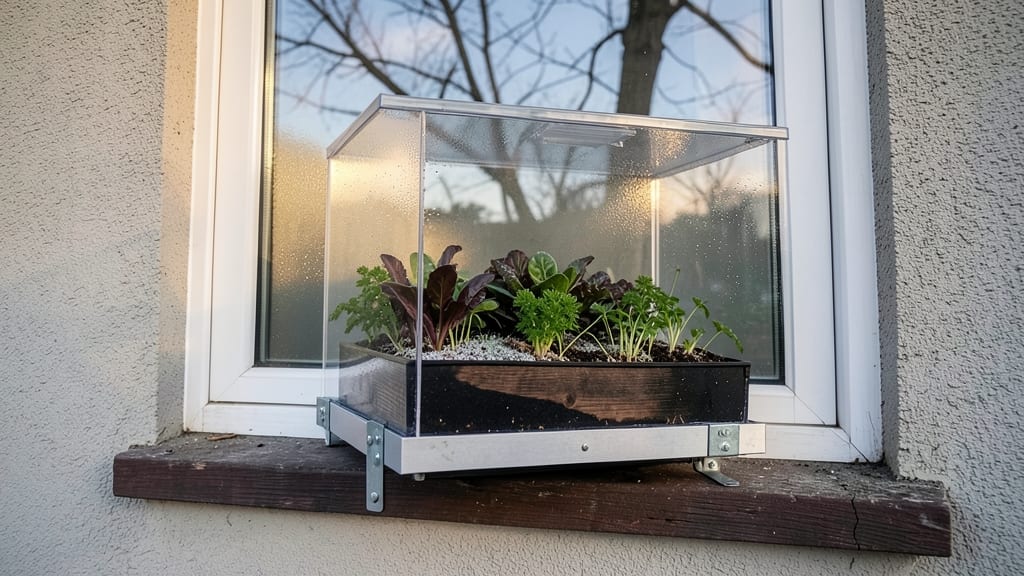
Cold winters don’t have to mean the end of your gardening dreams—mini greenhouse window boxes turn your sunniest window into a winter growing oasis. These clear plastic or glass boxes, attached to south-facing windows, create a microclimate 10–15°F warmer than outdoor temps, perfect for starting cold-hardy greens like kale, spinach, or arugula as early as late fall or even winter.
Start with a shallow box (6–12 inches deep) and fill it with moistened seed-starting mix. Place it where it gets at least 4–6 hours of direct sunlight daily, and prop open the lid slightly for ventilation to prevent mold. For seedlings, use a heat mat underneath to maintain 65–75°F soil temps. Water gently from the bottom to avoid disturbing seedlings, and watch as your winter harvest thrives indoors.
This setup is ideal for urban gardeners, apartment dwellers, or anyone eager to beat the season. It’s also a great way to teach kids about plant life cycles while keeping your green thumb active year-round. 🌱
Straw Bale Garden Beds
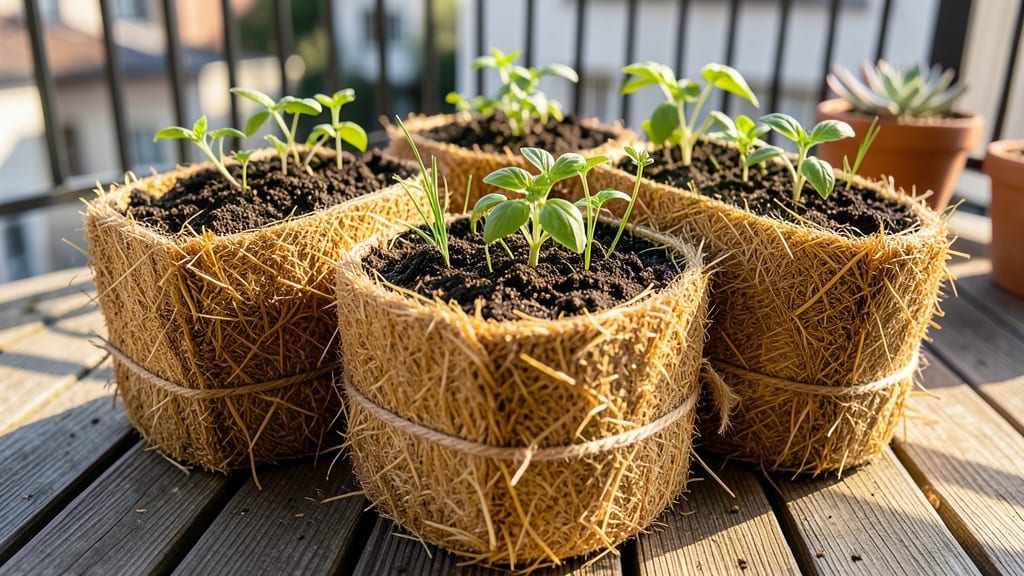
Skip the heavy lifting and poor soil with straw bale garden beds—a no-dig, portable solution that turns bales into instant planters for flowers, veggies, or herbs. This method is perfect for renters, urban balconies, or areas with compacted ground, as bales act as self-contained growing containers that break down naturally over time.
Start by soaking bales for 2–3 days to kickstart decomposition, then cut a 1-inch-deep planting hole and fill it with potting mix or compost. Plant directly into the bale—lettuce, radishes, and petunias thrive here—and water lightly daily. The bale’s insulating properties regulate soil temperature, while its natural structure improves drainage. For a year-round setup, place bales in a sunny spot (6+ hours of light) and add a mulch layer to retain moisture.
This approach is ideal for beginners, renters, or anyone with limited space or poor soil—no tools, no tilling, just fresh produce in weeks. Plus, when the bales decompose, they enrich the soil for future plants. 🌱
Hanging Basket Vine Garden

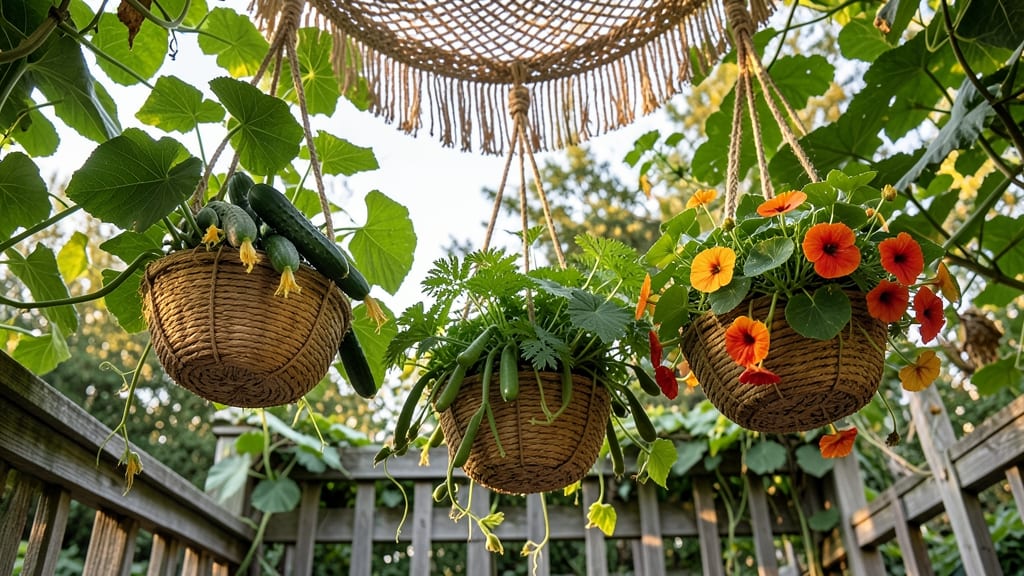
Unlock a vertical gardening revolution with a hanging basket vine garden, where cucumbers, peas, or nasturtiums transform dead patio space into a lush, productive oasis. This space-saving hack lets you grow fast-climbing edibles without sacrificing ground-level real estate—ideal for balconies, decks, or small yards where every inch counts.
Start with 12–18-inch diameter baskets lined with coconut coir or moss to retain moisture, then fill with well-draining potting mix enriched with compost. For cucumbers or peas, train vines through the basket’s drainage holes using soft twine or trellis rings, while nasturtiums thrive as trailing fillers. Place baskets where they’ll get 6–8 hours of sun daily (south- or west-facing spots work best), and water deeply 2–3 times weekly—hanging baskets dry out faster than ground beds. Add a slow-release fertilizer at planting for steady growth, and prune leggy vines to encourage bushier production.
This setup is perfect for urban gardeners, renters, or anyone with limited ground space—especially if you love fresh cucumber slices or sugar snap peas picked straight from your deck. The cascading greenery also adds a whimsical, romantic touch to outdoor spaces, making it a win for both productivity and aesthetics. 🌻