
Flowers
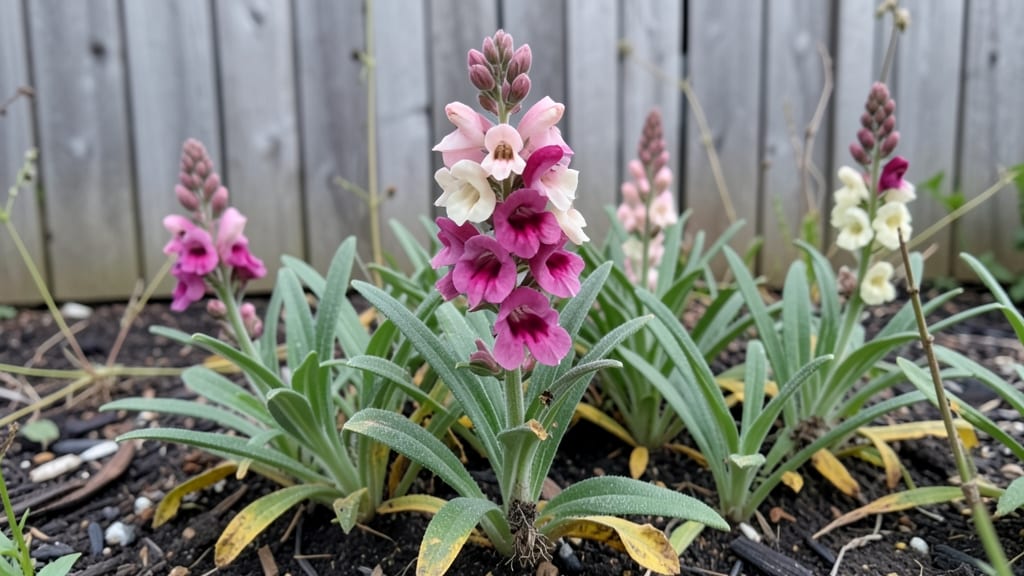
A snapdragon flower bed turns flat spaces into living vertical art—imagine a cascading waterfall of color that blooms from spring through fall.
Ever stared at a boring patch of dirt and wondered how to make it pop? Snapdragons 🌸 are the answer. These flowers grow in dramatic heights, from 8-inch dwarfs to 3-foot giants, so you can stack them like layers in a cake for a showstopping display.
Layering isn’t just about looks—it’s a low-maintenance trick to keep blooms coming all season. Tall varieties hide shorter ones, while early bloomers hand off to late-season stars, ensuring your bed never goes bare.
Here’s how to mix heights, colors, and bloom times for a nonstop vertical garden that thrives with minimal fuss. Let’s get planting!
How to layer snapdragons for maximum vertical impact in flower beds
Layering snapdragons creates a dramatic vertical garden that blooms from spring to fall. The key is pairing tall, medium, and dwarf varieties so each plant supports the next, creating a continuous waterfall of color.
This method also hides leggy stems and extends your blooming season by staggering planting times and bloom cycles.
Start by choosing a sunny, well-drained spot with at least 6 hours of sunlight daily. Snapdragons love rich soil, so amend with compost or aged manure before planting. A 12-inch-deep bed ensures roots have space to establish while maintaining a neat, layered look.
Step-by-Step Layering Guide
-
Step 1: Plan Your Layers
Group snapdragons into 3 height tiers: tall (2-3 ft), medium (1-2 ft), and dwarf (8-12 in). Place tallest at the back of the bed. -
Step 2: Space for Support
Space tall varieties 18 inches apart, medium 12 inches apart, and dwarfs 8-10 inches apart. This prevents overcrowding and ensures each plant gets airflow and sunlight. -
Step 3: Stagger Planting Times
Plant early bloomers (May-June) first, followed by mid-season (July-August), then late bloomers (September). This creates a nonstop bloom sequence. -
Step 4: Mix Colors Strategically
Place cool-toned snapdragons (purples, blues) at the back for depth, and warm tones (oranges, reds) in front to draw the eye upward. Use contrasting colors for maximum impact. -
Step 5: Add Support Structures
For tall varieties (over 2 ft), install bamboo stakes or small trellises to prevent flopping. Secure stems with soft garden ties as they grow. -
Step 6: Mulch for Moisture
Apply 2-3 inches of mulch (straw or shredded bark) to retain moisture and suppress weeds. Keep mulch 2 inches away from stems to prevent rot.
Color coordination is where your layered snapdragon bed truly shines. Pair deep purples and blues with bright yellows or whites for a striking contrast. For a romantic garden, mix soft pinks and lavenders, while bold reds and oranges create a fiery focal point.
Pro tip: Use white snapdragons as a "neutral" to tie colors together.
Seasonal succession is the secret to nonstop blooms. Plant early varieties (like 'Matrix') in spring, followed by mid-season types (e.g., 'Rocket') in early summer, and late bloomers (such as 'Black Prince') in late summer. This ensures your bed never goes bare, even as some varieties finish blooming.
Don’t forget to deadhead spent blooms regularly to encourage new flowers. Pinch back leggy stems in early spring to promote bushier growth. With proper layering, your snapdragon bed will become the star of the garden, drawing admiring glances all season long.
For extra drama, add companion plants like salvia or catmint at the front to fill gaps. These drought-tolerant perennials pair beautifully with snapdragons and reduce maintenance. Just ensure they won’t outcompete your snapdragons for water or nutrients.
Layering snapdragons isn’t just about aesthetics—it’s a practical gardening hack that saves time. By grouping plants by height and bloom time, you create a self-sustaining display that requires minimal intervention. Plus, the vertical growth hides soil and weeds, giving your bed a polished, finished look with almost no effort.
Ready to transform your garden? Grab your gloves and snapdragon seeds, and let’s create a vertical masterpiece that blooms from spring to fall! 🌸
Best snapdragon varieties for layered flower beds by height and color
Creating a stunning snapdragon flower bed starts with selecting the right varieties. The key is layering tall, medium, and dwarf snapdragons to build depth and drama. Tall varieties like 'Black Prince' reach 3 feet, while dwarfs like 'Tom Thumb' stay under 12 inches—perfect for front edges.
This arrangement not only maximizes visual impact but also ensures continuous blooms by staggering flower maturity.
Color coordination transforms your flower bed from ordinary to extraordinary. Pair cool-toned varieties like 'White Knight' with warm hues such as 'Carmine Beauty' for contrast. Or create a monochromatic look with shades of purple or pink for a cohesive, elegant display.
The right color mix can also attract pollinators and extend the flowering season by providing visual cues for bees and butterflies.
| Variety | Height | Color Palette | Bloom Duration | Sunlight Needs | Companion Plants |
|---|---|---|---|---|---|
| Black Prince | 2-3 ft | Deep purple, black | Summer-Fall | Full sun | Salvia, Lavender |
| Tom Thumb | 8-12 in | Red, pink, white | Spring-Summer | Full sun to partial shade | Marigolds, Petunias |
| Carmine Beauty | 2-3 ft | Carmine red | Summer-Fall | Full sun | Cosmos, Zinnias |
| White Knight | 1-2 ft | Pure white | Spring-Fall | Full sun to partial shade | Dianthus, Alyssum |
| Matrix Hybrid | 1-2 ft | Multi-color mix | Spring-Fall | Full sun | Snapdragons, Calendula |
For a long-lasting display, mix early bloomers like 'Tom Thumb' with late-season varieties such as 'Black Prince'. This ensures your flower bed stays vibrant from spring through fall. Early bloomers kick off the season, while late varieties keep the show going when summer winds down.
Pairing companion plants like salvia or lavender can also enhance the visual appeal while attracting beneficial insects.
Don’t overlook sunlight requirements—most snapdragons thrive in full sun, but some varieties like 'Tom Thumb' tolerate partial shade. If your flower bed gets afternoon shade, opt for lighter-colored varieties that reflect heat better.
Always plant taller snapdragons at the back of the bed and shorter ones toward the front to create a natural, cascading effect.
To keep your snapdragon flower bed thriving, group plants with similar water needs together. Tall varieties often need more water to support their height, while dwarf snapdragons can handle slightly drier conditions.
Mulching around the base of your plants helps retain moisture and suppresses weeds, reducing maintenance while keeping your display looking pristine.
With the right mix of heights, colors, and bloom times, your snapdragon flower bed will be the envy of the neighborhood. Experiment with different combinations to find what works best for your space—whether it’s a bold monochromatic look or a rainbow of hues. Happy planting! 🌸