
Mower
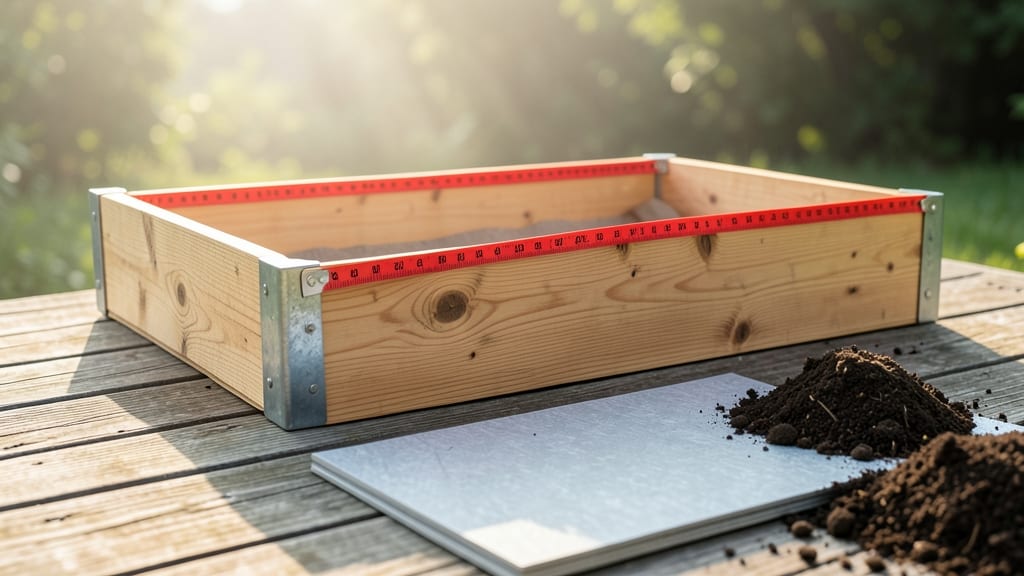
The standard raised bed size is 4 feet wide by 8 feet long with a depth of 6 to 12 inches, designed to maximize planting efficiency while ensuring easy access from all sides and minimizing soil compaction.
The 4x8-foot dimensions strike the perfect balance between usability and productivity. 🌱 This size lets you reach the center without stepping on the bed, which prevents soil compaction—a common issue in deeper beds.
The length accommodates multiple rows of crops, while the width allows for diverse planting combinations, like pairing tall plants with low-growing varieties. Many gardeners also appreciate how this size fits neatly into most backyard layouts, whether you're working with a traditional garden plot or a more compact urban space.
Beyond the standard, you can adjust dimensions based on your space and needs. For example, a 3x6-foot bed works well for smaller gardens or balcony setups, while multi-tiered designs can maximize vertical growing in tight areas.
The key is maintaining a width that allows easy access—typically no more than 4 feet—to keep gardening comfortable and efficient.
💡 In This Article
- Why 4x8 Feet Is the Optimal Raised Bed Size
- Customizing Raised Bed Dimensions for Small Spaces
Why 4x8 feet is the optimal raised bed size
The 4-foot width of standard raised beds is carefully designed to eliminate the need for stepping on the soil. When you stand on garden beds, you compact the soil, reducing airflow and root growth. This width lets you reach the center from either side without disturbing the planting area.
Studies show that soil compaction can cut root oxygen by up to 30%, which directly impacts plant health and yield. 🌱 The 4-foot rule also aligns with human ergonomics—most adults have a comfortable reach of about 2.5 feet on either side, making maintenance and harvesting effortless.
The 8-foot length maximizes planting efficiency by accommodating multiple crop rows while keeping the bed manageable. This dimension allows for diverse planting combinations, like pairing tall plants (such as tomatoes) with low-growing varieties (like lettuce or radishes).
The length-to-width ratio of 2:1 also ensures even moisture distribution and reduces edge effects where plants might dry out faster. For example, an 8-foot bed can fit 4 rows of crops spaced 18 inches apart, providing ample room for a variety of vegetables or herbs without overcrowding.
Depth plays a crucial role too. Standard raised beds range from 6 to 12 inches deep, which is ideal for most root vegetables and shallow-rooted plants. Deeper beds (12 inches) support crops like carrots or potatoes, while 6-inch depths work well for herbs, greens, and strawberries.
The extra depth also prevents weeds from encroaching from below and reduces the need for frequent soil replenishment. This design ensures your plants have enough space to thrive without the hassle of digging deep into compacted ground.
Another key advantage is how this size fits into most backyard layouts. A 4x8-foot bed can be positioned along a fence, against a house, or in the corner of a garden, making it versatile for various spaces.
The dimensions also align with standard lumber sizes, reducing material waste and construction costs. Whether you're a beginner or an experienced gardener, this size balances productivity with practicality, ensuring you can grow a wide range of crops efficiently. ✨
For those with limited space, smaller beds like 3x6 feet or 2x4 feet can still offer great yields while maintaining accessibility. The principle remains the same: keep the width manageable so you can reach the center without stepping on the soil.
This approach not only improves plant health but also makes gardening more enjoyable and sustainable in the long run.
Ultimately, the 4x8-foot standard is a result of decades of gardening trials and ergonomic research. It’s not just about the numbers—it’s about creating a space that works with your body and the natural needs of your plants.
Whether you're growing flowers, vegetables, or herbs, these dimensions help you make the most of your garden without unnecessary strain or soil damage. 💫