
Landscaping
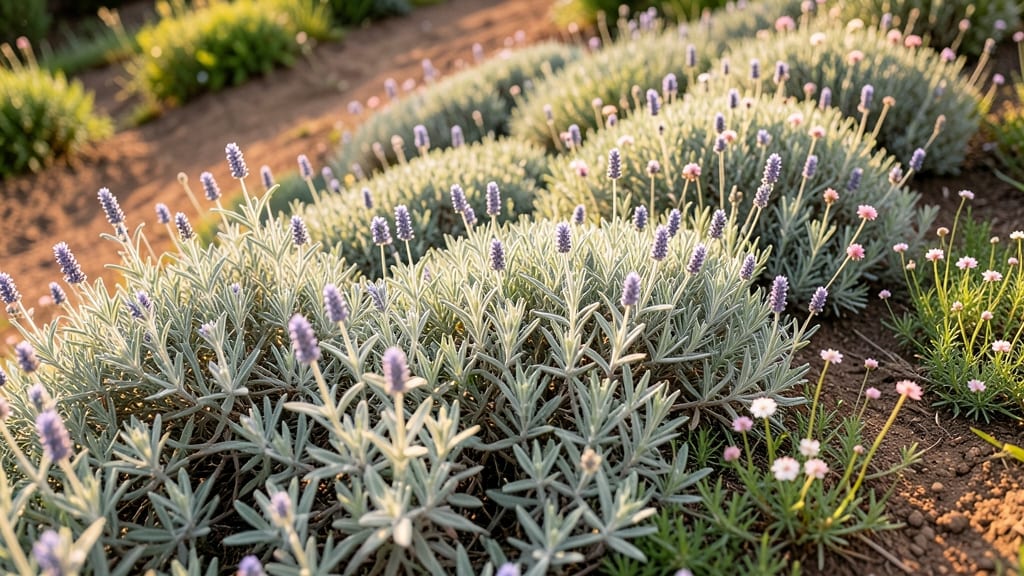
Brighten up your outdoor space with these 10 vibrant, drought-tolerant flower bed designs that thrive in full sun and deliver continuous blooms from spring through fall. Perfect for low-maintenance gardens that burst with color while conserving water.
Lavender and Succulent Rock Garden
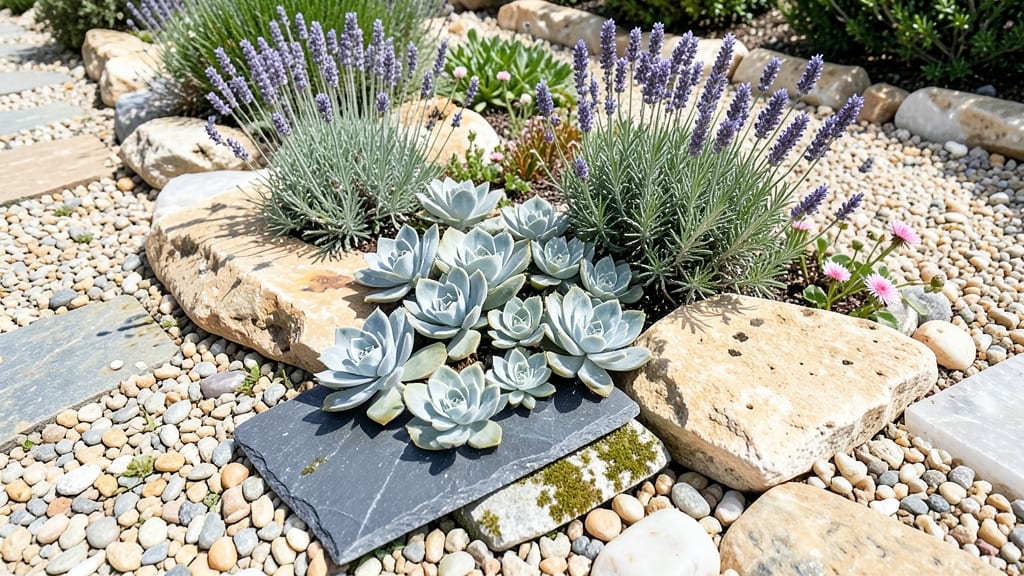
Transform your sunny yard into a fragrant Mediterranean oasis with a lavender and succulent rock garden that thrives on neglect. This design pairs silver-blue succulents like hens-and-chicks with fragrant English lavender, creating a low-water, pest-repelling paradise that hums with pollinators.
Start by selecting a well-drained, sunny spot (at least 6 hours of sun daily) and layer small river rocks or gravel to improve drainage. Plant lavender in clusters for impact—its woody stems and silvery foliage contrast beautifully with the blue-green succulents like Echeveria or Sedum. Space them 12–18 inches apart for air circulation, which reduces fungal diseases. Mulch with pebbles to lock in moisture and deter weeds.
This garden is perfect for urban gardeners or those in drought-prone areas, offering year-round interest with minimal care. The strong lavender scent naturally deters pests like mosquitoes and rabbits, making it a functional beauty. 🌿
Russian Sage and Ornamental Grass Border
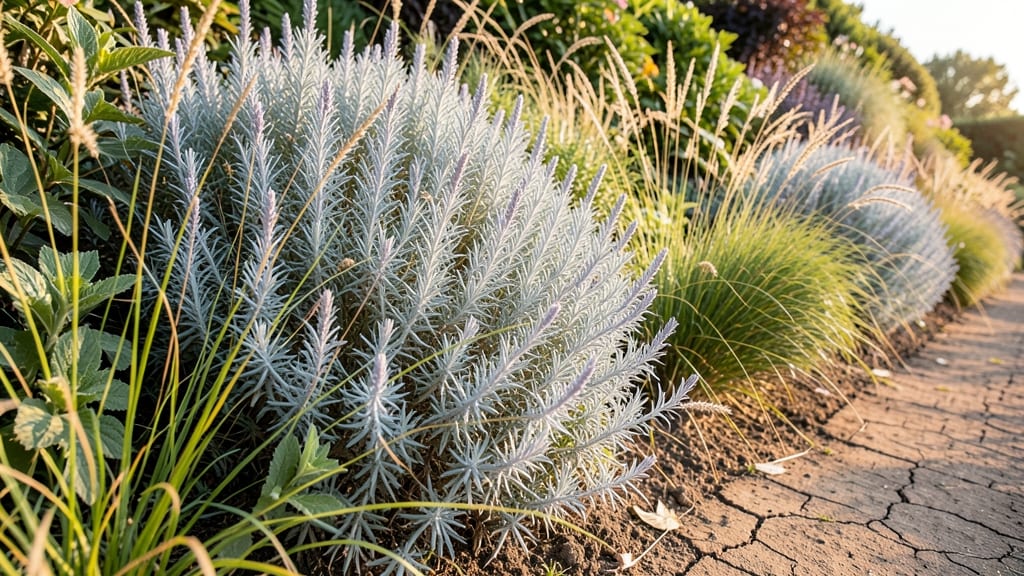
Transform your expansive sunny garden into a low-maintenance vertical masterpiece with Russian sage and ornamental grasses. This dynamic duo thrives in poor soil and requires almost no water once established, making it ideal for large, sunny borders that need minimal fuss.
The silvery-blue foliage of Russian sage pairs beautifully with feathery ornamental grasses like maiden grass or feather reed grass, creating movement and texture. Plant in full sun (6+ hours daily) and water sparingly—just enough to help roots establish in the first year. This combination also attracts pollinators while repelling deer and rabbits.
Perfect for gardeners with big spaces and busy schedules, this border delivers year-round structure and seasonal blooms with almost no upkeep. 🌟
Zinnias and Marigolds Pollinator Paradise
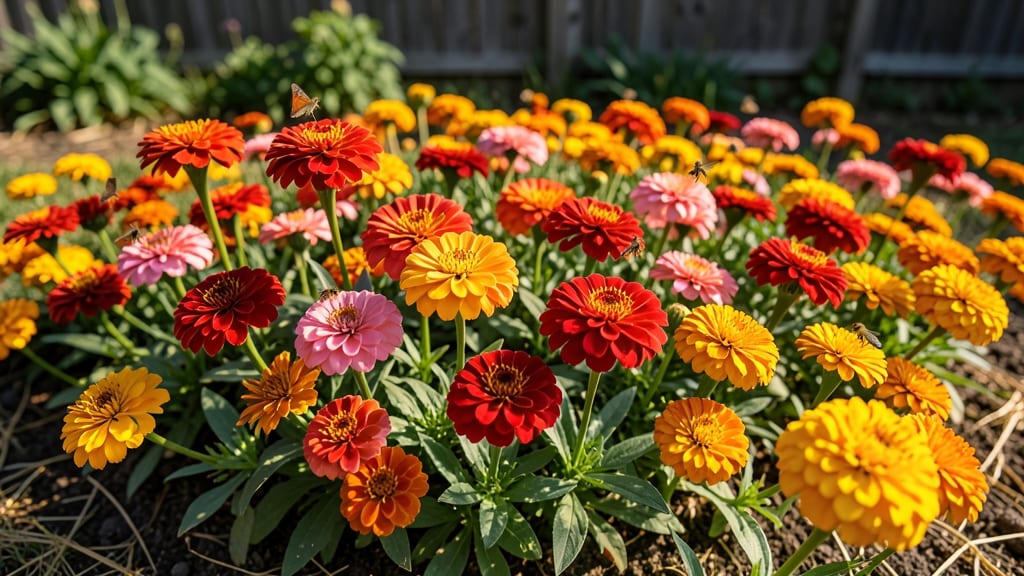
Want a flower bed that buzzes with life while looking stunning in your vase? Pairing zinnias and marigolds creates a double-duty powerhouse that thrives in full sun and never stops performing. These annuals don't just attract bees and butterflies—they practically throw a welcome party for pollinators while giving you fresh cut flowers all season.
Start with zinnias for their bold, papery blooms in every color (red, pink, yellow, and even bi-colors) that last 2-3 weeks per stem. Plant them in clusters for maximum impact, then intersperse marigolds—especially the French or African varieties—for their pest-repelling properties and cheerful orange or gold flowers. Both plants are heat lovers, so they'll keep blooming through summer's hottest days with just weekly watering once established.
This combo is ideal for beginner gardeners or anyone short on time—just deadhead spent blooms to encourage more flowers and enjoy a nonstop show. The best part? You'll have both pollinators visiting and bouquets ready for your table. 🌻
Drought-Tolerant Yucca and Agave Mix
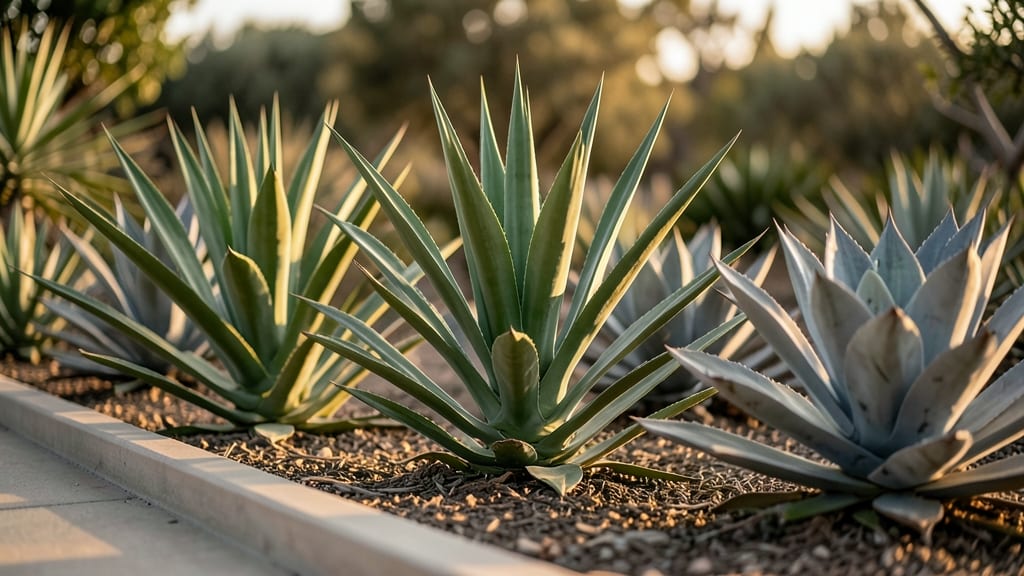
Skip the fuss of high-maintenance blooms and create a striking modern statement with a yucca and agave mix—plants so bold they become the focal point of your garden. Their sword-like leaves and geometric forms bring architectural drama to any sunny space, whether you're designing a minimalist courtyard or a desert-inspired retreat.
These drought-proof powerhouses thrive in full sun (6+ hours daily) and need watering only once every 2-3 weeks after establishment. Pair yucca filamentosa (with its graceful arching leaves) with agave parryi (compact and blue-green) for a striking contrast. Plant them in well-draining soil mixed with gravel or sand, and mulch with pebbles to conserve moisture. Their year-round structure ensures your garden always has visual interest, even when other plants are dormant.
This combo is ideal for urban gardeners with limited water access or anyone craving a low-fuss, high-impact design. Plus, their deer-resistant nature means you won’t need to worry about hungry critters ruining your hard work. 🌱
Black-Eyed Susan and Coneflower Meadow
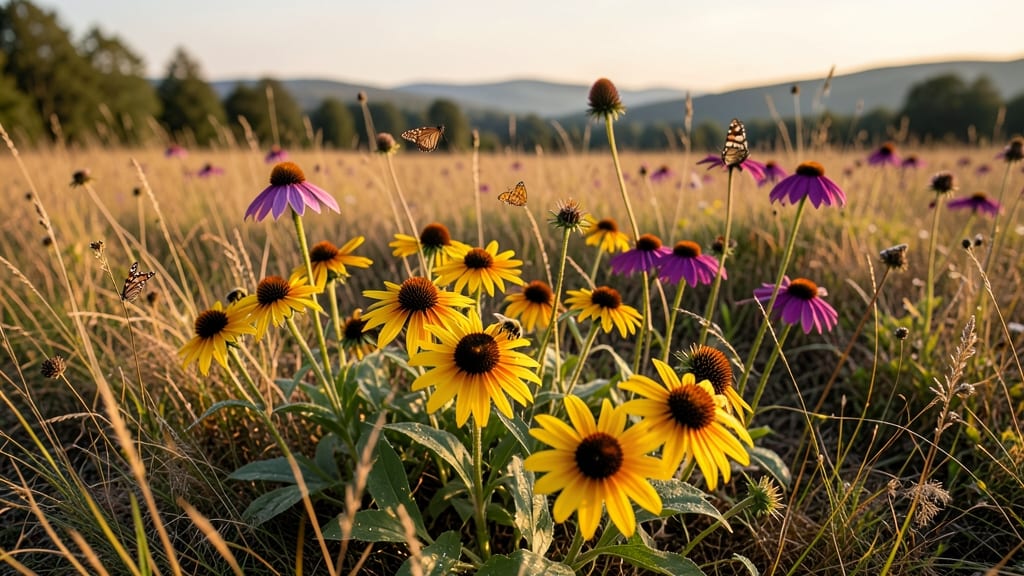
Skip the high-maintenance garden and create a wildlife-friendly meadow that blooms effortlessly from July through October. Pairing black-eyed Susans (golden blooms) with purple coneflowers gives you a native perennial duo that thrives in full sun, attracts butterflies and bees, and comes back bigger each year.
Plant these drought-tolerant perennials in loose clusters rather than neat rows for a natural meadow look. They handle poor soil and occasional dry spells once established, making them perfect for sunny spots where other plants struggle. Deadhead spent blooms in early fall to encourage next year's flowers and leave seed heads for winter interest.
This combination is ideal for eco-conscious gardeners who want to support pollinators while enjoying year-round color with almost no effort. 🌻
Salvia and Penstemon Waterwise Combo
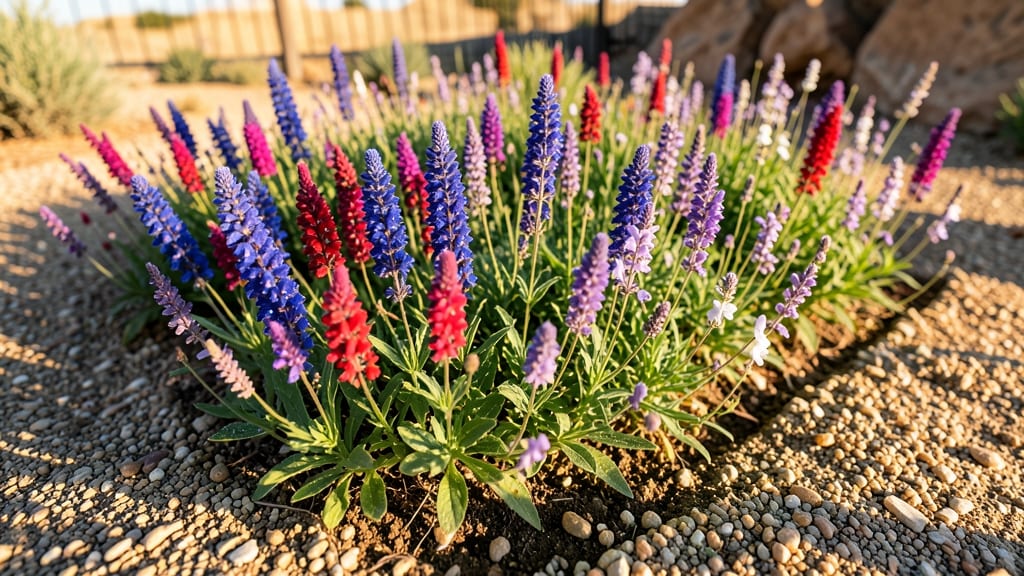
Skip the high-maintenance watering routine and create a colorful, low-water showstopper with salvia and penstemon—two heat-loving perennials that thrive in dry conditions while keeping your garden buzzing with pollinators. These plants are the backbone of xeric landscapes, offering vibrant blooms from spring through frost with almost no fuss.
Start by planting salvia (like May Night salvia or Autumn Sage) in clusters for deep blue, purple, or red spikes that hummingbirds and bees adore. Pair it with penstemon varieties like Bee Balm Penstemon or Rocky Mountain Penstemon for tubular flowers in pink, purple, or white that bloom for months. Both plants love full sun (6+ hours daily) and well-drained soil—ideal for slopes or rocky areas where water pools.
This combo is perfect for gardeners in hot, dry climates or those who want to reduce water use without sacrificing beauty. Once established, these perennials need water just once a week, making them ideal for pollinator-friendly gardens that thrive with minimal effort. 🌟
Dwarf Butterfly Bush and Coreopsis
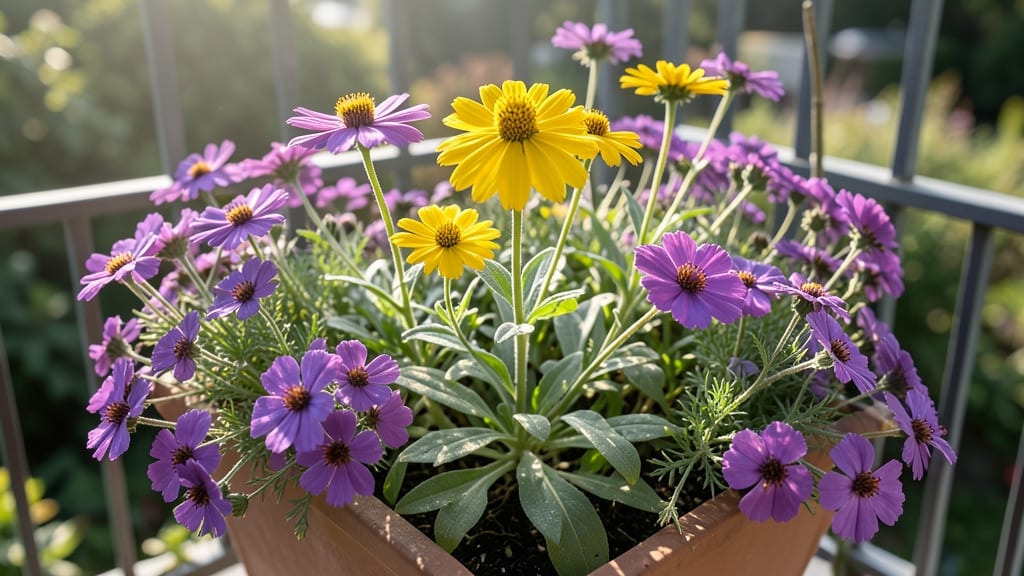
Turn your tiny patio or balcony into a buzzing butterfly haven with the dwarf butterfly bush and coreopsis duo—two powerhouse plants that pack big color into small spaces. This compact combination delivers fragrant purple blooms that attract monarchs and swallowtails while the bright yellow coreopsis provides cheerful contrast that lasts all summer with almost no fuss.
Start with a dwarf butterfly bush (Buddleia 'Lo & Behold' or 'Miss Ruby') that stays under 3 feet tall, perfect for containers or small beds. Pair it with coreopsis varieties like 'Moonbeam' or 'Zagreb', which thrive in full sun and tolerate poor soil. Water deeply once a week after establishment—these plants are drought-tolerant once rooted, making them ideal for busy gardeners or urban balconies.
This pairing is perfect for small-space gardeners or anyone wanting instant pollinator action without the commitment of large shrubs. The butterfly bush blooms from early summer to fall, while coreopsis keeps flowering until frost, giving you year-round color with minimal care. 🌻
Blanket Flower and Gaillardia Mosaic
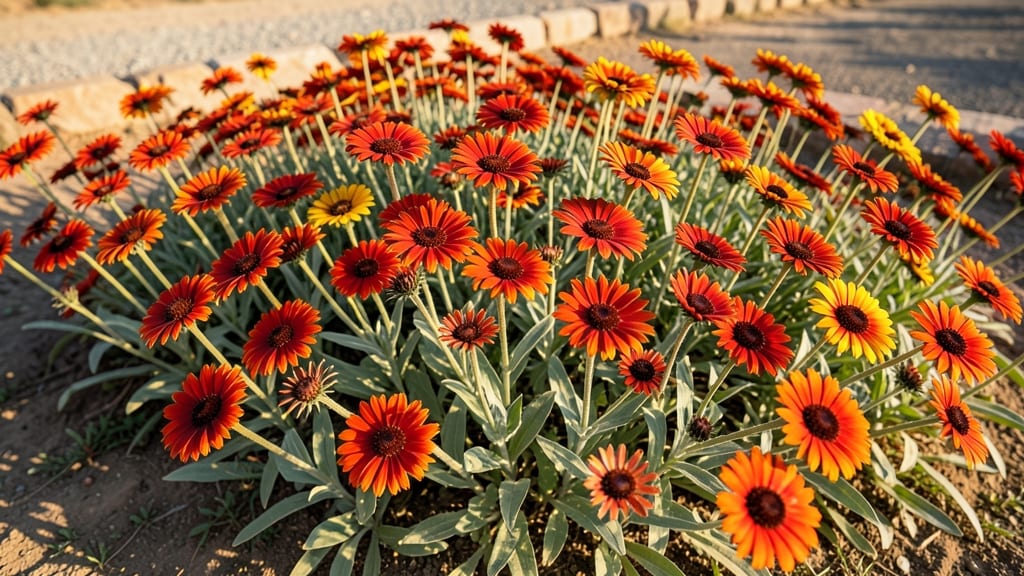
Need a heat-proof way to keep your perennial beds looking fresh all summer? Blanket flower (Gaillardia) is the secret weapon for filling gaps with vibrant color that never quits. This drought-tolerant annual thrives in scorching conditions, producing nonstop blooms in fiery reds, sunny yellows, and golden oranges that brighten up any sunny corner.
Plant Gaillardia in full sun (6+ hours daily) and watch it reward you with season-long flowers that attract butterflies and hummingbirds. Unlike finicky perennials, these self-cleaning blooms rarely need deadheading—just snip back spent stems in early spring to encourage fresh growth. They also self-seed reliably, so you’ll get free plants next year with minimal effort.
Perfect for beginner gardeners or anyone tired of patchy perennial beds, blanket flowers are the ultimate filler plant that thrives where others fail. Just add them to your sunny spots and enjoy the show—no fuss required! ✨
Sedum and Sempervivum Succulent Beds
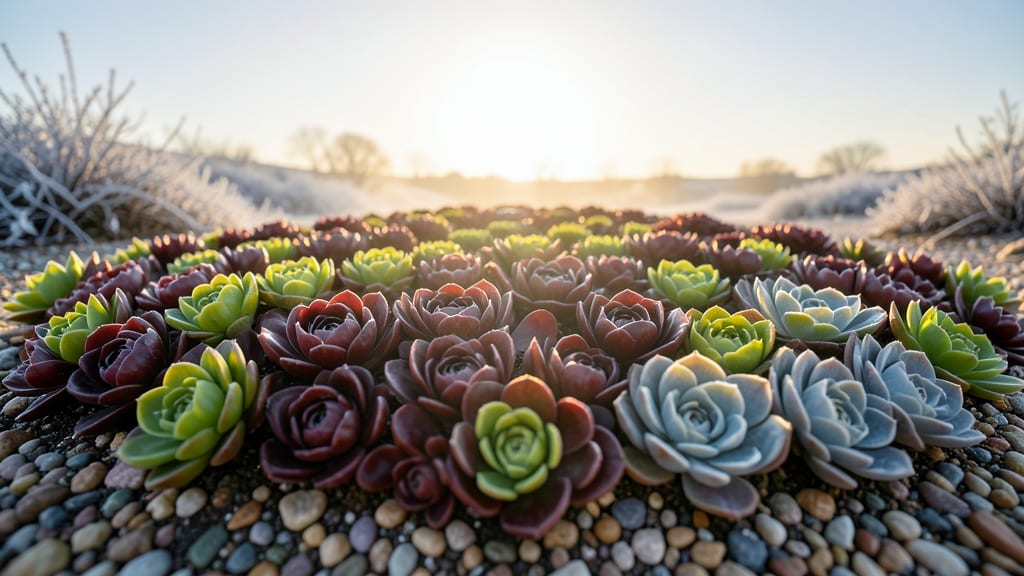
Want a flower bed that stays vibrant through winter without extra watering? Sedum and sempervivum (like hens-and-chicks) thrive in full sun, storing moisture in their plump leaves to survive droughts and cold snaps down to 10°F. Their foliage ranges from deep burgundy to chartreuse, creating bold contrasts even when other plants fade.
Start by grouping tall sedums (like Sedum 'Autumn Joy') at the back with shorter varieties in front for layered texture. These plants love well-draining soil—mix in sand or gravel if your area has heavy clay. Water deeply once a month after establishment (they’ll tell you when they’re thirsty by shriveling slightly). For extra drama, add sempervivum in rosette shapes—their compact forms spill beautifully over edges.
Perfect for urban balconies or rock gardens, this combo requires zero summer fuss while providing year-round structure. The best part? Hummingbirds and bees adore their nectar-rich flowers in late summer. 🌟
Catmint and Russian Thyme Ground Cover

Tired of battling weeds on your sunny slopes or struggling to keep mulch in place? Catmint and Russian thyme create a fragrant, self-spreading ground cover that outcompetes weeds while requiring almost no maintenance. Their aromatic foliage and delicate blooms transform problem areas into lush, low-growing carpets that thrive in full sun.
Start by planting catmint (Nepeta) varieties like 'Walker's Low' for its lavender-blue flowers and silvery foliage, paired with Russian thyme (Thymus serpyllum) for its prostrate, mint-scented growth habit. Both spread aggressively (12–18 inches per year) and tolerate poor soil, making them ideal for slopes or rocky areas. Shear back in early spring to encourage dense growth, and water sparingly—these plants store moisture in their roots and thrive with just weekly watering in dry spells.
This duo is perfect for eco-conscious gardeners or anyone dealing with erosion-prone areas, as their dense mats stabilize soil while repelling deer and rabbits. The bonus? Their fragrance deters pests naturally, making your garden both beautiful and functional. 💚