
Trees
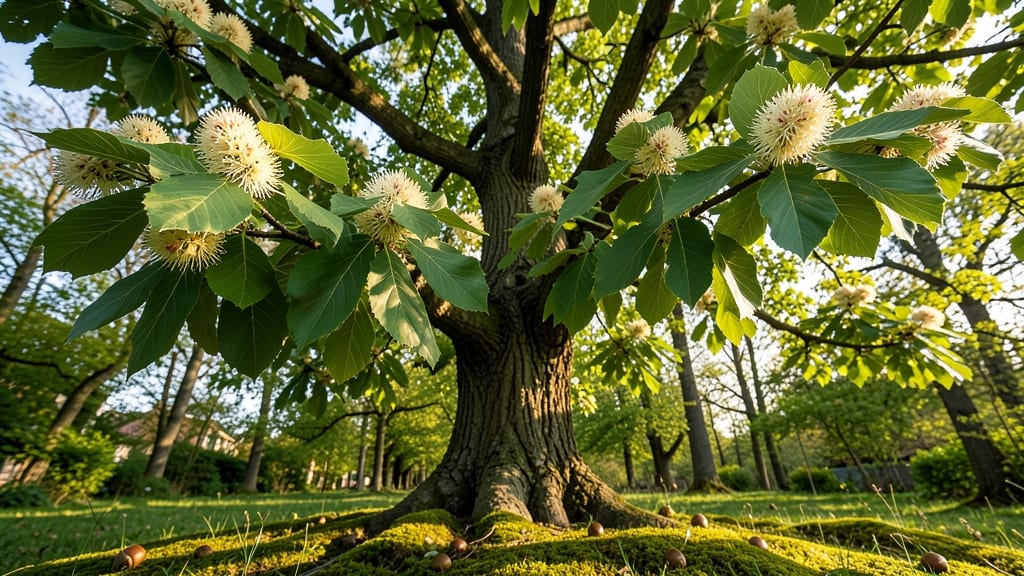
Identifying trees by their leaves can be surprisingly simple when you know the key traits. These 10 trees with distinctive 5-lobed leaves are not only beautiful but also relatively easy to cultivate in home gardens, making them perfect for both plant enthusiasts and casual gardeners.
Sugar Maple Tree Identification Guide
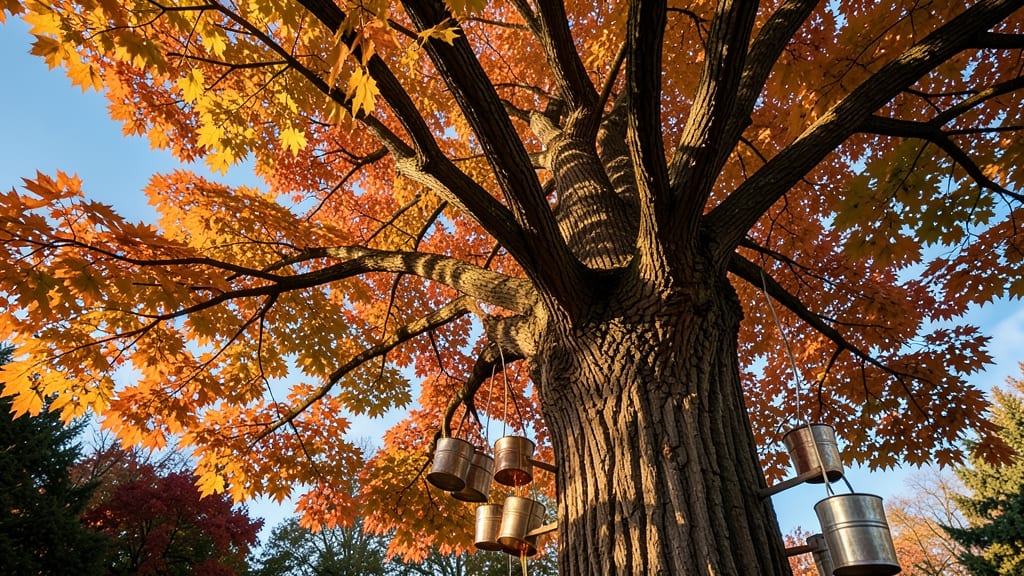
If you’ve ever dreamed of tapping your own maple syrup or simply want a tree that turns your yard into a fiery autumn masterpiece, the sugar maple (Acer saccharum) is your answer. This North American icon is famous for its brilliant orange-red fall foliage and the sweet sap that fuels breakfast tables across the continent.
Identifying a sugar maple starts with its leaves—each has five pointed lobes with serrated edges, creating a star-like shape. The bark is smooth and gray when young, developing deep furrows as it matures. For syrup lovers, look for trees in USDA zones 3-8, where they thrive in well-drained, slightly acidic soil with full sun to partial shade. Plant saplings in early spring or fall for best root establishment.
Beyond its beauty, sugar maples support wildlife and provide shade for generations. Whether you’re a homesteader or just love seasonal color, this tree delivers year-round value. 🌟
Norway Maple Tree Characteristics
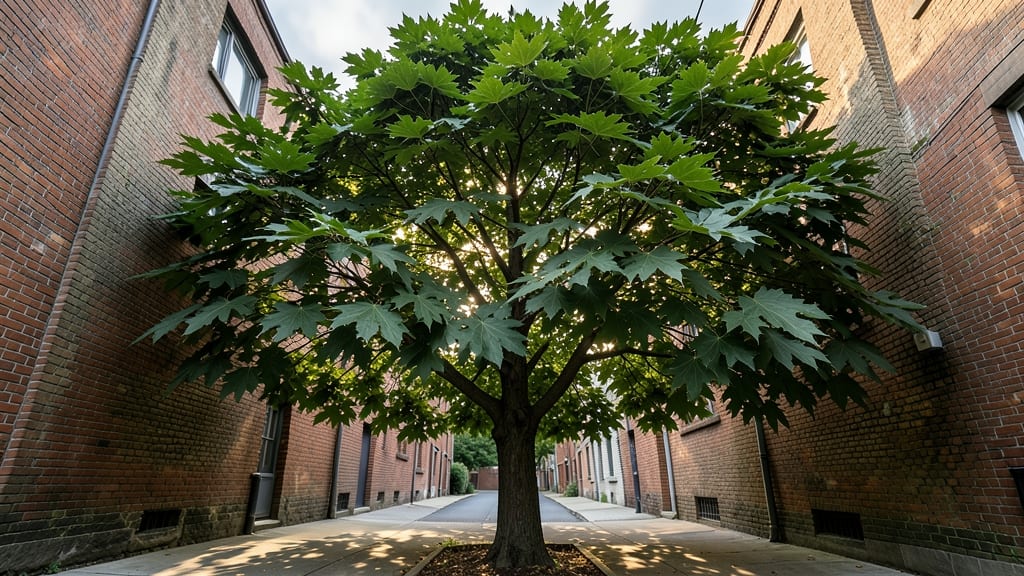
If you're looking for a tree that handles city life like a champ, the Norway maple is your go-to choice. Unlike its delicate sugar maple cousin, this tree thrives in urban environments with its shade-tolerant nature, making it ideal for tight spaces where sunlight is limited.
Its dense foliage creates natural privacy screens, and its slightly rounded five-lobed leaves stay lush even in polluted air. Plant it in well-drained soil with partial to full shade, and watch it grow into a sturdy, 40-60 foot tall beauty with minimal fuss. The tree’s fast growth rate (about 2 feet per year) means you’ll enjoy its benefits sooner rather than later. 🌿
Silver Maple Tree Growth Tips
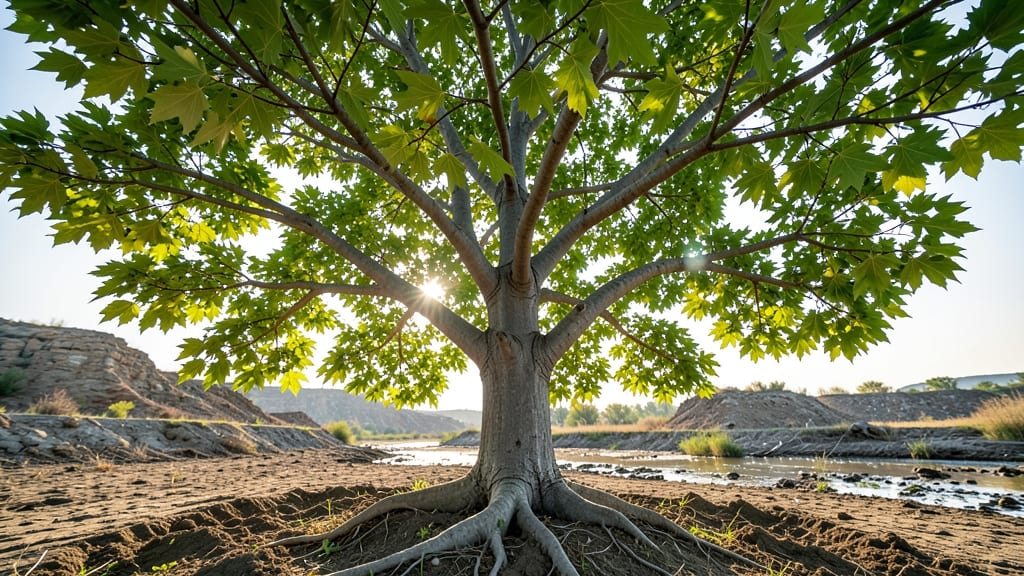
Need a tree that grows fast and handles tough conditions? The silver maple is your answer—this adaptable species thrives in both wet and dry soils, making it perfect for erosion-prone areas or quick shade solutions.
Expect 3-5 feet of growth per year when young, with its distinctive silver undersides on leaves that turn golden-yellow in fall. Plant in full sun to partial shade, and watch it stabilize slopes or provide instant shade within just a few seasons. Just be prepared for its sprawling branches—prune regularly to maintain structure.
This tree is ideal for landowners with erosion issues or anyone wanting fast results. Perfect for beginners or eco-conscious gardeners! 🌟
Boxelder Tree Care Basics
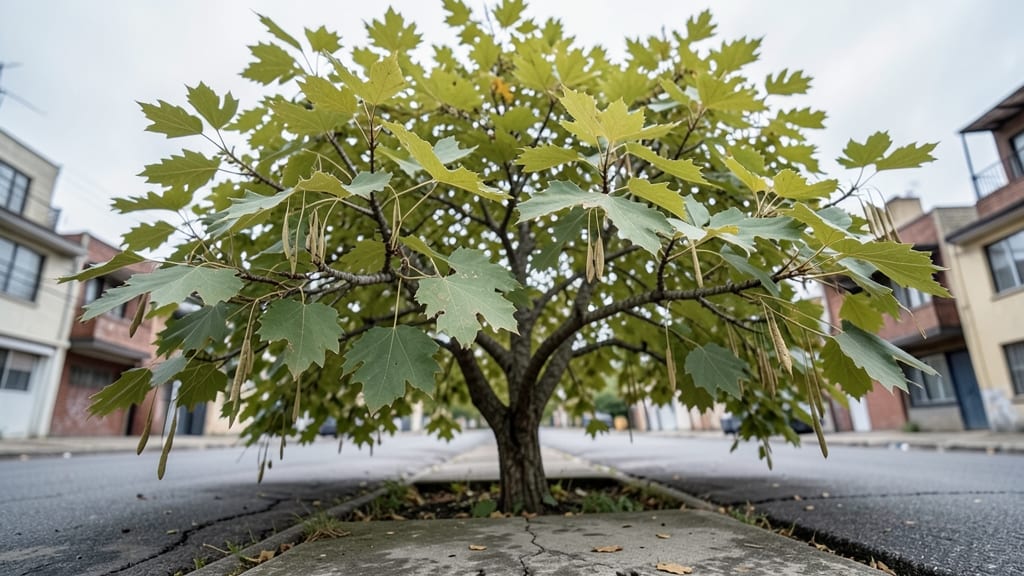
If your yard is small but you still want a tree with character, the boxelder tree (Acer negundo) is your underrated hero. Unlike its more glamorous maple cousins, this tree thrives in tight spaces, tolerates poor soil conditions, and even handles urban pollution—making it perfect for city lots or neglected corners of the garden.
Its compound leaves (each with 3-5 leaflets) create a unique look, and those famous helicopter seeds (samaras) add whimsy as they spiral to the ground in autumn. Plant it in full sun to partial shade, and expect rapid growth—boxelders can reach 30-50 feet but stay narrower than other maples, ideal for narrow lots. Water regularly the first year, but once established, it’s drought-tolerant and low-maintenance.
This tree is ideal for urban gardeners, eco-conscious landscapers, or anyone who loves a tree that doesn’t demand perfection. Plus, its early fall color adds seasonal interest without the fuss. 🌻
Red Maple Tree Varieties Explained
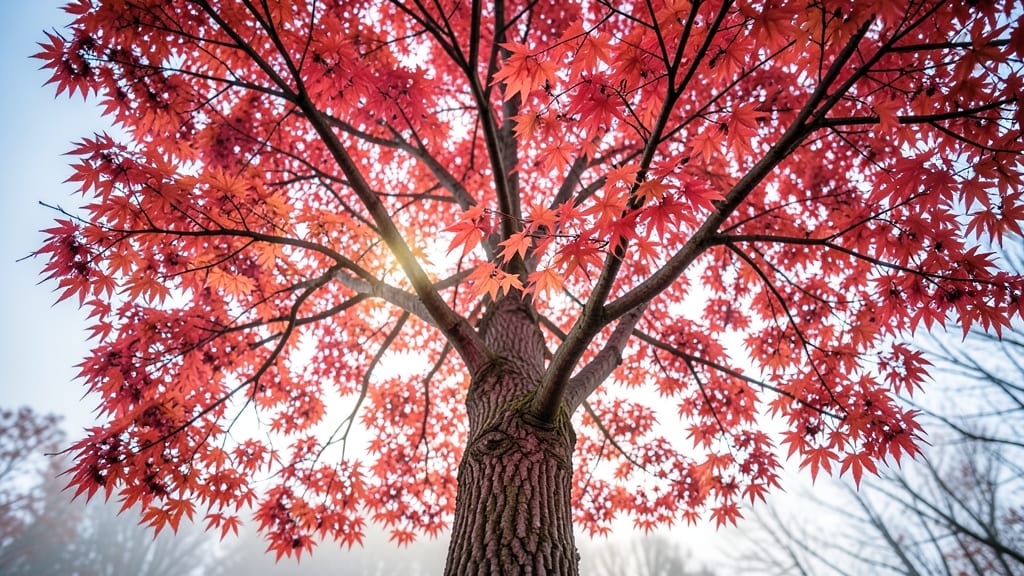
If you crave a tree that announces spring with a burst of color, the red maple (Acer rubrum) is your star performer. Unlike its fall-focused cousins, this species often sports bright red or pink foliage in early spring—sometimes even before leaves fully unfurl—making it a showstopper when other gardens are still dormant.
Red maples thrive in USDA zones 3-9 and adapt to a wide range of soils, from sandy to clay, though they prefer moist, well-drained conditions. Their five-lobed leaves (deeper and more pointed than sugar maples) turn fiery red, orange, or yellow in autumn, and their red samaras (helicopter seeds) add winter interest. Plant in full sun to partial shade for maximum color impact, and watch birds flock to its seeds and buds—this tree is a wildlife magnet for cardinals, woodpeckers, and butterflies.
Perfect for eco-conscious gardeners or anyone who wants year-round interest with minimal fuss, red maples deliver four seasons of color while supporting local ecosystems. 🌟
Japanese Maple Leaf Patterns
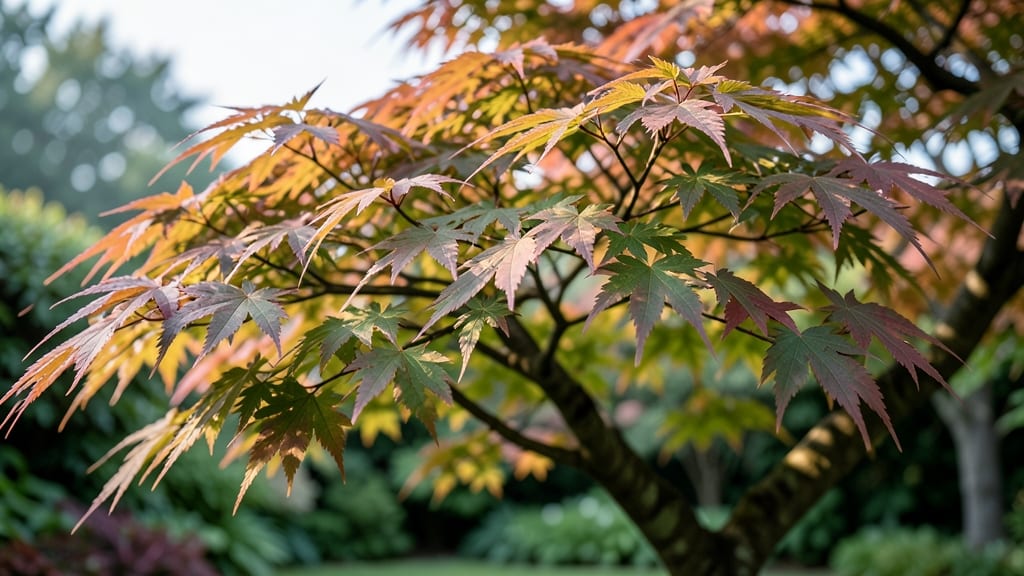
If you love trees with intricate beauty but limited space, Japanese maple varieties are your answer. Unlike their robust North American cousins, these trees boast delicate, lace-like leaves that resemble hand-painted art, making them perfect for bonsai or small garden accents.
Choose from cultivars like 'Bloodgood' (deep red foliage) or 'Green Dragon' (weeping branches), both thriving in partial shade with moist, well-drained soil. Their slow growth (1-2 feet per year) ensures they stay manageable, while pruning in late winter shapes them beautifully. These trees also tolerate urban pollution, making them ideal for courtyards or container gardens.
Japanese maples bring year-round interest with striking bark and autumn colors, and they’re perfect for gardeners who crave elegance without bulk. 🌻
Bigleaf Maple Tree Features
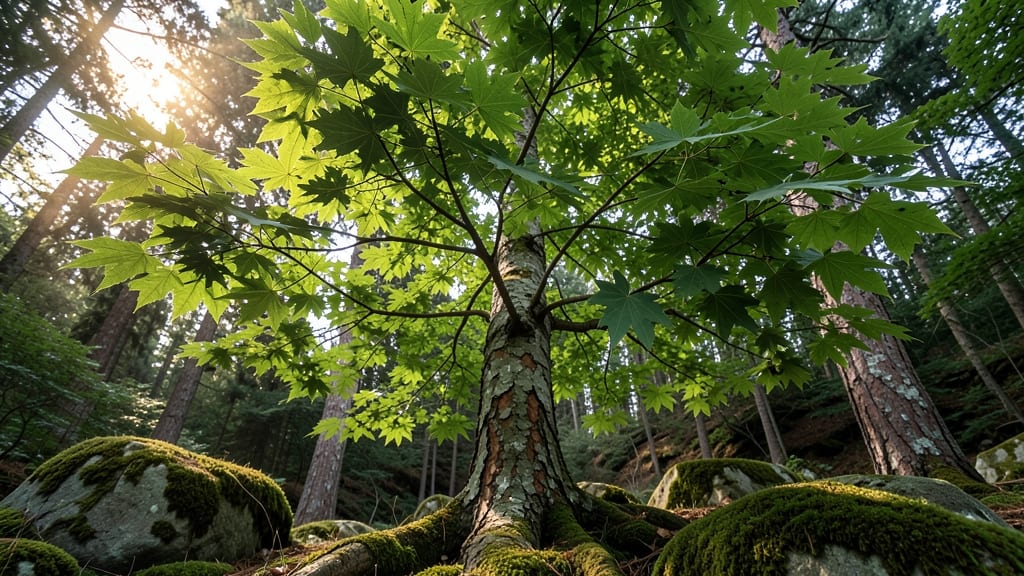
If you’re dreaming of a lush, woodland garden that feels like a Pacific Northwest retreat, the bigleaf maple (Acer macrophyllum) is your star player. This native beauty thrives where others falter—moist, shaded areas—and its glossy, palmate leaves (up to 12 inches wide!) cast dappled shadows that transform any space into a serene sanctuary.
Unlike its urban-adapted cousins, the bigleaf maple prefers rich, well-drained soil with consistent moisture, making it perfect for rain gardens or understory plantings. Its slow, steady growth (1-2 feet per year) ensures longevity, while its golden fall foliage adds seasonal drama. For best results, plant in partial shade and mulch heavily to retain moisture—this tree rewards patience with decades of drama.
Ideal for gardeners who love textured foliage and woodland aesthetics, this tree also supports local wildlife. Perfect for Pacific Northwest enthusiasts or anyone craving a low-maintenance, high-impact shade tree. 🌿
Striped Maple Tree Identification
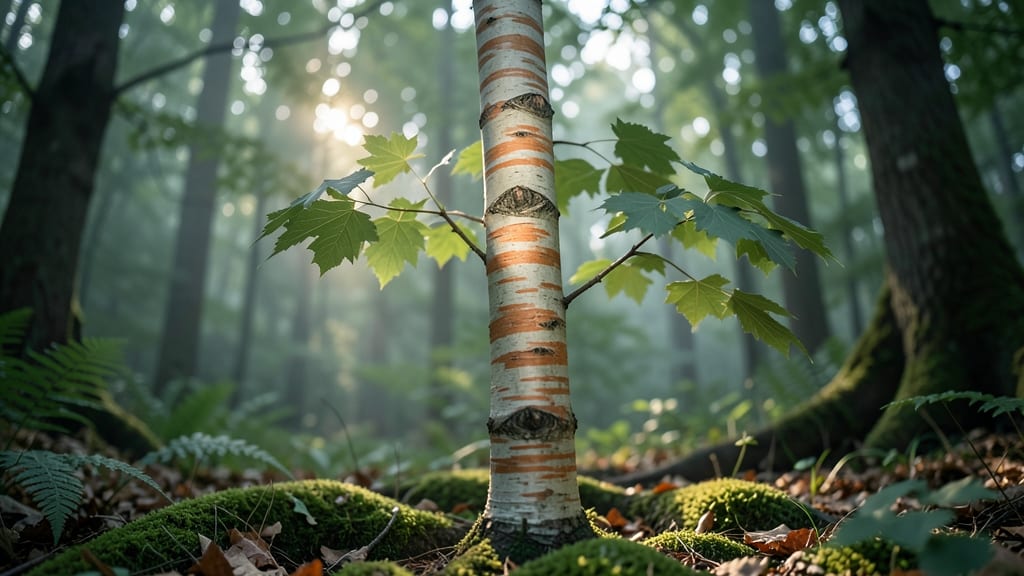
Looking for a tree that thrives in the dappled shade of your woodland garden? The striped maple (Acer pensylvanicum) is a hidden gem with a striking twist—its peeling, striped bark adds visual interest year-round, while its small, five-lobed leaves create delicate texture in the understory.
This native North American tree grows 15-25 feet tall and loves moist, well-drained soil with partial to full shade, making it ideal for forest edges or shaded garden corners. Its leaves turn brilliant yellow in fall, and its small size keeps it perfect for smaller landscapes. Plant in early spring or fall for best establishment.
Perfect for gardeners seeking shade-tolerant, low-maintenance trees with unique bark appeal, the striped maple adds texture and seasonal color without the fuss. 🌿
Moosewood Tree Cultivation Guide
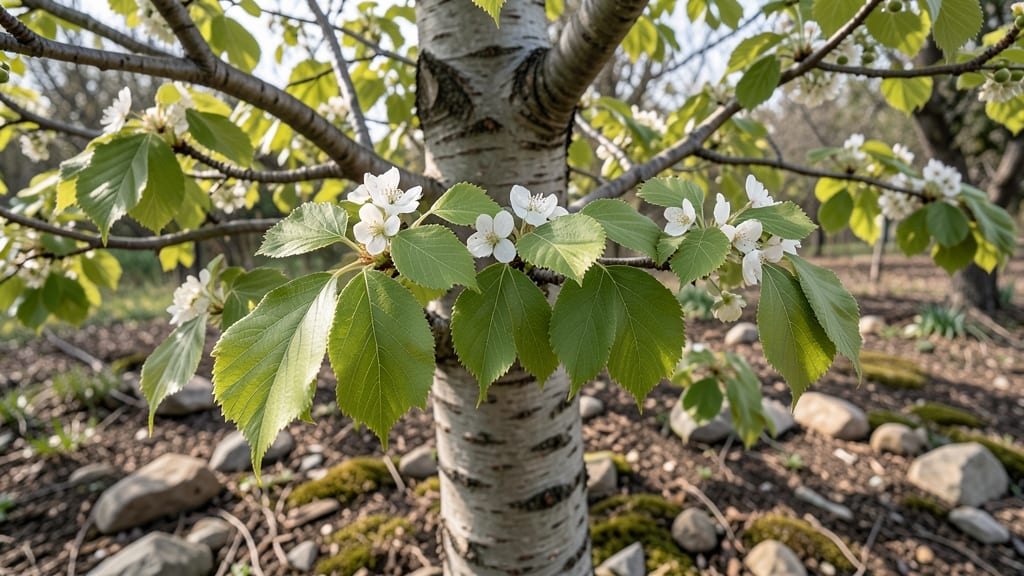
Looking for a native tree that adds texture without the fuss? The moosewood (Amelanchier spp.)—also called serviceberry—delivers delicate, five-lobed leaves that shimmer in spring and burst with white flowers, followed by edible berries. Unlike showy maples, moosewood thrives in dry, rocky soils and tolerates drought once established, making it perfect for low-maintenance gardens.
Plant in full sun to partial shade, where it reaches 15–25 feet tall with a graceful, multi-stemmed form. Its spring blooms attract pollinators, while autumn foliage turns golden-yellow. Prune lightly in late winter to shape, but avoid heavy cuts—this tree’s natural habit is its charm. Best for small yards, meadows, or woodland edges, moosewood fits seamlessly into native plant landscapes.
Ideal for eco-conscious gardeners or those seeking wildlife-friendly trees, moosewood’s versatility and beauty make it a hidden gem. 🌱
Horse Chestnut Tree Leaves

Think you’ve spotted a maple tree with its classic five-lobed leaves? Not so fast—the horse chestnut tree (Aesculus hippocastanum) often gets mistaken for one, but its broad, palmate leaves and stunning spring blooms set it apart. This European native isn’t just pretty; it’s a garden workhorse with ornamental value and a playful touch.
Look for its large, fan-shaped leaves with five rounded lobes (each up to 7 inches wide) and white, candelabra-like flowers that appear in late spring. The real showstopper? Its conkers—those glossy brown nuts encased in spiky husks—that kids love to collect. Plant it in full sun to partial shade with well-drained soil, and watch it thrive in USDA zones 3-8. Prune in late winter to shape its rounded canopy.
Perfect for traditional gardens, urban landscapes, or as a focal point, horse chestnut trees bring year-round interest with their striking foliage, flowers, and autumn color. Plus, they’re deer-resistant—a bonus for rural gardeners! 🌟