
Flowers
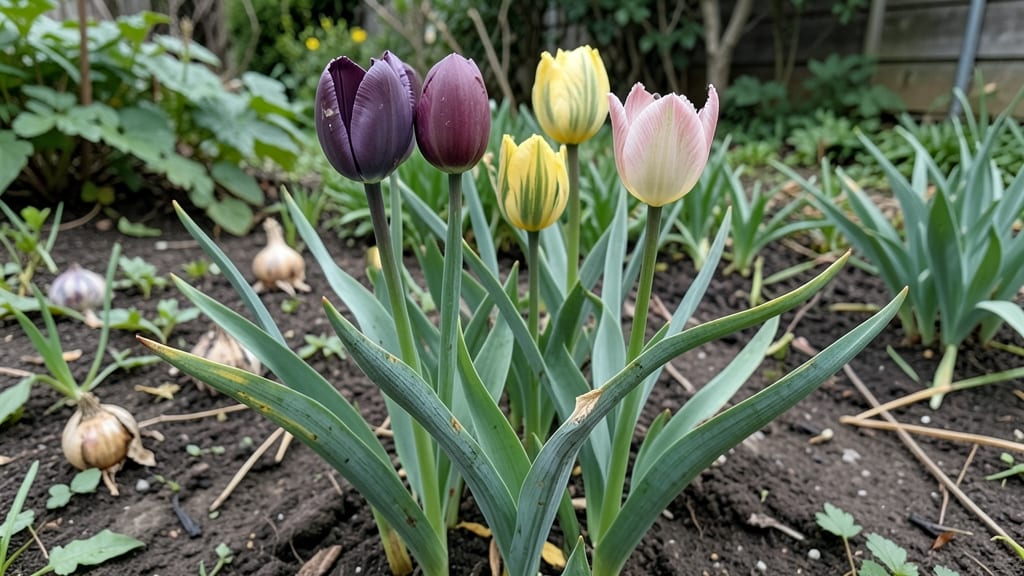
A stunning tulip flower bed 🌷 can turn your yard into a year-round masterpiece, not just a fleeting spring burst of color.
Most gardeners plant tulips and accept a three-week show before the petals fade to brown—leaving empty soil behind. But what if you could stretch that beauty into months, with layers of blooms that transition seamlessly from early spring through summer?
This isn’t just about tossing bulbs into the ground and hoping for the best. The real secret lies in smart design: mixing early, mid-, and late-season varieties, pairing them with the right companions, and spacing them so no bare spots appear.
Think of it as a garden calendar where every week brings something new.
Below, I’ll walk you through the exact steps to create a tulip bed that keeps your neighbors stopping for photos—from color palettes that pop to the easiest low-maintenance tricks that save you hours of work.
How to design a tulip flower bed for season-long color
A stunning tulip flower bed isn’t just about planting bulbs—it’s about creating a layered color palette that blooms from early spring through summer. The key is selecting tulip varieties with staggered bloom times and pairing them with companion plants that take over after tulips fade.
This approach ensures your garden stays vibrant long after the tulip season ends.
Start by choosing a sunny location with at least 6 hours of sunlight daily, as tulips thrive in full sun. Amend the soil with compost to improve drainage and fertility, since tulips hate soggy roots.
The right bulb spacing—typically 4-6 inches apart—prevents overcrowding and allows each bloom to shine.
| Layer | Plant Type | Bloom Time | Height Range | Color Palette |
|---|---|---|---|---|
| Early Bloom | Tulipa 'Early Harvest' (Dwarf) | Late April - Early May | 6-12 inches | Red, yellow, pink |
| Mid Bloom | Tulipa 'Apeldoorn' (Standard) | Mid-May | 18-24 inches | Red, white, pink |
| Late Bloom | Tulipa 'Fosteriana' (Darwin Hybrid) | Early June | 20-24 inches | Yellow, orange, deep red |
| Summer Filler | Allium 'Purple Sensation' | June - July | 24-36 inches | Purple, lavender |
| Foliage Contrast | Ferns (Dryopteris) | Year-round | 12-24 inches | Green, bronze |
To create a season-long display, begin with early-blooming tulips like 'Early Harvest' (April-May) and layer them with mid-season varieties such as 'Apeldoorn' (May) and late bloomers like Darwin Hybrids (June).
This staggered approach ensures continuous color. For example, plant 6-inch dwarf tulips in the front row, 12-inch mid-height varieties in the middle, and 24-inch tall tulips at the back for depth.
Incorporate companion plants like alliums or catmint to bridge the gap after tulips fade. Alliums bloom in June-July with striking purple spheres, while catmint provides silvery foliage and blooms from summer to fall. These plants not only extend the season but also add texture and contrast to your design.
For a cohesive color scheme, group tulips by hue rather than scattering random colors. For instance, pair red tulips with purple alliums and silver foliage for a bold contrast. Alternatively, blend pastel pink tulips with lavender catmint and green ferns for a softer look.
Use mulch in complementary colors (e.g., brown bark or gray gravel) to tie the design together.
After planting, water deeply to settle the soil and encourage root growth. Apply a 1-inch layer of mulch to retain moisture and suppress weeds. Avoid over-fertilizing, as tulips prefer low-nitrogen soil to prevent excessive foliage at the expense of blooms.
Instead, use a balanced fertilizer (5-10-10) in early spring as shoots emerge.
Deadhead spent tulip blooms to redirect energy into bulb storage for next year, but leave the foliage until it yellows naturally. This ensures the bulbs replenish their nutrients. In late summer, cut back faded foliage and add fresh mulch to protect the bulbs over winter.
With this approach, your tulip flower bed will reward you with months of color and minimal maintenance.
Don’t forget to rotate your tulip varieties every few years to prevent disease and keep the display exciting. Mix in new colors or patterns each season—perhaps a checkerboard layout with alternating tulip colors or a naturalistic drift with varying heights and shades.
The possibilities are endless, and the result is a garden that feels alive and ever-changing.
🌷
Best companion plants for tulip flower beds to extend blooms
Tulips steal the show in spring, but their foliage fades quickly, leaving unsightly gaps in your flower bed. The solution? Strategic companion planting that bridges the bloom gap while adding texture, height, and seasonal interest.
By layering perennials, annuals, and bulbs, you can create a tulip bed that stays vibrant from March through July—or even longer.
When selecting companions, focus on plants that thrive in the same sunlight conditions (full sun to partial shade) and share similar watering needs. Avoid aggressive spreaders like mint or invasive perennials that could outcompete tulips for nutrients.
Instead, opt for plants that complement tulip colors and fill vertical space once the tulips finish blooming.
The pros cons box below breaks down the top companion categories—bulbs, perennials, and annuals—with their benefits, drawbacks, and ideal placement in your design.
Companion Plant Categories for Tulip Beds
Bulbs
- ✅ Pros: Natural blooms, low-maintenance, extend season
- 🌱 Best for: Early spring (crocus) or late spring (allium)
- ⚠️ Cons: Some bulbs (like daffodils) may inhibit tulip growth
Perennials
- ✅ Pros: Return yearly, add foliage texture, fill gaps after tulips fade
- 🌿 Best for: Mid-height (columbine) or trailing (ajuga)
- ⚠️ Cons: Some perennials (like peonies) may overpower tulips over time
Annuals
- ✅ Pros: Instant color, customizable hues, seasonal flexibility
- 🌻 Best for: Tall (snapdragons) or low (pansies) accents
- ⚠️ Cons: Require replanting yearly, may need extra water
Start with early bloomers like crocus or grape hyacinths to kick off the season in March-April. These dwarf bulbs (3–6 inches tall) peek through snow and pair beautifully with tulip foliage before the tulips emerge.
For mid-season drama, add alliums (purple globes) or fritillaria (checkerboard blooms), which bloom in May-June as tulips fade.
Perennials like columbine (with its whimsical, nodding flowers) or catmint (silvery foliage and lavender blooms) thrive in the same conditions as tulips and return every year. Place them at the back or edges of your bed to avoid shading tulips.
For instant color, annuals like snapdragons or pansies can be tucked into gaps—just remove spent blooms to encourage new growth.
Don’t forget foliage contrast! Plants like heuchera (cortex) or hostas add texture and depth once tulips finish blooming. Their varied leaf shapes and colors (purple, blue, or chartreuse) keep the bed visually interesting long after the tulips are gone.
For a low-maintenance option, try ajuga (bugleweed), which spreads gently and stays green all season.
Pro tip: Group companions by height—tall annuals (like delphiniums) at the back, mid-height perennials (like columbine) in the middle, and low-growing bulbs (like crocus) in front. This creates a natural tiered effect that draws the eye and maximizes your bed’s visual impact.