
Landscaping
Maximizing limited space doesn’t mean sacrificing a bountiful veggie harvest. These 10 creative garden bed ideas transform small urban yards into productive growing zones, whether you have a balcony, patio, or narrow backyard.
Vertical Tower Garden Planters
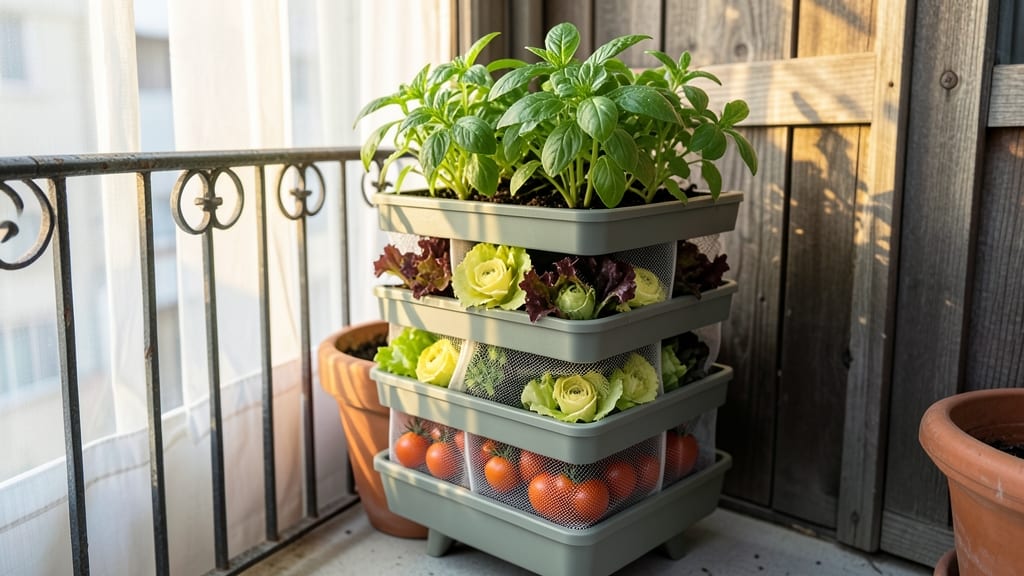
Turn your balcony into a high-yield garden without sacrificing square footage—vertical tower planters let you grow 20+ plants in a single 4x4-foot structure. These space-saving towers use stacked pockets to accommodate herbs like basil, leafy greens such as lettuce, and compact veggies like cherry tomatoes, all within arm’s reach.
Each pocket drains efficiently, preventing root rot, while the modular design allows you to customize plant placement based on sunlight needs. For best results, place your tower in at least 6 hours of sun and rotate it occasionally to ensure even growth. Urban gardeners will love how these planters maximize vertical space while keeping maintenance simple—just water from the top and harvest as needed.
Perfect for renters, small patios, or anyone craving fresh produce without the footprint, these towers prove that big harvests don’t require big yards. 🌱
Raised Bed Keyhole Garden
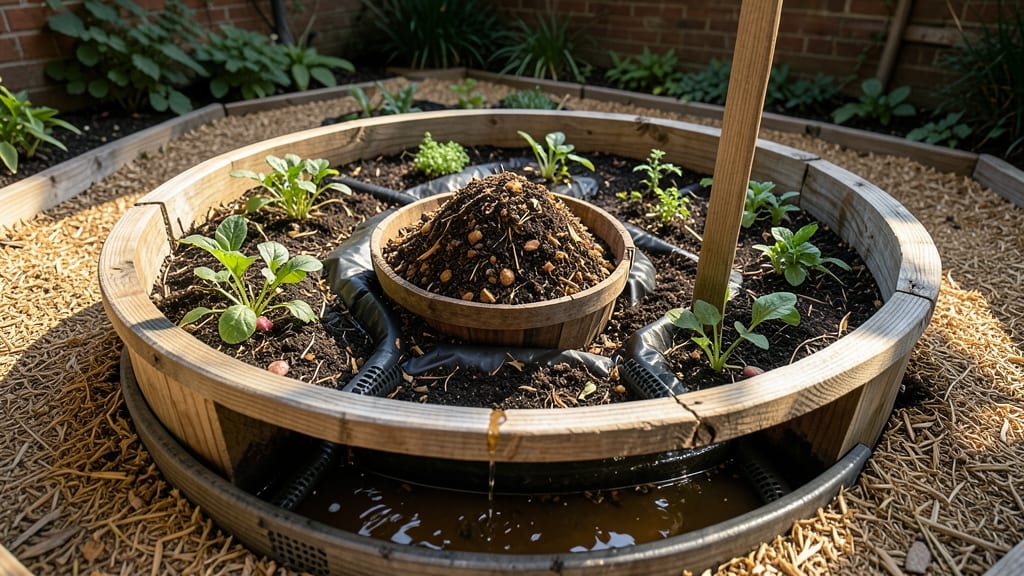
Tired of watering your garden daily and still struggling with poor soil? A raised bed keyhole garden solves both problems with a genius twist: a central compost basket that feeds your plants while cutting water use by up to 50%. This design channels rainwater and compost tea directly to roots, keeping moisture locked in for weeks.
The spiral compost basket at the center acts as a natural water reservoir—just add kitchen scraps or dry leaves, and the compost slowly breaks down, enriching the soil without tilling. Plant drought-tolerant veggies like carrots, kale, and radishes around the edges, where they’ll thrive with minimal effort. Perfect for dry climates or beginners, this bed stays fertile year-round with almost no maintenance.
Whether you’re battling water restrictions or just want a low-stress garden, this design turns composting into a hands-off fertility boost. Your plants will thank you—and so will your water bill. 💚
Hanging Pocket Planters for Trailing Veggies
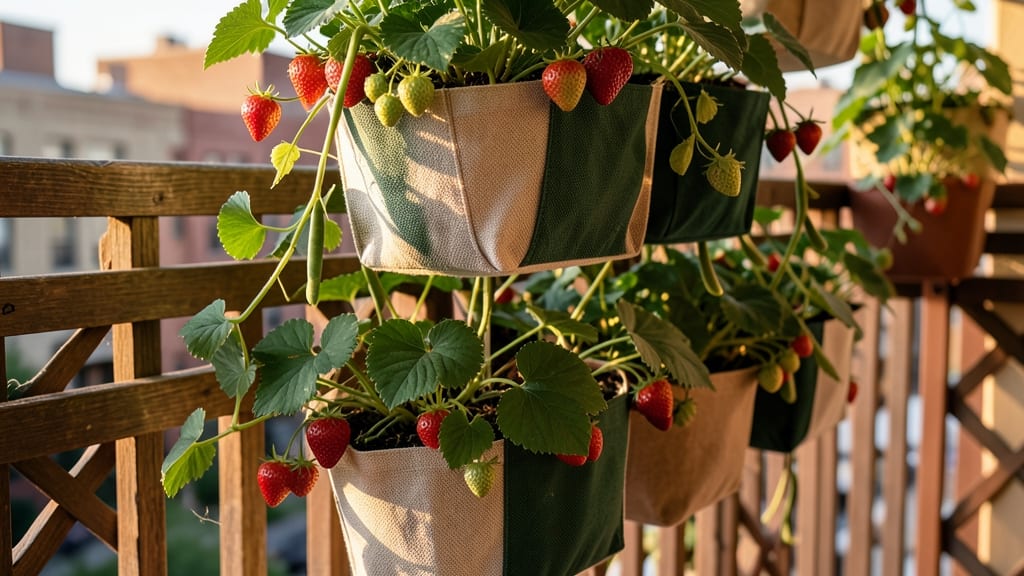
Transform unused vertical space into a trailing veggie paradise with hanging pocket planters—the perfect solution for growing cucumbers, beans, or strawberries where floor space is scarce. These modular pockets attach effortlessly to fences, railings, or pergolas, creating a lush, cascading harvest that adds beauty and bounty to any garden corner.
Choose deep pockets (8-12 inches) for cucumbers and beans, or shallower ones for strawberries, ensuring roots have room to spread while vines trail freely. For best results, plant in well-draining potting mix and water directly into the pockets to prevent evaporation. Urban gardeners with balconies or small patios will appreciate how these planters maximize space without sacrificing yield—just hang them where they’ll get at least 6 hours of sun daily.
Ideal for renters, balcony gardeners, or anyone craving fresh produce without the footprint, these planters prove that vertical growing equals big harvests in tiny spaces. 🌱
Square Foot Gardening Grid
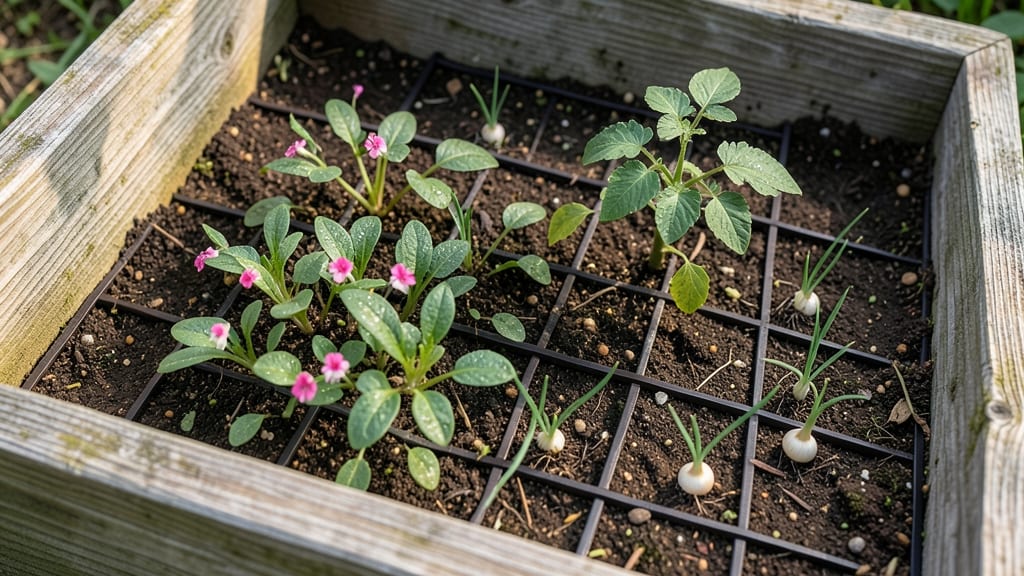
Want to grow more veggies in less space without the guesswork? The square foot gardening grid uses a math-backed system where each 12-inch square holds the optimal number of plants—like 16 radishes, 1 tomato, or 4 onions—to eliminate wasted space and competition for nutrients.
Start by dividing your bed into a grid using string or wooden stakes, then follow the planting chart to place the right number of seeds or seedlings in each square. This method works especially well for high-density crops like leafy greens, herbs, and compact vegetables, making it ideal for urban gardeners or anyone with limited square footage. The grid also simplifies rotation and succession planting—just swap out plants in the same square each season.
Perfect for beginners or space-challenged gardeners, this system turns even a 4x4-foot bed into a productivity powerhouse—no advanced skills required. 🌱
Pallet Wood Herb Garden
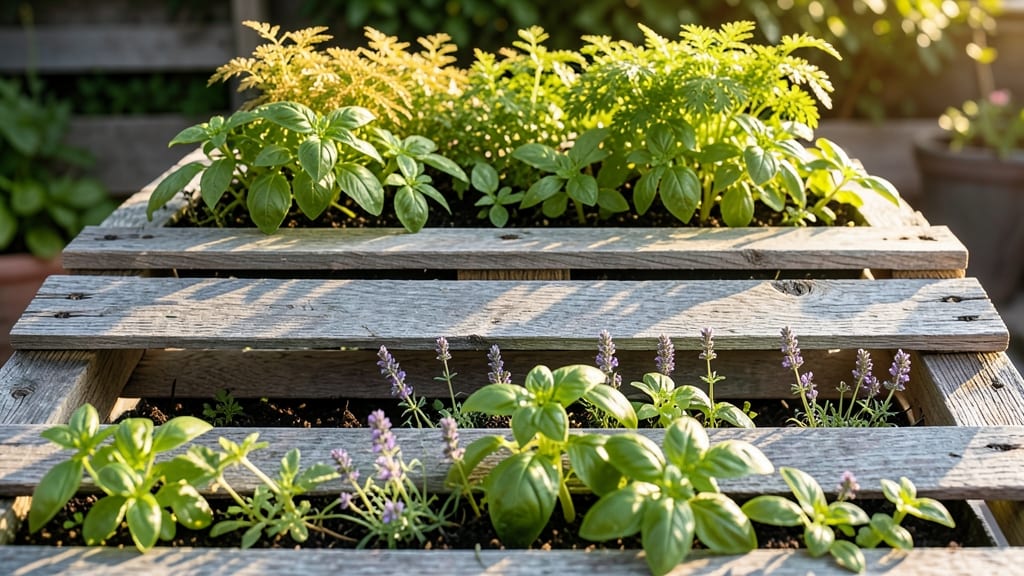
Skip the store-bought herb pots and create a rustic, functional herb garden using repurposed wooden pallets—perfect for kitchens or sunny patios where you’ll actually use what you grow. This zero-waste project transforms discarded materials into a space-saving planter that keeps basil, thyme, and parsley within arm’s reach while adding charm to your outdoor (or indoor) space.
Start by sanding rough edges and treating the wood with food-safe sealant to prevent splinters. Drill drainage holes in the bottom of each pallet section, then line with landscape fabric before filling with well-draining potting mix. Plant herbs in individual pockets or clusters, ensuring they get at least 4-6 hours of sunlight daily. The natural wood texture also regulates soil temperature, keeping roots cool in summer and protected in winter.
This DIY solution is ideal for urban gardeners, renters, or anyone with limited space who wants fresh herbs without the hassle of traditional planters. Plus, the upcycled aesthetic adds a cozy, cottage-core vibe to any patio or balcony. 💚
Spiral Herb Planter
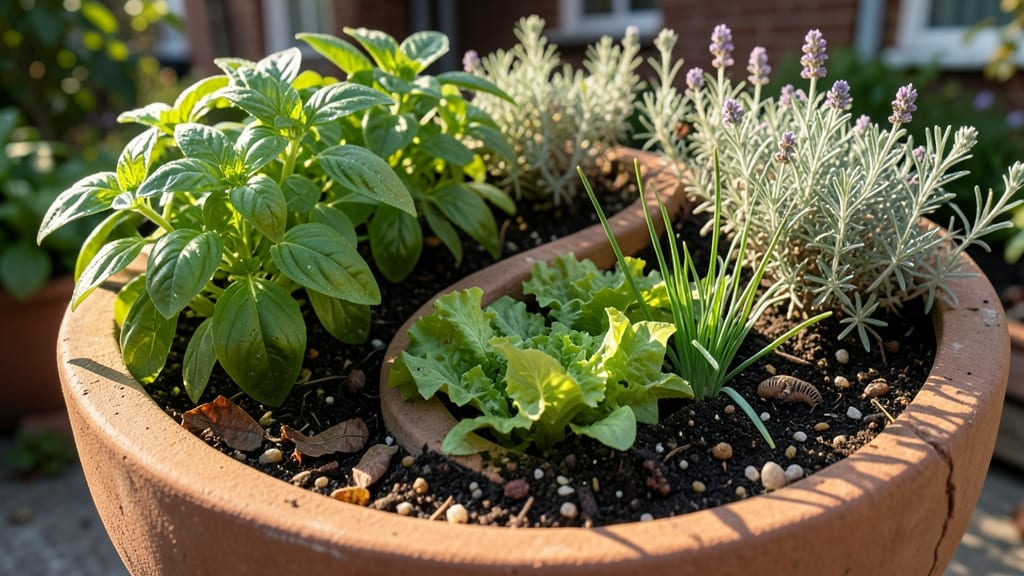
Create a microclimate oasis in your garden with a spiral herb planter, where sun-loving herbs like basil and thyme thrive on the outer edge while shade-tolerant lettuce and chives flourish inward. This compact design mimics nature’s layered ecosystems, letting you grow more in less space without the hassle of separate containers.
The spiral’s gentle curves create gradual shade transitions, perfect for urban gardens with partial sunlight. Plant heat-loving herbs (like oregano) at the top where they get the most sun, then move to moderate-light varieties (parsley, cilantro) midway, and finish with shade-tolerant greens (spinach, arugula) at the base. Water from the top to ensure even moisture distribution—no drippers or complicated irrigation needed!
This design is a game-changer for small-space gardeners or anyone craving fresh herbs year-round. Plus, the spiral’s aesthetic adds a whimsical touch to patios, balconies, or kitchen gardens. 🌿
Window Box Salad Garden
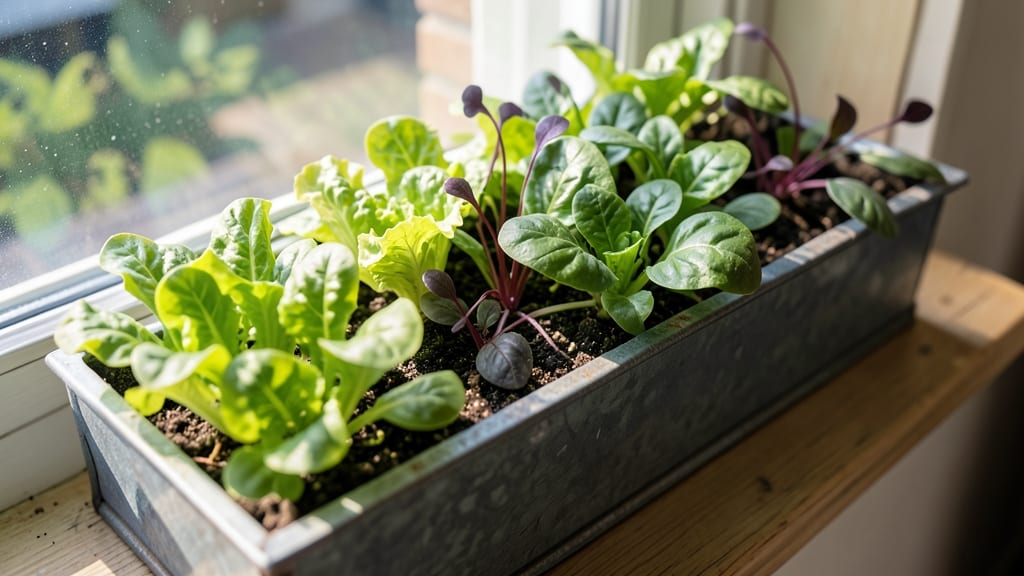
Turn your sunniest windowsill into a fresh, crisp salad garden with a deep window box—ideal for renters or urban dwellers who crave greens but lack outdoor space. This cozy setup lets you grow lettuce, spinach, and microgreens year-round, even in small apartments, by leveraging indoor light.
Start with a deep box (at least 8 inches deep) to accommodate root growth, and fill it with a lightweight, well-draining potting mix. Place your box where it gets 4-6 hours of sunlight daily, and choose fast-growing varieties like baby leaf lettuce or arugula for quick harvests. Water gently from the bottom to avoid disturbing delicate roots, and fertilize lightly with fish emulsion every 3-4 weeks. The cascading greens will not only provide fresh salads but also brighten up any room.
Perfect for beginners or anyone with limited outdoor access, this project proves you don’t need a backyard to enjoy homegrown veggies—just a little light and patience. 🌱
Interplanting Flower-Veggie Beds
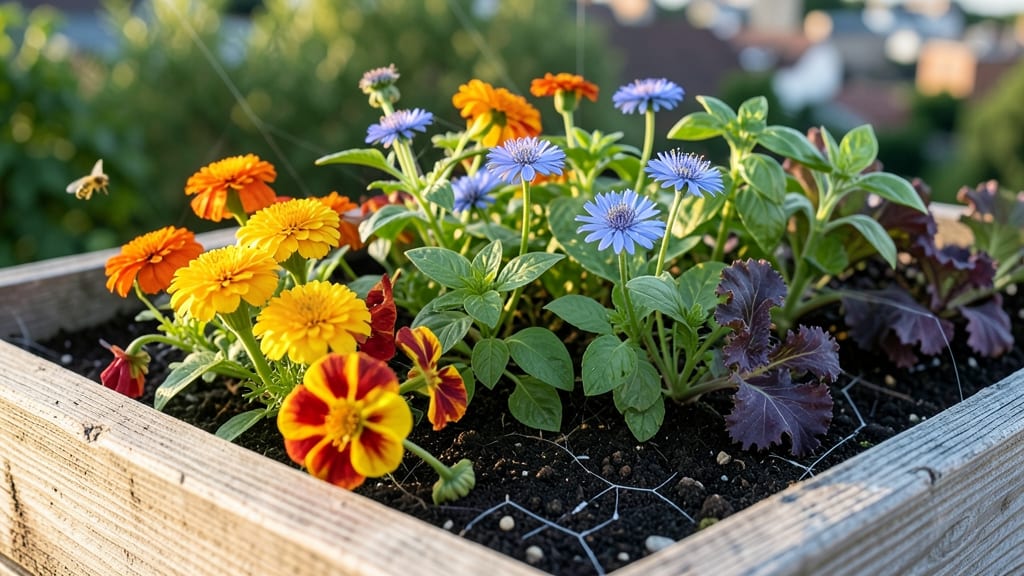
Turn your tiny urban plot into a thriving ecosystem with interplanting flower-veggie beds, where beauty and productivity go hand-in-hand. This clever technique combines marigolds, nasturtiums, and borage with your favorite vegetables to create a natural pest barrier while attracting pollinators—all in the same compact space.
Start by planting marigolds around the edges of your bed to repel nematodes and aphids, then tuck nasturtiums between rows of tomatoes or cucumbers to deter squash bugs. Add borage in clusters to attract bees and deter tomato hornworms. These flowers also add vibrant color, making your garden as pretty as it is productive. For best results, choose companion plants that thrive in similar sunlight conditions—most of these pairs love full sun (6+ hours daily).
Perfect for urban gardeners with limited space, this method turns pest control into a decorative feature while maximizing every inch of your bed. Your veggies will grow healthier, and your garden will buzz with life! 🌻
Mini Greenhouse Tote Garden
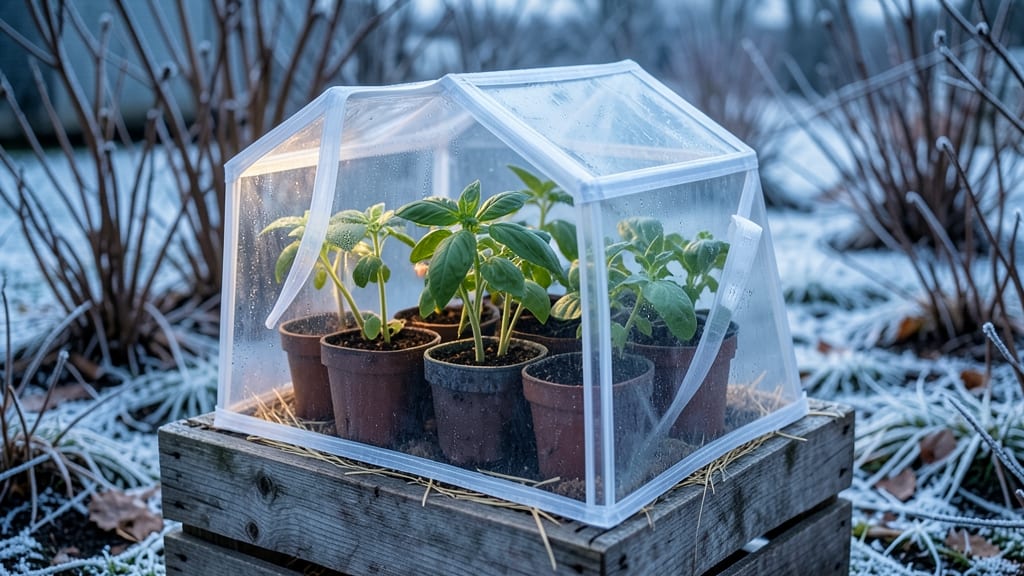
Cold climates shouldn’t mean the end of your gardening dreams—mini greenhouse tote gardens are the secret weapon for extending your growing season. These portable, clear plastic bags create a microclimate that shields seedlings and tender crops from frost, wind, and temperature swings, letting you plant 4-6 weeks earlier in spring or 2-3 weeks later in fall.
Simply fill the tote with well-draining potting mix, add your seedlings (like peppers, lettuce, or herbs), and secure the zippered top. Place it on a patio, deck, or even a balcony—no permanent setup required. The condensation on the sides provides natural humidity, while the clear walls let sunlight filter through. For extra warmth, add a thermos bottle filled with hot water inside before evening frost hits. These totes are perfect for urban gardeners with limited space or anyone eager to beat the last frost.
Whether you're a first-time gardener or a seasoned pro, these portable greenhouses make it easy to grow frost-sensitive plants without the commitment of a full greenhouse. Just unzip and transplant when the weather warms up—no digging required! 🌱
Underground Potato Planters

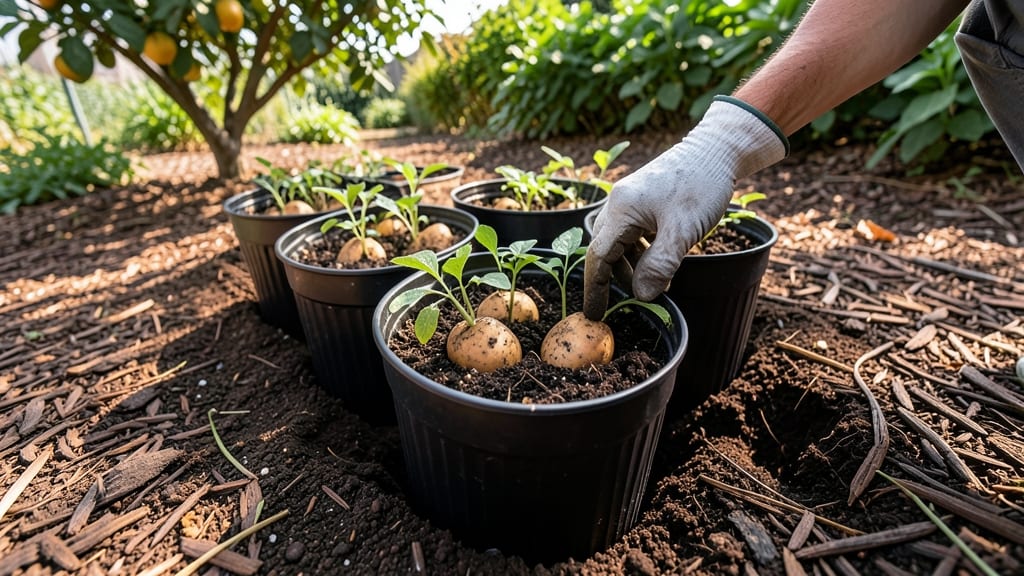
Forget the sprawling potato patch—grow storage-quality spuds in underground planters that disappear into the soil, freeing up precious above-ground space. These buried containers keep tubers cool, shielded from light (which prevents greening), and protected from pests like wireworms, while still yielding potatoes as large as traditional in-ground crops.
Use a fabric grow bag or sturdy plastic container with drainage holes, filled with loose, well-draining soil. Bury it halfway underground in a sunny spot, leaving the top edge visible for watering. Plant seed potatoes 4-6 inches deep, and as the vines grow, mound soil around them to encourage more tuber formation. This method works especially well for small urban yards or gardens where space is at a premium—no need to dedicate an entire bed just for potatoes.
Perfect for gardeners who want high yields without sacrificing layout flexibility, these planters also make harvesting easier—just dig up the container when the foliage yellows. Your potatoes will store better too, thanks to the natural coolness of the buried setup. 🌱