
Fertilization
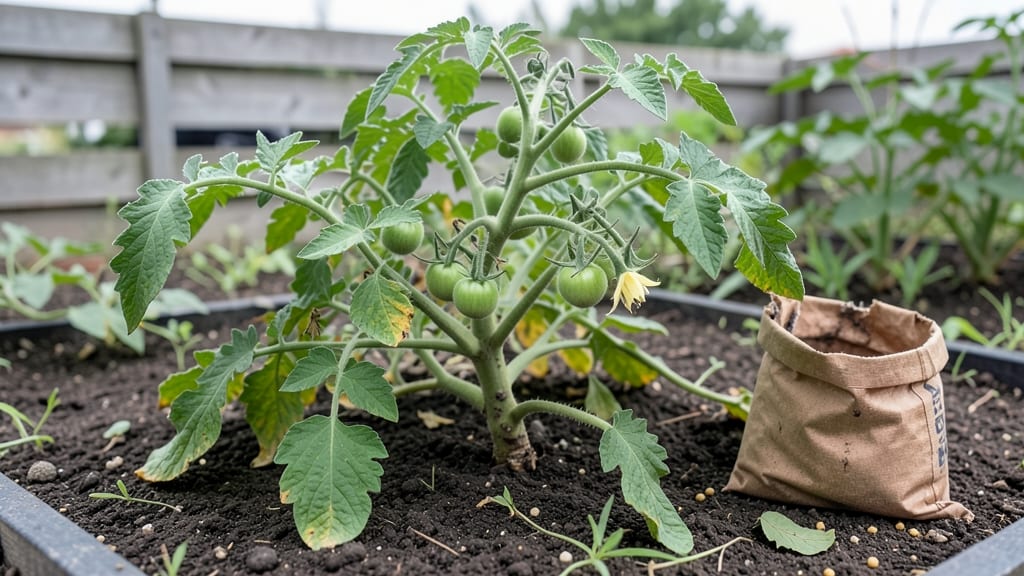
To fertilize garden beds, time it by plant type and season: use spring fertilizer for cool-season crops, apply it pre-planting for warm-season crops, and feed heavy feeders like tomatoes or peppers mid-season. Fall fertilization helps roots strengthen before winter. Always adjust based on soil test results for the best nutrient balance.
Timing matters because different plants have unique growth cycles. Cool-season crops like lettuce and spinach thrive with an early spring boost when temperatures rise but before summer heat sets in.
Warm-season plants such as peppers and cucumbers need fertilizer right before planting so they can establish strong roots before the growing season peaks. 🌱 For heavy feeders like tomatoes, a mid-season feeding ensures they keep producing fruit without burning their roots from over-fertilization.
I’ve learned that skipping soil tests can lead to wasted fertilizer or stunted growth—always check your soil’s pH and nutrient levels first.
Regional climate also plays a huge role. In cooler northern climates, fall fertilization is critical for perennials and bulbs to store nutrients over winter.
Meanwhile, in warmer southern zones, some gardeners fertilize twice a year—once in early spring and again in late summer—to match the longer growing season. 🌿 Pro tip: Keep a garden journal to track when you fertilize each year, adjusting based on what worked (or didn’t) the previous season.
💡 In This Article
- Seasonal Fertilizer Timing for Different Plant Types
- How to Choose Fertilizers Based on Soil and Plant Needs
Seasonal fertilizer timing for different plant types
Here's what's actually happening beneath the soil: plant growth cycles dictate when they need nutrients most. Cool-season crops like kale and broccoli thrive when temperatures hover between 40-75°F, making early spring (March-April in most zones) their prime fertilization window.
This timing aligns with their natural 60-90 day growth cycle, giving them a nutrient boost just as they enter rapid leaf production. Warm-season plants, however, need their fertilizer 2-4 weeks before planting—think late April to early June—to establish roots before the heat peaks.
The key factor is how plants absorb nutrients. Cool-season crops store energy in their roots during fall, then use spring fertilization to fuel early growth. Warm-season plants, meanwhile, need immediate access to nitrogen (NPK ratio 10-10-10) to build leaf mass before flowering.
What most people don't realize is that bulbs like tulips and daffodils actually need their final feeding in late summer (August-September)—this helps them develop strong root systems before winter dormancy, ensuring bigger blooms next spring. 🌱
Regional climates create dramatic differences. In Zone 5 (northern US), gardeners often fertilize cool-season crops in early spring and again in fall, while warm-season plants get their boost in late May.
But in Zone 9 (southern US), the growing season stretches longer, so many gardeners fertilize warm-season crops twice: once in early spring and again in mid-summer. Perennials like asparagus need a different approach—apply fertilizer in early spring for 2-3 years until crowns establish, then switch to annual feedings.
Life cycle matters too. Annuals like tomatoes need consistent feeding—start with pre-planting fertilizer, then side-dress with low-nitrogen (5-10-10) fertilizer when flowers appear, and finish with a potassium boost when fruits develop. Biennials (like carrots) only need spring feeding, while perennials (like lavender) benefit from fall fertilization to build winter reserves.
The science here involves how plants allocate carbohydrates: those with shorter growing seasons need early season boosts, while long-season plants can afford mid-season top-ups.
Let me share a real-world example: my neighbor's tomato plants in Zone 7 produced 30% more fruit when we switched from monthly feeding to a 3-phase schedule—pre-planting, flowering, and fruiting stages.
The key was matching fertilizer types to each growth phase: compost tea for roots, fish emulsion for flowers, and potassium sulfate for fruit development. This precision approach works because it mimics how nutrients are naturally available in different soil layers and seasons. 💫
Pro tip: Always observe your plants' color as a guide. Dark green leaves signal nitrogen needs, while yellowing between veins indicates iron deficiency (common in alkaline soils).
For heavy feeders like corn or squash, split fertilizer applications into 3 equal doses—once pre-planting, again at 4-6 weeks, and finally when vines start running. This gradual approach prevents nutrient burn while maximizing yield potential.