
Tools
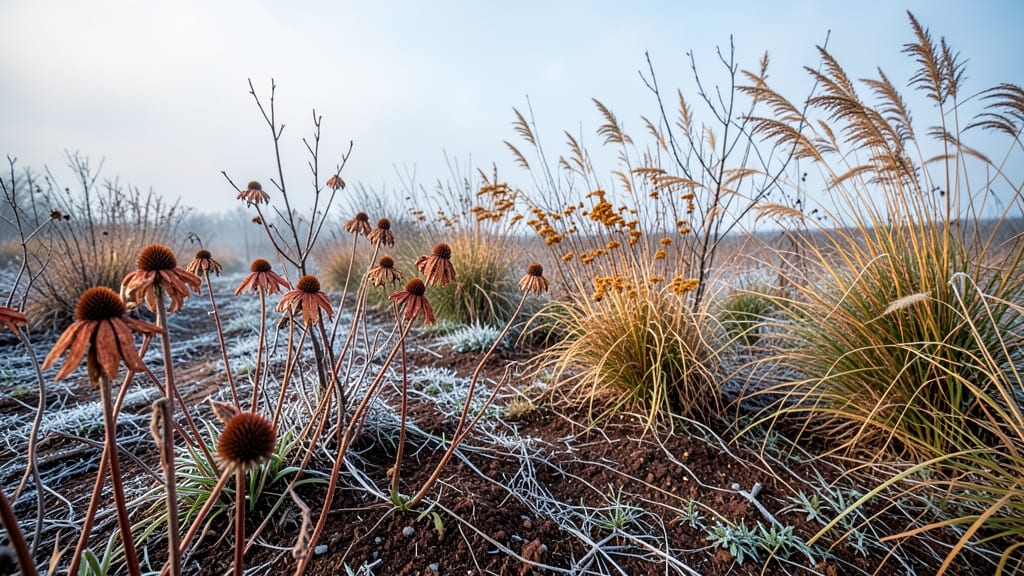
Transform your garden into a vibrant pollinator paradise with these 10 wildflower garden bed ideas. Each design supports bees, butterflies, and hummingbirds while ensuring year-round color and minimal maintenance.
Sunny Meadow Wildflower Meadow Mix
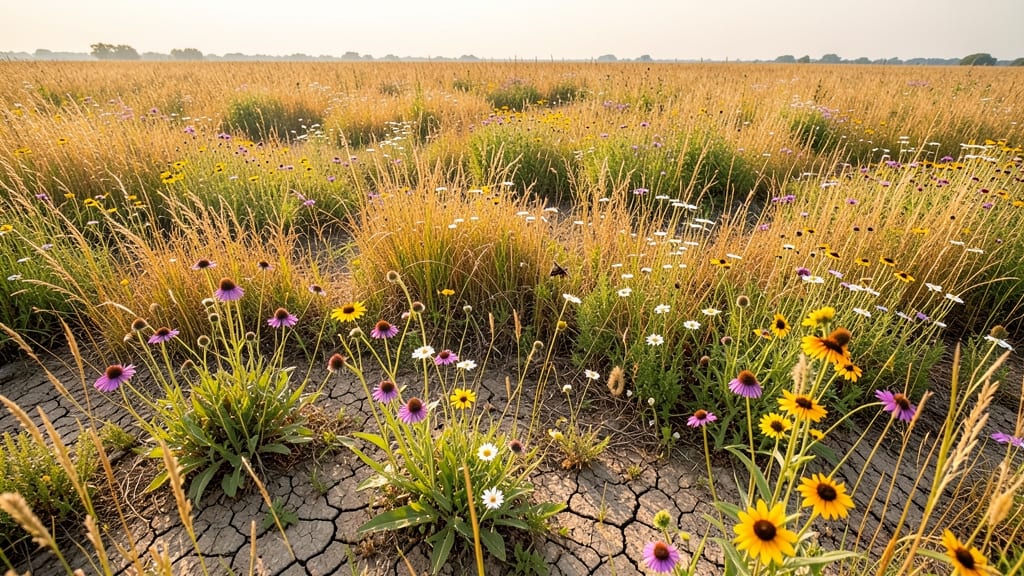
Turn a sun-drenched patch of your property into a low-maintenance prairie paradise with a Sunny Meadow Wildflower Mix. This blend of native species thrives in full sun and poor soil, mimicking the resilience of natural grasslands while attracting pollinators year-round.
Perfect for large open spaces, this mix includes drought-tolerant favorites like black-eyed Susans, purple coneflowers, and little bluestem grasses. Simply scatter seeds over prepared soil, lightly rake, and water occasionally—no fertilizers or amendments needed. The result? A self-sustaining ecosystem that blooms from early summer through fall with minimal effort.
Ideal for landowners with expansive lawns or those seeking a high-impact, zero-fuss garden solution, this mix transforms underutilized spaces into vibrant, wildlife-friendly meadows. 🌻
Butterfly Magnet Cottage Garden
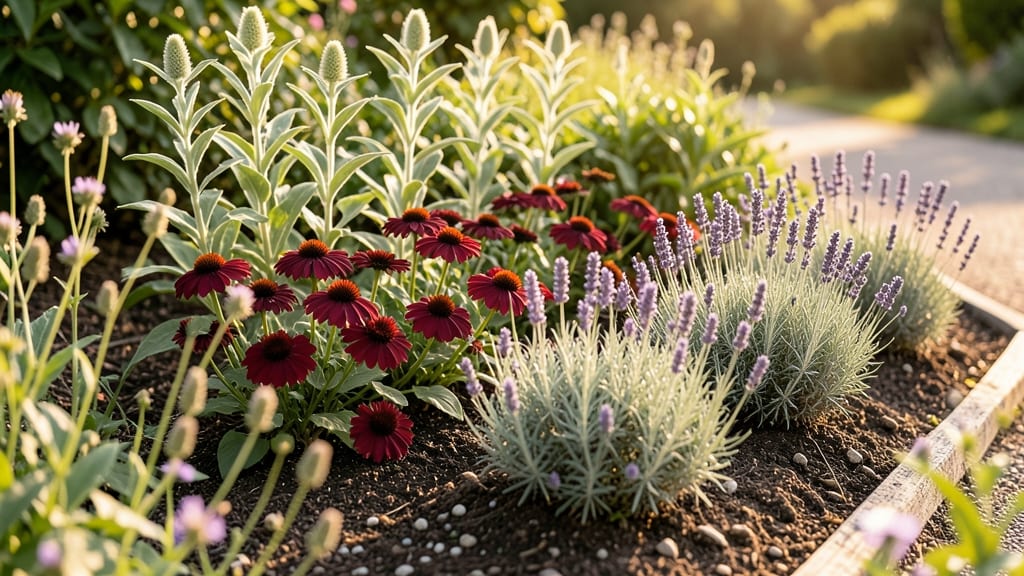
Skip the sprawling meadow—your small garden can still become a butterfly haven with this fragrant, low-maintenance border. Pair milkweed (monarch caterpillar food) with coneflowers and lavender for a sensory-rich space that thrives in partial sun and well-drained soil.
Plant in clusters rather than rows to mimic natural habitats, and intersperse aromatic herbs like thyme or rosemary for extra fragrance and pest resistance. This design requires minimal watering once established—perfect for busy gardeners or urban yards. Swallowtails and other pollinators will visit all season long.
Ideal for cottage-style gardens or small spaces, this border adds year-round charm with its layered blooms and delicate seed heads. Even beginners can create a thriving pollinator paradise with just a few key plants. 🌻
Drought-Tolerant Desert Wildflowers
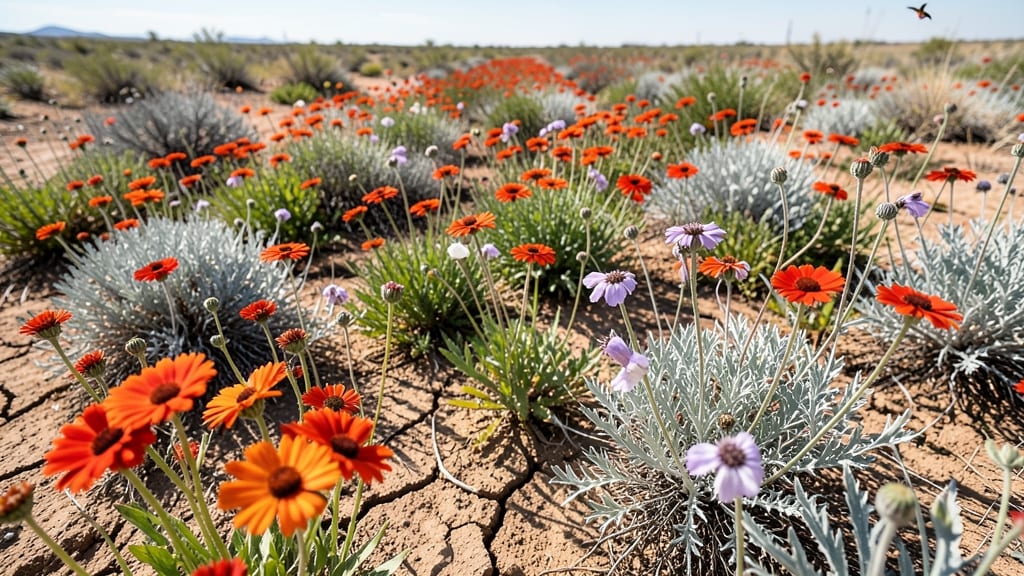
If you live in a dry climate and dread watering bills, drought-tolerant desert wildflowers are your secret weapon. This hardy mix thrives on neglect, featuring blanket flowers (Gaillardia) with fiery red-orange blooms and penstemons (Penstemon) that attract hummingbirds—all while sipping just a few inches of rain annually.
Plant them in well-draining soil with 6+ hours of sun and water deeply only during the first growing season. Once established, they’ll spread effortlessly, forming a colorful ground cover that outcompetes weeds. Succulents like desert spoon (Dasylirion) add architectural texture, while yarrow (Achillea) provides late-summer blooms. This is the ultimate zero-maintenance solution for xeriscaping.
Perfect for urban gardeners with water restrictions or rural properties where irrigation is impractical, these wildflowers prove beauty doesn’t require sacrifice. 🌻
Shade-Loving Woodland Wildflowers
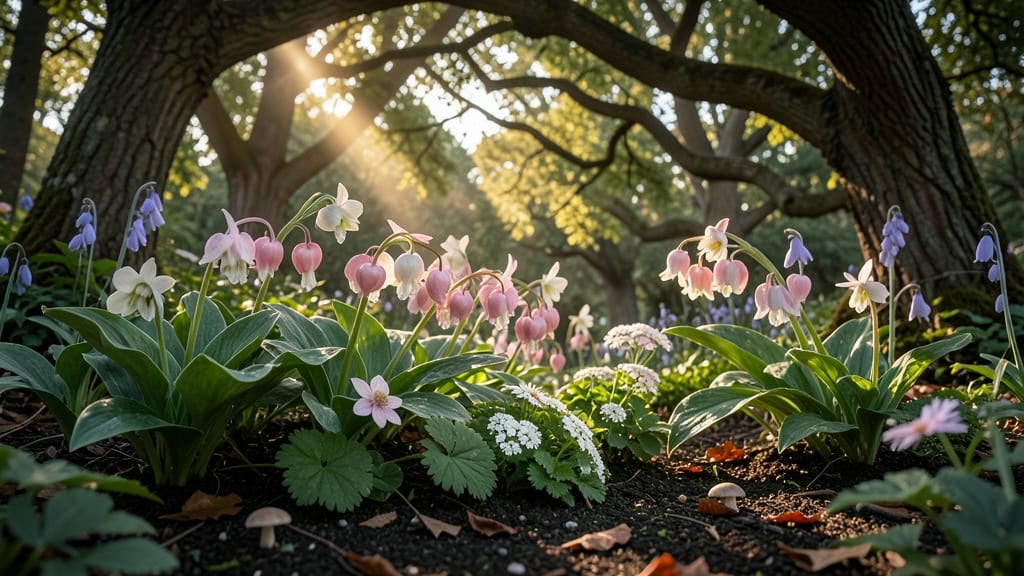
Forget the sun-drenched meadows—your garden’s shady spots can be just as magical with woodland wildflowers that thrive under tree canopies. These delicate blooms, like trilliums and bleeding hearts, transform dim corners into enchanting pollinator hotspots, offering early-season nectar when few other flowers are in bloom.
Plant foamflowers (white, airy blooms) alongside Virginia bluebells for a cascading effect, and add wild ginger for lush ground cover. These species prefer dappled shade and moist, well-draining soil, making them perfect for woodland gardens or the base of mature trees. They’re also low-maintenance once established, requiring only occasional watering and minimal weeding.
This design is ideal for gardeners with limited sun exposure or those seeking to support early-season pollinators like bees and beetles. Plus, their seasonal interest—from spring blooms to autumn seed heads—keeps the garden lively year-round. 🌿
Seasonal Succession Wildflower Border
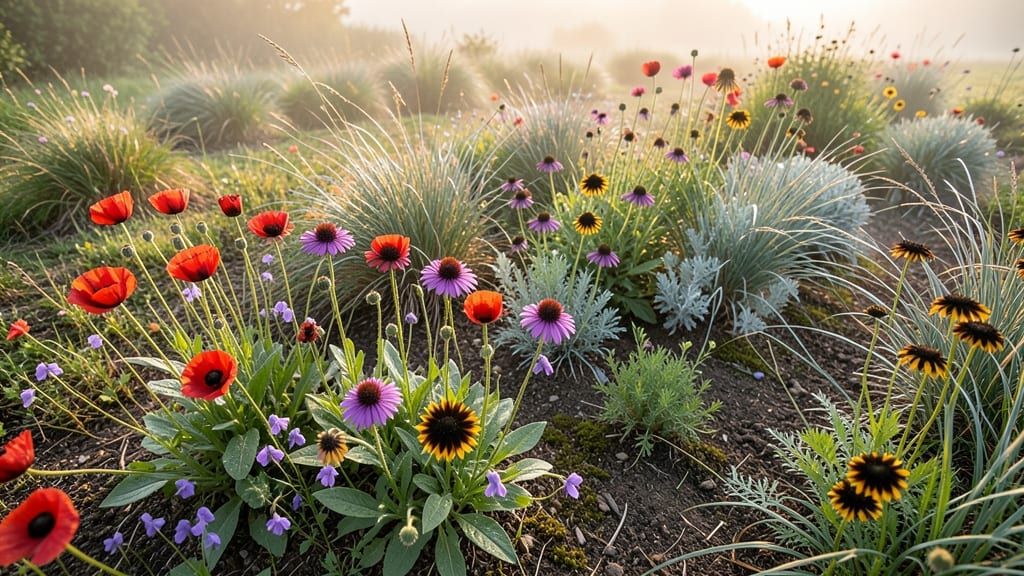
Tired of wildflower beds that bloom for just a few weeks? A seasonal succession border keeps your garden vibrant from spring to fall by strategically layering plants with staggered bloom times. Start with early spring bloomers like poppies and violets, transition to mid-season favorites such as black-eyed Susans and coneflowers, and finish with late-season asters and goldenrods.
Plant in three distinct height layers—tall in back (asters, sunflowers), medium in the middle (cone flowers, bee balm), and low in front (coreopsis, phlox)—to create depth while ensuring every plant gets sunlight. This design thrives in full sun to partial shade and requires minimal maintenance once established, as the dense planting naturally suppresses weeds. The result? A nonstop pollinator buffet that keeps bees, butterflies, and hummingbirds visiting all season long.
Perfect for gardeners who want year-round color without the upkeep of annual replanting, this border is especially rewarding for urban spaces with limited room or for those who love watching their garden evolve through the seasons. 🌿
Pollinator Pond Wildflower Ring
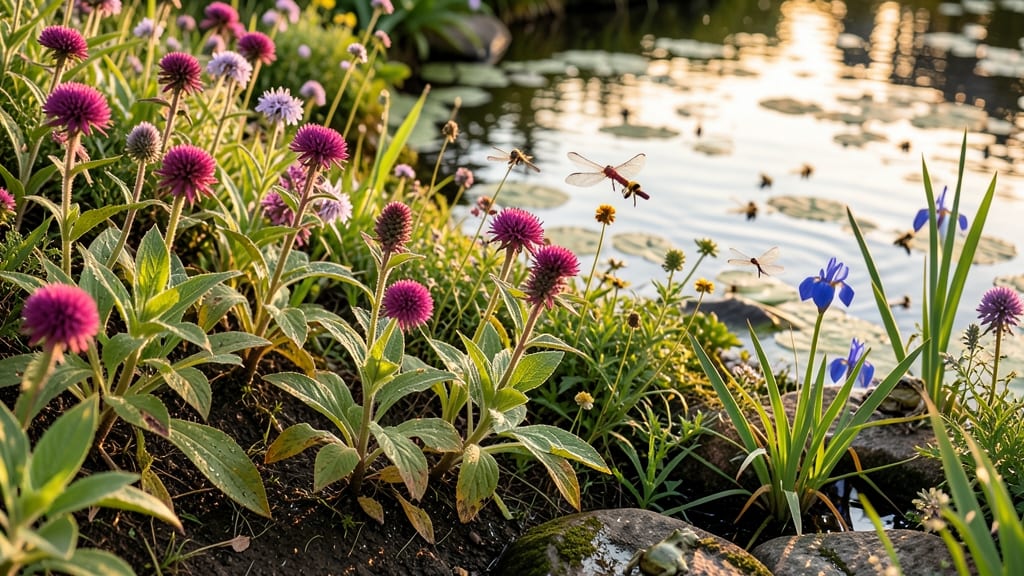
Transform your pond into a thriving ecosystem with a Pollinator Pond Wildflower Ring—where moisture-loving wildflowers like Joe-Pye weed and swamp milkweed create a lush, living border that doubles as a magnet for dragonflies, frogs, and aquatic pollinators.
Plant these native perennials in the moist soil around your pond’s edge, where their deep roots stabilize banks while their tall, colorful blooms (purple, pink, and white) reflect beautifully in the water. Dragonflies will hunt mosquitoes above the flowers, while frogs and toads find shelter in the dense foliage. Add cattails or pickerelweed for extra texture and wildlife appeal—this design requires no extra watering once established, as it relies on natural pond moisture.
Perfect for gardeners with small water features or those eager to boost biodiversity, this ring turns a static pond into a dynamic, self-sustaining habitat that hums with life year-round. 🌿
Edible Wildflower Salad Garden
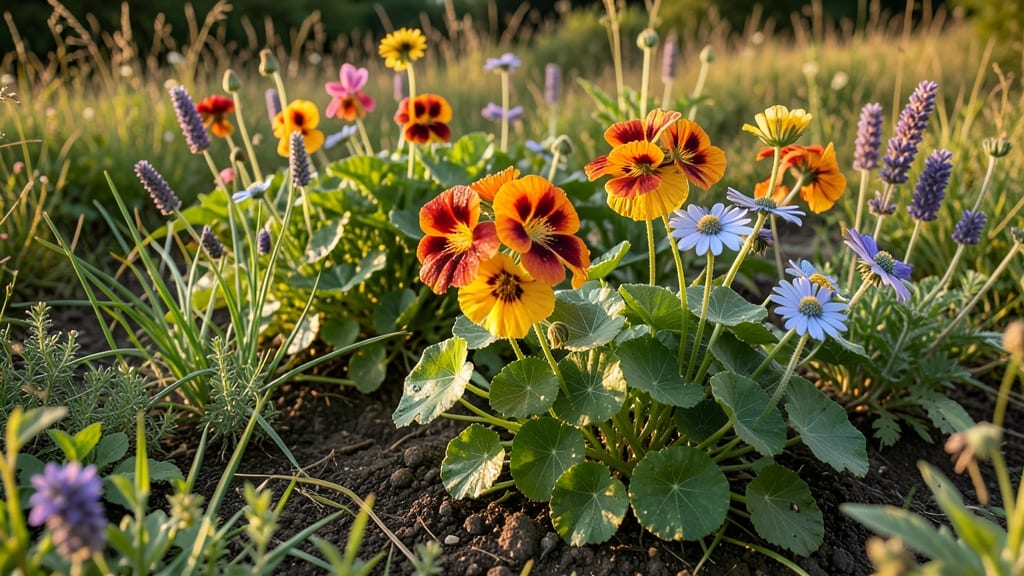
Why settle for a garden that’s just pretty to look at when it can also feed you? An edible wildflower salad garden blends culinary blooms like nasturtiums (peppery, tangy leaves and flowers) and borage (cucumber-flavored blossoms) with pollinator favorites, creating a dual-purpose bed that’s as functional as it is beautiful.
Start with a raised bed or container filled with well-draining soil, then interplant calendula (bright orange petals for salads), chive flowers (onion-garlic flavor), and bee-balming lavender (edible buds and fragrant foliage). Space plants 6–12 inches apart to allow both pollinators and harvesters access. Avoid pesticides—these flowers thrive with light watering and occasional deadheading to encourage more blooms.
Perfect for urban gardeners with limited space or herb enthusiasts who want to expand their harvest, this bed turns every bloom into a meal while keeping bees buzzing. Plus, kids love picking edible flowers straight from the garden! 🌱
Native Prairie Restoration Bed
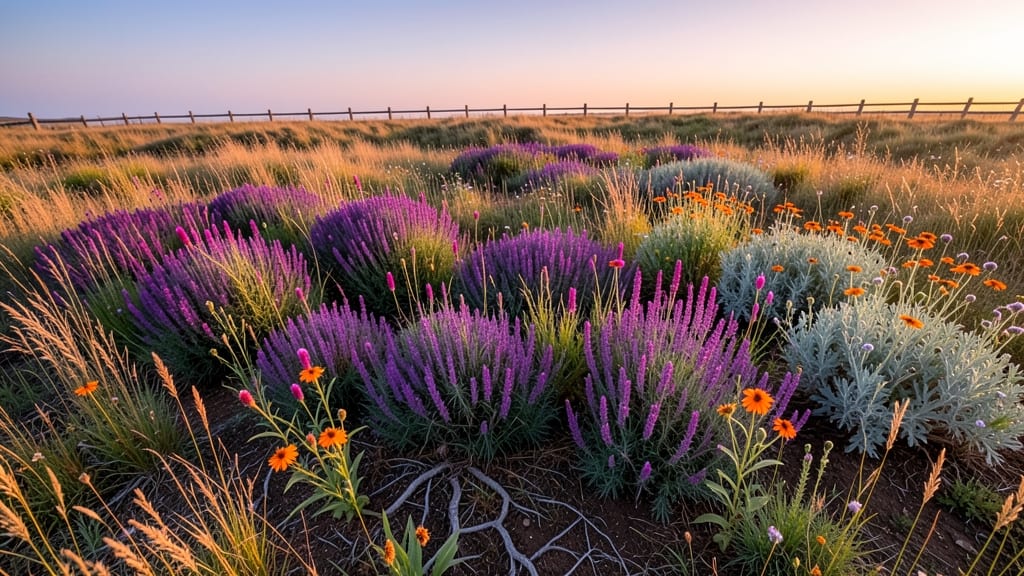
Turn your property into a living conservation project with a Native Prairie Restoration Bed, designed to revive local ecosystems while supporting endangered pollinators like bumblebees and hummingbird moths. Unlike generic wildflower mixes, this bed uses region-specific species—like purple prairie clover and little bluestem grass—that evolved alongside native wildlife, creating a self-sustaining habitat.
Start by removing turfgrass and tilling the soil lightly to break up compaction. Plant a mix of native wildflowers and grasses tailored to your state or ecoregion, ensuring a diversity of bloom times for continuous pollinator support. Water deeply but infrequently to encourage deep root growth, and avoid fertilizers to maintain soil health. Over time, this bed will require almost no maintenance while providing food and shelter for wildlife—making it a legacy project for future generations.
Perfect for landowners with acres of open space or those passionate about rewilding, this design offers both ecological and aesthetic rewards. Every seed planted here helps restore biodiversity in your backyard. ✨
Vertical Wildflower Trellis Garden
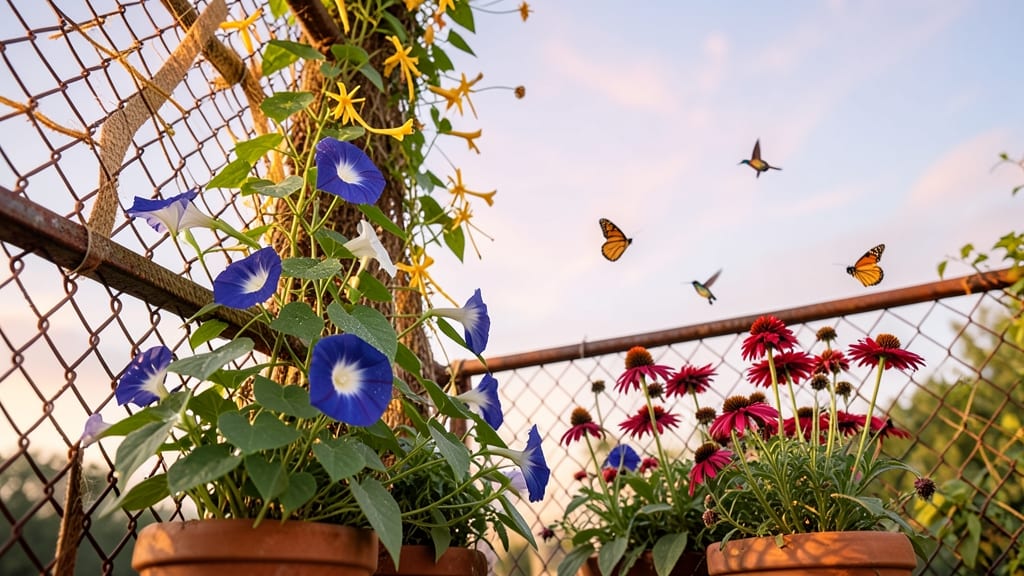
Turn even the tiniest balcony or fence into a pollinator powerhouse with a vertical wildflower trellis garden. This space-saving solution lets morning glories and honeysuckle climb upward, transforming bare walls into lush, living tapestries that hummingbirds and butterflies can't resist. The key is choosing fast-growing vines that thrive in your climate—pair tropical milkweed for monarchs with clematis for late-summer blooms.
Install a sturdy trellis or use existing fences as support, then plant seeds or young vines at the base. Most climbing wildflowers need 6+ hours of sun and well-draining soil, but once established, they require little maintenance beyond occasional pruning to encourage new growth. For extra drama, interplant with sweet peas for early spring color or passionflowers for exotic foliage. This design works perfectly for urban balconies, small patios, or even vertical garden beds against garage walls.
Perfect for renters, city dwellers, or anyone with limited ground space, this approach maximizes your garden's impact while creating a year-round wildlife spectacle. Watch as your trellis becomes a buzzing, fluttering hotspot that neighbors will envy. ✨
Winter-Interest Wildflower Bed

Extend your garden’s beauty beyond summer with a winter-interest wildflower bed that keeps your landscape alive when most plants have gone dormant. By intentionally leaving the seed heads of coneflowers, goldenrod, and ornamental grasses, you create a textured winter wonderland that feeds late-season pollinators and birds while adding architectural interest to cold-season gardens.
Start by planting perennials like purple coneflower (Echinacea) and goldenrod (Solidago) alongside switchgrass (Panicum) or feather reed grass (Calamagrostis) for movement and height. These plants thrive in full sun to partial shade and require minimal care—simply cut back spent foliage in early spring to encourage new growth. The dried seed heads provide food for goldfinches and chickadees, while their upright forms create striking silhouettes against snow or frost.
This design is perfect for gardeners in colder climates who want to maintain visual appeal year-round without the upkeep of traditional winter plants. It’s also ideal for wildlife enthusiasts looking to support pollinators even in the off-season. 🌷