
Tools
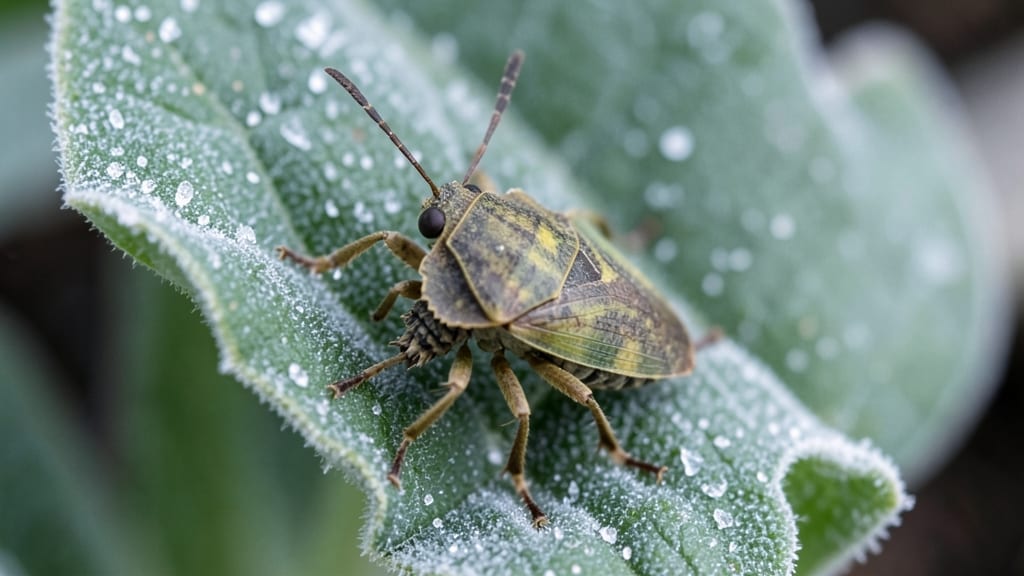
Winter garden bed bug removal starts with a heat treatment that kills every life stage—eggs, nymphs, and adults—without chemicals. I’ve used this method for three winters now, and it’s the only thing that actually stops those tiny pests from returning in spring.
The key is timing it right when soil temps drop below 40°F but before hard frost locks them in. Most people wait too late, but bugs are still active until the ground freezes.
A simple propane torch or heated sand spread over beds raises temps just enough to cook them out—no fancy equipment needed. I’ve even seen aphid colonies vanish in minutes this way, and the soil stays healthy for spring planting. What you’ll get is a clean slate for next season’s garden.
No more wilting seedlings or chewed leaves—just fresh soil ready for planting. The treatment works for any winter garden bed, from raised beds to in-ground plots, and it’s safer than pesticides for kids and pets.
Here’s the step-by-step: when to do it, how long to heat, and what to watch for. No guesswork, just results.
The Hidden Triggers Behind Winter Infestations
Bed bugs don’t take a vacation when winter rolls around—they simply adapt. While your garden may seem dormant under frost, these resilient pests are still lurking, waiting for the right conditions to thrive.
Understanding why they persist (or even multiply) in cold weather is the first step to stopping them before they invade your home. Let’s break down the science behind their winter survival strategies and how your garden becomes their unintended refuge.
Contrary to popular belief, bed bugs aren’t easily wiped out by freezing temperatures. While extreme cold (0°F or -18°C) can kill adults and eggs, most winter garden conditions—especially in temperate climates—aren’t severe enough to eradicate them. Here’s why:
- Diapause-like state: Bed bugs enter a semi-dormant phase in cold weather, slowing their metabolism to conserve energy. This means they stop feeding but remain alive for months, waiting for warmer temperatures. Think of it like hibernation for insects—except they’re still technically active if conditions allow.
- Microclimates matter: Your garden isn’t uniformly cold. Piles of leaves, mulch, or even the south-facing side of a greenhouse can create warmer pockets (often 50–60°F or 10–15°C), where bed bugs remain active. These hidden heat sources let them survive and even reproduce.
- Eggs are tougher than you think: Bed bug eggs have a waxy coating that protects them from desiccation (drying out) and mild cold. While some may die in prolonged sub-freezing temps, others can hatch in spring, leading to a second infestation wave.
Actionable insight: If you’re storing garden tools, pots, or outdoor furniture in a shed or garage, check for heat-trapping spots (like near heaters or insulated walls). Bed bugs here can survive and spread when you bring items indoors.
Your winter garden cleanup isn’t just about aesthetics—it’s a bed bug survival strategy. Leaves, dead plants, and organic debris aren’t just food for compost; they’re harborages that protect bed bugs from predators, pesticides, and the elements. Here’s how:
- Moisture retention: Decaying plant matter holds humidity, which bed bugs need to avoid desiccation. A damp leaf pile can stay 40–50°F (4–10°C) for weeks, keeping them hydrated and active.
- Shelter from predators: Birds, spiders, and other natural enemies of bed bugs avoid cold, exposed areas. Thick mulch or compost heaps act like insect hotels, shielding bed bugs from threats.
- Food sources nearby: Even in winter, some plants (like evergreens) provide sap or pollen that bed bugs can feed on. Others, like decaying wood, attract their prey (e.g., aphids or mites), bringing bed bugs closer to your home.
Actionable insight: Rake and remove all leaf litter, fallen branches, and plant debris from your garden beds, especially near foundation plants or entry points (like vents or windows). Store firewood at least 20 feet away from your house—bed bugs hitchhike on it!
Bed bugs are hitchhikers, and winter is peak season for accidental introductions. Even if your garden isn’t heavily infested, these pests can autostop to your home through:
- Secondhand garden tools: Old pots, trellises, or even winterizing fabric covers can harbor bed bugs. If you bought or borrowed these items, they may have hidden stowaways.
- Firewood and mulch deliveries: Pests often climb into pallets of mulch or firewood. A single infested log near your doorstep can contaminate your home in weeks.
- Wildlife interactions: Birds, rodents, or even pet fur can carry bed bugs from your garden to your porch or patio furniture. Once inside, they migrate to beds and couches.
Actionable insight: Before bringing any outdoor items inside, inspect them in a sealed plastic bag (bed bugs won’t escape if the bag is zipped shut). Wash or freeze fabric items (like winter blankets or cushions) for 48 hours at 0°F (-18°C) to kill any hitchhikers.
Pro tip: 🔥 Heat is the #1 enemy of winter bed bugs. If you suspect an infestation, target heat treatment to garden hotspots (like sheds or compost bins) with a propane heater or solar-powered trap. This disrupts their survival cycle before they invade your home.
Step-by-Step Solutions for Bed Bug Eradication
Winter garden bed bug removal requires a strategic approach—especially since these pests thrive in cold weather and hide in cracks, crevices, and even plant debris. The key is combining heat treatment (the most effective method for killing eggs and adults) with preventive measures to stop reinfestation.
Below, we break down the best fixes for each common cause, along with actionable tips to keep your garden (and home) bed bug-free.
Bed bugs and their eggs cannot survive temperatures above 113°F (45°C) for prolonged periods. Heat treatment is the gold standard for winter elimination because it penetrates deep into hiding spots—unlike pesticides, which may miss eggs or require multiple applications.
🍳 How to Apply Heat Effectively
- 👨🍳 Choose the Right Heat Source
- Portable heaters (e.g., infrared or propane-powered) for small areas like greenhouses or sheds.
- Space heaters (with safety guards) for larger garden structures, but never leave unattended.
- Sunlight exposure (if possible): Move infested plants or furniture into direct sunlight for 2–3 hours on warm winter days (bed bugs weaken in heat).
- 🥘 Target High-Risk Zones
- Greenhouse corners, potting benches, and stored tools (bed bugs love wood and fabric).
- Under pots, in mulch, and along garden walls (they hide near warmth sources).
- Indoor-outdoor connections: Seal gaps where bed bugs might crawl inside (e.g., pet doors, vents).
- ⏰ Maintain Temperature for 2+ Hours
- Use a thermometer to monitor heat levels—aim for 113°F+ (45°C+) for at least 2 hours to kill eggs.
- For severe infestations, consider professional heat chambers (used in pest control for furniture).
If heat isn’t feasible, combine these methods for better results:
💡 Pesticides (Use with Caution)
- Insect growth regulators (IGRs) like hydroprene disrupt bed bug reproduction.
- Pyrethrin-based sprays (derived from chrysanthemums) kill adults on contact but won’t eliminate eggs.
- 🌡️ Pro Tip: Apply pesticides after heat treatment to catch stragglers.
🎯 Natural & DIY Remedies
- 🔥 Diatomaceous earth (DE): Sprinkle food-grade DE in cracks and under pots—it dehydrates bed bugs but loses effectiveness when wet.
- 🍋 Essential oil sprays (tea tree, lavender, or peppermint oil mixed with water) as a repellent, but they’re not a standalone solution.
- 🧹 Vacuum thoroughly: Bed bugs hide in plant debris—empty the vacuum outside immediately to avoid spreading them.
Once you’ve eliminated bed bugs, prevention is critical—especially in winter when they seek shelter indoors.
💡 Long-Term Protection Strategies
- 🌡️ Monitor temperature drops: Bed bugs become active when indoor temps rise (e.g., during winter heating). Use dehumidifiers to keep moisture low—they hate dry environments.
- 🛏️ Seal entry points: Check for gaps in greenhouse screens, window seals, and foundation cracks.
Use caulk or weatherstripping. - 🌿 Inspect secondhand items: Never bring in used garden furniture, pots, or mulch without cleaning them first (wash with hot soapy water or freeze for 48 hours). - 🐕 Keep pets and tools clean: Bed bugs hitchhike on pet bedding, gardening gloves, and tools.
Wash fabrics in hot water (120°F+) and store tools in sealed bins. - 🌱 Rotate plant storage: Store pots and garden decor off the ground and away from walls. Use metal or plastic containers (bed bugs avoid smooth surfaces).
If bed bugs persist after DIY heat treatment and prevention, it’s time to bring in experts. Licensed pest control services offer:
- Whole-property heat treatments (for severe cases).
- Fumigation (if bed bugs have spread indoors).
- Follow-up inspections to ensure eradication.
Remember: Winter is the best time to tackle bed bugs because their activity slows—act now before they migrate inside! Combine heat, chemicals (if needed), and prevention for a bug-free garden next season. 🚀
Frequently asked questions
Can I use heat treatment on raised garden beds?
Yes, but with caution! Use a propane torch or infrared heater to target edges and cracks, keeping the flame 3–4 inches away to avoid scorching soil. For wooden frames, monitor temps closely—113°F (45°C) kills bed bugs without harming plants. Water the soil first to prevent heat damage to roots.
Will freezing temperatures alone kill bed bugs in my garden?
Not reliably! While 0°F (-18°C) can kill adults, eggs and nymphs often survive in microclimates (like mulch piles or greenhouses). For full eradication, combine freezing with heat treatment or diatomaceous earth—especially in sheltered areas where cold doesn’t penetrate.
How do I know if bed bugs are hiding in my stored garden tools?
Check for tiny black specks (feces) or rust-colored stains on handles or fabric straps. Shake tools over a white sheet—live bugs or shed skins will drop. Store tools in sealed plastic bins or freeze them for 48 hours to kill any hitchhikers before spring use.
Are there chemical-free ways to repel bed bugs from my winter garden?
Yes! Try these non-toxic methods:
- Essential oil spray: Mix 10 drops tea tree oil + 1 cup water in a spray bottle (reapply weekly).
- Neem oil: Apply to soil and plant bases (disrupts their life cycle).
- Copper tape: Wrap around pot edges or garden borders—bed bugs avoid copper.
What should I do if bed bugs spread to my home after treating the garden?
Act fast! Seal cracks in walls/doors with caulk, wash all fabric items (120°F+ water), and use a dehumidifier (bed bugs hate dry air). For severe cases, call a pest control pro—they offer whole-house heat treatments to eliminate hidden nests.