
Advice
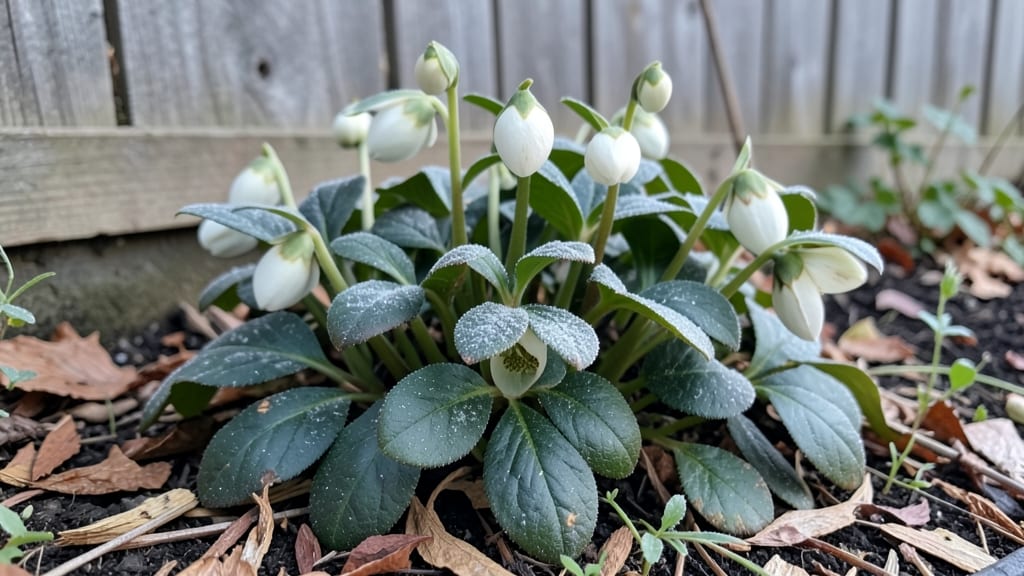
A winter garden bed can keep your kitchen stocked even when snowflakes start falling 🌱—no greenhouse or fancy setup required.
Cold weather doesn’t have to mean empty garden beds—with the right planning, your winter garden can thrive and even outproduce your summer harvests. I’ve grown kale through January in Zone 6a and harvested spinach in March when most gardens are still dormant.
Most gardeners think winter means hibernation, but the secret is choosing the right crops—like hardy greens, root vegetables, and overwintering herbs—that actually prefer cooler temps. A little mulch, a smart planting schedule, and a few protective tricks can turn your garden into a year-round food source.
In this guide, I’ll show you exactly which crops to plant, how to prep your soil for winter success, and the three biggest mistakes that kill winter harvests before they start.
Best cold-hardy crops for winter garden beds
Winter gardening isn’t just about survival—it’s about harvesting fresh, nutrient-packed produce when most gardens lie dormant. The key lies in selecting cold-hardy crops that not only tolerate frost but thrive in chilly conditions.
With the right varieties, you can enjoy kale, spinach, carrots, and garlic even when snowflakes start falling. These plants don’t just survive winter; they grow sweeter and more flavorful in cooler temperatures.
One of my favorite winter crops is garlic, which actually needs cold exposure to form bulbs. Plant cloves in fall (October-November) for a summer harvest, and they’ll overwinter beautifully.
Meanwhile, leafy greens like spinach and kale grow faster in cool weather, giving you a continuous harvest from late fall through early spring. Even root vegetables such as carrots and beets store well in the soil, maturing slowly as temperatures drop.
The secret to success? Timing and protection. Most winter crops should be planted 4-6 weeks before your first frost, allowing them to establish roots before cold sets in.
Use row covers or cold frames to shield tender varieties from harsh freezes, and always mulch heavily to insulate soil and roots. With these strategies, your winter garden can be just as productive as your summer one.
Let’s dive into the top cold-hardy crops for your winter garden, including their planting times, temperature tolerances, and yield expectations. This summary table will help you plan like a pro: