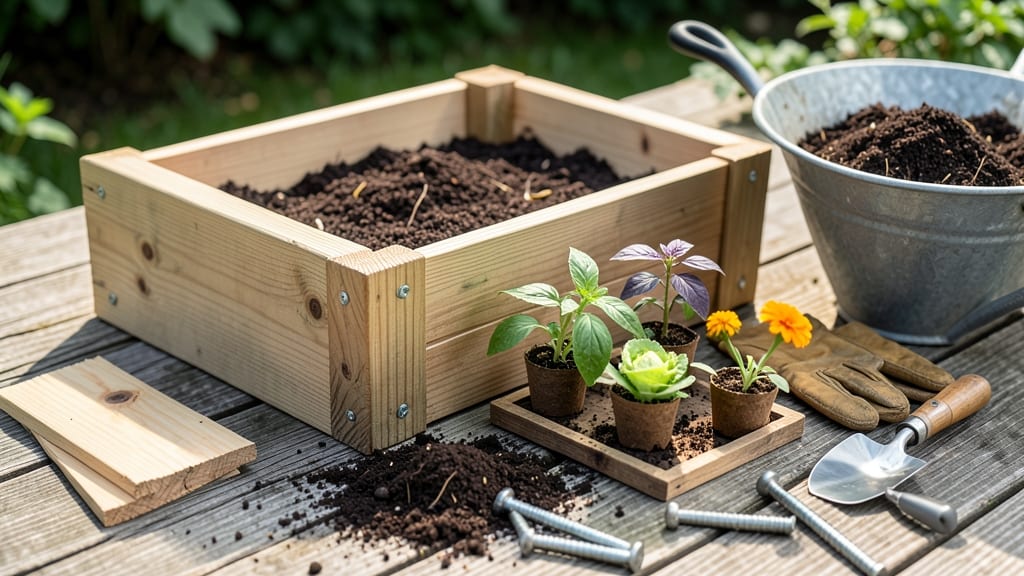
Buying guide: how to choose the right wood raised garden bed kits
1. Material Selection 💡
The material of your raised garden bed kit determines its durability, maintenance needs, and even safety for edible plants. Cedar is my top recommendation for its natural rot resistance and aromatic properties that deter pests—perfect for veggie gardens. Redwood is another premium choice, offering superior weather resistance but at a higher cost.
For budget-friendly options, pine (especially pressure-treated) is widely available, though it requires more frequent sealing to prevent warping. Composite wood is a low-maintenance alternative, though it lacks the natural aesthetic. Counter-intuitively, avoid untreated woods like oak or maple—they absorb moisture and rot quickly.
If growing edibles, ensure the wood is food-safe and free from harmful chemicals.
2. Size and Portability ⚡
Size matters more than you’d think—4x8 feet is the sweet spot for most gardeners, offering ample space for a variety of plants while fitting neatly into backyards. However, if you’re working with limited space, a 2x4-foot or 3x6-foot kit is ideal for herbs, lettuce, or small veggie patches.
For portability, lightweight kits (like those with pine or composite materials) are easier to move, while heavier cedar or redwood beds need permanent placement.
Pro tip: If you plan to rotate crops or move the bed seasonally, opt for a kit with detachable sides or wheelbarrow handles—these features add minimal cost but save hours of effort later.
3. Assembly Complexity ✅
Pre-assembled kits are designed to skip the hassle, but some still require basic tools like a screwdriver or drill. Look for kits with pre-drilled holes or interlocking corners—these typically assemble in under 30 minutes without tools.
Mid-range options often include corner brackets that snap together, while budget kits might need a few screws. Avoid kits that require custom cutting or complex hardware unless you’re comfortable with DIY projects.
In my experience, the easiest kits to assemble are those with pre-attached hardware or snap-fit designs, making them perfect for beginners or weekend gardeners.
4. Drainage and Lining 🔍
Poor drainage is the silent killer of raised garden beds—waterlogged soil leads to root rot and stunted growth. Always check for pre-cut drainage holes in the kit’s design, and consider adding a gravel layer (2–3 inches) at the bottom before filling with soil.
Many premium kits include landscape fabric or weed barriers, which are a game-changer for suppressing weeds and retaining moisture. If your kit doesn’t include lining, invest in a heavy-duty weed barrier separately—it’s a small cost for big results.
For container-specific plants like strawberries or herbs, ensure the bed has adequate depth (at least 6–12 inches) to accommodate root growth.
5. Climate and Maintenance 🛡️
Your local climate dictates the lifespan and upkeep of your raised bed. In humid or rainy regions, cedar or redwood kits hold up best, while dry climates can extend the life of pine or composite beds.
Plan for seasonal maintenance: cedar and redwood need minimal upkeep, but pine and pressure-treated wood may require annual sealing to prevent cracking.
If you’re in a windy area, opt for kits with reinforced corner brackets or additional bracing—some premium kits even include edging trim to prevent soil spillage. For year-round gardening, consider adding a clear lid or shade cloth (sold separately) to protect plants from extreme weather.
6. Budget vs. Longevity 💰
Entry-level kits start at affordable pricing, but they often sacrifice durability for cost savings. Mid-range options (like cedar or redwood) strike the best balance—investing a bit more upfront can save you from replacing beds every few years.
High-end kits may include extras like landscape fabric, hardware, or extended warranties, which add value over time. Ask yourself: Will you use this bed for 5+ years? If so, splurge on rot-resistant materials like cedar or redwood.
For short-term or trial projects, a budget-friendly pine kit is a smart starter. Remember, the total cost of ownership (including soil, plants, and maintenance) often outweighs the initial price of the kit.
Frequently asked questions
Q: What types of wood are best for wood raised garden bed kits?
1
Cedar
and redwood are my top recommendations for their natural rot resistance and durability. Cedar also has a pleasant aroma that deters pests, making it ideal for veggie gardens. For a budget-friendly option, pressure-treated pine is widely available but requires more frequent sealing. Avoid untreated woods like oak or maple—they absorb moisture and rot quickly. If growing edibles, always choose food-safe, chemical-free wood to ensure your harvest remains uncontaminated.
Q: How long does it take to assemble a pre-assembled wood raised garden bed kit?
Most kits take under 30 minutes to assemble, especially those with pre-drilled corner brackets or interlocking corners. The easiest kits require no tools at all, while others may need a screwdriver or drill. I recommend checking the product description for assembly time estimates—some mid-range kits include snap-fit designs that make setup a breeze, even for beginners. Always lay out the pieces first to ensure a smooth process.
Q: Are wood raised garden bed kits safe for growing vegetables?
Yes, as long as you choose food-safe wood like cedar, redwood, or pressure-treated pine labeled for vegetable gardens. Avoid kits treated with CCA (chromated copper arsenate), as this chemical is toxic. Always check the manufacturer’s guidelines—some kits include liners or weed barriers that are safe for edibles. For extra peace of mind, line the bed with landscape fabric before adding soil to prevent direct wood-soil contact.
Q: What’s the difference between a budget-friendly and premium raised garden bed kit?
A budget-friendly kit typically uses pine or composite materials, offering affordable pricing but requiring more maintenance (like sealing). Premium kits, such as those made from cedar or redwood, last longer with minimal upkeep and often include extras like landscape fabric or heavy-duty hardware. Budget kits are great for small spaces or short-term projects, while premium options are ideal for year-round gardening or large-scale planting. Consider your long-term goals—an investment in durability often pays off over time.
Q: How do I extend the lifespan of my wood raised garden bed kit?
To maximize durability, seal or stain your bed annually (especially pine or pressure-treated wood). Place it on a level, stable surface to prevent warping, and avoid direct ground contact to reduce moisture absorption. For humid climates, cedar or redwood kits hold up best. If your kit includes landscape fabric, replace it every 2–3 years to maintain weed suppression. Elevating the bed slightly with bricks or pavers can also improve airflow and longevity.
Q: Can I move a wood raised garden bed kit after assembly?
Lightweight kits (like those made from pine or composite materials) are easier to move, but heavier beds (cedar or redwood) should stay in place. If you need portability, look for kits with detachable sides or wheelbarrow handles. For permanent beds, ensure the base is level and stable. Moving a fully assembled bed risks damaging the wood or hardware—if mobility is a priority, opt for a kit designed with modular or foldable components from the start.
Q: What’s the best soil mix for a wood raised garden bed kit?
Use a high-quality potting mix or garden soil blended with compost (60% soil, 30% compost, 10% perlite or sand) for optimal drainage and nutrient retention. Avoid garden soil alone—it compacts easily and can lead to poor aeration. For container-specific plants like herbs or strawberries, add a layer of gravel at the bottom (2–3 inches) to improve drainage. Top with 2–3 inches of mulch to retain moisture and suppress weeds.