
Flowers
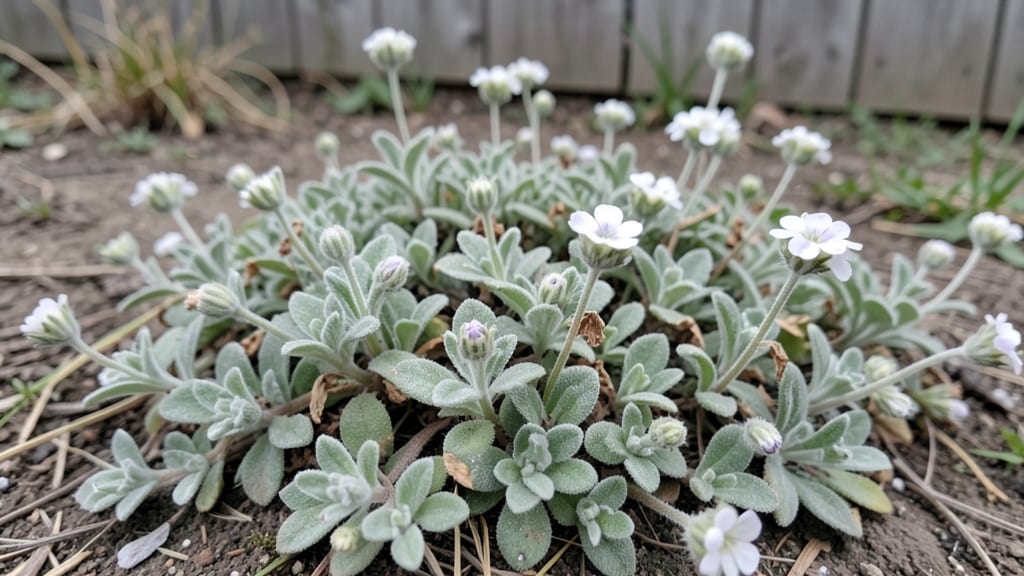
Designing an alyssum flower bed 🌸 transforms a patch of soil into a fragrant, buzzing paradise that needs almost no effort to maintain.
Imagine a flower bed that not only thrives with minimal effort but also fills your garden with sweet fragrance and attracts pollinators by the dozens—this is the magic of alyssum. Whether you're designing a vibrant ground cover or a pollinator-friendly haven, alyssum is the unsung hero of low-maintenance beauty.
What makes alyssum so special? It’s the perfect blend of easy care and stunning visuals, blooming from spring to fall with minimal fuss. With its delicate clusters of white, pink, or purple flowers, it adds a touch of elegance while keeping your garden lively and buzzing with bees and butterflies.
In this guide, I’ll show you how to create a thriving alyssum flower bed, from choosing the right varieties to pairing it with complementary plants for a year-round display. Let’s get started!
How to create a thriving alyssum flower bed: planting and care tips
Alyssum is one of the easiest fragrant flowers to grow, making it perfect for busy gardeners who still want a pollinator magnet. Its delicate clusters of tiny blooms create a sea-of-color effect that cascades beautifully over edges or fills gaps between other plants.
The key to a thriving alyssum flower bed lies in proper soil preparation, strategic plant spacing, and consistent—yet not excessive—watering routines. Let’s break down the essential steps to ensure your alyssum stays lush, fragrant, and blooming from spring until frost.
Before you even think about planting, your soil health is the foundation of success. Alyssum thrives in well-draining soil with a slightly alkaline pH (6.0-7.0).
If your garden soil is heavy clay or overly acidic, amending it with compost and a handful of lime (for acidity) will create the ideal growing conditions. Test your soil first—most garden centers offer affordable pH test kits that take just minutes.
For container gardening, use a lightweight potting mix with perlite to prevent root rot.
Step-by-Step Alyssum Flower Bed Guide
- 🌱 Step 1: Choose Your Location
Select a spot with full sun (6+ hours daily). Alyssum tolerates partial shade but will bloom more prolifically in sunny conditions. Avoid low-lying areas where water pools after rain.
- 🌿 Step 2: Prepare the Soil
Loosen soil to a depth of 12 inches and mix in 2-3 inches of compost. For sandy soil, add peanut hulls or coconut coir to retain moisture. Rake the area smooth to create an even planting surface.
- 📏 Step 3: Plan Your Spacing
Space plants 8-12 inches apart for a full, lush look. For edging or containers, reduce spacing to 6 inches. Overcrowding leads to poor air circulation, increasing the risk of fungal diseases.
- 🌱 Step 4: Plant Your Alyssum
Dig holes twice as wide as the root ball and place plants at the same depth as their containers. Gently firm soil around roots and water deeply to settle them in. For containers, use well-draining pots with drainage holes.
- ☀️ Step 5: Water Wisely
Water deeply 2-3 times per week in warm weather, aiming for 1 inch of water total. Avoid wetting foliage to prevent powdery mildew. Mulch with straw or shredded bark to retain moisture and suppress weeds.
- 🌸 Step 6: Fertilize Lightly
Use a balanced fertilizer (5-10-10) every 4-6 weeks during the growing season. Over-fertilizing causes leggy growth and fewer blooms. In containers, use half-strength fertilizer to avoid salt buildup.
- ✂️ Step 7: Prune for Fullness
Trim back spent blooms regularly to encourage continuous flowering. After the first frost, cut plants back by half their height to promote fresh growth in spring. Wear gloves—alyssum can be slightly hairy!
- 🐝 Step 8: Attract Pollinators
Plant companion flowers like lavender, marigolds, or thyme nearby to extend the pollinator season. Alyssum’s sweet fragrance draws bees, butterflies, and hoverflies, making your garden a buzzing paradise.
One of the most common mistakes I see with alyssum is overwatering, which leads to root rot and leggy stems. This hardy plant is surprisingly drought-tolerant once established, so let the top inch of soil dry out between waterings.
If your alyssum starts looking stretched and sparse, it’s often a sign of insufficient light or overcrowding. In this case, thin out plants or move the bed to a sunnier location.
Pests are rarely an issue with alyssum, but aphids or caterpillars may occasionally munch on the leaves. Blast them off with a strong stream of water or introduce ladybugs as natural predators.
For severe infestations, use neem oil—it’s gentle on plants and effective against soft-bodied pests. Always apply neem oil in the early morning to avoid harming beneficial pollinators.
Seasonal care is minimal but makes a big difference. In spring, remove any winter-damaged foliage and add a light layer of compost to refresh the soil. During summer, increase watering slightly if temperatures exceed 90°F, but avoid soggy soil.
In fall, let the plants go dormant naturally—no need to cut back until after frost. With these simple steps, your alyssum flower bed will reward you with years of fragrant blooms and happy pollinators.
Pro tip: For a year-round display, interplant alyssum with winter-blooming pansies or spring bulbs like crocuses. This creates a sequential bloom that keeps your garden vibrant from early spring to late fall.
The best part? Alyssum’s self-seeding habit means you’ll likely have volunteer plants popping up year after year—just thin them out to maintain your desired spacing.
Best alyssum varieties for pollinator-friendly flower beds
Alyssum isn't just one plant—it's a family of fragrant, pollinator-magnet blooms that come in stunning varieties. The most popular types for flower beds include Sweet Alyssum (Lobularia maritima), its hardy winter varieties, and hybrid cultivars bred for extended bloom times.
Each brings unique colors, fragrances, and growing habits to your garden, making them perfect for containers or sprawling ground covers.
If you're designing a pollinator-friendly flower bed, choosing the right alyssum variety can mean the difference between occasional bee visits and a constant buzzing paradise. Some varieties thrive in hot summer sun, while others prefer cooler, coastal climates.
Let’s explore the top picks to help you decide which alyssum will transform your garden into a pollinator hotspot.
For containers and hanging baskets, compact varieties like 'Violet Queen' or 'Estiva Compacta' shine. Their dense growth habit and bright colors create stunning cascades, while their sweet fragrance draws pollinators right to your patio.
If you're planting a large flower bed, opt for sprawling types like 'Snow Crystal' or winter-hardy 'Winter Wonderland' to ensure year-round interest.
Don’t overlook color coordination—pairing purple alyssum with lavender or blue salvia creates a soothing, cohesive look, while white varieties contrast beautifully with deep reds or oranges. The key is to mix textures and heights for a dynamic, pollinator-friendly display that keeps your garden buzzing all season.
My top recommendation? Start with 'Snow Crystal' for a low-maintenance, high-impact ground cover that thrives in full sun or partial shade. Add 'Violet Queen' to containers for a fragrant pop of color, and include 'Winter Wonderland' if you want early spring blooms before other flowers emerge.
With these varieties, your alyssum flower bed will be a pollinator magnet from spring to frost.