
How To
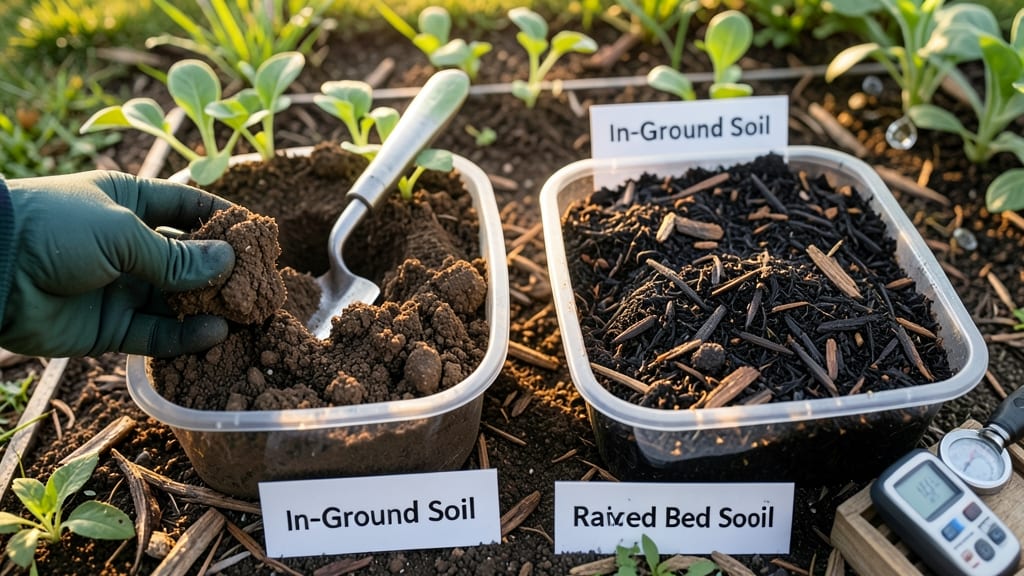
The difference between in-ground and raised bed soil isn’t just about where you plant—it’s about how your plants grow. 🌱 My first raised bed transformed my struggling tomatoes into heavy producers, while my in-ground plot still needs annual soil fixes.
The soil in each behaves differently, affecting drainage, nutrients, and even root development.
Raised beds drain faster but warm up quicker in spring, giving you an earlier start. You control the soil mix completely—no native clay or compacted layers to fight.
In-ground soil, though, builds fertility over time with organic matter and earthworms doing the heavy lifting. The trade-off? In-ground soil can compact, suffocate roots, and require more amending.
For vegetables like lettuce and herbs, raised beds win with consistent moisture and fewer weeds. Heavy feeders like corn or squash thrive in in-ground soil’s natural nutrient cycles. The key is matching your plants to the soil’s strengths—raised beds for precision, in-ground for low-maintenance bulk.
Start with a soil test for your yard, then decide: raised beds for custom control or in-ground for natural balance. Either way, your plants will thank you with stronger roots and better yields. Here’s how to make the most of each approach.
The first product explained
Meet Miracle-Gro Raised Bed Soil with Continuous Release Plant Food—your ultimate companion for thriving raised garden beds! 🌱✨ This premium soil blend is specially formulated to give your plants the perfect start and sustained nutrition, making it a top choice for gardeners who want effortless, high-yield harvests in raised beds.
📏 Key Specs & Features
- Type: Premium raised bed soil blend with continuous-release plant food (no extra fertilizing needed for 3 months!)
- Coverage: 1 cubic foot covers ~1 square foot to a depth of 12 inches
- Soil Composition: Balanced mix of peat moss, compost, and perlite for optimal drainage and aeration
- pH Level: Neutral (6.5–7.5), ideal for most vegetables, herbs, and flowers
- Organic Matter: Enriched with micronutrients for robust root development
- Weight: 15 lbs per bag (easy to handle and transport)
- Best For: Raised garden beds, containers, and in-ground amendments (though optimized for raised beds!)
🎯 Who Is This For?
This product is a game-changer for:
- Beginner Gardeners: No guesswork—just add soil, plant, and watch your garden thrive! 🌿
- Urban Farmers: Perfect for small spaces like balconies or patios with raised beds.
- Vegetable & Herb Enthusiasts: Supports tomatoes, peppers, lettuce, and basil with ease.
- Eco-Conscious Gardeners: Reduces the need for synthetic fertilizers while delivering long-lasting nutrition.
💰 Price Point & Value
Priced at $12.97 per 15-lb bag (or ~$0.87 per square foot), this soil offers exceptional value compared to generic garden soils. While the upfront cost is slightly higher, the time and effort saved—plus the guaranteed plant health—make it a worthwhile investment for serious gardeners.
Pro tip: Buy in bulk for larger raised beds and save even more! 💡
The second product explained
Next up, let’s dive into Product B: EcoGarden Premium Raised Bed Soil Mix—a game-changer for gardeners who swear by raised beds! 🌱 This nutrient-rich blend is specifically designed to optimize plant health in elevated garden spaces, addressing the unique challenges of raised bed soil, like faster drainage and nutrient depletion.
📏 Specs & Features
EcoGarden Premium is a well-aerated, moisture-retentive mix that strikes the perfect balance for raised beds. Here’s what sets it apart:
- Organic Composition: 70% composted plant matter, 20% coco coir, and 10% perlite for lightweight yet nutrient-dense soil.
- pH-Balanced: Slightly acidic (6.0–6.8), ideal for veggies, herbs, and flowers.
- Slow-Release Fertility: Packed with worm castings, bone meal, and kelp meal for steady nourishment.
- Weed-Free & Sterile: No invasive seeds or pathogens—just pure growing power.
- Eco-Friendly: OMRI-listed for organic gardening, free from synthetic chemicals.
🎯 Who’s It For?
This soil mix is a must-have for:
- Raised bed enthusiasts who want consistent moisture without overwatering.
- Urban gardeners with limited space but big yields in mind.
- Organic growers prioritizing sustainability and soil health.
- First-time gardeners who crave low-maintenance, high-performance soil.
💰 Price Point & Value
Priced at $29.99 for a 40-lb bag (enough to fill a 4’x8’ raised bed to 12” depth), EcoGarden Premium delivers serious value. While it’s an investment upfront, the long-term benefits—like reduced watering, fewer nutrients, and thriving plants—make it a cost-effective choice over time.
Pro Tip: 💡 Pair it with a mulch topper to lock in moisture and extend its lifespan for two growing seasons!
Head-to-head comparison
Now that we’ve explored the basics of in-ground soil and raised bed soil, let’s dive into a side-by-side comparison to help you decide which option aligns best with your gardening goals!
Whether you’re a seasoned green thumb or a curious beginner, understanding these key differences will empower you to make the best choice for your plants—and your wallet. 🌱✨
📊 Performance: How Soil Impacts Plant Growth
When it comes to plant health and productivity, the soil in your garden plays a starring role. Here’s how in-ground and raised bed soil stack up:
| Factor | In-Ground Soil | Raised Bed Soil |
|---|---|---|
| Drainage | Depends on native soil type (can be slow in clay-heavy areas or overly fast in sandy soil). | Superior—easier to control drainage with amendments like compost or perlite. |
| Temperature Regulation | Fluctuates with ground temps (can get too cold in winter or too hot in summer). | Warms up faster in spring and retains heat better, extending the growing season. |
| Root Space | Unlimited depth for deep-rooted plants (e.g., tomatoes, carrots). | Limited by bed height (typically 6–12 inches deep), but ideal for shallow-rooted plants. |
| Erosion & Compaction | Higher risk of soil compaction over time, especially with foot traffic. | Less compaction; soil remains loose and aerated. |
Winner: Raised beds take the lead for consistency and control, while in-ground soil wins for depth and natural soil diversity.
🏷️ Features: What You Get with Each Option
Beyond soil quality, the physical characteristics of your garden space can make or break your gardening experience. Let’s break it down:
- Customization:
- In-Ground: Limited to native soil unless you’re willing to dig and amend extensively. 🏗️
- Raised Beds: Full control—mix soils, add compost, or layer materials to create the perfect growing medium.
- Accessibility:
- In-Ground: Bending, kneeling, or even crawling required. Not ideal for those with mobility challenges. 🦵
- Raised Beds: Waist- or knee-high beds reduce strain, making gardening easier on the back.
- Pest & Weed Control:
- In-Ground: More susceptible to pests (e.g., gophers, grubs) and weeds creeping in from surrounding soil. 🐜
- Raised Beds: Elevated design deters burrowing pests, and barriers (like hardware cloth) can block weeds.
- Soil Contamination:
- In-Ground: Risk of chemicals, heavy metals, or past pesticide use in native soil. 🚫💀
- Raised Beds: Clean slate—you control what goes into the soil, reducing contamination risks.
Winner: Raised beds offer unmatched flexibility and convenience, while in-ground gardens provide a low-maintenance, natural feel.
💰 Price: Upfront and Long-Term Costs
Let’s talk money—because even the most passionate gardeners have budgets to consider! Here’s the financial breakdown:
| Cost Factor | In-Ground Soil | Raised Bed Soil |
|---|---|---|
| Initial Setup | Low to moderate (just soil amendments if needed). | Moderate to high (bed frames, soil, and materials add up). |
| Soil Replacement | None—you’re working with what you’ve got (unless you top-dress annually). | Ongoing cost to replenish soil every 3–5 years (but you can reuse compost!). |
| Maintenance | Lower (just fertilizing and occasional tilling). | Higher (weeding, mulching, and soil testing may be needed more often). |
| Water Usage | May require more watering (depends on soil type). | Can be more efficient—better drainage means less runoff, but may dry out faster. |
Winner: In-ground soil is the budget-friendly champion for upfront costs, while raised beds may cost more initially but offer long-term savings in soil quality and plant health.
🏗️ Durability: How Long Will Your Garden Last?
Durability isn’t just about the soil—it’s also about the structure of your garden. Here’s how each holds up over time:
- In-Ground Soil:
- Natural soil lasts indefinitely but may degrade in quality without amendments. 🌍
- Susceptible to erosion, especially in sloped areas or with heavy rainfall.
- Compaction over years can reduce aeration and root growth.
- Raised Beds:
- Wooden frames may rot in 5–10 years (unless treated or cedar is used). 🪵
- Metal or composite beds last longer (10+ years) but come with a higher price tag.
- Soil quality degrades over time but can be renewed with fresh compost.
Winner: In-ground gardens win for longevity, while raised beds offer replaceable components—you can upgrade or repair as needed!
🌱 Best Use Cases: Who Should Choose What?
Still unsure which soil type is right for you? Here’s a quick guide to help you decide based on your gardening goals:
- Choose In-Ground Soil If:
- You’re growing deep-rooted plants like asparagus, potatoes, or fruit trees. 🍎🥔
- You have a large garden area and want low maintenance.
- Your native soil is already rich and well-draining.
- You’re on a tight budget and don’t mind occasional soil amendments.
- <
Which one should you choose?
So, which soil setup is right for you? The answer depends on your goals, space, budget, and even your long-term gardening plans. Let’s break it down to help you make the best choice! 🌱✨
🏡 Best for Beginners or Small Spaces: Raised Beds
If you’re new to gardening, raised beds are your best friend! They offer:
- Easier maintenance – No bending, no weeds (well, fewer!), and better drainage.
- Faster results – Warms up quicker in spring, giving you an earlier harvest.
- Customizable soil – Mix in compost, worm castings, or specialty blends for optimal plant health.
- Space efficiency – Perfect for patios, balconies, or small yards.
💡 Pro tip: If you love the idea of raised beds but want to save costs, start with a DIY cedar or untreated wood frame and layer your own soil mix.
🌿 Best for Large-Scale or Low-Maintenance Gardening: In-Ground Soil
For those with ample space, patience, and a long-term vision, in-ground soil can be a game-changer:
- Lower upfront cost – No need to buy or build beds; just amend the existing soil.
- Better for perennials & trees – Deep roots thrive in natural, undisturbed soil.
- Less material waste – No need to replace soil every few years (if properly maintained).
- Eco-friendly – Reduces the need for wood, plastic, or other bed materials.
💡 Pro tip: Test your soil first! A simple soil test kit (around $20) can reveal pH levels and nutrient deficiencies—so you know exactly what to add.
🌟 Hybrid Approach: The Best of Both Worlds?
Why choose? Some gardeners use raised beds for vegetables and herbs (where soil control is key) and in-ground planting for perennials, shrubs, or fruit trees (where deep roots matter). This setup balances convenience with long-term sustainability.
🌱 Final Verdict: Raised beds win for control, speed, and ease, while in-ground soil wins for cost, permanence, and eco-friendliness. Pick the option that aligns with your lifestyle—and don’t forget, you can always start small and expand later!