
Pests
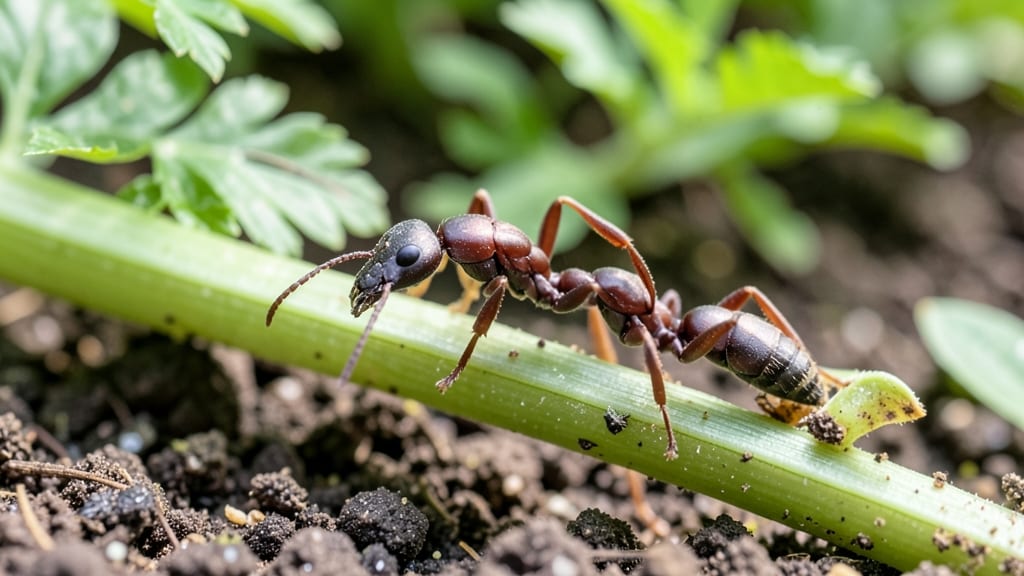
Ants in garden beds are generally good or bad for plants by improving soil aeration, breaking down organic material, and naturally controlling pests like aphids through their farming habits. However, they can become problematic if certain species like fire ants overpopulate or disturb plant roots.
Most gardeners don't realize how helpful ants can be—they act like tiny ecosystem engineers, creating tunnels that improve soil drainage and aeration while speeding up decomposition. 🔥 Their pest control skills are especially impressive, as they "farm" aphids for honeydew, keeping populations in check.
That said, aggressive species or large colonies can create issues by damaging young roots or building mounds that disrupt planting areas.
To decide whether ants are helping or harming your garden, observe their behavior and species. Common black ants usually pose no threat, but mound-building ants or fire ants signal it's time to intervene with natural remedies like diatomaceous earth or citrus peels.
The key is balance—ants are allies when managed properly.
💡 In This Article
- How Ants Benefit Garden Soil and Plant Health
- When to Remove Ants from Your Garden Bed
How ants benefit garden soil and plant health
Ants act as nature's soil tillers, creating intricate tunnel networks that improve drainage and aeration. A single colony can construct up to 100 feet of tunnels per square yard, breaking up compacted soil and allowing water and oxygen to penetrate deeper.
This is especially valuable for heavy clay soils where roots often suffocate. The tunnels also create pathways for beneficial microbes and fungi, accelerating nutrient cycling that would otherwise take months in undisturbed soil.
Their role as decomposers is equally impressive. Ants process organic matter at remarkable rates—some species can move 10,000 times their body weight in debris annually. They shred fallen leaves and plant debris into smaller pieces, creating ideal conditions for composting microbes.
This natural decomposition process releases nutrients like nitrogen and phosphorus in forms plants can absorb immediately, reducing the need for synthetic fertilizers. 🌱 The result is healthier soil with better structure and water retention capacity.
Perhaps their most valuable contribution is pest control through their unique farming relationship with aphids. Ants cultivate aphids like livestock, protecting them and harvesting their honeydew secretions.
While this might seem counterintuitive, it actually benefits plants by keeping aphid populations in check—without ants, these sap-sucking pests could multiply unchecked, weakening plants. Studies show gardens with active ant colonies experience 30-50% fewer aphid infestations compared to ant-free areas.
Ants also play a crucial role in seed dispersal and plant growth. Some species collect seeds and carry them to their nests, where they're stored and later planted. This accidental gardening helps spread plant species and introduces genetic diversity.
The presence of ants often correlates with increased plant biodiversity, as their activities create microhabitats that support a wider range of flora and fauna. Their impact extends beyond individual plants to the entire garden ecosystem.
However, this ecological benefit comes with important conditions. The advantages only manifest when ant populations remain balanced—typically 10-20 colonies per 100 square feet. At these levels, their tunneling and decomposition activities create optimal soil conditions without causing damage.
The key indicator of balance is the absence of visible mounds and minimal disturbance to plant roots. When these conditions exist, ants become one of nature's most effective and free garden maintenance crews.
Consider this: a single ant colony can process enough organic material to fertilize an area roughly the size of a dinner plate annually. That's the equivalent of a human moving 100 tons of compost per year—all while working completely undetected.
Their efficiency makes them one of the most valuable allies any gardener could have, provided you understand how to work with them rather than against them. 🌿