
Tools
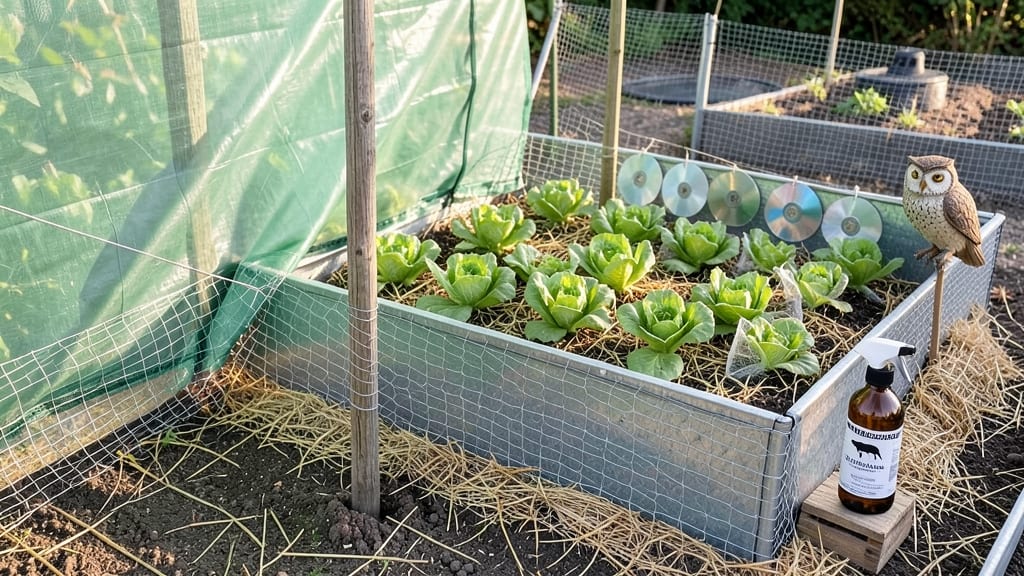
How to protect your garden bed from animals used to be a daily battle—until I discovered the right critter-proofing tricks. 🌱 The key isn’t just one barrier or spray, but a layered defense that makes your plants less appealing (and more protected) than the wild meadow next door.
Start with physical barriers: hardware cloth for burrowing critters, deer fencing at least 8 feet tall, or row covers for smaller pests. Add organic deterrents like garlic or predator urine sprays, and plant marigolds or daffodils—animals hate their scent. The combo works better than any single method.
You’ll see immediate results: no more chewed leaves, vanished veggies, or dug-up soil. Even stubborn squirrels give up when they can’t reach your harvest. The best part? These solutions are low-toxicity, so they’re safe for kids, pets, and pollinators.
Works for any garden size or pest problem—whether you’re dealing with rabbits nibbling lettuce or deer clearing out your entire plot. Let’s get those plants protected before the critters notice them!
📚 In This Guide
- What you need
- Instructions
- Tips and common mistakes
- Wrapping up and next steps
What you need
- ● Hardware cloth or wire mesh: 1/4-inch (minimum) or 1/2-inch mesh (smaller holes for rabbits/squirrels, larger for deer)
- ● Dimensions: Enough to cover the garden bed’s perimeter + 12–18 inches for burial/underground protection
- ● Stakes or posts: Galvanized or treated wooden stakes (2–3 ft long)
- ● Quantity: 1 stake every 2–3 feet around the bed’s edge
- ● Heavy-duty zip ties or wire: For securing mesh to stakes (100+ ties or 50+ ft of wire)
- ○ Garden twine or burlap: Optional: To camouflage mesh from deer (natural-looking blends work best)
- ● Shovel or spade: For burying the bottom 12 inches of mesh (prevents digging critters)
- ● Gloves & work boots: Because thorns, dirt, and stubborn critters don’t care about your manicure! 😉
- ● Motion-activated sprinklers: Deters deer and rabbits with a surprise spray.
- ● Chicken wire: Layer over hardware cloth for extra reinforcement (great for groundhogs).
- ● Plastic plant guards: For individual plants (e.g., tomato cages or mesh sleeves).
- ● Predator urine (fox/coyote): Spray around the perimeter—critters hate the smell! ⚠️
- ● Reflective tape or old CDs: Hang near the bed to scare off birds and small mammals.
Step-by-step instructions for building effective animal barriers in garden beds
Here's how to create barriers that actually deter critters without harming them or your plants.
🪴 Step 1: Choose the Right Barrier Material for Your Problem Animals
Start by identifying your specific pests. Rabbits and deer need hard physical barriers like hardware cloth (½-inch mesh) buried 12 inches deep and extending 3 feet above ground. For burrowing animals like gophers, install ¼-inch hardware cloth in a U-shape trench around the bed, bending it outward at the bottom to prevent digging underneath.
Squirrels and chipmunks are clever climbers, so use fine mesh (¼-inch) secured tightly with staples every 6 inches and bent outward at the top. For birds pecking seeds, floating row covers or bird netting stretched over frames works best. I always double-check mesh sizes—½-inch gaps let rabbits through, while ¼-inch stops even determined squirrels.
✂️ Step 2: Install Physical Barriers with Proper Overlap and Securing
For above-ground barriers, overlap sections by at least 6 inches and secure with staple guns or heavy-duty zip ties—animals will chew through loose connections. Bury the bottom edge 12 inches deep to block digging. I like to create a J-shaped barrier for rabbit-prone areas, with the vertical portion extending 3 feet above ground to prevent jumping.
For buried trenches, dig a 12-inch deep, 12-inch wide channel around the bed. Line it with hardware cloth, then backfill with soil. This prevents gophers from tunneling in. Real talk: Don't skimp on depth—animals will dig deeper than you think if they smell food. Test your barrier by pressing against it; if it flexes, reinforce it.
💧 Step 3: Use Repellents Strategically Along Barriers
Combine physical barriers with natural repellents for extra protection. Spray hot pepper wax or commercial repellents (like Liquid Fence) on the top 6 inches of barriers and around the bed's perimeter. Reapply every 2-4 weeks or after rain. I also plant strong-scented herbs like rosemary and lavender near the edges—animals avoid these smells.
For deer, create a buffer zone of 10 feet around the bed with deer-resistant plants like marigolds or daffodils. Deer have keen noses, so avoid planting their favorites (like hostas or tulips) near the barrier. A motion-activated sprinkler on a timer can also startle them away—just place it 3-4 feet from the barrier for best effect.
☀️ Step 4: Maintain and Monitor Barriers Seasonally
Check barriers weekly for gaps, rust, or animal chewing. Repair any damage immediately—even a 2-inch hole can let rabbits through. In late winter, rebury any exposed edges before planting season. I mark barrier locations with stakes or flags so I don’t accidentally dig into them during spring prep.
Rotate repellent methods seasonally. Commercial sprays work best in dry conditions, while homemade pepper sprays need reapplication after rain. Keep a journal of what works—note which animals ignore barriers and adjust accordingly. For example, if squirrels keep getting in, add pruned branches near the barrier to create a visual deterrent.
Tips & tricks for building effective animal barriers in garden beds
Don't let trial and error ruin your garden—these proven tips will help you create barriers that actually work the first time.
Material Selection: Hardware cloth is your best bet, but pay close attention to mesh size. For rabbits, never use anything larger than ½-inch mesh—they can squeeze through gaps as small as 3 inches. I've seen determined rabbits slip through ½-inch holes, so double-check your measurements. For gophers and moles, ¼-inch mesh is non-negotiable; their digging tunnels are surprisingly small. When in doubt, go finer rather than wider.
Installation Technique: The 12-inch depth requirement isn't arbitrary—animals will dig deeper than you'd expect when food is involved. I learned this the hard way when rabbits tunneled through a 6-inch barrier. Use a level to ensure your trench is perfectly straight; uneven barriers create weak points. For above-ground sections, create a slight outward angle at the top to deter climbing squirrels, and always overlap sections by at least 6 inches. Animals are surprisingly good at finding gaps.
Repellent Strategy: Natural repellents work best when combined with physical barriers, but timing is everything. Spray commercial repellents like Liquid Fence in the early evening when animals are most active. For homemade pepper sprays, reapply immediately after rain or every 2-4 weeks. I've found that planting strong-scented herbs like rosemary creates an additional sensory barrier—animals avoid areas with these pungent smells. Just be consistent; single applications won't deter persistent critters.
Seasonal Maintenance: Your weekly checks should include looking for rust on metal barriers and signs of animal chewing. I keep a small toolkit with heavy-duty zip ties and extra staples handy for quick repairs. In late winter, before planting season, take 30 minutes to inspect all buried edges—animals may have dug them up over winter. Mark barrier locations with colorful stakes to avoid accidental damage during spring planting. This simple step saved me from having to rebuild an entire section after my tiller hit a buried barrier.
Pro Tips for Protect Garden Bed From Animals
- Don't let trial and error ruin your garden—these proven tips will help you create barriers that actually work the first time.
- Material Selection: Hardware cloth is your best bet, but pay close attention to mesh size.
- Installation Technique: The 12-inch depth requirement isn't arbitrary—animals will dig deeper than you'd expect when food is involved.
Frequently asked questions
Got questions about keeping critters out of your garden? You’re not alone!
Here are answers to the most common concerns—plus a few surprises—to help you protect your plants without the stress.
What’s the best time of year to install animal barriers?
Install barriers before planting season (early spring) or when pests first appear (late winter/early spring for burrowing animals like rabbits). For seasonal threats (e.g., deer in fall), set up defenses 2–3 weeks ahead of their active feeding times. Pro tip: Check local wildlife patterns—some areas see early spring raids!
Will chicken wire work for rabbits or deer?
Not quite! Chicken wire (1" mesh) is too flimsy for rabbits (they’ll chew through it) and useless against deer (they’ll step over it). For rabbits, use hardware cloth (1/4" mesh) buried 12" deep. For deer, opt for 8-foot-tall fencing or repellents. Bonus: Combine both for stubborn critters!
How deep should I bury fencing to stop digging animals?
Digging pests like gophers or moles need a barrier at least 12–18 inches deep. For rabbits, bury hardware cloth 6–12 inches (they’ll dig shallow tunnels). Use a L-shaped trench to angle the fence outward—this deters burrowing. Warning: Skimp on depth, and you’re back to square one!
Are there chemical-free ways to repel animals?
Try these natural deterrents:
- Hot pepper spray (mix cayenne + water + dish soap)
- Predator urine (coyote or fox urine, available at garden stores)
- Plant companions like garlic, marigolds, or lavender (deer/hare hate the smell!)
- Motion-activated sprinklers (scare off deer without harm)
What do I do if animals keep getting through my fence?
Troubleshoot with this checklist:
- Check for gaps: Even a 2" hole lets rabbits through!
- Add an overhang: Bend the top of the fence outward to stop climbers.
- Remove hiding spots: Trim brush near fences (animals use it to launch attacks).
- Upgrade materials: Replace weak links with heavier-duty mesh or wood.
Wrapping up and next steps
Protecting your garden beds from hungry critters doesn’t have to be a battle—it’s all about strategic barriers, smart planning, and persistence. 🌱 Whether you opt for physical fences, natural repellents, or tech-savvy solutions, the key is tailoring defenses to the specific pests in your area.
Start small, test what works, and gradually expand your garden’s fortress!
Now that you’re armed with knowledge, roll up your sleeves and get creative! Try one or two methods this season, observe the results, and refine your approach. Happy gardening—and may your veggies stay safe (and delicious)! 🥕✨