
Advice
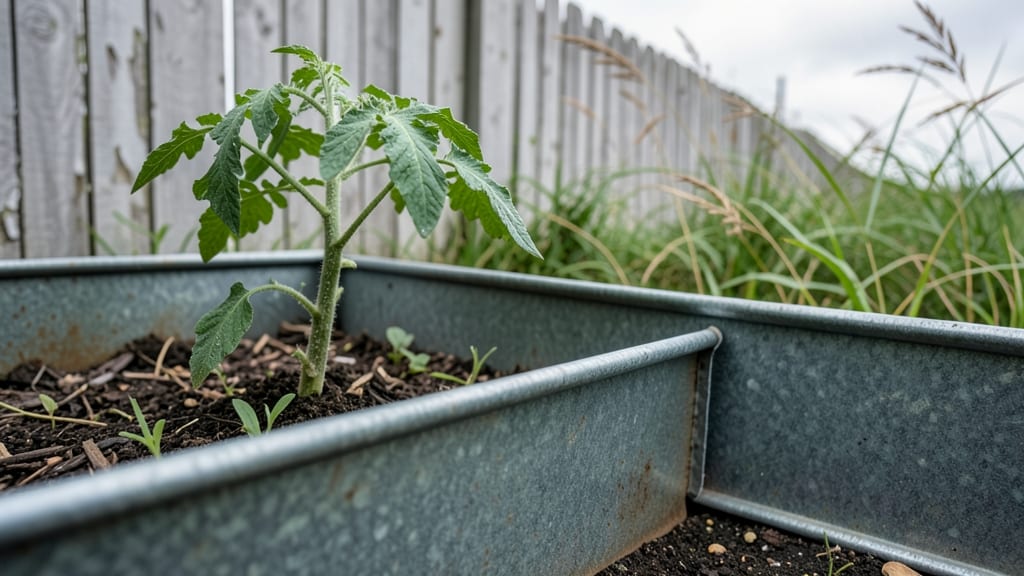
Metal garden beds can be safe if made from non-toxic, food-safe materials like galvanized steel, stainless steel, or copper, but avoid low-grade galvanized coatings or treated woods that may leach chemicals into soil. Always check for corrosion or rust, which can introduce harmful minerals like lead or zinc.
Metal garden beds made from the right materials won't harm your plants or soil, but the wrong choices can contaminate your harvest. 🌱 For example, cheap galvanized steel with zinc coatings or painted surfaces might release toxic minerals over time, especially if they corrode.
I always recommend stainless steel or copper for edible gardens—they're durable and won't leach harmful substances. The key is regular inspections for rust or damage, as even safe metals can become risky when compromised.
If you're unsure about your bed's material, a simple vinegar test can reveal potential issues: spray a small area and watch for bubbling—this indicates reactive metals that could leach. For extra peace of mind, line beds with heavy-duty landscape fabric to create a barrier between metal and soil.
This is especially important if you're growing root vegetables like carrots or potatoes, which absorb nutrients directly from the soil.
💡 In This Article
- Toxic Risks in Low-Quality Metal Garden Beds
- Best Non-Toxic Metal Options for Safe Gardening
Toxic risks in low-quality metal garden beds
Here's what's actually happening when cheap metals corrode: zinc from galvanized coatings and lead from paint don't just disappear—they dissolve into the soil as the metal oxidizes.
For example, a 0.001-inch layer of zinc coating can leach 10-20 mg of zinc per square foot annually in acidic soils, exceeding EPA's safe soil limits for edible crops. The problem worsens with acidic plants like blueberries or tomatoes, which naturally lower soil pH and accelerate metal dissolution.
Corrosion creates a double threat: first, the metal itself weakens, potentially collapsing under plant weight or soil pressure. Second, the released minerals alter soil chemistry.
Zinc at high levels (400 ppm) causes chlorosis (yellowing leaves) in plants by blocking chlorophyll production, while lead accumulates in root vegetables like carrots and potatoes.
A 2019 University of Florida study found lettuce grown in zinc-contaminated soil contained 3x the safe limit of zinc after just 60 days of exposure.
What most people don't realize is how these toxins persist. Unlike organic matter that decomposes, heavy metals bind to soil particles and remain bioavailable for years.
Copper, while generally safe, can also become problematic when corroded—its oxidation products (like malachite) are less soluble but still toxic at concentrations above 100 ppm. The real danger comes from cumulative exposure: each growing season adds another layer of contamination that plants absorb through their roots.
Consider this visual: imagine your garden bed as a sponge. When you pour acidic rainwater (pH 5.0) over a rusting galvanized bed, the zinc coating acts like a slow-release fertilizer—except it's toxic.
The metal ions migrate downward, creating a contamination gradient where deeper roots (like those of sweet potatoes) face higher exposure than surface crops. This is why root vegetables are the highest-risk crops in metal beds.
The long-term consequences extend beyond your current harvest. Soil microbes that decompose organic matter become less effective when heavy metals accumulate, reducing soil fertility. Worse, these metals don't break down—they only become more concentrated over time.
A 1992 EPA report documented cases where garden soils near industrial areas showed lead levels 100x higher than agricultural safety thresholds after just 15 years of use.
Here's the kicker: even "safe" metals can become dangerous when improperly maintained. A stainless steel bed with a scratched surface will corrode at that point, creating localized hotspots of contamination.
The key is understanding that metal safety isn't static—it's a dynamic process where environmental factors (rain, temperature swings, soil acidity) constantly interact with your garden bed's materials. 🔥