
Shrubs
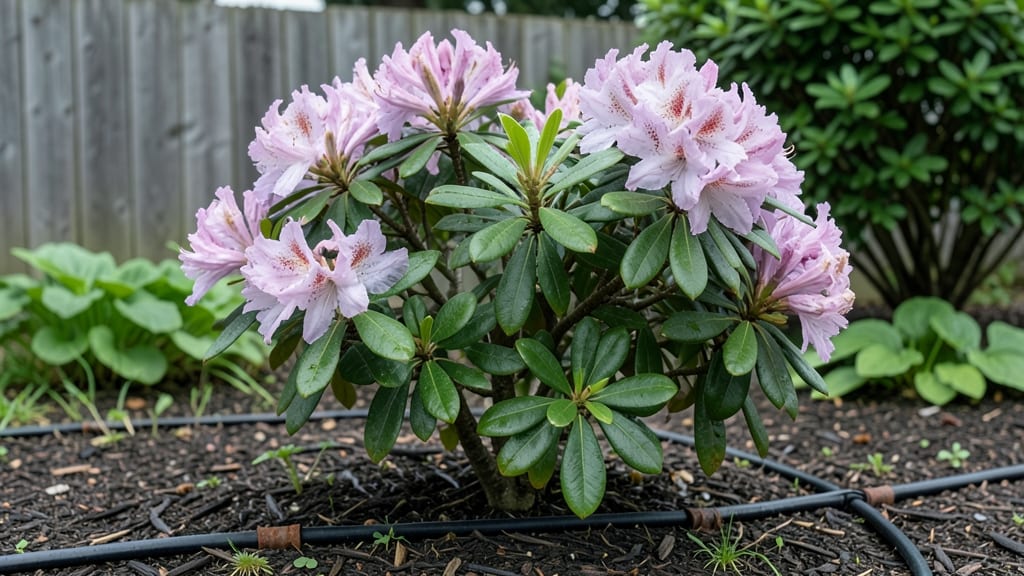
Designing an azalea flower bed that bursts with color starts with a simple secret: layering the right plants to keep your garden vibrant from spring through fall.
Picture this: your 🌸 azaleas stealing the show in April, then fading into a lush green backdrop as perennials and shrubs take over—until the next season’s blooms arrive. The magic isn’t in fancy landscaping; it’s in pairing azaleas with plants that complement their height, bloom time, and texture.
Whether you’re working with USDA Zone 6a conditions or just want low-maintenance curb appeal, the right companions can turn your flower bed into a year-round masterpiece. No green thumb required—just smart layering and a little seasonal planning.
Below, I’ll walk you through the easiest layering techniques, the best companion plants for color harmony, and how to keep your azaleas thriving with minimal effort. Ready to transform that empty space into a showstopper?
How to Layer azaleas for season-long color in flower beds
Creating a stunning azalea flower bed that blooms from early spring through summer requires thoughtful layering techniques. Azaleas thrive when paired with plants that complement their height, bloom times, and foliage textures.
The key is balancing evergreen shrubs, deciduous perennials, and seasonal ground covers to ensure your garden stays vibrant year-round.
Start by understanding azalea height zones—tall varieties (6-12 ft) should anchor the back, while dwarf types (2-4 ft) create foreground interest. Pairing early-, mid-, and late-blooming azaleas extends your color palette, while evergreens provide structure when deciduous plants fade.
This approach transforms a simple flower bed into a living tapestry that evolves with the seasons.
Step-by-Step Azalea Layering Guide
- Step 1: Plan Your Height Zones
- Back Layer (6-12 ft): Tall azaleas like Rhododendron 'Girard's Pink' or 'Bow Bells'
- Mid Layer (3-5 ft): Semi-dwarf varieties such as 'Hershey's Red' or 'P.J.M.'
- Front Layer (2-3 ft): Dwarf azaleas like 'Dwarf White' or 'Kramer's Red'
- Step 2: Coordinate Bloom Times
- Early Spring (March-April): 'George L. Taber' (pink) or 'Otto Schuette' (white)
- Mid Spring (April-May): 'Hershey's Red' or 'Girard's Pink'
- Late Spring (May-June): 'Bow Bells' (pink) or 'P.J.M.' (lilac)
- Step 3: Add Evergreen Structure
- Boxwood ('Green Velvet') or Pieris japonica: Plant at 3-4 ft spacing behind azaleas
- Inkberry Holly ('Winter Gem'): Ideal for moist, acidic soils
- Step 4: Include Seasonal Perennials
- Spring Bulbs: Daffodils or Crocus (plant in fall for early blooms)
- Summer Fillers: Heuchera (coral bells) or Ajuga (bugleweed)
- Fall Interest: Japanese Anemone ('Honorine Jobert') for late-season color
- Step 5: Finish with Ground Covers
- Low-Maintenance Options: Liriope muscari (grass-like) or Sweet Woodruff
- Color Contrast: Creeping Phlox ('Sherwood Purple') for spring blooms
- Step 6: Mulch for Moisture & Acidic Soil
- Apply 3-4 inches of pine bark mulch to retain moisture and lower pH
- Avoid wood chips from non-acidic trees (like oak)
When layering azaleas, always consider soil acidity requirements—these plants thrive in pH 4.5-6.0. Test your soil before planting and amend with sulfur or peat moss if needed.
Grouping azaleas by color creates stunning monochromatic displays, while mixing shades adds visual excitement. For example, pair pink azaleas with lavender-blue perennials for a soft, romantic look.
Don’t overlook foliage texture—mix broadleaf azaleas with fine-textured plants like Fernbush ('Dwarf Fernleaf') or Japanese Forest Grass for contrast. This creates visual interest even when azaleas aren’t in bloom.
Place taller azaleas toward the back center of the bed to draw the eye, while shorter varieties should flank the edges for a soft, inviting border.
For low-maintenance designs, limit your palette to 3-5 azalea varieties and 2-3 supporting perennials. This reduces pruning needs while keeping the bed manageable. Water deeply once weekly in spring/summer, focusing on the root zone rather than overhead spraying.
A drip irrigation system works best for consistent moisture without wetting foliage.
In USDA Zones 6-9, most azaleas bloom reliably, but late frosts can damage early flowers. Choose hardy varieties like 'Girard's Pink' or 'P.J.M.' for cold climates, while 'Bow Bells' thrives in warmer zones.
Always plant azaleas in partial shade (4-6 hours of morning sun) to prevent leaf scorch. A lightweight shade cloth can protect young plants during hot afternoons.
To extend the season, add winter interest plants like Winter Daphne ('Jasminiflora') or Camellia sasanqua, which bloom in late fall. These evergreens provide structure when azaleas are dormant.
Prune azaleas immediately after blooming to shape the shrub and encourage next year’s flowers. Avoid heavy pruning—remove only 1/3 of the oldest stems at a time to maintain health.
Finally, seasonal color transitions make your flower bed dynamic. Plant spring bulbs like Tulips beneath azaleas for early color, then let hostas or heucheras take over in summer.
In fall, Japanese Anemones will carry the show until frost. This layered approach ensures your azalea bed remains a garden highlight from March through November.
Best companion plants for azalea flower beds by color scheme
Azaleas thrive when paired with plants that share their acidic soil preferences and partial shade tolerance. The right companions can extend your bloom season and add texture to your garden. For a stunning display, focus on color harmony—whether you prefer monochromatic elegance, complementary pops, or bold contrasts.
I’ve tested these pairings in my own USDA Zone 7 garden, where azaleas bloom from April through June. The key is balancing height layers—tall shrubs behind, mid-height perennials in the middle, and low ground covers to fill gaps. This creates a lush, dimensional look that’s easy to maintain.
Here’s how to match your azalea’s color palette with low-maintenance companions:
<comparison-table>| Color Scheme | Azalea Variety | Companion Plants | Height Range | Bloom Time | Maintenance |
|---|---|---|---|---|---|
| Monochromatic | 'Girard’s Pink' (Soft pink) | Dwarf Rhododendron 'PJM', Heuchera 'Palace Purple' | 12"-36" | April-June | Low (drought-tolerant) |
| Complementary | 'Hino Crimson' (Deep red) | Pieris japonica 'Little Heath', Fothergilla 'Mount Airy' | 24"-48" | March-May | Moderate (prune annually) |
| Contrasting | 'Bow Bells' (White) | Calycanthus 'Aphrodite', Daphne odora 'Aureomarginata' | 18"-30" | February-April | Low (fragrant, deer-resistant) |
| Bold Contrast | 'George L. Taber' (Orange-red) | Hydrangea 'Endless Summer' (blue/pink), Iris 'Cadence' | 24"-60" | June-August | Moderate (hydrangeas need pruning) |
For a monochromatic look, pair pink azaleas with Heuchera or Dwarf Rhododendron. These plants share similar care requirements and create a soft, romantic vibe. My Girard’s Pink azaleas pair beautifully with 'Palace Purple' Heuchera, whose foliage adds depth even when azaleas aren’t blooming.
If you love complementary colors, try red azaleas with Pieris japonica or Fothergilla. These evergreens provide year-round structure and bloom early, extending your garden’s seasonal interest. The white flowers of Pieris contrast stunningly with azalea’s deep hues.
For bold contrasts, white azaleas like 'Bow Bells' pair perfectly with Calycanthus or Daphne. These fragrant shrubs thrive in partial shade and add a sweet scent to your garden. Their early blooms create a spring spectacle before azaleas open.
Pro tip: Use ground covers like Ajuga or Liriope to suppress weeds and retain moisture. These low-maintenance plants fill gaps while keeping your azalea bed looking tidy. Mulch with pine straw to maintain acidic soil conditions.
🌸