
Planting
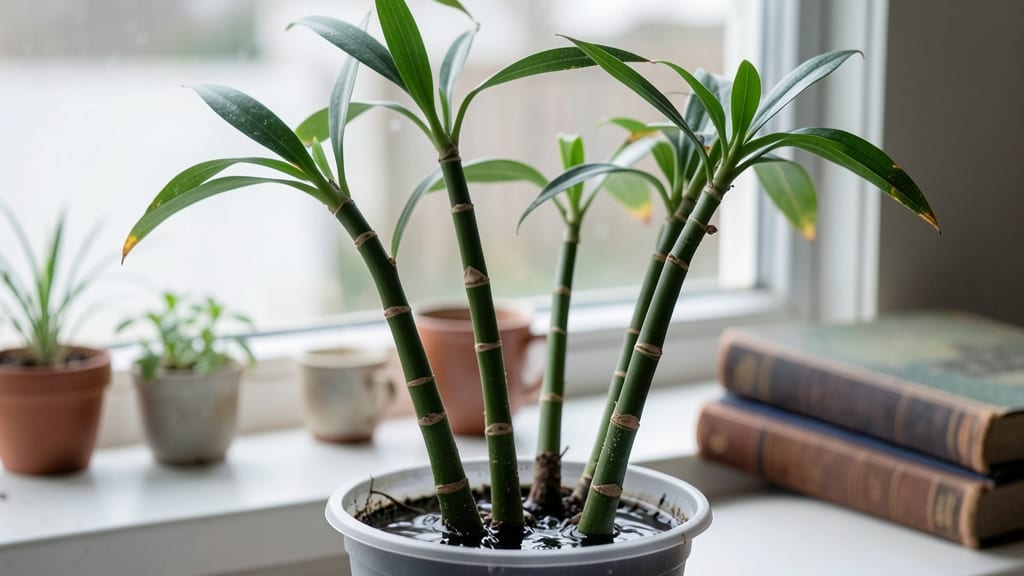
Growing bamboo plants in Massachusetts isn’t just possible—it’s a game-changer for privacy screens and year-round greenery 🌿. The right varieties survive USDA Zone 5b winters and won’t take over your yard like running bamboo might.
Massachusetts gardeners know the struggle—finding plants that survive brutal winters while adding beauty and privacy to your yard. But what if you could grow bamboo that thrives in New England’s harsh climate without becoming invasive?
The key is choosing clumping bamboo like Fargesia or Bambusa multiplex, which stay contained and grow beautifully in partial sun. With the right planting window—late April to early June—you’ll have a low-maintenance screen that outlasts annuals.
Below, I’ll cover the top cold-hardy varieties, how to plant them for long-term success, and simple tricks to keep them from spreading beyond your property lines.
Top 5 cold-hardy bamboo varieties for Massachusetts gardens
Massachusetts winters can be unforgiving, but the right cold-hardy bamboo varieties can thrive in USDA Zones 4-6 while adding year-round beauty. Unlike invasive running bamboo, these clumping varieties stay contained and won’t take over your yard.
Whether you need a privacy screen, ornamental focal point, or low-maintenance ground cover, these five varieties are perfect for New England gardens.
One of the biggest misconceptions about bamboo is that it’s always invasive. In reality, clumping bamboo grows in tight clusters and spreads slowly, making it ideal for small yards and urban gardens.
Below, I’ve highlighted the top 5 cold-hardy options that will survive Massachusetts winters and flourish for years to come.
Comparison Table: Cold-Hardy Bamboo for Massachusetts
Fargesia nitida (Umbrella Bamboo) is my top recommendation for Massachusetts gardens. This clumping bamboo reaches 4-6 feet tall and thrives in partial shade, making it perfect for woodland gardens or under trees. Its arching canes create a natural, airy look, and it handles Zone 5 winters with ease. Plus, it’s deer-resistant, which is a bonus for rural properties.
If you’re looking for a taller privacy screen, Phyllostachys aureosulcata (Yellow Groove Bamboo) is a stunning choice—just be sure to install a root barrier since it’s a running bamboo.
This variety grows 15-25 feet tall and features striking yellow-striped canes. In Massachusetts, it benefits from extra mulch in winter to protect its roots from freezing temperatures.
For small spaces or container gardening, Boryana Compacta is a charming dwarf option. This 3-5 foot bamboo has delicate green-and-white striped canes and grows slowly, making it ideal for balconies or patios. In colder winters, wrap the container with
How to plant and maintain bamboo in Massachusetts for long-term success
Choosing the right spot for your bamboo is critical in Massachusetts, where winter winds and heavy snow can stress young plants. Aim for a location with morning sun and afternoon shade—this protects leaves from harsh afternoon rays while providing enough light for growth.
A sheltered spot near a fence or building will shield bamboo from winter winds, which can dry out stems and damage foliage.
Before digging, test your soil’s drainage and pH. Bamboo roots need well-draining soil to avoid rot, especially in Massachusetts’ clay-heavy soils. Amend heavy soil with compost or sand to improve aeration, and adjust the pH to 5.5–7.0 using lime or sulfur if needed.
A simple soil test kit from your local garden center will give you exact numbers.
⚠️ Warning: Avoid These Planting Mistakes
Low-lying areas where water pools will drown bamboo roots. Never plant in depressions or near downspouts, even if the soil seems fertile. Running bamboo (like Phyllostachys) will spread aggressively—stick to clumping varieties (Fargesia, Borinda) for contained growth. Finally, planting too late in the season (after June 1st) risks frost damage before roots establish.
Dig a hole twice as wide as the bamboo’s root ball but only as deep as the container. Gently remove the plant from its pot and loosen any circling roots with your fingers.
Place the bamboo in the hole so the top of the root ball sits 1–2 inches below soil level. This prevents the plant from drying out and encourages strong root growth.
After planting, water deeply to settle the soil and eliminate air pockets. Mulch around the base with 2–3 inches of organic mulch (like shredded bark) to retain moisture and regulate soil temperature.
In Massachusetts, mulching also protects roots from freeze-thaw cycles in late winter. Avoid piling mulch against the stems, as this can cause rot.
Prune bamboo in early spring (April) to remove dead or weak canes and shape the plant. Cut back any canes that died over winter at the ground level. For clumping bamboo, you can also thin out crowded shoots in late summer to improve airflow.
Never prune more than 20% of the plant at once, as this stresses the bamboo.
Winter care is minimal but essential. In USDA Zone 5b, wrap young bamboo (under 3 years old) with burlap or frost cloth if temperatures drop below 10°F. Older plants handle cold well, but a thick layer of mulch (up to 4 inches) will protect roots.
Avoid fertilizing in fall—new growth won’t harden off before winter, making plants vulnerable to frost damage.